Introduction: A Cultural Victory in Cagnes-sur-Mer
In a significant development for the global art community, the Renoir Museum in Cagnes-sur-Mer, southern France, has successfully recovered two of its most prized paintings following a brazen pre-dawn heist that sent shockwaves through the art world earlier this year. The recovery marks a turning point in an investigation that has gripped the French Riviera, restoring vital pieces of cultural heritage to their rightful home in the historic villa where Pierre-Auguste Renoir spent the final years of his life.
The recovered works, Portrait of Madame Colonna Romano (1910) and Jeune fille au puits (1886), were identified and secured by local authorities in Cagnes-sur-Mer. With a combined estimated value of approximately €9 million ($10.5 million), these canvases represent not merely financial assets, but irreplaceable chapters of Impressionist history. The swift action of law enforcement, which led to the arrest of six suspects, has provided a sense of closure to a city that viewed the theft as a direct assault on its identity.
A Chronology of the Crime and Recovery
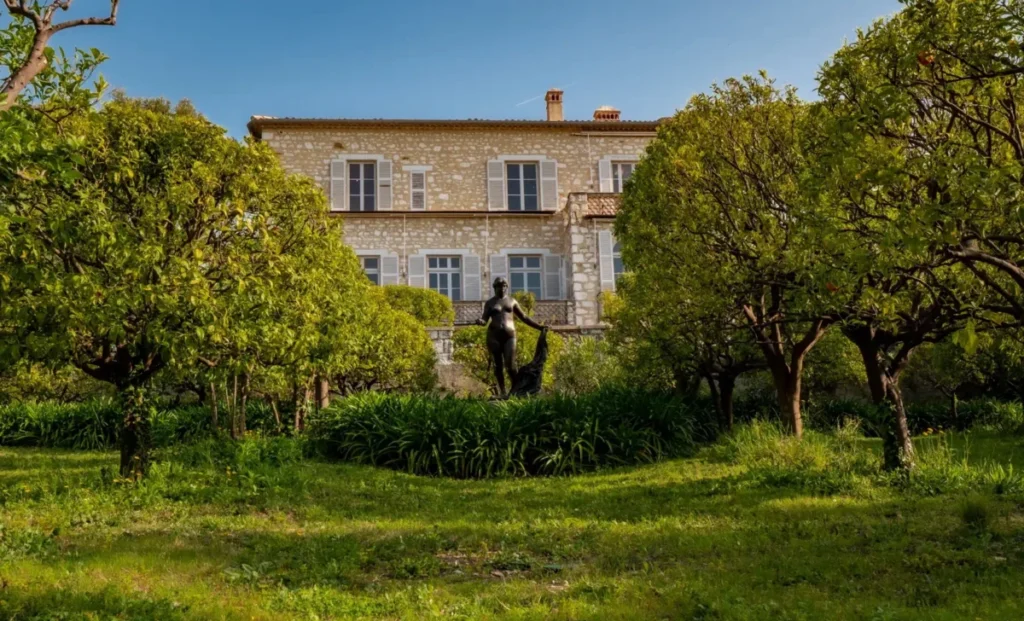
The saga began in September, when the tranquil atmosphere of the Renoir Museum—housed in the artist’s former estate, "Les Collettes"—was shattered by an audacious burglary.
The Heist
Under the cover of darkness, thieves executed a surgical strike on the museum. Reports from the investigation indicate that the perpetrators were well-prepared, employing heavy-duty tools, including what officials described as an "electric knife" or a "metal saw," to sever the bolts securing the frames to the walls.
During the initial raid, the thieves successfully removed four paintings from the gallery’s walls. However, the heist did not proceed entirely according to their plan. In a frantic departure from the scene, the criminals abandoned two of the four stolen works—Portrait of Madame Pichon (1895) and Coco Lisant (1905)—at or near the site. This stroke of fortune allowed museum officials to secure at least half of the targeted collection shortly after the alarm was raised.
The Investigation and Arrests
Following the theft, local police and specialized art-crime units launched a rigorous investigation. By tracking leads and surveillance data, authorities were able to narrow down the suspects. The breakthrough came with the arrest of six individuals believed to be connected to the operation. The subsequent recovery of Portrait of Madame Colonna Romano and Jeune fille au puits serves as the culmination of weeks of intensive police work, confirming the efficacy of regional security cooperation in protecting public heritage.
The Significance of the Recovered Works
To understand the gravity of the theft, one must look at the nature of the Renoir Museum itself. The estate is not merely a gallery; it is a pilgrimage site for art historians and enthusiasts.
- Jeune fille au puits (1886): This work captures the delicate, light-filled aesthetic that defined Renoir’s middle period. It reflects the artist’s obsession with the interplay of light and human emotion, a hallmark of the Impressionist movement.
- Portrait of Madame Colonna Romano (1910): Painted later in Renoir’s life while he was living at Les Collettes, this portrait demonstrates his mastery of texture and color, even as he struggled with the rheumatoid arthritis that plagued his later years.
Before the theft, the museum proudly exhibited 12 of the artist’s paintings. The loss of even a portion of this collection threatened to dismantle the narrative of Renoir’s residency in Cagnes-sur-Mer. The museum also houses an extensive collection of his sculptures and original furniture, offering a rare, holistic view of the master’s domestic and creative life.
Official Responses and Public Sentiment
The recovery has prompted a wave of relief from both local politicians and cultural preservationists. Mayor Bryan Masson, a prominent figure in the local political landscape, was quick to issue a statement emphasizing the emotional weight of the loss.
"These two paintings are far more than works of art," Masson stated. "They are part of our city’s history, our cultural heritage, and the legacy Auguste Renoir left to Cagnes-sur-Mer. Their recovery is a tremendous relief for the people of Cagnes-sur-Mer and for everyone who cares deeply about our museum."
Masson’s rhetoric highlights a growing trend in European municipal governance: the aggressive protection of local cultural landmarks as a pillar of regional pride. The mayor had previously condemned the theft as an "attack on a part of Cagnes-sur-Mer’s history and heritage," a sentiment that resonated deeply with the local populace and the international museum community.
The Broader Context: Art Theft and Museum Security
The incident at the Renoir Museum brings to light the ongoing vulnerabilities of smaller, regional museums. While institutions like the Louvre or the National Gallery in London (which is currently hosting a major retrospective of 40 Renoir paintings) possess fortress-like security, regional museums often struggle to balance the need for public access with the necessity of high-tech protection.
The Vulnerability of Regional Institutions
The theft at Cagnes-sur-Mer underscores the "soft target" reality faced by historic homes and house-museums. Unlike modern gallery spaces designed with climate-controlled, alarm-saturated security perimeters, historic villas—like Renoir’s estate—often present architectural challenges that make it difficult to integrate modern security without compromising the integrity of the heritage site.
The Market for Stolen Art
The estimated value of €9 million for the two stolen works illustrates the high-stakes nature of the black market for fine art. While major auction houses and galleries employ rigorous provenance checks, stolen works often disappear into the "gray market"—private, illicit collections where works are held for prestige rather than resale. The rapid recovery in this case likely prevented these pieces from being funneled into such deep-cover markets, where they could have remained hidden for decades.
Implications for the Future
The successful resolution of this case will likely trigger a review of security protocols for small to medium-sized museums throughout the French Riviera. As art prices continue to climb, the risk profile for institutions housing works by Renoir, Monet, and their contemporaries increases proportionately.
Enhanced Security Measures
Museums are now facing a mandate to modernize. This includes not only the installation of advanced motion sensors and vibration-detecting bolts but also the potential for increased physical security presence during off-peak hours. The "electric knife" used by the thieves in September represents an evolution in criminal methods that museums must now account for in their risk assessments.
Cultural Heritage Preservation
The Renoir Museum serves as a reminder of the artist’s enduring global relevance. With current exhibitions in London drawing record crowds, the market demand for Renoir’s works remains at an all-time high. This demand, while beneficial for tourism and cultural education, creates a perverse incentive for criminal activity. The victory in Cagnes-sur-Mer is a reminder that the protection of art is a continuous process that requires the vigilance of the state, the local community, and international law enforcement agencies.
Conclusion: A Return to Order
As the paintings are returned to their rightful place on the walls of the Cagnes-sur-Mer estate, the museum can once again fulfill its mission of educating the public on the life and work of one of France’s most cherished painters. The six suspects now face the legal consequences of their actions, and the city of Cagnes-sur-Mer has reclaimed its dignity.
For the visitors who flock to Les Collettes, the return of Portrait of Madame Colonna Romano and Jeune fille au puits ensures that the legacy of Renoir remains intact. It stands as a testament to the fact that while art may be vulnerable to the darkness of greed, it is ultimately protected by the collective will of those who recognize its irreplaceable value to the human story. The museum remains open, now safer and more cherished than ever, serving as a beacon of artistic continuity in a changing world.