

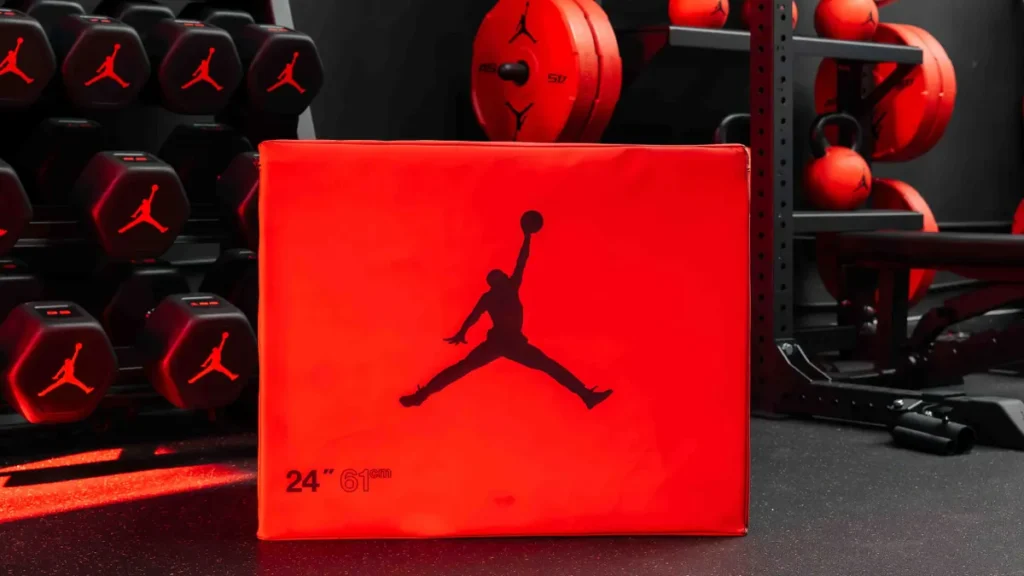
In a strategic departure from its roots in performance basketball footwear, the Jordan Brand is officially entering the fitness hardware market. The company has unveiled "Jordan Strength," a premium line of strength training equipment designed to bring the brand’s storied legacy into the home gym and professional training facility. While the aesthetic of the collection pays homage to Michael Jordan’s legendary six NBA championships, the move represents far more than a branding exercise. It is a calculated response to a broader, systemic challenge facing parent company Nike Inc.: the urgent need to diversify a portfolio that has remained dangerously reliant on its "classic" sneaker franchises.
The Main Facts: A New Chapter for Jordan
The Jordan Strength collection is designed to bridge the gap between high-performance athletic utility and the luxury lifestyle branding that has defined the Jumpman logo for decades. By incorporating design cues inspired by Michael Jordan’s illustrious career—including subtle nods to his six title rings—the brand is positioning its equipment as both a functional tool and a collector’s item for the brand’s most loyal enthusiasts.
The line is intended to penetrate two primary demographics: the burgeoning home-fitness market, which exploded during the pandemic and has since normalized into a staple of modern living, and high-end professional athletic facilities that demand durable, performance-grade equipment. By moving into the "iron and steel" sector, Jordan is effectively attempting to capture value from the sweat equity of its customers, shifting from being a brand that customers wear while they work out to a brand that provides the very tools they use to achieve their physical goals.
Chronology: The Road to Diversification
The pivot to hardware does not exist in a vacuum; it is the latest chapter in a tumultuous period for Nike and the Jordan label.
- Mid-2023: Nike leadership begins acknowledging internal friction regarding inventory management. The reliance on legacy franchises like the Air Force 1, Air Jordan, and the Dunk began to show cracks as consumer fatigue set in.
- Late 2024: Nike CEO Elliott Hill takes the helm, inheriting a business model that, while massive, was losing its competitive edge in the streetwear category.
- Early 2025: Data from quarterly earnings calls confirms that sell-through rates for "Jordan Streetwear" are significantly challenged, necessitating a shift in strategy.
- Present Day: The launch of Jordan Strength serves as the flagship effort in a series of initiatives aimed at moving the brand beyond the sneaker rack and into the total wellness and fitness ecosystem.
Supporting Data: The Pressure on the Swoosh
The impetus for this pivot is grounded in cold, hard numbers. Nike’s fiscal performance has been characterized by stagnation and difficult transitions. In the fourth quarter, the company reported a 1% decline in revenue to $11 billion. For the full fiscal year, total revenue remained flat at $46 billion.
More concerning for investors is the forward-looking guidance. Nike has adjusted its expectations downward, anticipating a low- to mid-single-digit decline in the first half of the upcoming fiscal year. These figures are exacerbated by the company’s over-indexing on classic footwear. When a brand’s growth is tied almost exclusively to the popularity of specific sneaker models, it becomes vulnerable to the fickle nature of fashion trends. When those trends cool, the impact on the bottom line is immediate and painful.
Furthermore, the external perception of Nike’s health reached a low point recently when it was announced that the company would be removed from the S&P 100. While it retains its position in the S&P 500, the demotion from the 100-index sent a clear signal to Wall Street: the company is currently viewed as a business in a state of contraction rather than expansion. Neil Saunders, managing director at GlobalData, noted that the move "underlines the company’s broader problems and its loss of value as it tries to get the business back on track."
Official Responses and Strategic Realignment
Nike’s leadership has been transparent—if cautious—about the difficulties they face. CEO Elliott Hill has been vocal about the need for a "rightsizing" of the company’s inventory. During recent earnings calls, Hill candidly admitted that the company is "not living up to our full potential," particularly in the Sportswear and Jordan Streetwear segments.
The strategy, as outlined by company spokespeople, involves a "future marketplace" model. This includes the controversial but necessary closing of various "Nike Live" and neighborhood-specific stores, which were once heralded as the future of retail but have since been deemed inefficient in the current economic climate.
"We are rebalancing our product assortment," Hill stated. This rebalancing is not merely about pulling back on sneakers; it is about finding new, high-margin categories where the Jordan brand can exercise its premium pricing power without the risks associated with the saturated fashion footwear market. Jordan Strength is, in effect, a test case for whether the "Jumpman" equity can translate from leather and mesh to iron and rubber.
Implications: The High-Stakes Bet
The launch of Jordan Strength carries significant implications for the future of the sportswear giant.
1. Breaking the Sneaker Dependency
The most immediate implication is the intentional dilution of Nike’s dependency on its "classics." By diversifying into equipment, Jordan is creating a new revenue stream that is less sensitive to the cyclical nature of sneaker culture. If successful, this move could pave the way for a more robust "Jordan Wellness" category, potentially expanding into recovery technology, nutritional supplements, or digital fitness coaching.

2. Market Positioning
By entering the strength training market, Jordan is stepping into a space currently occupied by high-end incumbents and boutique fitness brands. To succeed, the company must prove that its equipment is not just "branded gear" but legitimately competitive in a space where durability and biomechanics are the primary metrics of success. The Jordan name provides an immediate marketing advantage, but the product must stand on its own merits to retain customers in a professional gym environment.
3. Retail Footprint and Digital Integration
The closure of neighborhood stores is part of a larger, painful migration toward a leaner, more agile retail footprint. As Nike closes physical locations, it is doubling down on its direct-to-consumer digital channels and high-impact retail experiences. The Jordan Strength equipment is likely to be sold through these premium channels, serving as a "halo product" that elevates the brand’s overall image from a sneaker manufacturer to a comprehensive athletic powerhouse.
4. Cultural Relevance
Perhaps the biggest risk is the potential dilution of the Jordan brand’s "cool factor." Historically, the brand’s power has been derived from its exclusivity and its connection to the streets and the court. Moving into the home gym market is a functional pivot that risks making the brand seem more "corporate" or "utilitarian." Nike will need to navigate this carefully, ensuring that the marketing behind the equipment maintains the prestige associated with the athlete who inspired it.
Conclusion: A Necessary Evolution
The introduction of Jordan Strength is a testament to the fact that even the most dominant brands must evolve to survive. Nike is currently navigating the "valley of death" between its past glory and its future identity. The reliance on classic footwear franchises like the Air Force 1 and Air Jordan served the company well for decades, but the current retail climate demands a broader horizon.
Whether Jordan Strength becomes a pillar of the brand’s future or remains a niche offering will depend on execution, quality, and the company’s ability to communicate that the same excellence expected on the court is now available in the weight room. For Nike, the message is clear: the future of the company will not be found in the past, but in its ability to redefine what it means to "Just Do It" in every aspect of the modern athlete’s life. As the company continues its structural transformation, the performance of this new product line will serve as a bellwether for the brand’s broader turnaround efforts.