Introduction: The Day the Future Changed
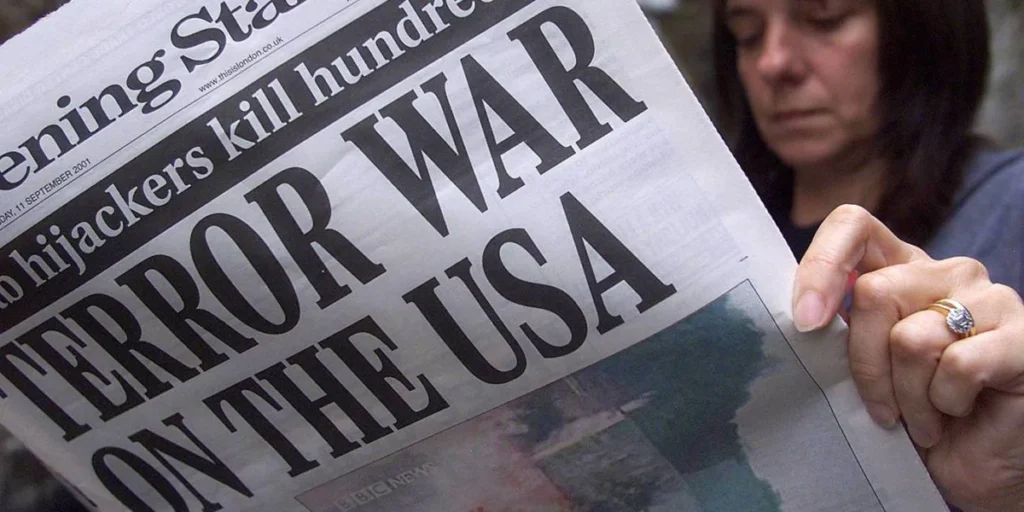
On September 11, 2001, the trajectory of the twenty-first century was irrevocably altered in the span of a single morning. The terrorist attacks on the World Trade Center in New York City and the Pentagon in Arlington, Virginia, were not merely acts of mass casualty terrorism; they were the catalysts for a fundamental restructuring of the global order.
As we mark the 25th anniversary of that fateful day, the historical consensus is shifting. It is no longer enough to view 9/11 as an isolated tragedy. Instead, analysts are increasingly focusing on the American response—the "Global War on Terror"—as the primary driver of modern geopolitical instability. By abandoning the liberal internationalist principles that were intended to define the post-Cold War era, the United States set in motion a chain of events that has eroded democratic norms, reshaped international law, and fostered a climate of permanent crisis.
The Chronology of a Shifting Era
The timeline of the post-9/11 world is defined by a frantic, often reactive, sequence of policy pivots.
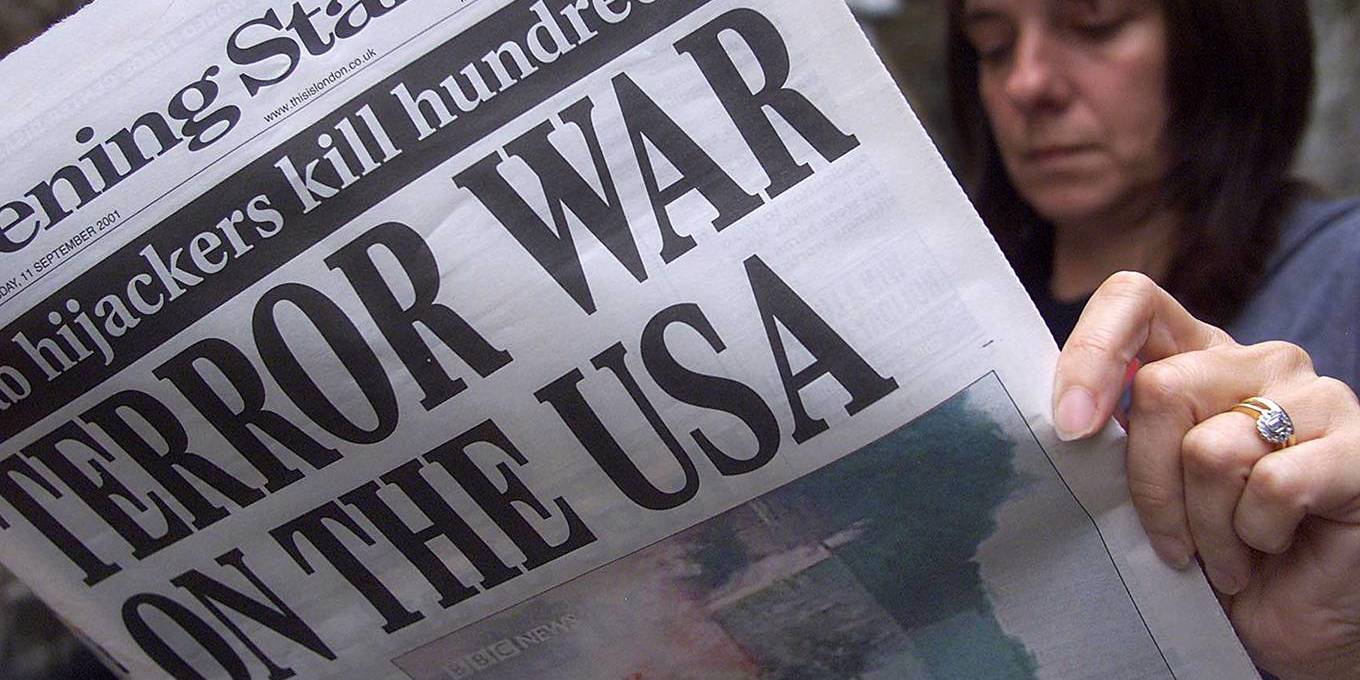
- September 11, 2001: Al-Qaeda operatives hijack four commercial aircraft, crashing them into the Twin Towers, the Pentagon, and a field in Shanksville, Pennsylvania.
- October 7, 2001: Operation Enduring Freedom commences in Afghanistan, marking the beginning of the longest war in U.S. history.
- October 26, 2001: The USA PATRIOT Act is signed into law, significantly expanding the surveillance powers of the U.S. government.
- March 20, 2003: The U.S.-led invasion of Iraq begins, predicated on the controversial assertion that Saddam Hussein possessed weapons of mass destruction.
- 2004–2006: The revelation of abuses at Abu Ghraib prison and the controversy surrounding the detention facility at Guantanamo Bay spark a global outcry over the violation of human rights and the Geneva Conventions.
- 2011: The death of Osama bin Laden in Abbottabad, Pakistan, marks a symbolic, though strategically inconclusive, milestone in the war against Al-Qaeda.
- 2021: The chaotic U.S. withdrawal from Afghanistan signals the de facto end of the two-decade-long interventionist strategy.
Supporting Data: The Cost of Intervention
The economic and human costs of the post-9/11 era are staggering, challenging the notion that the "War on Terror" achieved its stated objectives of stability and democratization.
The Financial Burden
According to research from the Costs of War Project at Brown University, the United States has spent over $8 trillion on post-9/11 wars. This expenditure includes direct war costs, increases in the base defense budget, and the interest on the massive debt accrued to fund these operations. This diversion of resources has arguably stunted domestic investment in infrastructure, healthcare, and education.
The Human Toll
The human cost is even more harrowing. Estimates suggest that between 897,000 and 929,000 people have died as a direct result of the violence in these conflicts. This figure includes civilians, local military and police, journalists, and humanitarian workers. Furthermore, the displacement caused by these wars has triggered one of the largest refugee crises in modern history, with an estimated 38 million people forced to flee their homes in Afghanistan, Iraq, Pakistan, Yemen, Syria, and Libya.

Official Responses: From Unilateralism to Surveillance
In the immediate aftermath of the attacks, the U.S. government adopted a posture of "preventive war"—the doctrine that the U.S. could and should strike threats before they fully manifested. This departure from the United Nations-centered approach of the 1990s created a vacuum in international governance.
The Security-State Expansion
Domestically, the response was characterized by a massive buildup of the "national security state." The creation of the Department of Homeland Security consolidated fragmented agencies under a massive, bureaucratic umbrella. Concurrently, the expansion of the National Security Agency’s (NSA) surveillance apparatus, exposed by whistleblowers like Edward Snowden, blurred the lines between foreign intelligence and domestic privacy, leading to a permanent state of suspicion regarding citizens’ digital activities.
The Erosion of Norms
Perhaps the most damaging official response was the normalization of "enhanced interrogation" and the legal gray zone created at Guantanamo Bay. By effectively exempting itself from the very international human rights standards it had spent the latter half of the 20th century promoting, the United States suffered a catastrophic loss of "soft power." This moral compromise provided authoritarian regimes worldwide with a convenient rhetorical shield: whenever their human rights records were questioned, they could simply point to the American example.

The Long-Term Implications: A World Out of Balance
Twenty-five years later, the shadow of 9/11 is visible in the architecture of our current geopolitical landscape.
The Return of Great Power Competition
The post-9/11 obsession with counter-insurgency and nation-building distracted Washington from the rise of China and the resurgence of a revisionist Russia. By pouring trillions into the deserts of the Middle East, the U.S. allowed strategic competitors to modernize their militaries and expand their economic influence in Africa, Latin America, and Southeast Asia. The world has effectively shifted from a "unipolar moment" to a fractured, multipolar system where the rules-based order is increasingly viewed as an artifact of the past.
Domestic Polarization
The "with us or against us" rhetoric that defined the early 2000s did not stop at the water’s edge. It bled into domestic political discourse, fostering an "us versus them" mentality that has contributed to the intense polarization in American politics today. The fear-based politics that flourished after 9/11 provided the blueprint for the populist movements that would later dominate the Western political landscape.

The Fragility of International Institutions
The failure of international institutions to prevent the 2003 Iraq War, and their subsequent inability to manage the ensuing regional instability, left the United Nations and other multilateral bodies weakened. As we face global crises—from climate change to the regulation of artificial intelligence—the international system remains hamstrung by the same unilateral instincts that were solidified in the wake of the 9/11 attacks.
Conclusion: Lessons Unlearned?
As we reflect on the last quarter-century, the legacy of September 11, 2001, is not just one of tragedy, but of a missed opportunity. The post-Cold War era promised a world defined by the expansion of democracy and the rule of law. Instead, the fear generated by 9/11 triggered a defensive crouch that transformed the global superpower into an agent of destabilization.
The primary lesson of the last 25 years is that security cannot be purchased through the erosion of liberty or the abandonment of international norms. As the world navigates the challenges of the late 2020s, the "long shadow" of 9/11 serves as a cautionary tale: a superpower that loses its moral compass in the name of security eventually finds itself in a world that is neither secure nor free. To move forward, the international community must find a way to reconcile the need for collective security with the imperative to uphold the very principles that the events of 2001 were meant to destroy.