

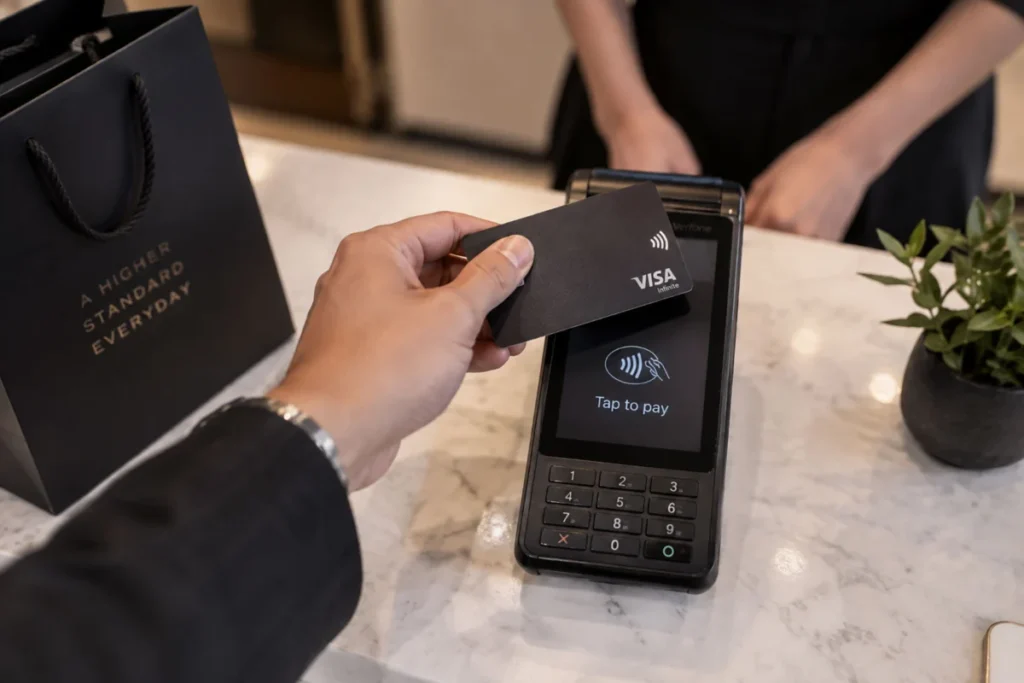
In the contemporary retail landscape, the shift away from physical currency is no longer merely a trend—it is a fundamental restructuring of the consumer experience. As businesses pivot toward digital-first infrastructures, the transition to cashless payment systems is providing retailers with unprecedented opportunities to optimize efficiency, enhance security, and elevate customer satisfaction. However, this transition is not a "plug-and-play" endeavor; it requires a meticulous alignment of technology, human resources, and operational accounting.
The Evolution of the Checkout: Main Facts and Drivers
The move toward cashless transactions is driven by the demand for "frictionless" retail. By eliminating the manual counting of coins and notes, businesses can significantly reduce transaction times. Beyond the speed of the register, cashless systems automate the reconciliation process, removing the margin of human error inherent in manual cash handling.
For the modern merchant, the primary objective is to create an ecosystem where payment data flows seamlessly into financial reporting tools. When integrated correctly, these systems act as a catalyst for growth, providing real-time analytics on consumer spending habits and inventory turnover. However, the complexity of implementing these systems—ranging from POS hardware procurement to data security compliance—demands a sophisticated, multi-phase approach.
Chronology of Implementation: A Phased Roadmap
Successfully transitioning a store to a cashless model is a process that unfolds in distinct, logical stages:
- Needs Assessment (Weeks 1–4): Retailers must evaluate their spatial constraints and customer demographics. This phase determines whether a business requires a compact, integrated terminal or a standalone self-service kiosk.
- Infrastructure Procurement (Weeks 5–8): This involves selecting hardware that supports multi-channel payments—credit, debit, e-wallets, and QR codes—and ensuring robust network reliability.
- Staff Onboarding and Technical Training (Weeks 9–10): Before the system goes live, employees must move from "users" to "experts." This includes troubleshooting common network failures and understanding the nuances of digital payment protocols.
- Workflow Synchronization (Week 11): This phase focuses on the "back-end." Accountants and managers must recalibrate their end-of-day procedures to match the settlement timelines of their payment providers.
- Go-Live and Contingency Activation (Week 12 and beyond): The system launches, supported by a pre-planned "Plan B" for potential downtime or connectivity outages.
Supporting Data: Efficiency and Consumer Behavior
The case for cashless adoption is supported by emerging retail analytics. Studies consistently show that customers are more likely to complete a purchase when they have access to their preferred payment method. When a store limits itself to cash, it effectively caps its conversion rate.
Furthermore, the operational overhead saved by digital integration is measurable. A retail outlet that spends two hours a day on manual cash reconciliation can reduce this to minutes through automated digital reporting. This time shift allows staff to pivot from administrative tasks to high-value customer interactions, such as product consulting and relationship building. The result is a dual benefit: lower operational costs and higher customer loyalty.
Choosing the Right System: Matching Technology to Store Dynamics
A common pitfall in retail modernization is the "one-size-fits-all" mentality. Retailers must carefully evaluate their specific footprint before investing in hardware:
- The Compact POS Terminal: Ideal for boutique stores or high-end retail spaces where counter real estate is at a premium. These devices, often sleek and wireless, maintain a minimalist aesthetic while providing powerful transaction tracking.
- Self-Service Kiosks: Best suited for high-traffic environments like fast-casual dining or convenience stores. By empowering the customer to manage their own checkout, the business reduces the burden on frontline staff during peak hours.
- Scan-to-Pay Solutions: A low-entry-cost option for smaller retailers. This leverages the ubiquity of smartphones, allowing merchants to accept digital payments without purchasing expensive, bulky hardware.
The Human Element: Training for Resilience
Advanced technology is only as effective as the person operating it. A system failure at the register is not just a technical issue; it is a point of friction that can lead to lost sales and frustrated customers.
Training programs must go beyond basic operation. They should include:
- Scenario-Based Simulation: Staff should be drilled on what to do when a card is declined or when a QR code fails to scan.
- Technical Troubleshooting: Simple fixes, such as refreshing a connection or restarting a terminal, should be standard knowledge for every floor staff member.
- Crisis Management: Staff must be trained in the "soft skills" of communication during a tech outage, ensuring that the customer feels supported rather than inconvenienced while the store navigates the disruption.
Financial Integrity: Updating Workflows and Reconciliation
The transition to digital payments requires a complete overhaul of end-of-day financial reporting. When money is digital, the "deposit" is no longer a physical trip to the bank; it is a settlement timeline dictated by the payment processor.
Managers must establish clear internal controls. This includes:
- Verification Protocols: Designating a specific individual to cross-reference system-generated sales reports with bank settlement statements.
- Accounting for Fees: Digital payment providers charge processing fees that vary by method. Accounting software must be updated to reflect these net figures to ensure accurate profit and loss statements.
- Discrepancy Audits: In the early stages of adoption, daily audits are essential to identify if there are gaps between "sales made" and "funds received," particularly when dealing with pending transactions.
Official Perspective: Navigating Infrastructure Realities
While the benefits are clear, the reality of the digital infrastructure—particularly in developing markets—cannot be ignored. Industry experts emphasize the necessity of a robust contingency plan.
"Digital payments are a privilege of connectivity," notes one retail consultant. "For a business, a lost connection is a closed door. Therefore, a modern retailer must treat internet connectivity as a utility as essential as electricity."
To mitigate these risks, businesses should:
- Maintain Redundant Connections: Use a secondary, distinct internet provider (e.g., a cellular-based backup for a fiber-optic primary).
- Offline Capture: Ensure the POS software supports "offline mode," allowing transactions to be processed locally and synced once the connection is restored.
- Alternative Payment Arrangements: Have a clear policy for when technology fails, ensuring the customer experience remains dignified even when the digital system does not.
Implications for Long-Term Growth
The shift to a cashless model is more than a convenience; it is a prerequisite for scaling in the 21st-century economy. By digitizing the payment process, a business gains a clean, actionable data trail. This data, once analyzed, provides insights into peak shopping times, high-performing product lines, and customer loyalty patterns.
Furthermore, a business that embraces digital payment creates a "future-proof" foundation. As e-wallets, biometric payments, and other financial technologies continue to evolve, a store with an existing digital infrastructure is better positioned to integrate these innovations than one relying on legacy cash handling.
Conclusion: Getting Cashless Right
The transition to a cashless retail environment is a journey that balances innovation with operational stability. By choosing the right hardware, investing in staff capability, and building a rigorous framework for financial oversight, retailers can transform their checkout process from a simple transaction point into a cornerstone of operational efficiency.
While the challenges of technical downtime and workflow adjustment are real, the long-term rewards—streamlined accounting, improved customer throughput, and better data insights—make the investment a vital step for any retailer looking to thrive in an increasingly digital world. The future of retail is not just about selling goods; it is about providing a seamless, reliable, and modern experience from the moment a customer walks through the door until the final payment is cleared.