London, UK – [Insert Date] – For centuries, humanity has been captivated by the dazzling array of colours found within the Earth’s embrace. From the fiery passion of a ruby to the serene depths of a sapphire, the allure of gemstones is inextricably linked to their chromatic brilliance. Yet, beyond mere aesthetics lies a complex interplay of light, atomic structure, and geological phenomena that dictates not only a gem’s hue but also its rarity and value. Gem-A Gemmology Tutor Pat Daly delves into the nuanced world of gemstone colour, exploring the scientific underpinnings and the historical appreciation that elevates certain shades to the pinnacle of desirability.
The Genesis of Hue: How Gemstones Capture Light
The vibrant colours we perceive in gemstones are not inherent properties but rather the result of how these minerals interact with white light. White light, a composite of all colours in the visible spectrum, strikes a gemstone and undergoes selective absorption. Electrons within the gemstone’s atomic structure absorb specific wavelengths of light, allowing others to be transmitted or reflected. It is this transmitted or reflected light that our eyes perceive as colour.
"Our perception of colour is fundamentally dependent on the modification of white light by a gemstone, and critically, on an eye capable of interpreting the resulting light," explains Daly. "While individual colour perception can vary, there’s a broad consensus within the gem world about which colours are most sought after."
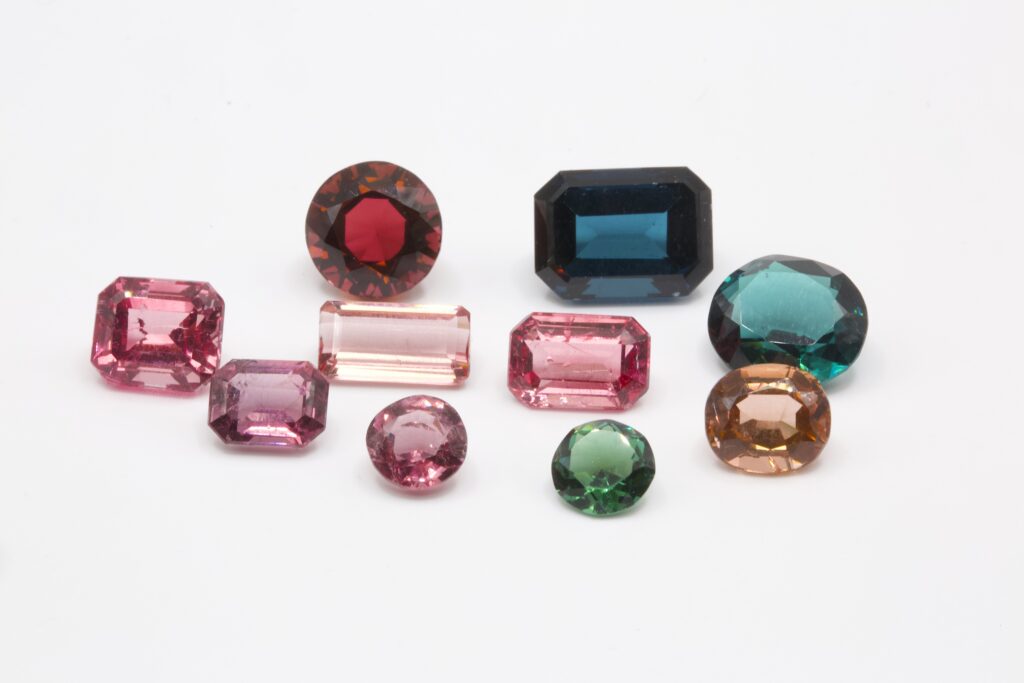
This selective absorption is responsible for the characteristic body colours of many gemstones. The deep red of a ruby, for instance, arises from the absorption of green and blue light, allowing predominantly red wavelengths to reach our eyes. Similarly, the verdant green of an emerald is a result of the selective absorption of red and blue light.
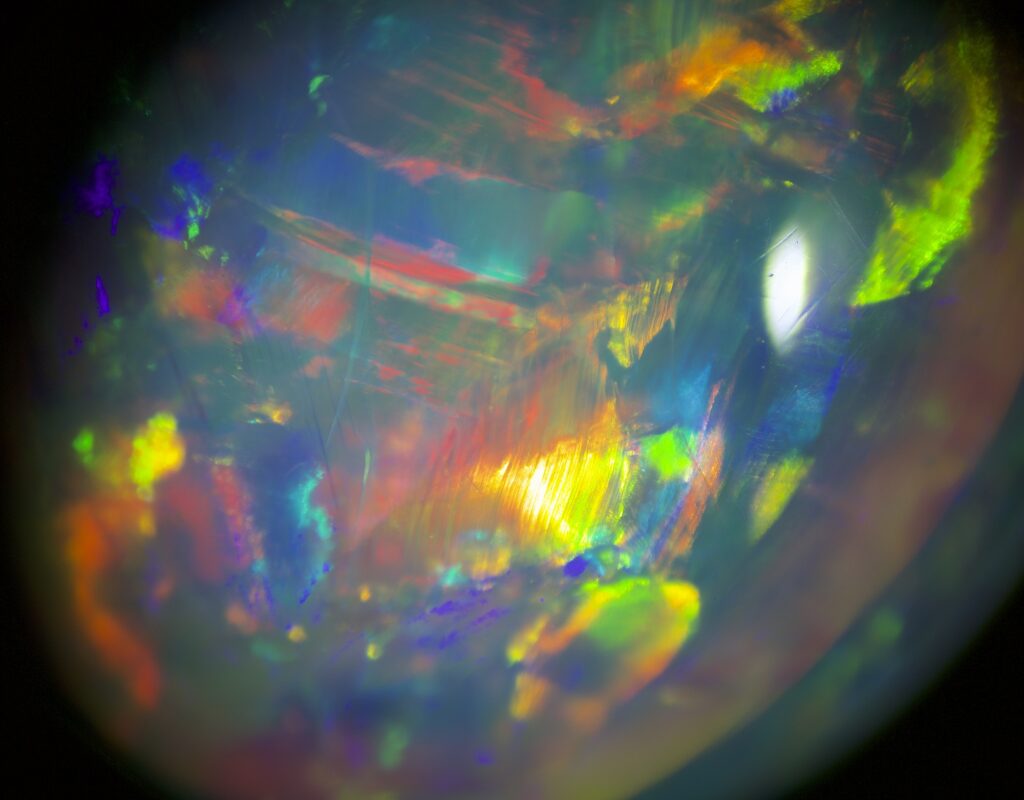
However, colour in gemstones is not always a product of atomic absorption. In some cases, structural phenomena create dazzling displays. Labradorite, for instance, exhibits its striking iridescence due to thin layers of one material within another, reflecting light in a way that creates a spectral dance. Opal, with its mesmerizing play-of-colour, owes its beauty to nanometre-scale regular structures that diffract light, producing a rainbow of hues.
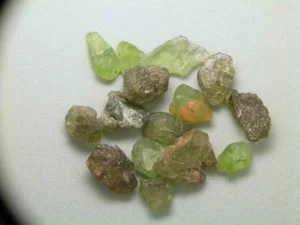
Beyond these direct interactions with light, transparency and translucency play a crucial role in enhancing a gemstone’s colour. A well-cut, transparent gem allows light to penetrate deeply, reflecting and refracting it to create a sense of depth and brilliance that a more opaque stone might lack. Some gem species, like corundum (which encompasses rubies and sapphires), beryl (including emeralds and aquamarines), and tourmaline, are known for their ability to display a wide spectrum of colours. Others, however, are celebrated for their singular hues, such as the vibrant orange of spessartine garnets, the distinct green of peridot, or the alluring blue of iolite. While a particular hue might appear in various gem types, the most desirable shades often remain specific to certain mineral families.
The Pinnacle of Perfection: Prized Colours and Their Origins
Certain colours, due to their rarity, the specific geological conditions under which they form, or unique optical phenomena, command exceptional value and admiration.
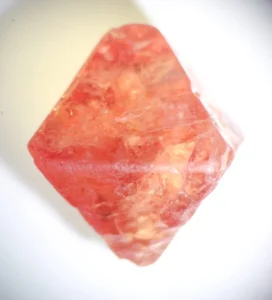
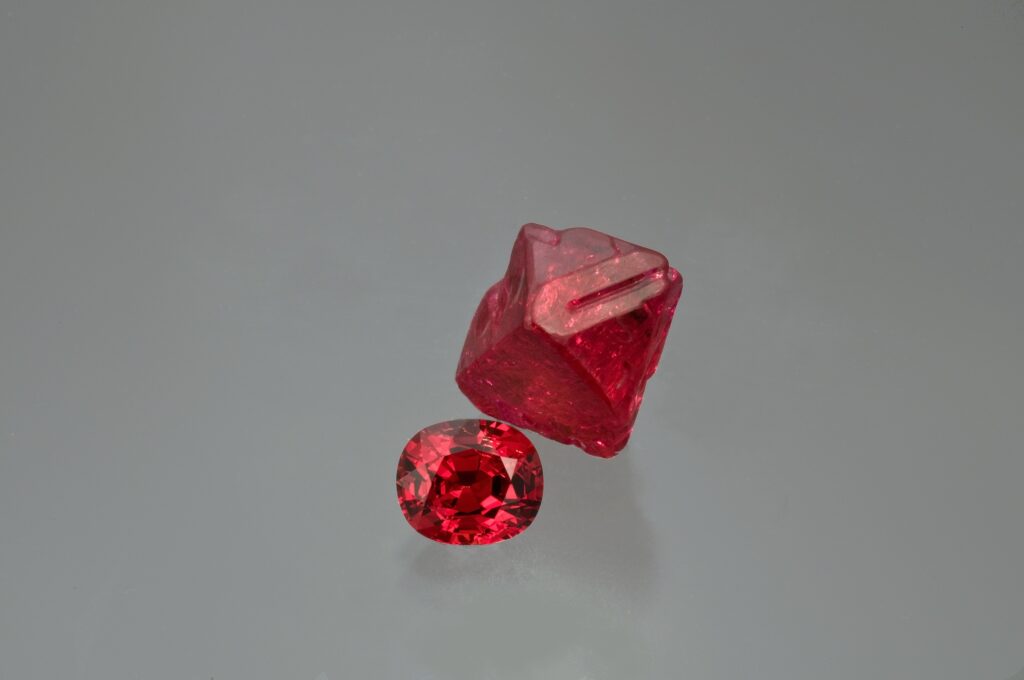
The Fiery Embrace of Red: The most coveted reds in the gem world are found in fine rubies and red spinels. Their intense brilliance goes beyond mere selective absorption; it is amplified by fluorescence. This phenomenon occurs when the gemstone absorbs ultraviolet light from daylight, and even violet and blue light, and re-emits it as red light. This "extra contribution" from fluorescence, particularly in the finest specimens, results in an unrivalled, vivid red that captivates the eye.
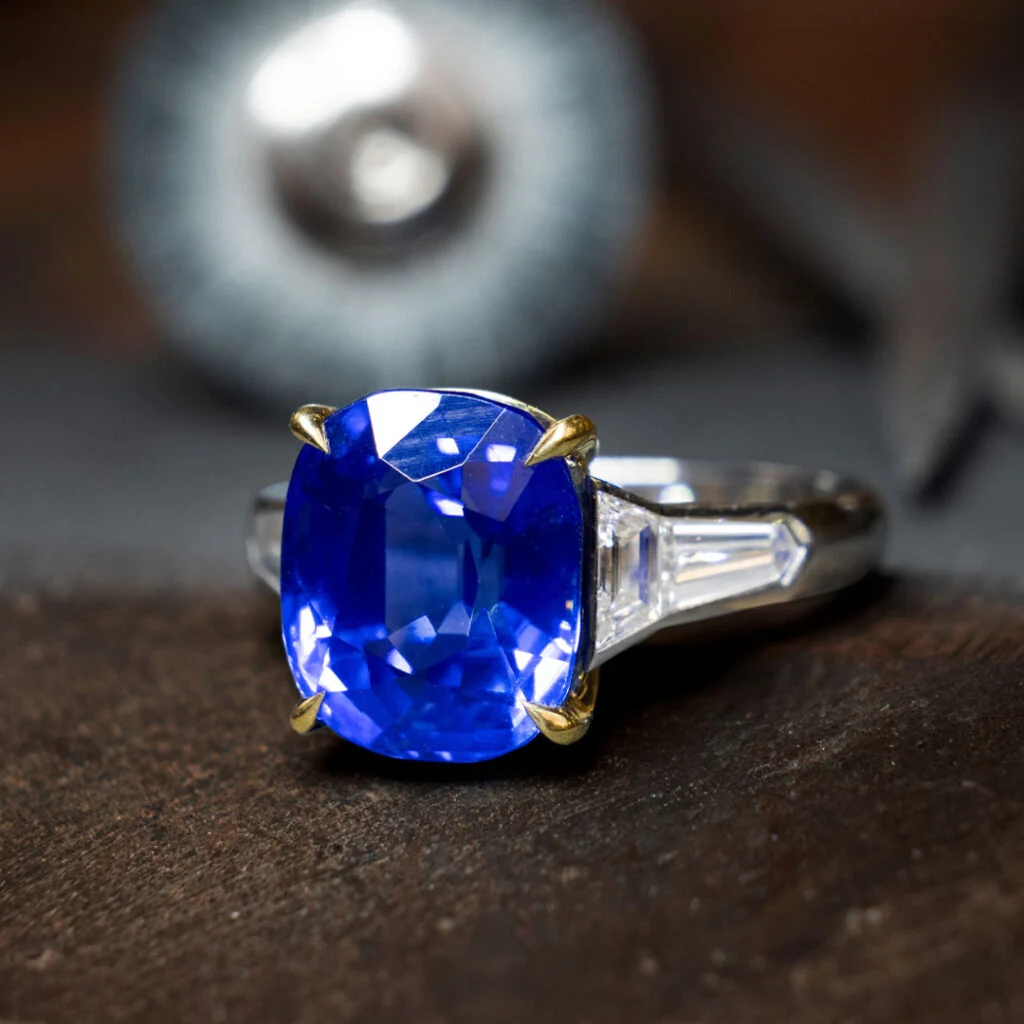
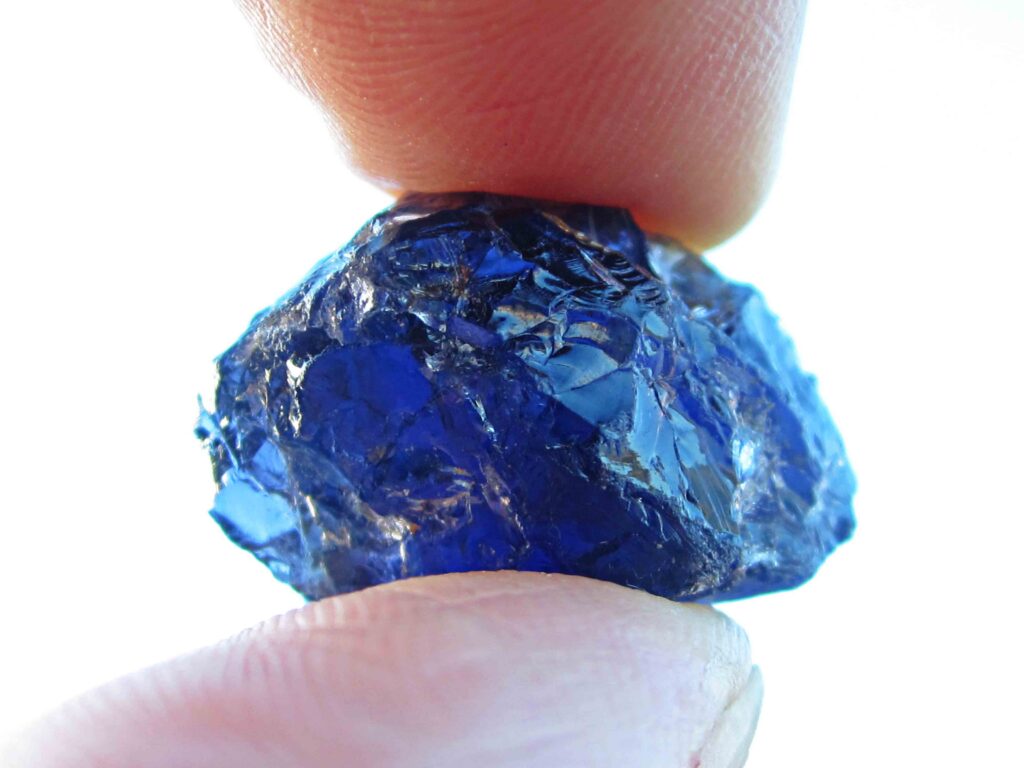
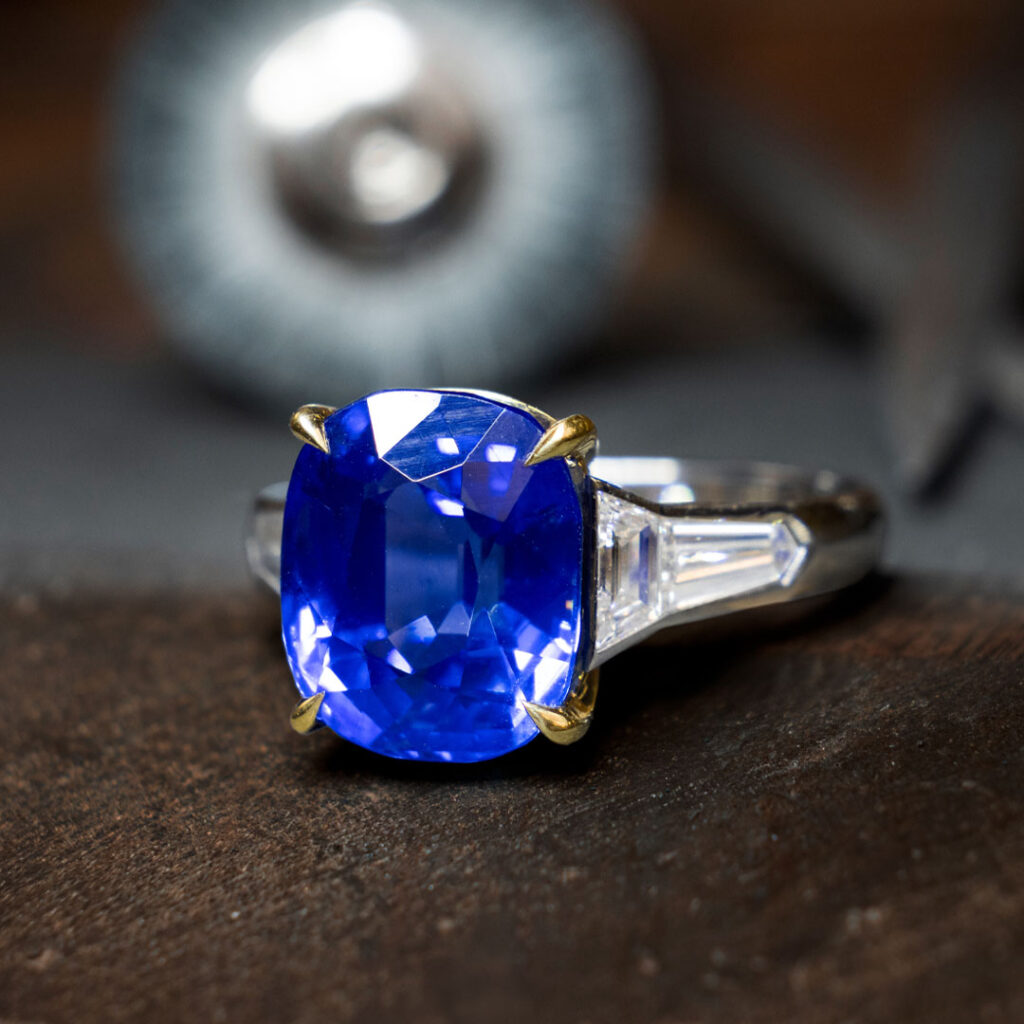
The Allure of Kashmir Sapphire Blue: While sapphires are found in a multitude of colours, the name "Kashmir sapphire" is synonymous with the ultimate blue gemstone. First discovered in the late 19th century in the Himalayas, these sapphires are renowned for their velvety, slightly opaque appearance and their intense, cornflower blue hue. The mines were largely depleted within a decade, making these stones exceedingly rare and highly coveted. Their desirability, coupled with their scarcity, has cemented their status as among the most treasured coloured stones. While sapphires from other locales, particularly Madagascar, can rival Kashmir stones in colour, the finest from Kashmir remain the benchmark for blue sapphire perfection.
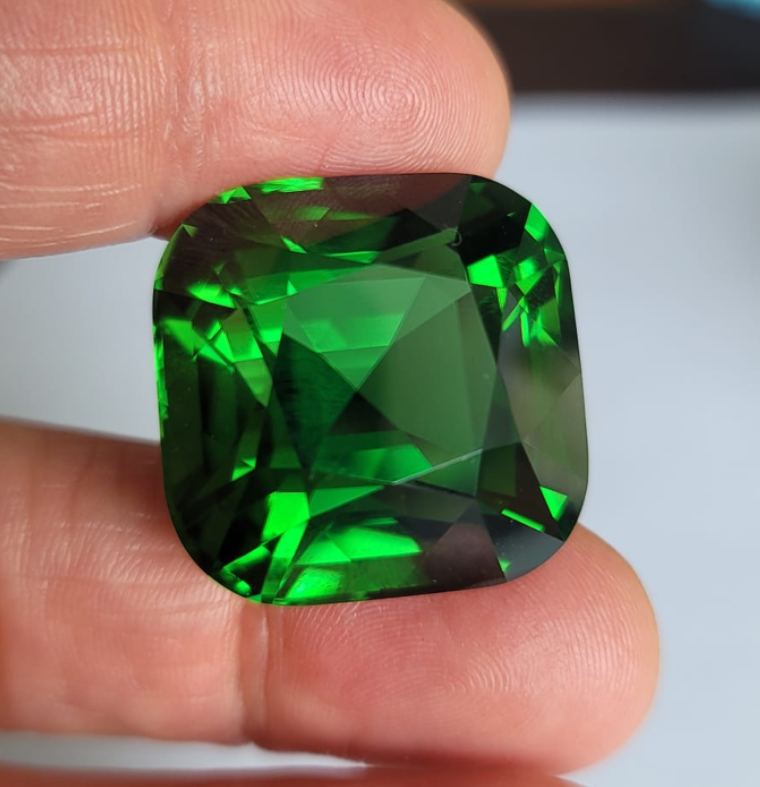
Chromium’s Colourful Canvas: The element chromium plays a pivotal role in imparting colour to several precious gems. In rubies and spinels, as little as one to two percent of chromium replacing aluminium atoms is responsible for their vibrant red. However, chromium is a versatile element and can also produce brilliant green hues. This is evident in tourmalines and demantoid garnets, where chromium imbues them with a rich, verdant colour.
Two gemstones stand out for their prized bright green, coloured by chromium: emerald and jadeite. Emeralds, a variety of beryl, are famed for their deep, rich green, a colour that has been revered for millennia. Similarly, jadeite, a form of jade, also boasts a desirable, intense green. Both fine emeralds and jadeite are rare and command exceptionally high prices.
Chromium also contributes to a more dynamic colour phenomenon: alexandrite’s celebrated colour change. This unique variety of chrysoberyl exhibits a remarkable transformation, appearing red in incandescent light and green in daylight. While neither colour may match the intensity of ruby or emerald individually, the captivating colour-shifting ability of alexandrite has fascinated collectors and jewellers since its discovery.
Beyond the Ordinary: Rare and Remarkable Colour Phenomena
The world of gemstone colour extends beyond simple absorption and fluorescence, encompassing rarer and more intriguing optical effects.
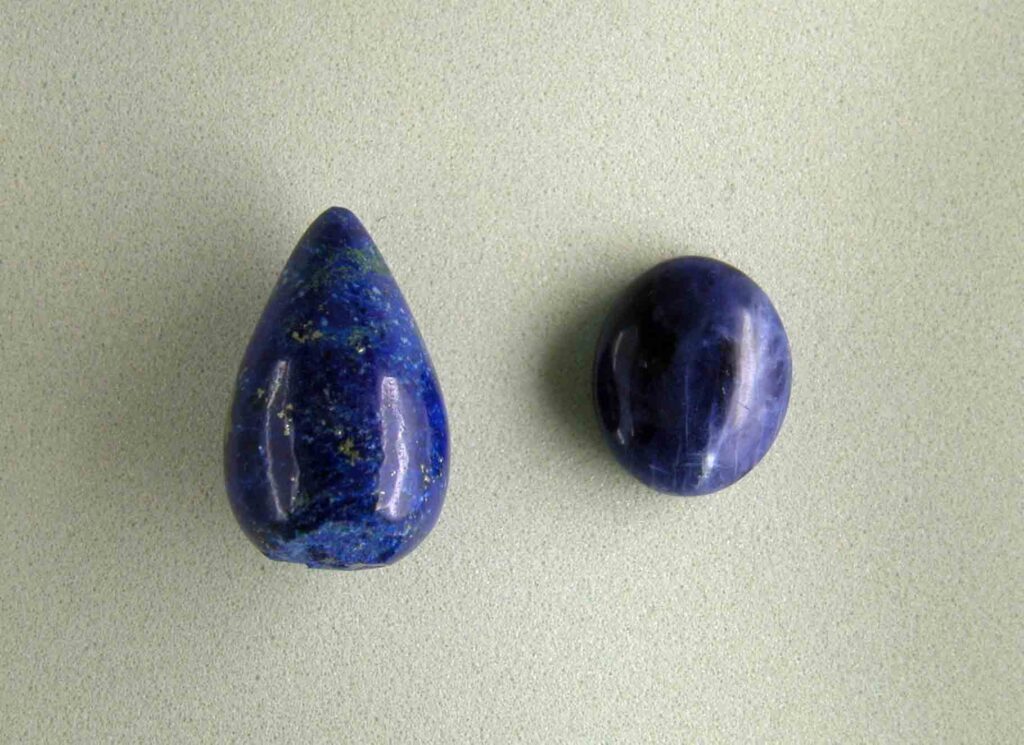
Tenebrescence: The Light-Reactive Gem: Tenebrescence is a rare optical phenomenon where a gemstone changes or intensifies its colour upon exposure to ultraviolet (UV) light. The most dramatic example of this effect is seen in hackmanite, a variety of sodalite. Hackmanite can shift from a pale pinkish hue to a deep, rich purple when exposed to UV radiation. Interestingly, light can cause this colour to fade, while UV light darkens it. The most remarkable specimens of hackmanite can be observed darkening as they are held in sunlight, a captivating display of their light-reactive properties.
The Absence and Abundance of Colour in Diamonds: Diamonds are globally celebrated for their exceptional hardness and brilliance, and traditionally, their desirability has been linked to the absence of colour – the "whiter" the diamond, the more prized it is. However, the diamond spectrum is far richer than this perception suggests. Diamonds can, in fact, occur in virtually any colour, though fine examples of coloured diamonds are exceedingly rare.
Vibrant yellow, green, blue, and pink diamonds are scarce and highly sought after. The rarest and most valuable colours, however, are red and purple. These hues are so infrequent that they rarely appear in the jewellery trade. This year, a remarkable 1.52-carat red diamond, known as the Argyle Phoenix, fetched an astounding $4.2 million at auction, underscoring the extraordinary value placed on these chromatic rarities.
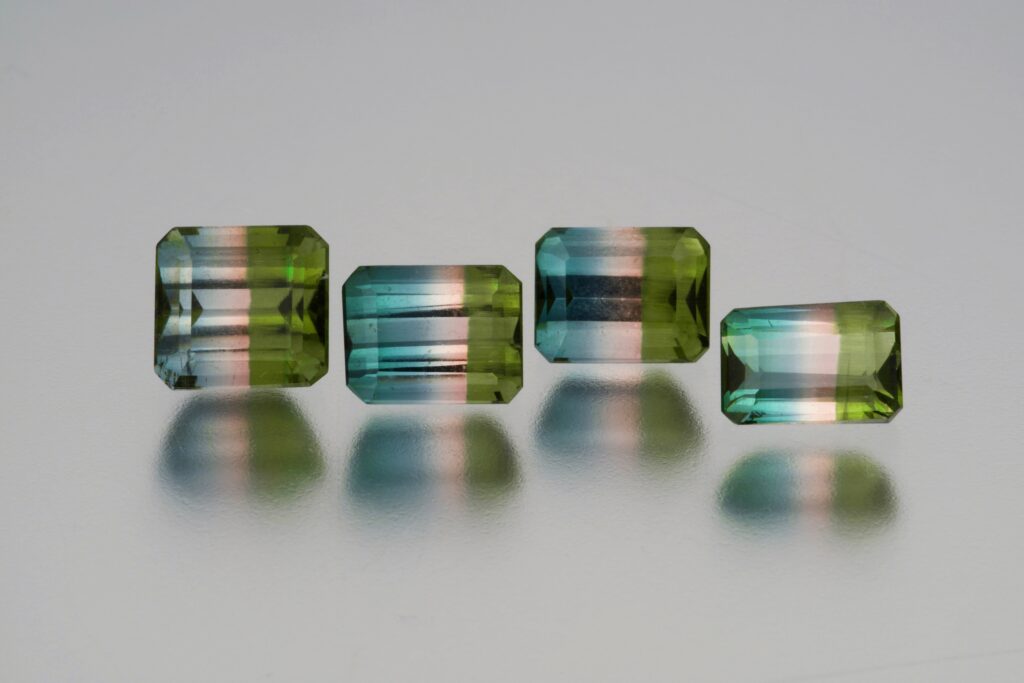
Tourmaline’s Kaleidoscope: In stark contrast to the traditional pursuit of colourless diamonds, tourmaline is celebrated for its astonishingly diverse colour palette. This gem species offers a breathtaking array of hues, often appearing in striking combinations within a single stone. Parti-coloured tourmalines, where a single gem exhibits distinct zones of different colours, such as green and pink, are particularly fascinating and highly prized for their natural artistry.
The tourmaline family experienced a surge in popularity in the late 1980s with the discovery of copper-bearing specimens in the state of Paraíba, Brazil. These intensely vibrant green and blue stones, christened Paraíba tourmalines, captivated the jewellery world and saw their value skyrocket. While similar tourmalines have since been found in neighbouring regions and in Nigeria and Mozambique, they all fall under the classification of Paraíba tourmalines, remaining rare and valuable.
Opal’s Play of Light: Opals, while often having a body colour ranging from white to black, are famed for their unique "play-of-colour." This phenomenon is not due to selective absorption but rather the diffraction of light by the microscopic, regularly arranged spheres of silica that form the opal’s structure. The size and arrangement of these spheres determine the colours and patterns that shimmer across the gemstone’s surface, creating an almost endless variety of vibrant, rainbow-like displays.
Factors Beyond Colour: Value, Rarity, and Durability
While colour is a primary driver of a gemstone’s appeal and value, other factors are equally crucial. The intrinsic properties of a gemstone – its hardness, toughness, and clarity – significantly influence its desirability and suitability for jewellery. Opal, for example, stands apart due to its unique optical properties, but its relative softness makes it more susceptible to damage compared to harder gems like diamonds or sapphires.
The most desirable gemstones are often those that combine exceptional colour with these other desirable physical attributes. The rarest colours are typically the most vivid and saturated ones found in the highest quality specimens. For instance, while blue sapphires are abundant, those that possess the intense, velvety blue characteristic of Kashmir sapphires are exceptionally rare and valuable. This principle applies across the spectrum of colours and gem species.
However, the pursuit of beauty is not solely confined to the most expensive and rarest gems. A vast array of beautiful and desirable gemstones are available at more accessible price points. These stones, while perhaps not reaching the pinnacle of colour saturation or clarity, can be significantly enhanced by skilled lapidary work and thoughtfully designed jewellery settings.
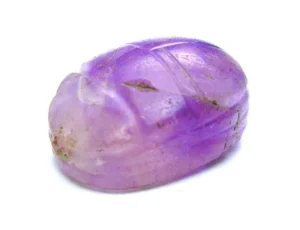
Examples of such gems include the rich purple of amethyst, the striking blue of kyanite, which can mimic the colour of sapphire, and the blue-to-green apatites, which bear a compelling resemblance to the coveted Paraíba tourmalines. These and many other varieties offer a wealth of chromatic options for jewellers and consumers alike.
Ultimately, the allure of gemstone colour is a multifaceted phenomenon, blending scientific understanding with a deep-seated human appreciation for beauty and rarity. From the atomic dance of electrons to the structural magic of light diffraction, the creation of colour within these natural treasures is a testament to the Earth’s artistry. While the pursuit of the rarest and most vivid hues continues to drive the high-end market, the wider availability of beautiful and well-fashioned gemstones ensures that the spectrum of desire remains accessible to all who are captivated by the vibrant world of coloured stones.
[End of Article]