Published on August 25, 2026
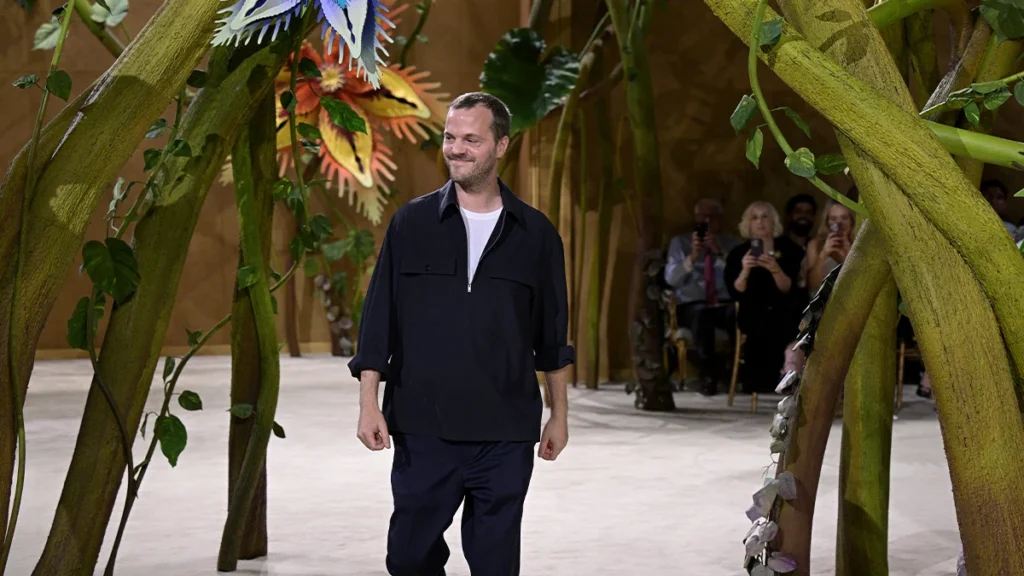
In the high-stakes world of luxury fashion, the secondary market has long served as a bellwether for cultural relevance. According to the 2026 Resale Report published by The RealReal, the landscape of prestige consumption is undergoing a seismic shift. Chanel has officially reclaimed its throne as the most-searched brand on the platform, a victory driven not merely by the house’s storied heritage, but by the transformative creative direction of Matthieu Blazy.
Since his arrival at the French maison in late 2024, Blazy has ignited a level of consumer fervor rarely seen in the modern era. The data is staggering: search queries for the creative director himself have surged by an unprecedented 10,967 percent over the past twelve months. This phenomenon underscores a broader industry truth—the "Creative Director Effect" is currently the most potent engine driving luxury demand.
The Architect of Desire: The Matthieu Blazy Effect
When a brand appoints a new visionary, the ripple effects are felt instantly on the resale market. While the heritage of a house provides the foundation, the current architect of its aesthetic dictates the velocity of its trade.
Matthieu Blazy’s tenure at Chanel has been characterized by a masterful balance of archival respect and contemporary subversion. His collections have not only captivated runway critics but have also sent secondary market enthusiasts into a frenzy. Collectors are no longer just seeking out classic flap bags; they are hunting for the specific silhouettes, textures, and tailoring that define the "Blazy Era."
This trend is not isolated to Chanel. The industry is witnessing a "musical chairs" of creative leadership that has directly impacted the resale ecosystem. Sarah Burton’s influence at Givenchy has translated into a 243 percent increase in brand interest, while Jonathan Anderson’s stewardship of Dior has catalyzed a 158 percent uptick in demand. These figures confirm that in 2026, the designer is the primary commodity, and the secondary market is the ultimate courtroom for their success.

A Hierarchy of Demand: The Top 10 Most Searched Brands
The 2026 Resale Report provides a definitive ranking of the brands that currently occupy the collective consciousness of luxury consumers. Following the industry-leading Chanel, the top five is rounded out by established titans and rising stars:
- Chanel
- Louis Vuitton
- Prada
- Gucci
- Miu Miu
The second tier of the top ten reflects a sophisticated, eclectic taste among shoppers, featuring The Row, Hermès, Saint Laurent, Bottega Veneta, and Balenciaga. This list highlights a shift away from singular logo-mania toward brands that prioritize "quiet luxury," architectural rigor, and artisanal craftsmanship. Miu Miu’s inclusion, in particular, signals a continued obsession with the youthful, trend-forward aesthetic that has dominated the last few years of global fashion discourse.
The Vintage Renaissance: A 432% Surge
Beyond individual brands, the most compelling narrative in the 2026 report is the explosive growth of the "vintage" category. The RealReal defines vintage as items that are 15 or more years old, and demand for these pieces has skyrocketed by 432 percent since 2020.
This is more than just nostalgia; it is a strategic investment in longevity. Consumers are increasingly disillusioned by the ephemeral nature of "fast luxury" and are pivoting toward items with proven durability and historical weight. A prime example of this value appreciation can be found in the historical performance of iconic handbags. Fendi’s Baguette, once a staple of the early 2000s, has seen its average resale price climb from $294 in 2016 to a staggering $3,012 in 2026. Similarly, the Gucci Jackie has evolved from a $260 accessory into a highly coveted asset worth upwards of $1,110.
Design trends are also playing a significant role in this surge. The recent resurgence of Belle Époque aesthetics—characterized by drop-waists, intricate lace, and rich, layered textures—has sent shoppers digging through the archives. Blazy and Anderson have been instrumental in popularizing these historical silhouettes, effectively creating a feedback loop where current runway trends drive the demand for 20-year-old originals.
The Conscious Consumer: Economics of the Resale Market
The 2026 data indicates that the "resale-first" mindset has become a permanent fixture of the modern consumer’s psyche. A remarkable 93 percent of American luxury shoppers now utilize online resale platforms, not merely as a place to find bargains, but as a primary destination for discovery.

Perhaps most tellingly, the decision-making process has become hyper-analytical. Nearly half (47 percent) of the survey respondents admitted that they consider the potential resale value of an item before making a purchase. This indicates that luxury goods are increasingly being viewed as alternative assets rather than just wardrobe staples.
This "savvy shopping" behavior is well-founded. Hermès Birkin bags, the gold standard of the resale market, have appreciated by 92 percent over the last decade. When consumers weigh the cost of a luxury purchase, they are now factoring in a "liquidity premium"—the ease with which they can eventually resell the item and recover, or even profit from, their initial expenditure.
Implications for the Future of Luxury
What does this mean for the future of the industry? Several key implications emerge from the 2026 report:
- The Convergence of Primary and Secondary: Brands can no longer afford to view the resale market as a threat. Instead, they must integrate their primary strategies with the secondary market’s data. Understanding what is being searched, traded, and retained allows houses to better manage their inventory and creative output.
- The Primacy of Legacy: The surge in vintage demand proves that the most valuable asset a brand possesses is its history. Houses that lean into their archives—reinterpreting them through the lens of visionary creative directors like Blazy—are the ones capturing the lion’s share of the market.
- The Sustainability Mandate: As consumers become more conscious of the lifecycle of their garments, the resale market acts as a natural buffer against overproduction. The circular economy is no longer a corporate social responsibility talking point; it is a consumer-driven requirement for survival in the luxury sector.
- Data-Driven Creativity: The 10,967 percent increase in searches for Matthieu Blazy suggests that creative directors who maintain a high "cultural signal" are essential. Luxury brands must prioritize leaders who are not only talented designers but also cultural catalysts who can bridge the gap between archival history and the digital, secondary-market-obsessed consumer.
Conclusion: A New Era of Luxury
The 2026 Resale Report serves as a mirror reflecting a more thoughtful, analytical, and history-conscious consumer base. As Chanel, under the stewardship of Matthieu Blazy, leads the charge, the message is clear: luxury is no longer about the acquisition of the new. It is about the curation of the enduring.
The lines between the boutique and the marketplace have blurred. Whether a consumer is buying a brand-new collection or a piece of fashion history, they are participating in a global, highly liquid economy that prizes craftsmanship, vision, and investment potential above all else. In this new era, the most successful brands will be those that respect their past while ruthlessly innovating for the future, acknowledging that their legacy is not just in the stores, but in the hands of the collectors who define their value for years to come.