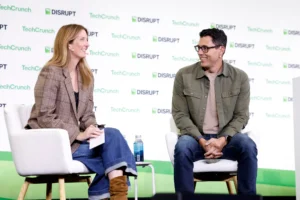
The countdown to the global epicenter of innovation has officially begun. TechCrunch Disrupt 2026 is set to descend upon San Francisco’s Moscone West from October 13–15, bringing together a high-octane mix of more than 10,000 founders, venture capitalists, corporate executives, and industry disruptors. While the main stage sessions and the legendary Startup Battlefield represent the heartbeat of the event, the true narrative of the week is often written in the peripheral gatherings that permeate the Bay Area.
As the industry prepares for this convergence, TechCrunch has issued a final call for its “Side Events” program. This initiative offers organizations, VCs, and community builders the unique opportunity to anchor their own gatherings to the gravity of the Disrupt brand. However, with the application window closing this Friday, September 4, at midnight PT, the race to secure a spot is reaching a fever pitch.
Main Facts: The Power of Peripheral Engagement
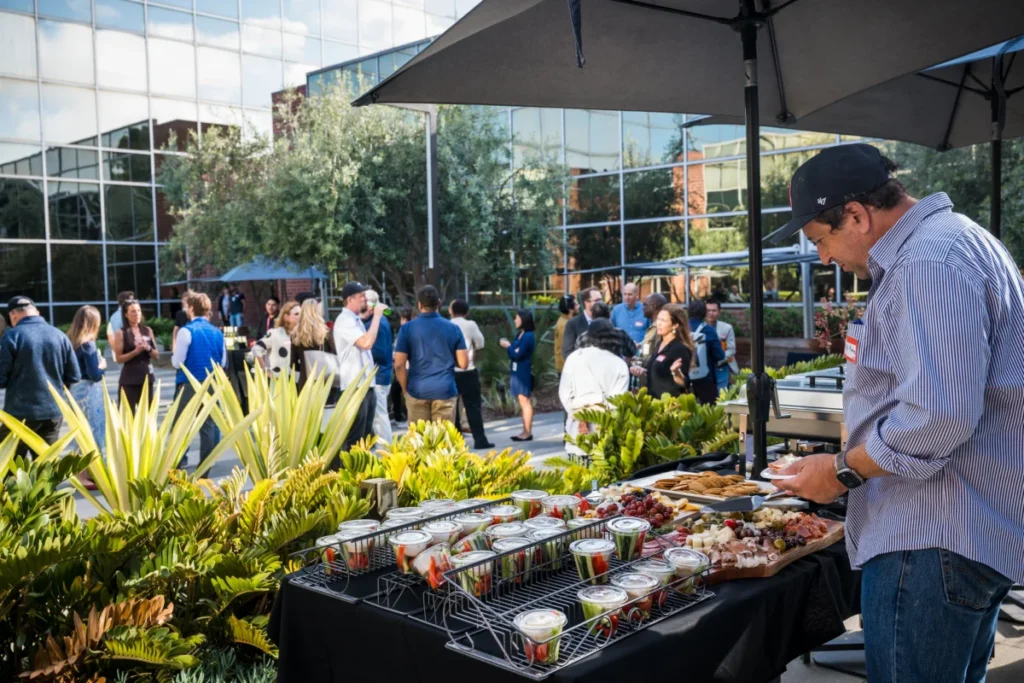
At its core, the TechCrunch Disrupt Side Events program is designed to extend the utility of the conference beyond the walls of Moscone West. Running from October 10 through October 16, these officially recognized gatherings allow organizers to leverage the influx of global talent arriving in San Francisco.
By hosting an approved side event, organizers receive more than just a calendar slot; they gain access to the official Disrupt marketing machinery. This includes placement on the event’s central hub, exposure to tens of thousands of registered attendees, and the cachet of being an integrated part of the industry’s most significant week. The program is specifically designed to facilitate deep-dive networking, specialized workshops, and intimate stakeholder meetings that the fast-paced environment of a major conference floor often precludes.
Chronology: Navigating the Disrupt Week Timeline
The schedule for Disrupt 2026 is strategically curated to maximize impact. Understanding the timeline is critical for any entity hoping to capture the attention of the tech elite:
- The Pre-Event Build-Up (October 10–12): This period is ideal for "warm-up" events, such as investor roundtables or exclusive leadership dinners, aimed at those who arrive early to beat the conference rush.
- The Core Disrupt Days (October 13–15): These are the high-traffic days. Hosting an event during the evening, once the conference floor closes, is widely considered the most effective strategy. As the official programming concludes, the "post-conference energy" peaks, providing a perfect backdrop for organic, high-value conversations.
- The Decompression (October 16): The final day serves as a window for follow-up sessions, casual networking brunches, or specialized debriefs for those remaining in the city.
The critical deadline for all applicants is Friday, September 4. Missing this cutoff means losing the opportunity to be featured in the official promotional materials, effectively isolating an event from the massive, centralized audience traffic directed by TechCrunch.
Supporting Data: The ROI of Community Building
Why invest the effort to host a side event? The data from previous years suggests that attendees at massive conferences like Disrupt often suffer from "content fatigue." While the main stage provides the macro trends, the micro-interactions are where deals are actually struck.
Industry analysts note that nearly 60% of seed-stage investment discussions begin in informal, off-site settings rather than formal exhibition booths. By hosting a side event, an organization moves from being a "vendor" on a crowded floor to a "host" of a premium experience.
Consider the demographics: 10,000+ attendees represent a concentration of purchasing power and capital that is rarely duplicated elsewhere. When a company hosts a targeted workshop or an industry roundtable, they aren’t just broadcasting a message; they are curating a room of qualified leads. The "undivided attention" gained in a smaller, off-site setting is arguably the most valuable currency in the startup ecosystem.
Official Responses and Strategic Guidance
The TechCrunch events team emphasizes that the approval process is not about exclusivity, but rather about value alignment. According to the event organizers, the goal is to curate a calendar that provides genuine substance to the community.
"We prioritize events that provide meaningful value to founders, investors, and the startup community," the team states. "Whether you are a VC looking to spark a debate on the future of AI, or a software company ready to showcase a breakthrough innovation, the format is yours to design."
The team offers several pieces of advice for those looking to maximize their chances of approval:
- Define the Value Proposition: Clearly articulate what the attendees will take away. Is it actionable data? Exclusive access to a thought leader? A unique networking opportunity?
- Open Access: While the events can be intimate, they should be accessible to the broader Disrupt community to ensure a mix of perspectives.
- Strategic Timing: As noted, the evenings of October 13–15 are the "sweet spot" for attendance.
- Logistical Readiness: Before applying, organizers should have a firm grasp of their venue, target audience size, and primary goals.
For those who remain uncertain about their vision, the TechCrunch team maintains an open channel of communication via email ([email protected]), encouraging potential hosts to reach out for guidance on how to best structure their proposal.
Implications: The Future of Conference Participation
The rise of the "Side Event" phenomenon signals a broader shift in the conference industry. Large-scale events are no longer just about the speakers on stage; they are about the ecosystem that forms around the event. This decentralized approach to networking allows for a more personalized experience, where the "official" conference acts as the catalyst, and the "side" events act as the engine for genuine business development.
For the startup founder, this means a crowded calendar of opportunities. For the investor, it means the ability to curate a week of meetings that are highly relevant to their specific investment thesis. For the tech community at large, it represents a transformation of San Francisco into a city-wide campus of innovation.
The implications for brands are clear: if you are present at Disrupt 2026 but not hosting a component of the conversation, you are essentially a spectator in your own industry. By applying to be part of the official Side Events calendar, companies move from the periphery to the center of the narrative.
Final Steps to Participation
As the September 4 deadline looms, the process remains straightforward. Interested parties should visit the official TechCrunch application portal to submit their vision. The application requires a clear articulation of the event’s goals, the target demographic, and the logistical requirements.
There is zero cost to apply or participate, a deliberate decision by TechCrunch to lower the barrier to entry and foster a more vibrant, diverse, and inclusive ecosystem. Whether your vision involves an intimate dinner for ten or a high-energy happy hour for hundreds, the infrastructure is in place to help you amplify your message.
The spirit of Silicon Valley has always been defined by its ability to pivot, innovate, and connect. TechCrunch Disrupt 2026 is the physical manifestation of that spirit. As the city prepares to welcome the next generation of industry leaders, the question for every startup, VC firm, and visionary is simple: Will you be an attendee, or will you be a host of the next big conversation?
The time to decide is now. With the Friday deadline approaching, the window to shape your role in the 2026 Disrupt narrative is closing. Don’t leave your networking to chance—take control of the conversation, align your brand with the industry’s most influential gathering, and ensure that when the dust settles on October 16, your organization is the one that everyone is talking about.