Your home is more than just an asset; it is the primary shelter that guards your family, your memories, and your financial future. At the heart of this protection lies the roof—a complex structural system that often goes unnoticed until the first drip of a leak manifests on a living room ceiling. In an era of increasingly volatile climate patterns, the "set it and forget it" approach to home maintenance is a recipe for fiscal disaster. By adopting a proactive, season-by-season maintenance strategy, homeowners can not only extend the lifespan of their roofing materials but also significantly enhance the energy efficiency and overall safety of their property.
The Imperative of Structural Integrity: Main Facts
A roof is constantly under siege. From the ultraviolet (UV) radiation of the summer sun to the crushing weight of winter snowpacks, roofing materials are subject to perpetual physical stress. Industry experts suggest that the difference between a roof that lasts 20 years and one that reaches its 30-year design potential often boils down to consistent, incremental maintenance.
Ignoring minor indicators of wear—such as granular loss on asphalt shingles, hairline cracks in chimney flashing, or debris accumulation in valleys—is a common oversight that leads to "cascading failure." Once moisture breaches the underlayment, the resulting rot, mold growth, and insulation damage can cost thousands of dollars to remediate. Establishing a rigorous maintenance schedule is not merely a chore; it is an essential investment in property preservation.
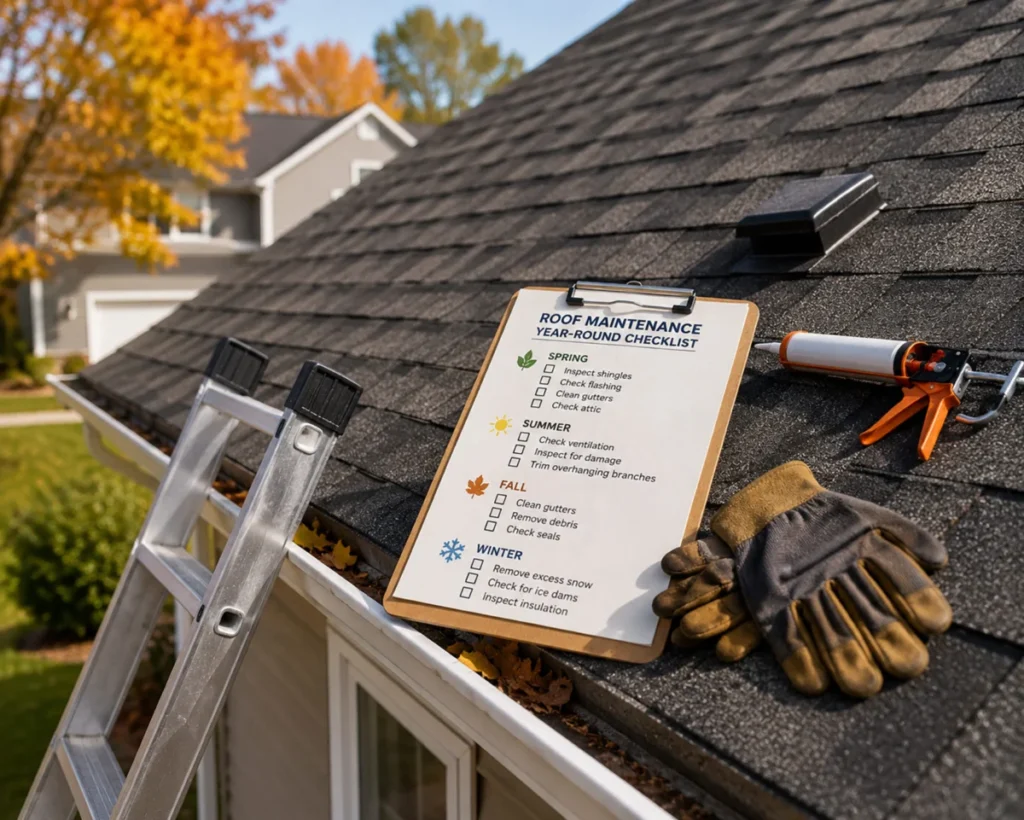
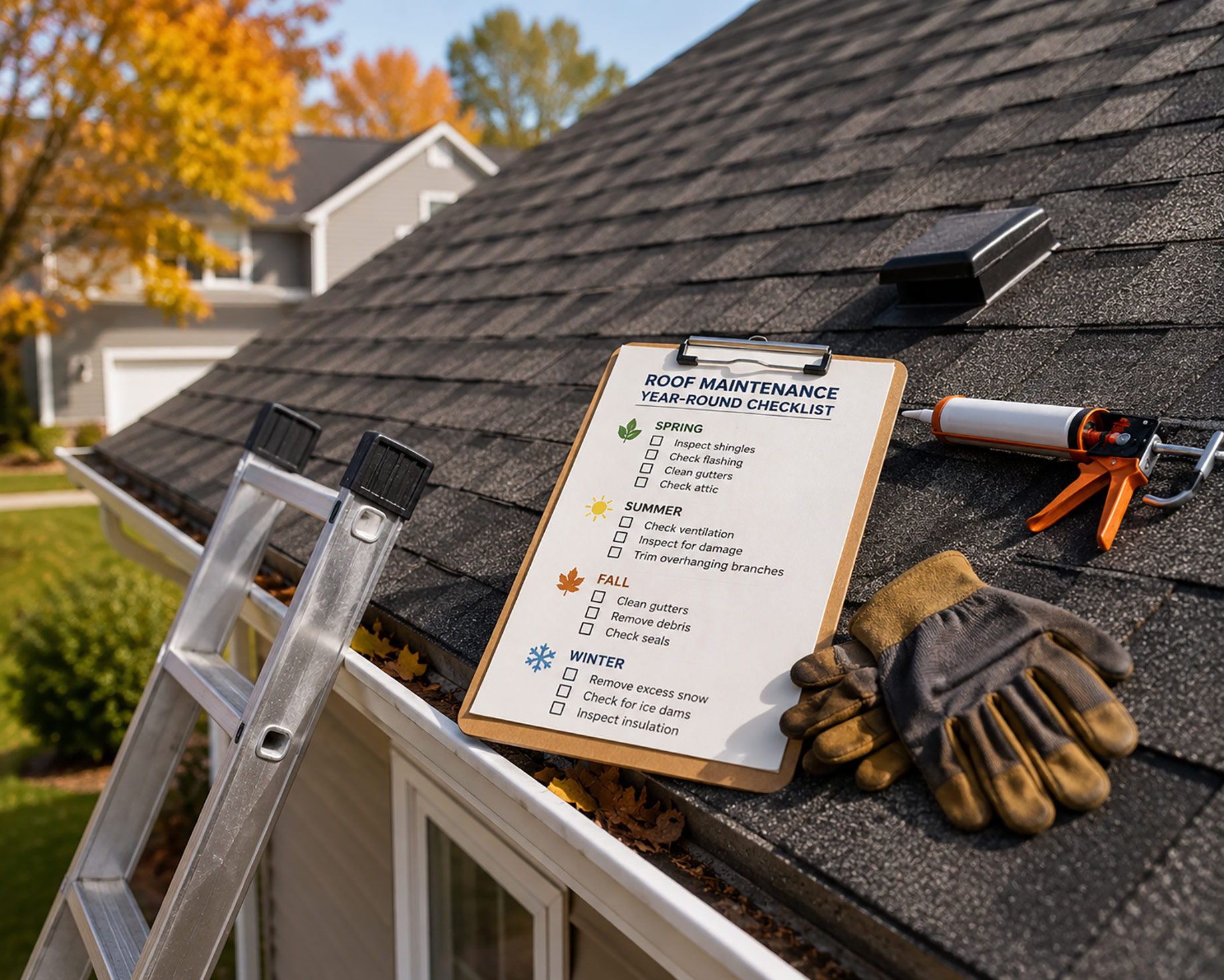
A Chronological Roadmap: Seasonal Roofing Care
The lifecycle of a roof follows the rhythm of the seasons. Each period presents unique environmental stressors that require specific interventions.
Spring: The Inspection Phase
As the frost recedes, spring acts as the critical assessment window. Winter is notoriously harsh on roofing components; the freeze-thaw cycle can cause fasteners to back out, shingles to crack, and flashing to pull away from masonry.
- Ground-Level Assessment: Using high-powered binoculars, perform a perimeter walk. Look for "bald spots" on shingles where granules have worn away, exposing the asphalt base to the sun.
- The Flashing Audit: Check the seals around chimneys, vent pipes, and skylights. These are the most common points of ingress for water.
- Gutter Clearance: Remove the residual debris from the autumn and winter months to ensure that spring rainfall is channeled away from the foundation rather than pooling at the roof’s edge.
Summer: Thermal Defense and Ventilation
Summer presents the challenge of extreme thermal cycling. When temperatures soar, the attic space acts as a heat trap. If ventilation is insufficient, this heat radiates back onto the underside of the roof deck, essentially "baking" the shingles from both directions.
- Ventilation Verification: Ensure soffit vents are free of insulation or debris. Proper attic airflow is the single most effective way to prevent premature shingle curling and blistering.
- Professional Consultation: Mid-summer is the ideal time to engage with specialists, such as those at Black Anchor Roofing, to perform a thermal inspection. Identifying hotspots can help optimize your home’s cooling efficiency, reducing the strain on your HVAC system.
Autumn: The Preparation for Dormancy
Autumn is arguably the most vital maintenance season. The accumulation of fallen leaves and organic matter creates a "sponge" effect in roof valleys and gutters.
- Gutter Sanitation: It is recommended that homeowners clean gutters at least twice during the fall. Blocked gutters lead to water overflow, which can rot fascia boards and cause water to seep behind the siding.
- Caulking and Sealing: Inspect all penetrations. If the caulking around a vent pipe appears brittle or cracked, apply a high-grade exterior sealant immediately. This preventative step is the best insurance against the heavy precipitation of late autumn.
Winter: Snow Management and Ice Dam Prevention
Winter is a test of structural resilience. The primary threat during this time is the formation of ice dams. These occur when heat escapes from the living space into the attic, melting snow on the roof surface. As that water runs down to the colder eaves, it refreezes, creating a ridge that traps further melting snow.
- Strategic Snow Removal: If snowfall is excessive, use a telescoping roof rake to remove snow from the edges of the roof. Crucial Safety Note: Never attempt to climb a ladder during icy conditions. Always perform snow management from the safety of the ground.
- Structural Monitoring: Be vigilant for signs of interior distress, such as sagging rafters or unexplained cracks in drywall, which may indicate that the roof load has exceeded its structural capacity.
Supporting Data and Material Science
Modern roofing materials, particularly asphalt shingles, are engineered to withstand a specific range of environmental conditions. However, data indicates that the "useful life" of these materials is heavily influenced by their environment. According to roofing industry studies, a roof that is shaded by heavy tree cover may face higher rates of moss and algae growth, necessitating more frequent chemical treatments or pressure cleanings. Conversely, homes in high-wind regions face a higher probability of shingle lift.
Energy efficiency also plays a major role. Reflective roofing materials, often referred to as "cool roofs," can reduce surface temperatures by up to 50 degrees Fahrenheit in peak summer. When combined with a robust maintenance plan, these materials can significantly lower the carbon footprint of a home while reducing utility costs.
Official Responses and Industry Best Practices
Professional roofing contractors emphasize that the "DIY" approach has limits. While cleaning gutters and performing visual inspections are well within the capabilities of the average homeowner, structural repairs involving decking, underlayment replacement, or flashing installation require specialized training.
"The most common mistake we see is the delayed repair," notes industry experts. "A homeowner might see a missing shingle and think, ‘I’ll wait until spring.’ By the time spring arrives, the plywood deck underneath is water-logged and compromised. What could have been a $200 patch job becomes a $5,000 deck replacement."
Industry guidelines suggest that a professional inspection should be conducted every three to five years, even if no visible issues exist. These inspections often uncover "hidden" problems, such as improperly installed flashing or poor attic ventilation, which are invisible to the untrained eye but catastrophic in the long run.
Implications: The Long-Term Value of Stewardship
The implications of consistent roof maintenance extend far beyond the immediate avoidance of leaks. A well-maintained roof is a primary factor in the resale value of a property. Prospective buyers and real estate appraisers often look for evidence of routine care—such as records of inspections or gutter cleaning schedules—as a proxy for the overall health of the house.
Furthermore, there is a peace-of-mind component. By systematically securing your shelter, you are mitigating the risk of emergency expenses that could jeopardize your financial stability. You are transitioning from a reactive posture—where you are at the mercy of the elements—to a proactive stance, where you are the master of your home’s environment.
Final Considerations for the Homeowner
As you move forward with your seasonal maintenance plan, keep a dedicated "Roof Log." Document the dates of inspections, the name of any contractors hired, and the specific materials used for repairs. This log serves as a valuable document for insurance claims and home appraisals.
Remember, your roof is the first line of defense against the unpredictability of nature. Whether you are dealing with the blistering heat of mid-July or the biting frost of January, the time you invest in your roof today is the dividends you will collect in the safety and longevity of your home tomorrow. By integrating these practices into your annual routine, you ensure that your home remains a sanctuary for years to come. For further guidance on specific roofing systems or to explore professional maintenance options, consult with local experts and stay informed about the latest advancements in roofing technology.