In the landscape of the mid-2020s, few economic phenomena have triggered as much geopolitical friction and intellectual debate as the relentless expansion of China’s trade surplus. Following a year in which China logged the largest trade surplus in recorded history, the global economic order finds itself at a crossroads. As Chinese exports continue to surge, a fundamental question divides policymakers, central bankers, and academics: Is this an existential threat to the stability of the global manufacturing base, or is it a misunderstood byproduct of a shifting, modernizing economy?
The debate, currently centered on the specter of a "new China shock," has transcended pure economic theory, morphing into a centerpiece of international diplomacy and domestic industrial policy.
Main Facts: A Surplus of Unprecedented Scale
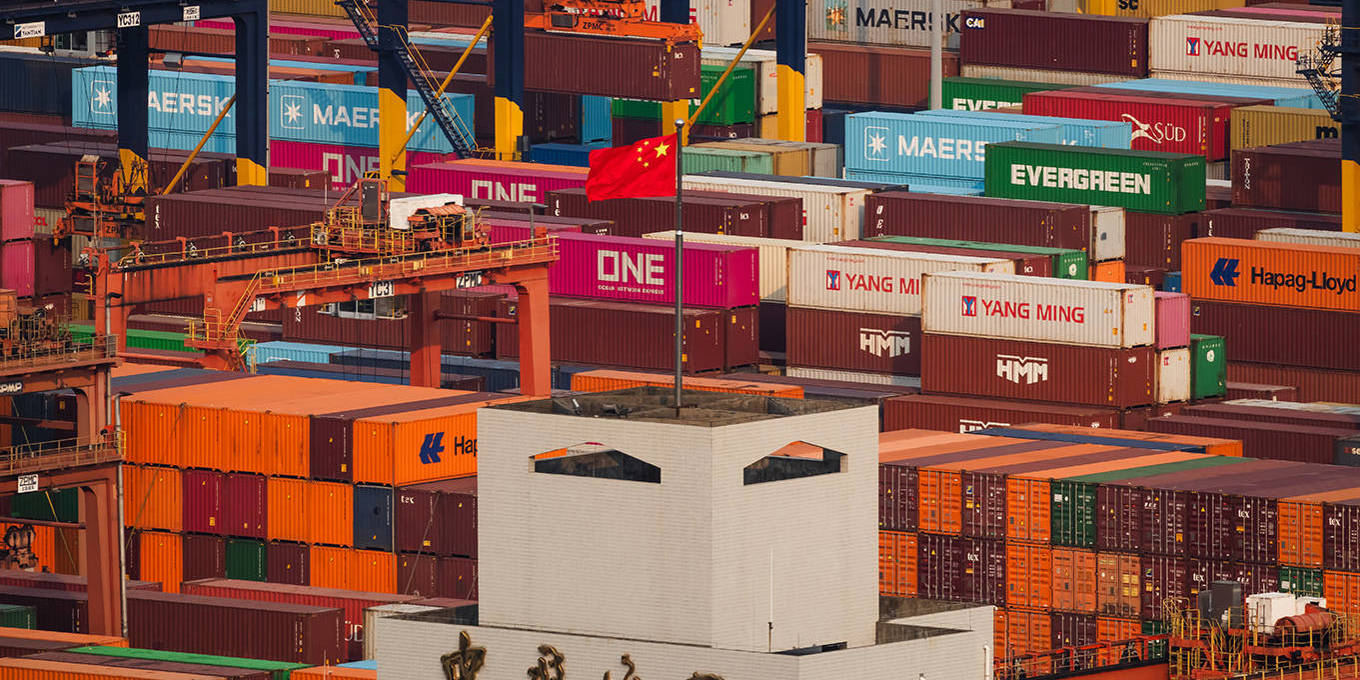
The data released at the start of 2026 confirmed what many observers had long suspected: China’s export engine is operating at an unprecedented intensity. Despite a complex web of tariffs, export controls, and "de-risking" strategies pursued by Western powers, Chinese goods continue to penetrate global markets with remarkable efficiency.
The current situation is characterized by a "triple threat" of structural dynamics:
- Overcapacity in Advanced Sectors: Significant government subsidies have funneled capital into sectors such as electric vehicles (EVs), renewable energy components, and legacy semiconductors, leading to a production capacity that far outstrips domestic demand.
- Deflationary Exporting: To clear excess inventory, Chinese firms are engaging in aggressive pricing, effectively exporting their domestic deflationary pressures to trading partners in Europe, the Americas, and the Global South.
- The Shift in Trade Composition: China is no longer merely an exporter of low-end consumer goods. It has successfully ascended the value chain, competing directly with the high-tech, high-margin industries that serve as the bedrock of the middle classes in developed nations.
Chronology: From Integration to Contention
To understand the current impasse, one must look back at the trajectory of China’s integration into the global market.
- 2001–2010: The WTO Era. China’s accession to the World Trade Organization (WTO) triggered the first "China Shock," characterized by the rapid outsourcing of low-skill manufacturing. This period was largely viewed through the lens of comparative advantage.
- 2015–2019: The Trade War Incubation. Tensions began to simmer as China launched its "Made in China 2025" initiative. The U.S. began implementing significant tariffs under the Trump administration, citing intellectual property theft and unfair state subsidies.
- 2020–2022: Pandemic Disruptions. Supply chain fragilities exposed by COVID-19 led to a pivot in global strategy toward "resilience" and "near-shoring."
- 2023–2025: The Surge. As China’s domestic real estate market cooled significantly, the government pivoted capital toward the "New Three" industries: EVs, lithium-ion batteries, and solar products.
- 2026: The Breaking Point. Record-breaking surplus figures forced the issue to the top of the G7 and G20 agendas, marking a definitive shift toward protectionist consensus in the West.
Supporting Data: By the Numbers
The raw numbers suggest a misalignment that market forces alone cannot reconcile. Recent trade reports indicate that China’s current account surplus has expanded to levels not seen since the pre-2008 era.

- Export Volume: Growth in volume terms has remained consistently in the double digits for key sectors, even as the global economy has faced headwinds of high interest rates.
- Price Disparity: Comparative studies show that Chinese EVs are often priced at 30% to 50% lower than their counterparts in the European Union or the United States, a gap that cannot be explained solely by labor costs or technological innovation.
- Capacity Utilization: Industry surveys within China indicate that capacity utilization in the automotive and green-tech sectors remains significantly lower than historical averages, confirming that a "glut" of production is being directed outward to maintain factory employment levels.
Official Responses: A Fragmented Global Front
The international response to these surpluses has been marked by a lack of unity, creating a complex web of policy responses.
The Protectionist Camp
The United States and, increasingly, the European Union, have adopted a stance of "defensive industrial policy." This includes the imposition of targeted tariffs, anti-dumping investigations, and subsidies for domestic green-tech industries (such as the U.S. Inflation Reduction Act). The argument here is that the global trading system cannot survive if one participant ignores the rules of market-based competition.
The Rebalancing Proponents
Some international bodies, including the IMF, have urged China to shift its economic model from an export-led strategy to a consumption-led one. The logic is that by increasing the purchasing power of its own citizens, China could absorb its own surpluses, thereby easing the pressure on foreign markets.

The Skeptics
A smaller but vocal group of economists argues that "fear of the surplus" is largely political theater. They contend that cheap Chinese imports are a boon to global consumers struggling with inflation and that the transition to green energy would be slower and more expensive without China’s scale of production. In their view, "decoupling" is a recipe for global economic stagnation.
Implications: The Risks of a New Economic Cold War
The implications of this dispute extend far beyond trade balances. We are witnessing the potential end of the era of hyper-globalization and the beginning of a fragmented global trade regime.
1. The End of Global Price Stability
For decades, Chinese manufacturing acted as a global "inflation anchor," providing low-cost goods that kept prices stable. If that flow is interrupted by tariffs and trade barriers, the world may be entering a permanent era of higher prices and supply chain volatility.

2. Geopolitical Alignment of the Global South
Many emerging economies are finding themselves in a difficult position. They value the affordable infrastructure and consumer goods provided by China, but they also fear the hollowing out of their own nascent manufacturing sectors. This is driving a new form of "non-aligned" economic diplomacy, where nations attempt to play both sides of the U.S.-China divide.
3. The Risk of Retaliation
The most immediate danger is the escalation of a "subsidy war." If major economies continue to protect their industries with aggressive trade barriers, the risk of a retaliatory cycle—targeting agriculture, services, or raw materials—becomes a distinct possibility.
Looking Ahead
The debate over Chinese surpluses is essentially a debate over the future of the global order. Does the world want a system based on maximum efficiency, where the lowest-cost producer dictates the terms? Or does it want a system based on economic security, where nations prioritize the health of their domestic manufacturing base over the benefits of cheaper imports?

As the international community grapples with these questions, one thing remains clear: the status quo is unsustainable. Whether through a negotiated rebalancing of the Chinese economy, a structural shift in global supply chains, or a period of protracted trade conflict, the current economic model is being rewritten in real-time. For businesses and governments alike, the primary challenge of the coming decade will not be simply navigating the global market, but navigating the political walls that are being erected within it.
The "China Shock" of the early 2000s changed the world once; the "Surplus Shock" of 2026 promises to reshape it entirely.