By Resource World Editorial Staff
Blue Moon Metals Inc. [MOON-TSXV, BMM-NASDAQ] has reached a critical inflection point in its corporate trajectory. The company officially announced that it has secured all necessary regulatory permits to commence construction at its flagship Springer Tungsten project, located in Nevada. This development marks a significant shift from the acquisition and planning phase to active site development, positioning the company as a key player in the effort to bolster domestic production of critical minerals.
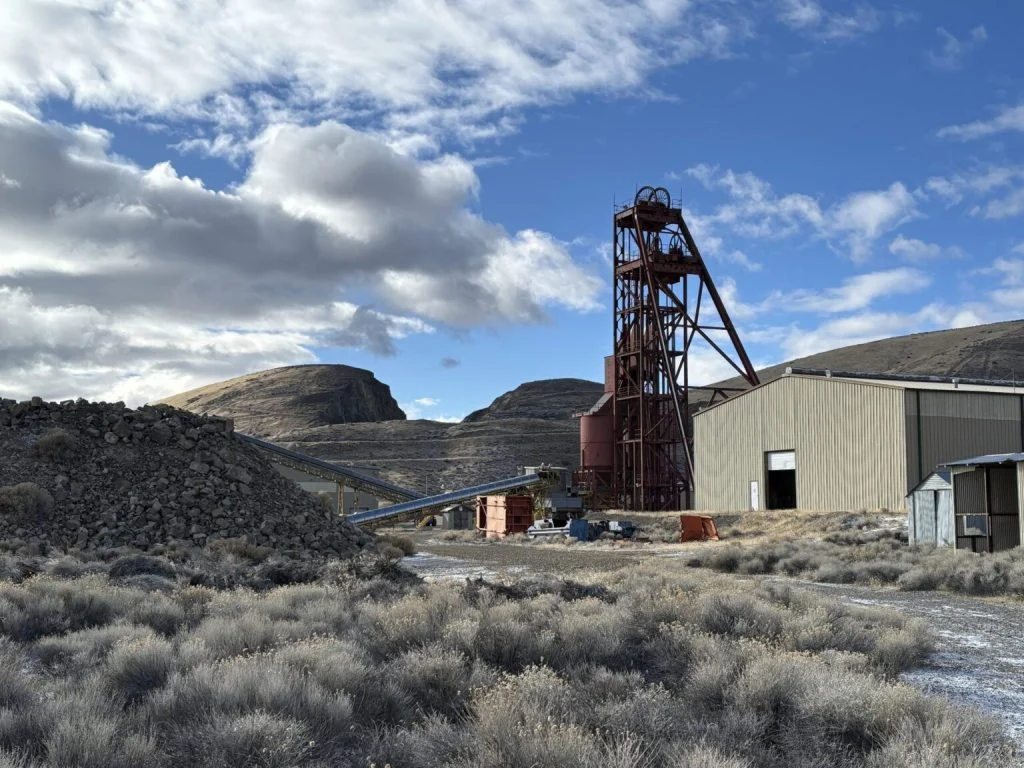
Following the successful transfer of the Water Pollution Control Permit and the Reclamation Permit into the company’s name, and the subsequent approval and posting of the reclamation closure bond, the path is now clear for Blue Moon to begin physical construction. This includes the extensive refurbishment of the existing mill, a centerpiece of the Springer asset package.
Main Facts: The Path to Authorization
The authorization process culminated in a major regulatory milestone on August 18, 2026, when the Nevada Division of Water Resources approved the Notice of Construction for the tailings storage facility. This approval followed a rigorous, independent third-party design review, ensuring that the facility meets the highest safety and environmental standards. The plans and specifications for the tailings dam had previously received approval from the Nevada State Engineer, providing a robust regulatory foundation for the project’s infrastructure.
Blue Moon’s strategy for the Springer project is aggressive, with the company targeting initial production by late 2027. The immediate work program includes:
- Tailings Dam Construction: Engineering and building a compliant, state-of-the-art facility to manage site by-products.
- Mill Refurbishment: Restoring and modernizing the existing mill circuit, which notably includes an Ammonium Paratungstate (APT) circuit—a vital component for producing high-grade tungsten products.
- Site Development: General infrastructure upgrades required to bring a dormant site back into operational status.
Market reaction to the news was positive, with Blue Moon shares gaining 5.05%, or 35 cents, to close at $7.28. The stock has demonstrated significant volatility over the past year, trading within a range of $2.96 to $11.80, reflecting both the speculative nature of junior mining and the high-reward potential of the company’s diverse asset portfolio.
Chronology: From Acquisition to Execution
The journey to this permit milestone has been rapid. Since acquiring the Springer assets in February 2026, Blue Moon has moved with what industry observers describe as exceptional velocity.
- February 2026: Blue Moon Metals completes the acquisition of the Springer tungsten assets, which include fee lands and mineral claims. The acquisition is framed as a strategic move to build a "hub and spoke" critical metals model within the United States.
- March 2026: Expanding its critical minerals footprint, the company closes the acquisition of the Apex germanium-gallium-copper mine in Utah from a subsidiary of Teck Resources Ltd.
- Mid-2026: The company engages in intensive regulatory dialogue, submitting design specifications for the tailings facility and finalizing bond requirements for the Nevada operations.
- August 18, 2026: The Nevada Division of Water Resources grants the Notice of Construction for the tailings storage facility, effectively unlocking the site for full-scale development.
- Late 2027 (Target): The company projects the commencement of initial production, aimed at filling the supply gap for domestic tungsten.
Supporting Data: The Springer Advantage
The Springer project is not a greenfield exploration risk; it is a brownfield, past-producing site with established infrastructure. This distinction is critical for investors, as it significantly reduces the capital expenditure and time-to-market compared to developing a deposit from scratch.
The mill facility is a standout asset. It is equipped with an autoclave and specialized reagent systems capable of producing Ammonium Paratungstate (APT). APT is the primary tradeable form of tungsten, serving as the raw material for everything from cemented carbides used in industrial cutting tools to aerospace alloys and defense technologies. By controlling the processing infrastructure, Blue Moon aims to move beyond being a mere ore producer to becoming a manufacturer of a high-value critical mineral product.
Beyond Springer, Blue Moon maintains a robust portfolio of five brownfield polymetallic projects. These include:
- Nussir Project (Norway): A copper-gold-silver deposit.
- NSG Project (Norway): A copper-zinc-gold-silver asset.
- Blue Moon Project (California): A core zinc-gold-silver-copper asset.
- Apex Mine (Utah): A germanium-gallium-copper producer recently acquired from Teck Resources.
This geographic and commodity diversification hedges the company against localized regulatory shifts or single-commodity price volatility, while keeping the primary focus on the "hub and spoke" strategy.
Official Responses: Building a Critical Minerals Hub
In a statement released to shareholders, management expressed pride in the team’s performance. "Since closing the purchase of Springer in February, our team has worked swiftly and diligently to advance the project," the release noted. "With these permits in hand, we are ready to start construction and on-track for a late 2027 startup, bringing tungsten production back to the United States."
The company emphasized that the project is more than just a mining operation; it is a matter of national interest. "Springer will bring jobs and economic growth to Pershing County, reduce U.S. dependency on tungsten imports, and marks an important step in Blue Moon’s growth as a critical minerals producer," management added.
Regarding the technical path forward, the company is currently finalizing a plan to accelerate confirmatory drilling. This program is designed to convert historical resources—which are substantial—into modern, NI 43-101 compliant resources that will underpin the long-term feasibility and mine life of the Springer operation.
Implications: Strategic Significance in a Geopolitical Context
The resurgence of the Springer mine comes at a time when the United States is increasingly focused on supply chain sovereignty. Tungsten is classified as a critical mineral due to its essential role in defense applications, high-performance electronics, and manufacturing. Currently, the U.S. remains heavily reliant on imports for its tungsten needs, making domestic production a priority for both the private sector and federal policymakers.
1. Supply Chain Resilience
By re-establishing domestic tungsten production, Blue Moon is positioning itself as a vital link in the U.S. industrial supply chain. The ability to produce APT domestically mitigates the risks associated with global logistics disruptions and geopolitical tensions that could threaten the flow of foreign-sourced critical minerals.
2. Economic Development in Nevada
The project is expected to be a significant economic engine for Pershing County. Beyond the direct jobs created during the construction and operation phases, the project will stimulate local service industries and infrastructure development, reinforcing Nevada’s status as a premier mining jurisdiction.
3. Proof of Concept for the "Hub and Spoke" Model
The rapid transition of Springer from acquisition to permitted construction serves as a validation of Blue Moon’s broader corporate strategy. The "hub and spoke" model—utilizing a central processing facility (the hub) to service various satellite projects (the spokes)—is a sophisticated approach to asset management. If successful at Springer, this model could be replicated across their other North American and European assets, creating a streamlined, cost-effective pipeline of critical metal production.
4. Market Implications
For investors, the Springer development marks a transition from "value-based" investment (where the stock is priced on historical resource potential) to "execution-based" investment (where the stock is priced on the ability to hit operational milestones). The upcoming confirmatory drilling program and the physical construction of the tailings dam will be the primary catalysts for share price movement in the coming 12 to 18 months.
Conclusion
Blue Moon Metals Inc. has successfully cleared the regulatory hurdles that often paralyze junior mining companies. By securing the permits for the Springer Tungsten project, the company has effectively de-risked its most significant asset and set a clear timeline for production. With a clear vision, a diversified portfolio of polymetallic assets, and a strategic location in a mining-friendly jurisdiction, Blue Moon is firmly on the path to becoming a meaningful contributor to the U.S. critical minerals landscape.
As the company moves toward its late-2027 production target, the eyes of the mining industry will be on Pershing County, Nevada. If the company maintains its current pace of execution, Springer could well become the flagship success story in the broader effort to re-industrialize the domestic critical mineral supply chain.
Disclaimer: Resource World Magazine Inc. has prepared this editorial for general information purposes only and should not be considered a solicitation to buy or sell securities in the companies discussed herein. The information provided has been derived from sources believed to be reliable but cannot be guaranteed. This editorial does not take into account the reader’s investment criteria, investment expertise, financial condition, or financial goals of individual recipients and other concerns such as jurisdictional and/or legal restrictions that may exist for certain persons. Recipients should rely on their own due diligence and seek their own professional advice before investing.