By Kaarin Vembar
Published August 21, 2026
In a major consolidation within the North American retail sector, the iconic outdoor and lifestyle brand Roots has officially announced it will transition to private ownership. The acquisition, spearheaded by Marquee Brands in a strategic partnership with JM&A, marks a significant turning point for the heritage retailer. This move follows an intensive strategic review process initiated in March 2026, aimed at maximizing shareholder value and ensuring the long-term viability of the brand in an increasingly competitive global marketplace.
Main Facts: A New Chapter for a Canadian Icon
The acquisition brings Roots into the expansive portfolio of Marquee Brands, a firm known for managing a diverse range of companies, including Sur la Table, Laura Ashley, BCBG, and the recently acquired Italian luxury house, Roberto Cavalli. Under the terms of the deal, the brand will transition from being publicly traded to operating as a private entity.
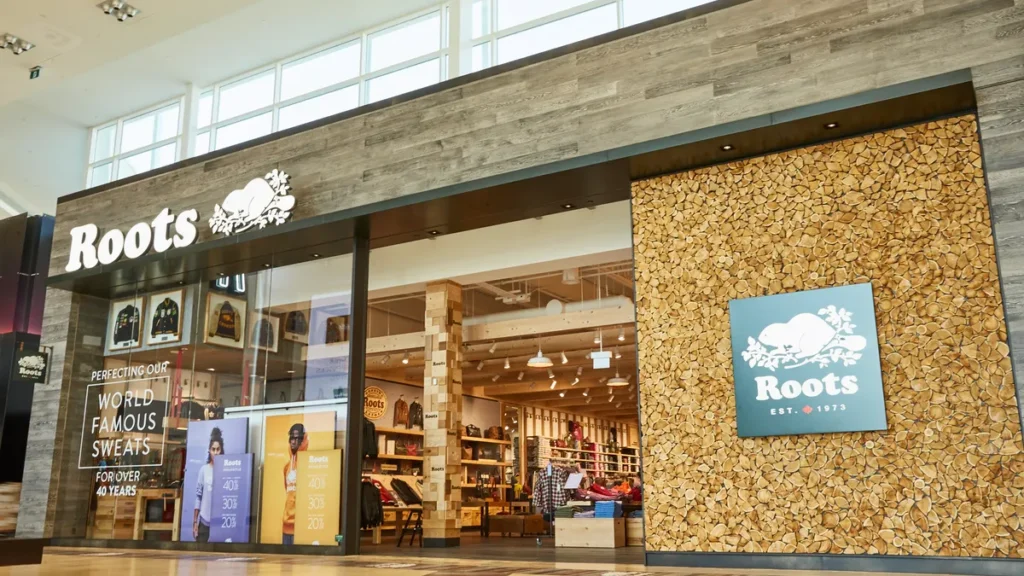
Crucially, both Marquee Brands and the operational partner, JM&A, have emphasized that the transition is specifically designed to preserve the brand’s identity. The operational structure will see JM&A take charge of the design, development, manufacturing, and distribution of both men’s and women’s apparel. Furthermore, JM&A will assume full responsibility for retail and e-commerce operations across Canada and the United States, managing the existing fleet of more than 100 North American storefronts.
While the ownership structure is changing, the company has pledged that the brand will remain "anchored in Canadian culture." Operations will continue to be centered in Canada, a move intended to maintain the authenticity that has defined the brand since its inception.
Chronology: The Road to Privatization
The path to this acquisition was not sudden; it was the culmination of years of restructuring and a targeted search for a partner capable of navigating the brand’s future.
- 2020: The U.S. Bankruptcy Pivot: In a period of significant economic volatility, the retailer’s U.S. subsidiary, Roots USA Corporation, filed for Chapter 7 bankruptcy. The move necessitated the closure of seven U.S. retail locations, serving as a harsh wake-up call for the company’s international expansion strategy.
- 2020–2025: The Turnaround Era: Following the bankruptcy filing, Roots initiated a multi-year turnaround strategy. This period was characterized by "surgical" store closures, where the company divested from underperforming real estate to focus on higher-traffic, high-conversion locations.
- March 2026: The Strategic Review: Recognizing that the public market’s pressure on short-term quarterly results might hinder its long-term growth, the Roots board of directors formally launched a strategic review to explore a potential sale. This process invited interest from various private equity and strategic buyers.
- August 21, 2026: The Definitive Agreement: After evaluating multiple proposals, the company announced the successful agreement with Marquee Brands, signaling the end of its time on the public markets.
Supporting Data: Navigating Financial Headwinds
The decision to go private comes at a complex time for the retailer’s balance sheet. According to the company’s first-quarter fiscal 2026 results, there were signs of operational resilience juxtaposed against bottom-line struggles.
Total sales for the quarter reached CA$42.6 million, representing a 6.5% increase compared to the same period in the previous year. Furthermore, comparable sales—a key metric for retailers indicating the health of existing stores—rose by 3.2%. These figures suggest that the brand’s core product offerings remain popular with consumers.
However, the financial narrative is complicated by rising costs and operational pressures. The company reported a net loss of over $10 million for the quarter, an increase of more than 27% year-over-year. This widening loss highlights the difficulty of scaling in the current retail environment, where rising supply chain costs and intense competition from direct-to-consumer labels have squeezed margins. By going private, Roots gains the ability to focus on long-term capital investments and strategic shifts without the immediate pressure of satisfying quarterly earnings expectations for public shareholders.
Official Responses: The Vision for Growth
Heath Golden, CEO of Marquee Brands, addressed the acquisition with a focus on both heritage and expansion. In a statement released shortly after the announcement, Golden said, "Taking on Roots is an incredible honor, and our strategic partnership with JM&A ensures the brand remains anchored in Canadian culture. With that foundation in place, we see significant global opportunity to extend Roots into new categories, markets, and consumer segments, while remaining true to all that makes the brand distinctive."

The emphasis from the leadership team is clear: they view "Canadian-ness" not as a limitation, but as a primary competitive advantage. By maintaining local operations, they aim to avoid the dilution of brand equity that often occurs when heritage brands are acquired by international conglomerates.
For the employees and the Canadian retail landscape, the promise of continued operations within the country is a significant relief. The transition is being framed as an evolution rather than an overhaul, with a focus on retaining the design language and manufacturing standards that have kept the brand relevant for decades.
Implications: What This Means for the Future
The move to take Roots private has several far-reaching implications for the company and the broader retail sector:
1. Global Expansion vs. Local Identity
The primary challenge for Marquee Brands will be scaling the business globally without losing the brand’s core identity. Marquee has a track record of revitalizing legacy brands, but the outdoor apparel market is saturated. Success will depend on whether they can translate the "cozy, Canadian" aesthetic into international markets where the brand has less historical recognition.
2. Operational Efficiency Under JM&A
By handing off design, manufacturing, and distribution to JM&A, Roots is streamlining its operations. This shift is likely intended to reduce the administrative overhead that comes with public company compliance, allowing the brand to be more agile. If successful, this could lead to faster product development cycles and more efficient inventory management, directly addressing the net loss issues seen in the most recent fiscal quarter.

3. The Future of the Brick-and-Mortar Fleet
With over 100 North American stores, the retailer maintains a significant physical footprint. In an era where many retailers are retreating from physical malls, the management of this fleet will be critical. The new ownership structure suggests that physical stores will remain central to the brand’s experience, likely serving as hubs for brand engagement and community building rather than just transactional points of sale.
4. Retail Consolidation Trends
The acquisition of Roots is part of a wider trend in retail where established brands are being scooped up by brand management firms like Marquee. These firms prioritize the "intellectual property" value of the brand—its name, aesthetic, and heritage—over the day-to-day manufacturing of the products. This model allows for specialized oversight, where experts in logistics and supply chain (like JM&A) handle the heavy lifting, while the brand managers focus on marketing and expansion.
Conclusion
As Roots exits the public markets, it enters a phase of transition that is common for heritage brands looking to reclaim their footing. The combination of Marquee Brands’ financial backing and JM&A’s operational expertise offers a new path forward. While the financial challenges of the past few years cannot be ignored, the deliberate focus on preserving the brand’s Canadian soul provides a roadmap for a potential resurgence. For consumers, the brand remains a constant; for investors, it is a fascinating case study in how heritage, culture, and commerce can be balanced in a modern, private-equity-driven retail landscape.