London, UK – The term "oily green" might conjure images of something less than desirable in the realm of precious stones. However, for gemmologists and enthusiasts alike, this descriptor is intrinsically linked to peridot, a vibrant green mineral with a rich history and unique geological origins. Far from being a criticism, this traditional moniker offers a fascinating glimpse into the stone’s composition, formation, and the subtle optical phenomena that contribute to its allure. This article delves deep into the world of peridot, exploring its captivating colour, historical significance, geological underpinnings, and the very nature of its famed "oily" appearance.
The Allure of Peridot: A Spectrum of Green
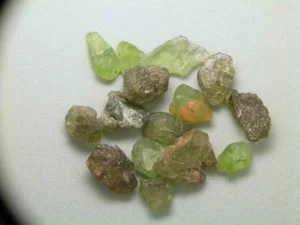
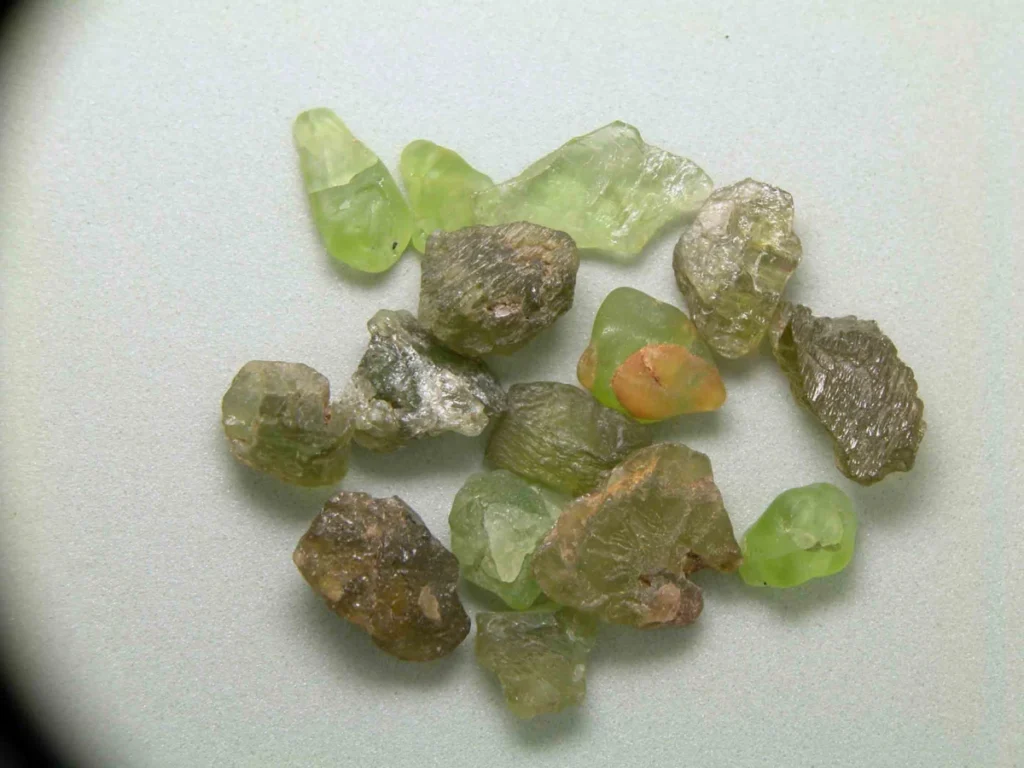
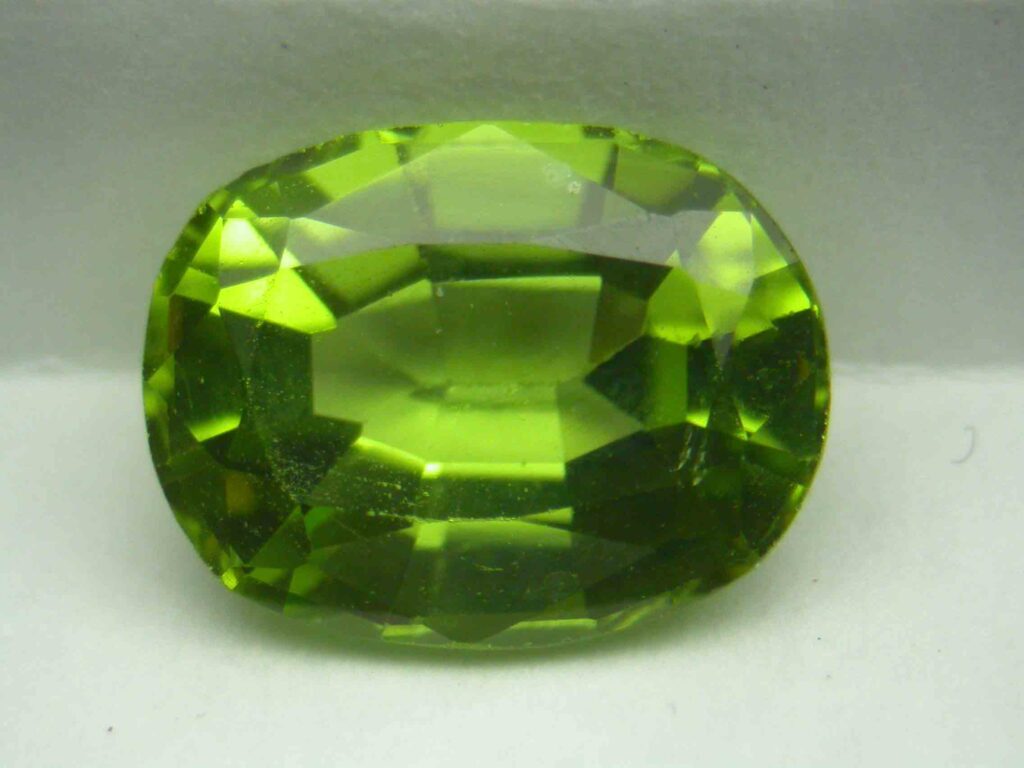
Peridot, a gem primarily known for its striking green hues, is chemically classified as magnesium iron silicate. While it can occasionally be found in brown or yellow shades, it is the gem-quality specimens that command attention, almost universally exhibiting a verdant brilliance. This signature colour is a direct consequence of the presence of iron within its crystalline structure. However, the nuanced shades of green, ranging from a delicate lime to a deep forest hue, are believed to be further influenced by trace elements like nickel and chromium. These metals, abundant in the mantle rocks where peridot typically forms, play a subtle yet significant role in shaping the stone’s visual character.
The gemstone’s inherent beauty is undeniable, captivating jewellery designers, collectors, and those born in August, for whom it serves as the traditional birthstone. Its pleasing green tones, coupled with a generally good transparency, have cemented its place in the pantheon of desirable gemstones for millennia.
A Journey Through Time: The Storied Past of Peridot
The history of peridot is as rich and layered as its colour. Its origins can be traced back to classical antiquity, with the island of Zabargad in the Red Sea emerging as a primary source of this precious gem. For centuries, Zabargad, also known as St. John’s Island, was synonymous with peridot, supplying the world with its lustrous green treasures. While Zabargad held prominence for a significant period, other regions have also contributed to the global supply of fine peridot. Burma (modern-day Myanmar) has historically produced large and exceptionally fine stones.
In more recent centuries, the geological landscape has revealed further peridot-rich deposits. Arizona in the United States, Norway, and Pakistan have all become significant producers. More recently, a substantial discovery in China has introduced a new source of high-quality peridot to the jewellery market, ensuring its continued availability to designers and consumers.
The geological context of these finds is crucial to understanding peridot’s formation. In these diverse locations, gem-quality peridot crystallised deep beneath the Earth’s crust. Its ascent to the surface was often facilitated by volcanic activity, which brought the mantle rocks containing peridot to shallower depths. Alternatively, and more commonly, peridot was formed within large masses of peridotites, a process that typically involved significant geological deformation and subsequent recrystallization within the crust.

The Earth’s Embrace: Understanding Peridotites and Olivine
The geological term "peridotite" refers to a coarse-grained ultramafic intrusive rock composed primarily of the mineral olivine. The very name "olivine" is a direct nod to the fruit of the olive tree, named for its characteristic yellowish-green colour. Over time, this visual resemblance has extended beyond the fruit itself to encompass the oil extracted from it. Olive oil, a staple in many cultures and a significant commodity, is predominantly yellow with a subtle greenish tinge.
It is this association with olive oil that has, in a fascinating linguistic and cultural transference, influenced the descriptive language used for peridot. While olive oil is a product of nature, peridot is a mineral born from the Earth’s fiery depths. The comparison, though indirect, highlights the shared chromatic thread between the precious stone and this ubiquitous liquid. However, it’s important to note a key distinction: while olive oil leans towards yellow, peridot is almost invariably a distinct and vibrant green. This difference underscores the specific mineralogical composition of peridot, where iron plays a more dominant role in defining its colour than the subtle yellow tones often present in olive oil.
Decoding "Oily Green": Beyond the Surface
The descriptor "oily" when applied to peridot can, at first glance, seem perplexing and even negative. In the gem trade, the mention of oil often carries connotations of artificial treatments, a practice that is largely absent in the peridot market. Peridot is highly valued precisely because it is one of the few significant gem materials that is rarely, if ever, treated to enhance its colour or clarity. This inherent purity is a cornerstone of its appeal.

So, what gives rise to the "oily" perception? The term likely stems from a combination of subtle optical characteristics within the stone. Peridot can sometimes exhibit a "sleepy" appearance, a slight reduction in transparency. This can be attributed to the presence of sub-microscopic inclusions that scatter light internally, or to the way light interacts with the stone’s internal structure. For instance, in some peridots, the pavilion facet edges may appear slightly blurred due to a phenomenon known as strong doubling, where light rays are split as they pass through the crystal. This doubling, a consequence of peridot’s relatively high birefringence, can contribute to a softened, almost viscous visual effect.
These characteristics, while sometimes perceived as flaws, do not necessarily detract from the stone’s overall beauty. In fact, a certain degree of light scattering can be beneficial. It can help to illuminate facets that might otherwise appear dark, even in well-cut and polished stones, adding a unique depth and character to the gem’s brilliance. The "oily" description, therefore, is not a judgment of quality but rather an observation of these intrinsic optical properties, a testament to the complex interplay of light and matter within this remarkable mineral.
Peridot’s Uniqueness: A Singular Beauty
In the diverse world of gemstones, many commercially significant species boast a wide spectrum of colours, captivating optical effects, and numerous named varieties. Peridot, however, stands apart in its singular focus. It is primarily celebrated for its distinctive green hues, a characteristic that has captivated humanity for thousands of years.

The consistent availability of fine gem material in quantities that allow for moderate pricing, while acknowledging that the largest and most exceptional specimens can command significant sums, makes peridot an accessible yet precious gem. Its pleasing green colours and reliably good transparency continue to make it a favoured choice for jewellery designers, artisans, and their discerning clientele.
For those eager to deepen their understanding of peridot and other significant gemstones, Gem-A (The Gemmological Association of Great Britain) offers a wealth of educational resources. The "GemIntro" course, an online-only beginner’s program, provides an accessible entry point into the fascinating world of gemmology. Furthermore, the "Gemmology Foundation" course serves as an ideal foundation for aspiring professionals, offering a comprehensive pathway to kickstart a career in gemmology and related fields. Through rigorous study and practical experience, enthusiasts can unravel the scientific and aesthetic intricacies that make gemstones like peridot so enduringly beautiful and historically significant.
Main Image: A faceted peridot gemstone, captured by the expert eye of Pat Daly, a respected Gem-A Tutor.