From the vertiginous heights of Hong Kong’s iconic skyline to the shimmering, futuristic waterfront of Singapore, the definition of "urban luxury" is undergoing a profound metamorphosis. As modern travelers increasingly prioritize privacy, holistic wellness, and bespoke service, two of Asia’s most prestigious properties—the Island Shangri-La, Hong Kong, and Marina Bay Sands, Singapore—have unveiled transformative renovations that push the boundaries of the hospitality experience.
These architectural and design feats are not merely updates; they represent a fundamental shift in how luxury hotels curate space, blending the intimacy of a private residence with the logistical perfection of a world-class institution.
The Evolution of the Suite: A Study in Sophistication
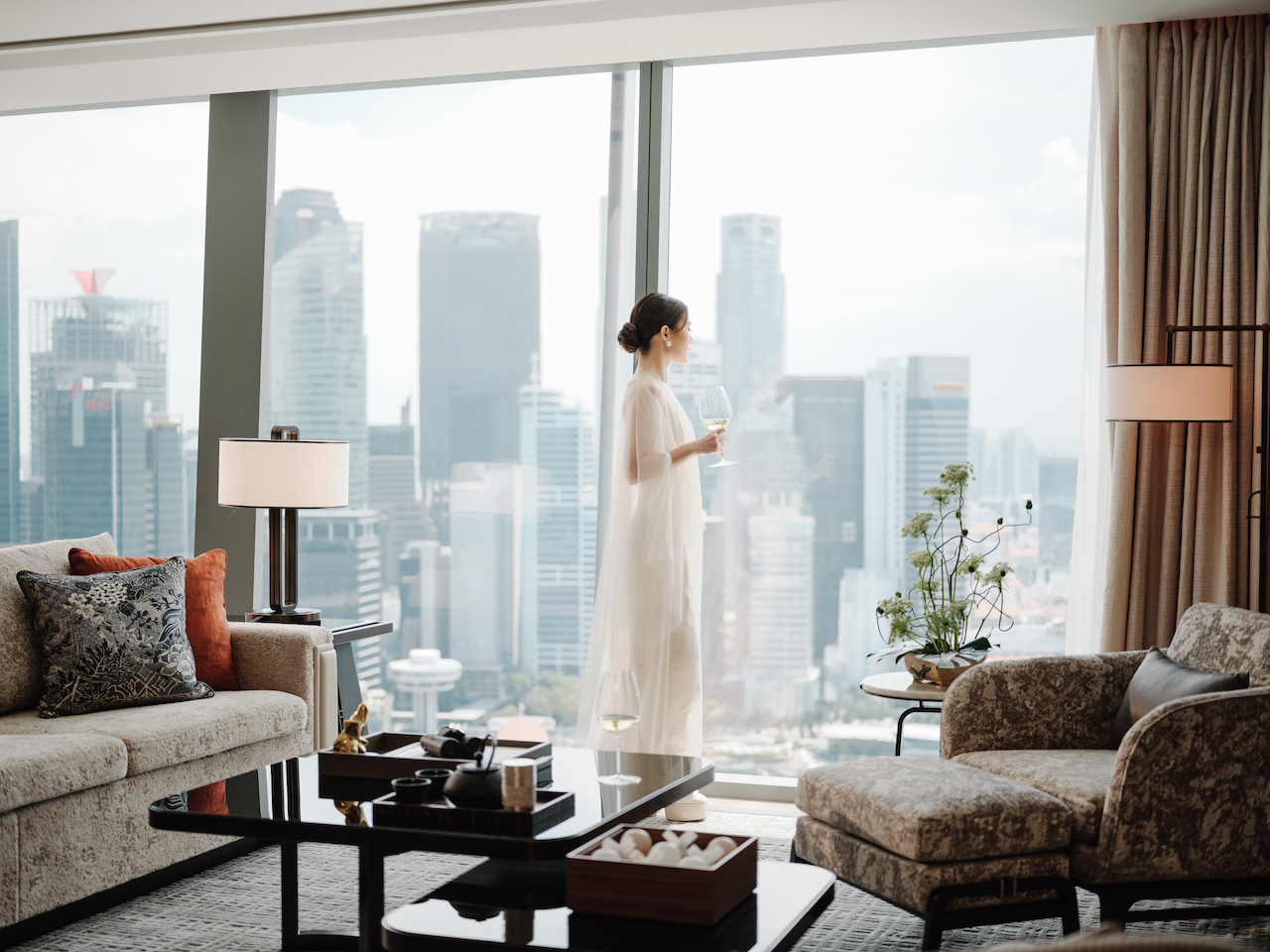
For the ultra-high-net-worth traveler, the hotel room has evolved from a place of transient rest into a "sanctuary in the sky." Both the Island Shangri-La and Marina Bay Sands have recognized that the contemporary guest seeks a seamless integration of their personal lifestyle into the hotel environment. Whether it is an in-suite golf simulator or a private kitchen designed for high-end entertaining, the focus has shifted toward hyper-functionality wrapped in exquisite aesthetic packages.
Island Shangri-La, Hong Kong: A Heritage-Modern Synthesis
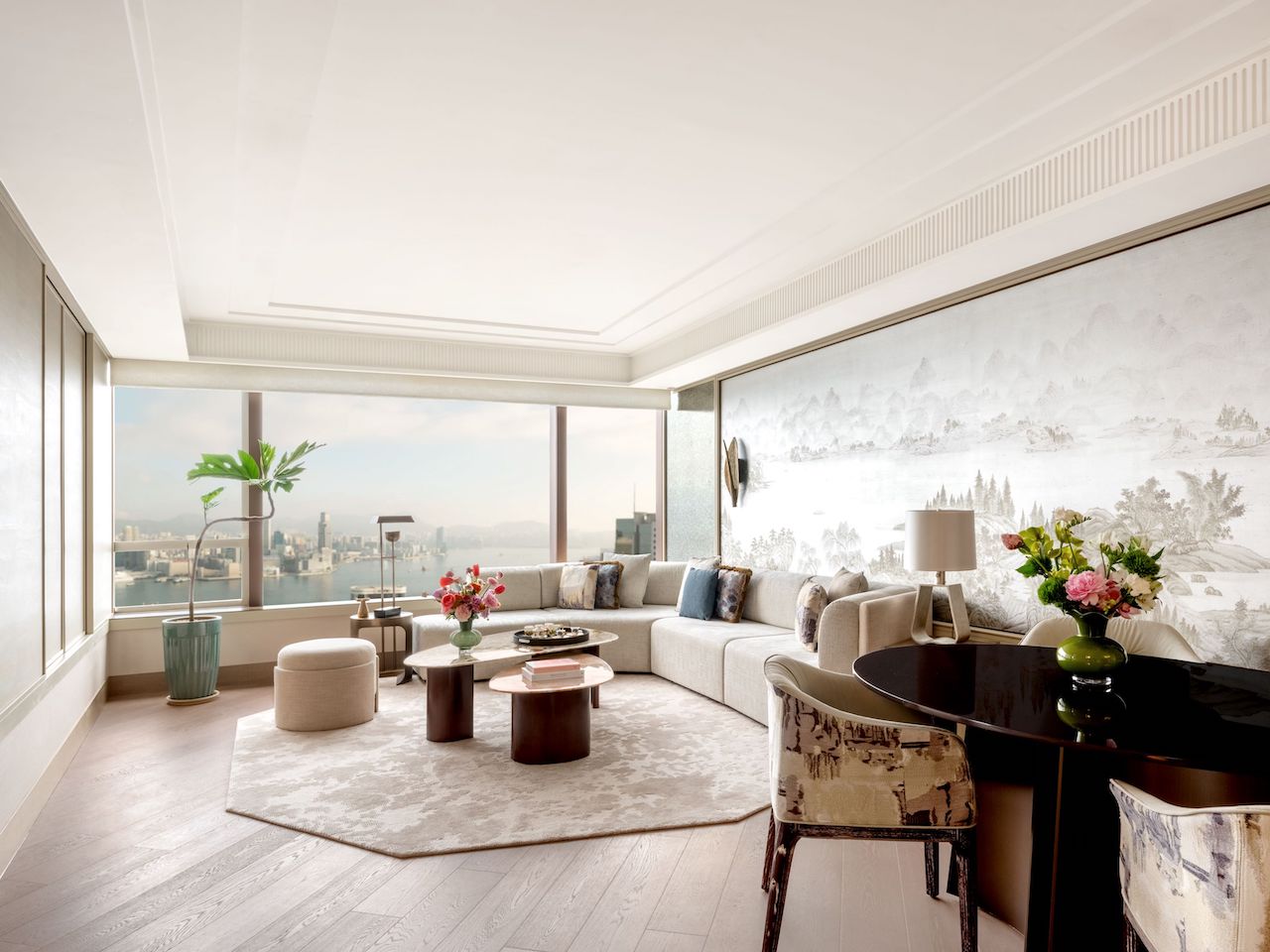
Perched on the 50th floor, the newly transformed Hong Kong Suite at the Island Shangri-La is a masterclass in balancing the city’s storied past with a forward-looking design philosophy. The multi-year renovation has stripped away the impersonal tropes of traditional luxury, replacing them with a narrative of Asian sophistication.
Chronology and Design Intent
The project began as an effort to harmonize the suite’s interior with its cinematic surroundings. By utilizing painted fabric walls and bespoke furnishings, designers have created a tactile, layered experience. A standout element of this transformation is the inclusion of 19th-century paintings of traditional sampans, sourced from Christie’s, which ground the space in the maritime history of Victoria Harbour.
Functional Opulence
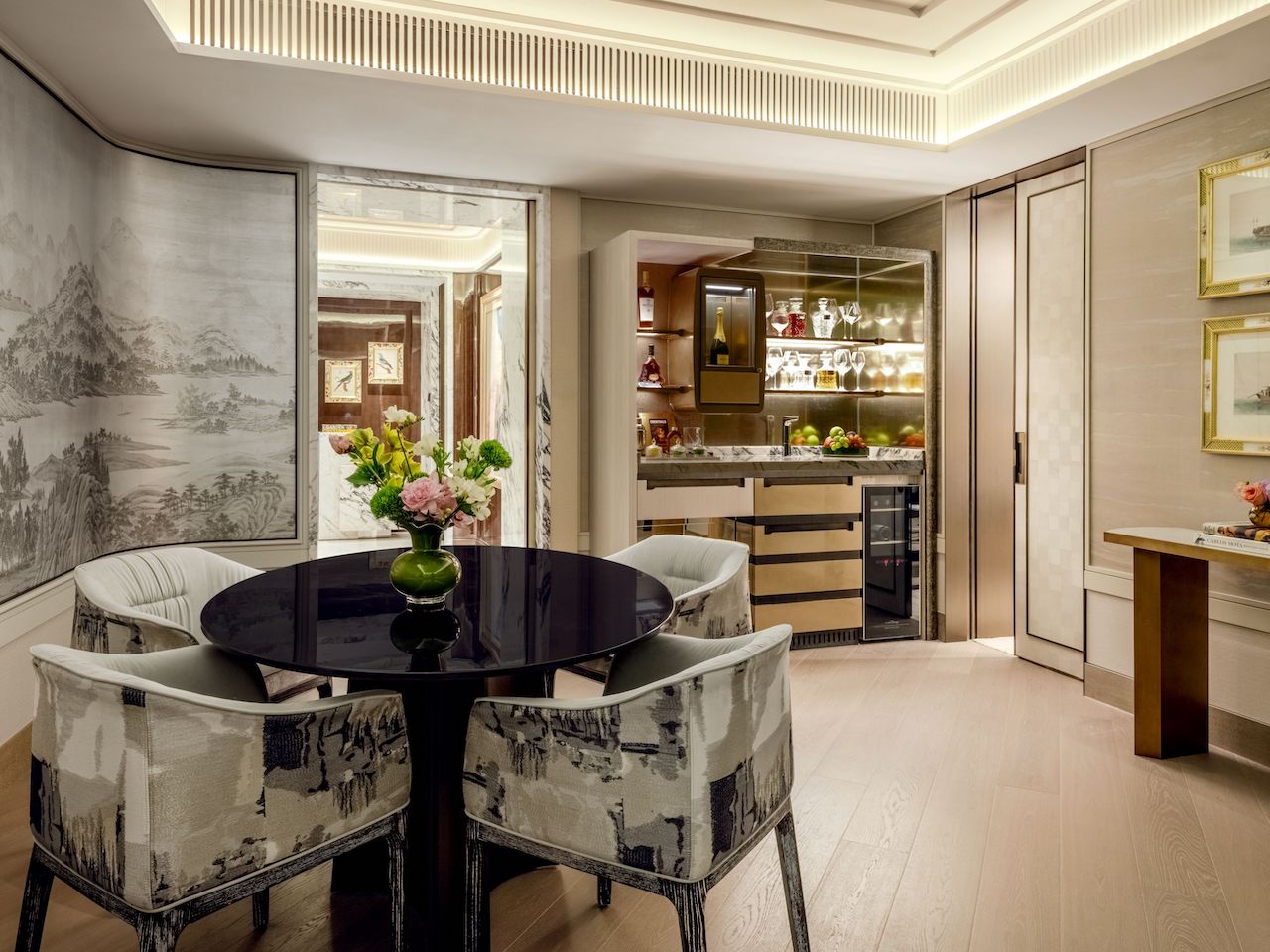
The suite is structured to facilitate a life lived in motion. A dedicated pantry—a rarity in city-center hotels—features a full kitchenette, a dual-zone wine fridge, and filtered water systems, allowing for the discreet execution of in-suite dining or private butler service. The bedroom design mirrors the lush greenery of the nearby Victoria Peak, with a mural that acts as a visual bridge between the interior and the botanical landscape outside.
Marina Bay Sands: The Scale of Modernity
If the Island Shangri-La represents the pinnacle of boutique elegance, Marina Bay Sands serves as the definitive statement of large-scale, integrated luxury. With the completion of a massive refurbishment involving 1,850 rooms and 775 suites, the property has recalibrated the standard for Singaporean hospitality.
The Paiza Collection: A City Within a City
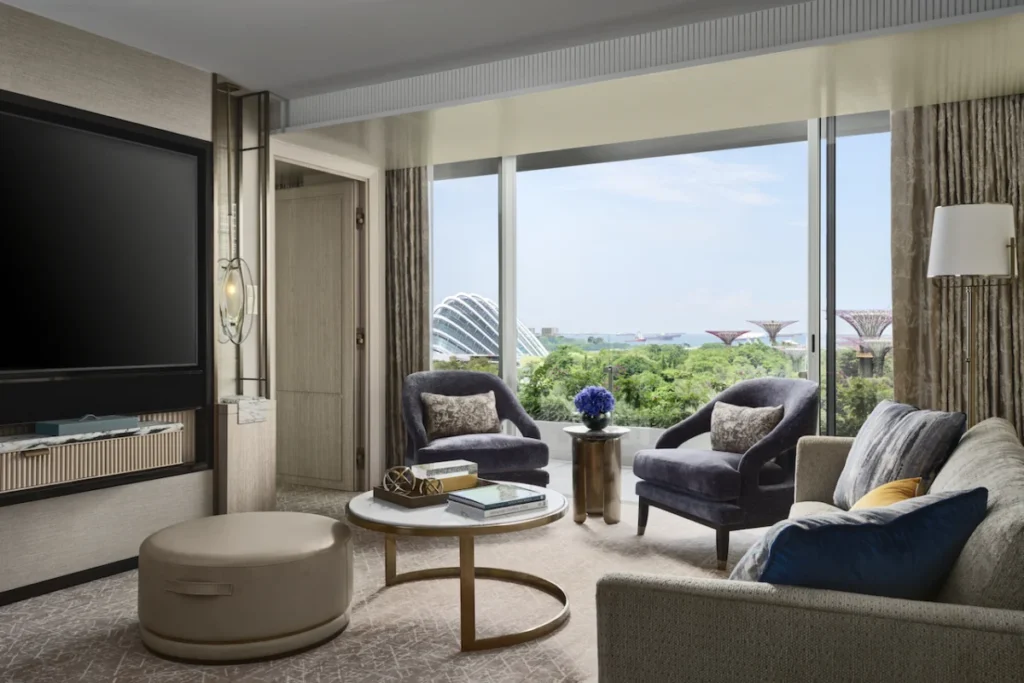
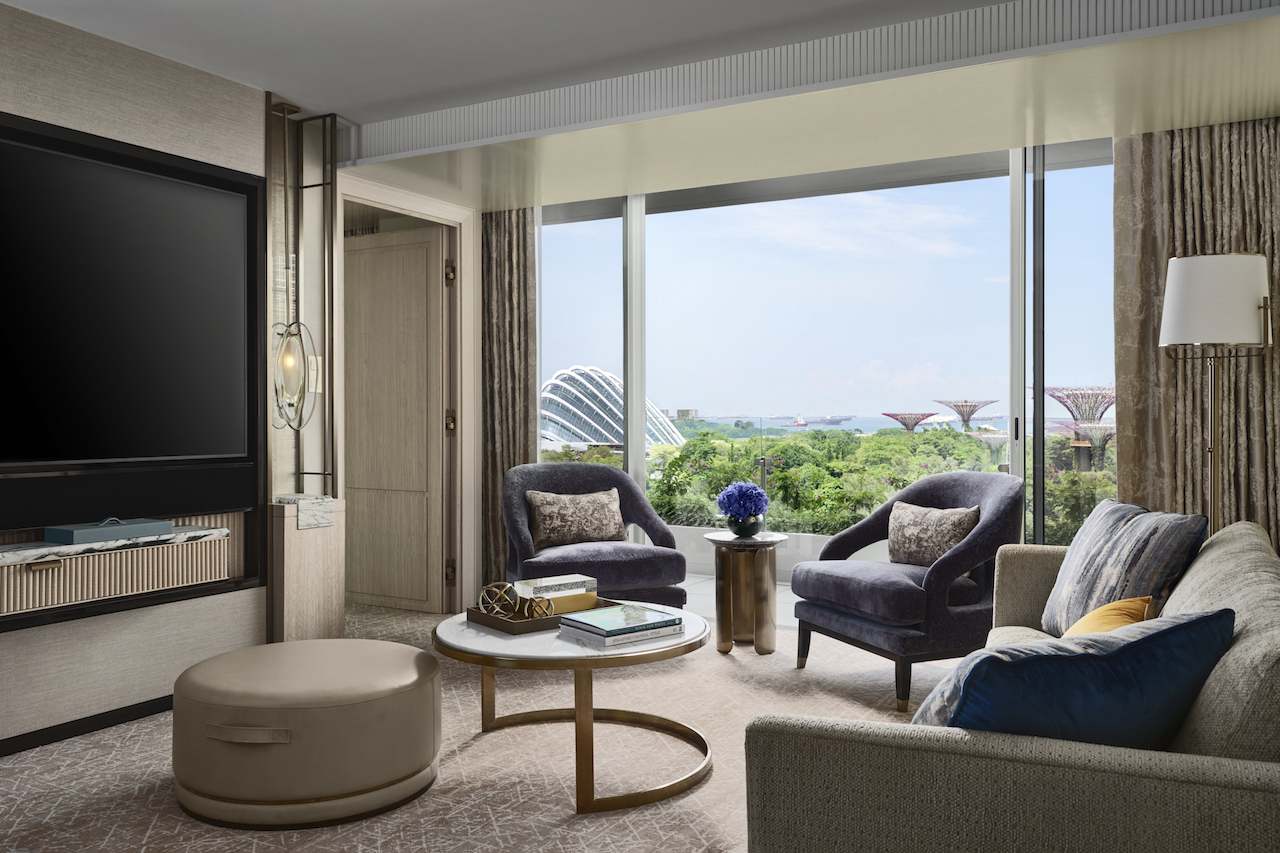
The centerpiece of the renovation is the "Paiza Collection." These 370 suites function as autonomous residences, complete with dedicated lifts and a private arrival lounge. The collection’s flagship, the Chairman Suite, pushes the limits of domestic luxury with a 146-inch television and a private karaoke facility.
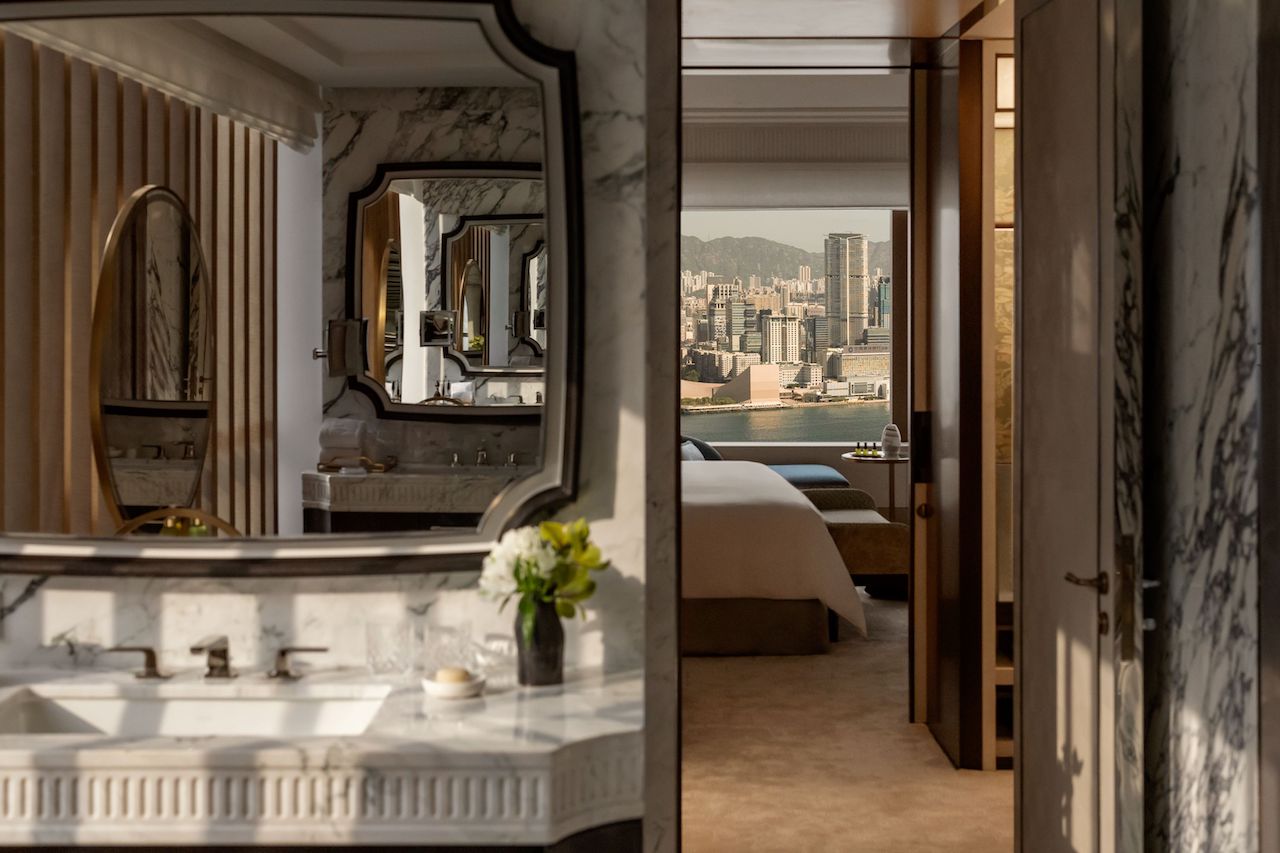
Perhaps more impressive is the "Horizon Suite," which caters to the growing demand for private wellness. By integrating a Himalayan salt wall, a hammam, and a private gym into the floor plan, the hotel has effectively removed the need for a guest to leave their quarters to maintain their wellness regimen.
Supporting Data and The "Butler Economy"
The hospitality sector in Asia is currently witnessing a trend toward the "Butler Economy." At Marina Bay Sands, the deployment of a 160-strong butler team is a strategic response to the demand for hyper-personalized service.
- Service Density: The ratio of staff to suite guests has reached an all-time high, ensuring that every request—from the stocking of a bespoke cocktail trolley to the coordination of private transport—is met in real-time.
- Wellness Integration: Data from both properties suggests that "Wellness Suites" are seeing higher occupancy rates than standard luxury suites, indicating that the post-pandemic traveler is prioritizing health-centric amenities, such as Yun Wellness at the Island Shangri-La or the private massage tables at the Paiza Collection.
- Gastronomic Depth: Both properties have reinforced their status as culinary hubs. The Island Shangri-La’s continued reliance on Michelin-starred Petrus and the refined Hokkien cuisine at Ming Pavilion, contrasted with Marina Bay Sands’ powerhouse lineup including Waku Ghin and CUT by Wolfgang Puck, demonstrates that today’s luxury suite guest is also a sophisticated culinary consumer.
Official Perspectives: The Vision for 2025 and Beyond
Management at both properties has framed these renovations as a response to the changing psychological needs of their clientele. According to spokespeople, the move toward "residential-style" accommodations is a direct result of guests staying for longer durations.
"We aren’t just selling a night’s stay," noted a representative during the unveiling of the Paiza Collection. "We are providing a base of operations for a global lifestyle." The focus is on frictionless travel; by integrating private arrival, dedicated butler services, and in-room amenities like high-end kitchenettes and wellness spas, the hotels are positioning themselves as the ultimate "safe harbor" in a fast-paced urban environment.
Implications for the Future of Urban Hospitality
The implications of these developments for the wider hospitality industry are significant:
- The Death of the Standardized Room: We are witnessing the decline of "cookie-cutter" luxury. Even within large hotel chains, the expectation is now for unique, site-specific design that honors the local culture—as evidenced by the Shangri-La’s use of Chinese lucky clouds and mountain motifs.
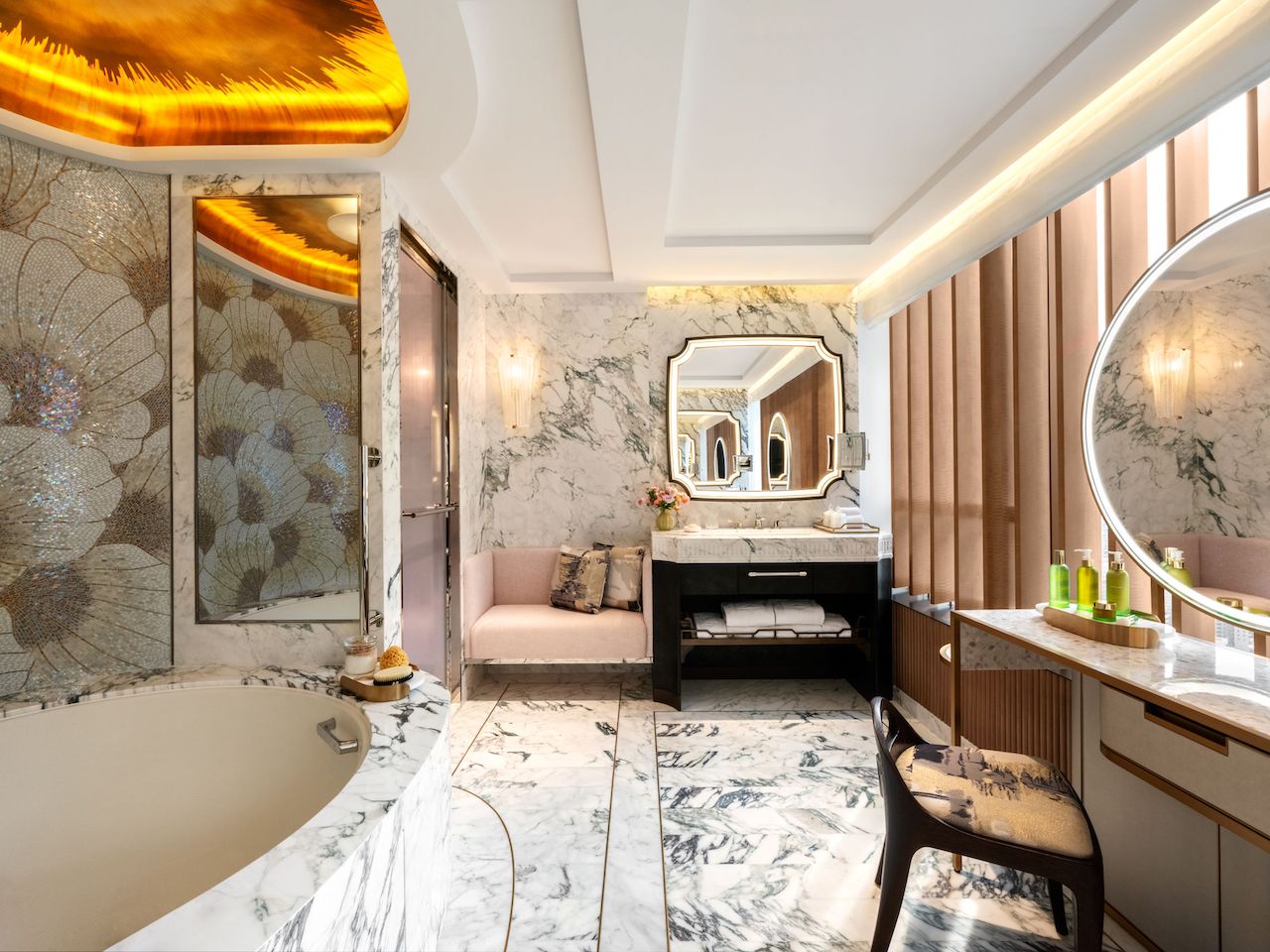
- Wellness as Infrastructure: Wellness is no longer relegated to a hotel’s basement spa. It is being integrated into the suite itself. Whether through the inclusion of saunas, meditation spaces, or high-tech air filtration systems, the suite is becoming a health-optimization zone.
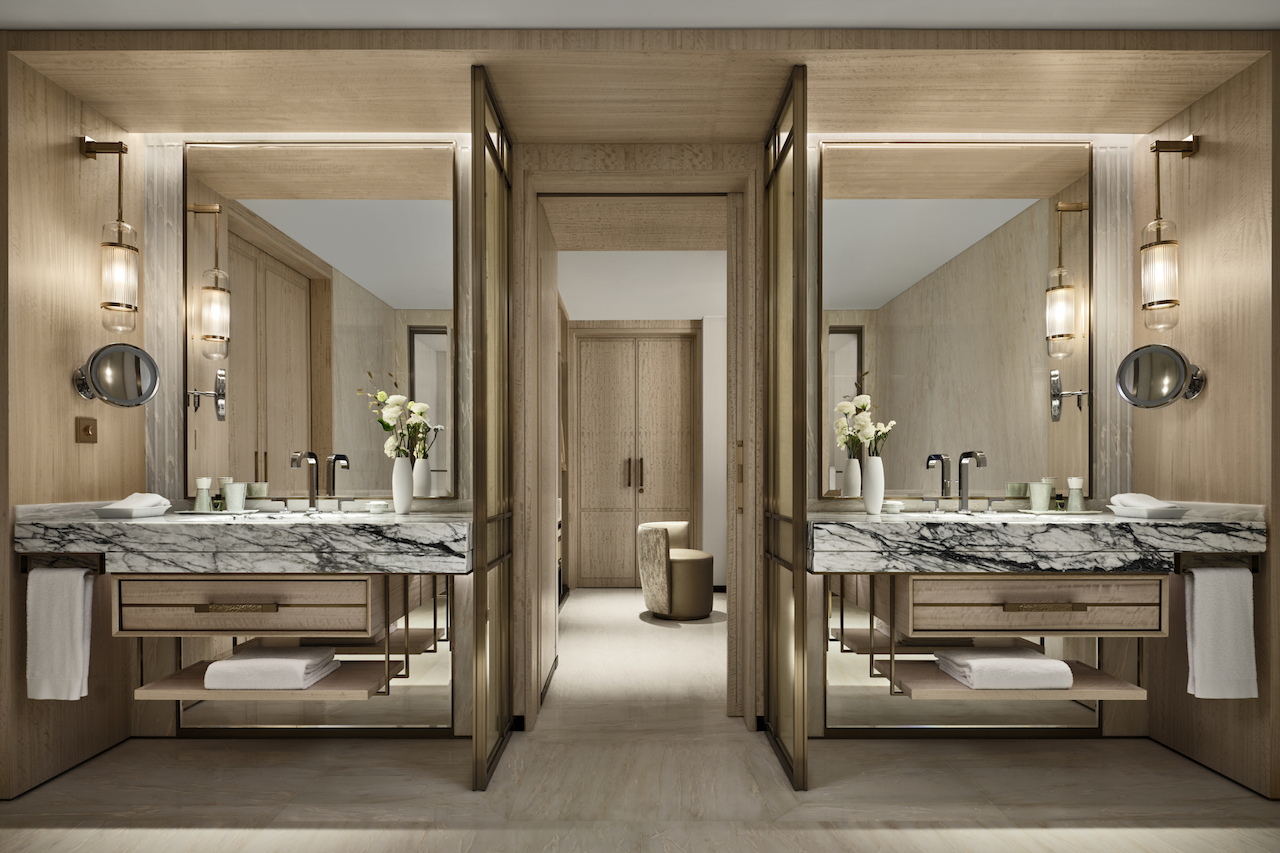
- Technological Ubiquity: From 146-inch screens to Bluetooth-integrated bathroom suites, technology is being deployed to enhance convenience without being intrusive. The goal is to provide a seamless interface that anticipates the guest’s needs before they are articulated.
- Privacy as the Ultimate Luxury: The creation of "VIP Arrivals" and dedicated floor access represents a growing demand for anonymity and exclusivity among the world’s most elite travelers.
Conclusion
As we look toward the future of travel, the Island Shangri-La and Marina Bay Sands have set a formidable benchmark. By blending the grandeur of traditional hospitality with the intimate, tech-forward, and health-conscious requirements of the modern traveler, they have proven that urban luxury is not stagnant.
In these sky-high sanctuaries, the journey is no longer just about where you are going; it is about the degree of comfort, control, and wellness you can maintain while you are there. As these two iconic cities continue to compete for the title of the world’s premier luxury destination, the real winners are the guests, who now enjoy an unprecedented level of personalized, elevated living. The evolution is indeed upwards—in design, in service, and in the experience of living well.