In the competitive landscape of the modern café industry, the vessel that holds a drink is as critical as the quality of the roast itself. Beyond merely serving as a liquid container, custom coffee packaging acts as a silent ambassador for a brand, a functional tool for baristas, and a tactical component of a business’s bottom line. Whether a boutique roastery or a high-volume metropolitan coffee shop, the selection process involves a delicate equilibrium between cost, ergonomics, storage efficiency, and aesthetic impact.
This guide delves into the structural and strategic considerations required for selecting the perfect custom coffee packaging, ensuring that every sip reinforces your brand’s commitment to excellence.
The Strategic Importance of Packaging in the Café Ecosystem
Packaging is often the final touchpoint in the customer journey. A flimsy cup that leaks or a lid that doesn’t seat properly can negate the positive experience of a perfectly pulled espresso shot. Conversely, premium packaging—characterized by tactile textures, high-quality printing, and ergonomic design—enhances the perceived value of the product.
From an operational perspective, poor packaging choices introduce friction. If a cup is too thin, it requires double-cupping, which doubles the cost and doubles the waste. If the rim size is inconsistent, it slows down the barista’s workflow during peak morning rushes. Therefore, selecting a supplier is not just a procurement decision; it is a fundamental operational choice.
Chronology of the Procurement Process: A Step-by-Step Approach
Successfully implementing a custom packaging program requires a disciplined timeline. Rushing the process often leads to costly errors, such as misaligned logos or shipping delays that leave shelves empty.
Phase 1: Needs Assessment and Specification (Weeks 1–2)
Before engaging with a supplier, internal audits must be conducted. How many ounces are the primary drinks? What percentage of business is "to-go" versus "stay-in"? Are you catering to the "iced latte" crowd or the "black coffee" purist? Documenting these specifications—such as rim diameter, insulation requirements, and heat retention needs—is the foundation of the project.
Phase 2: Design and Template Calibration (Weeks 3–4)
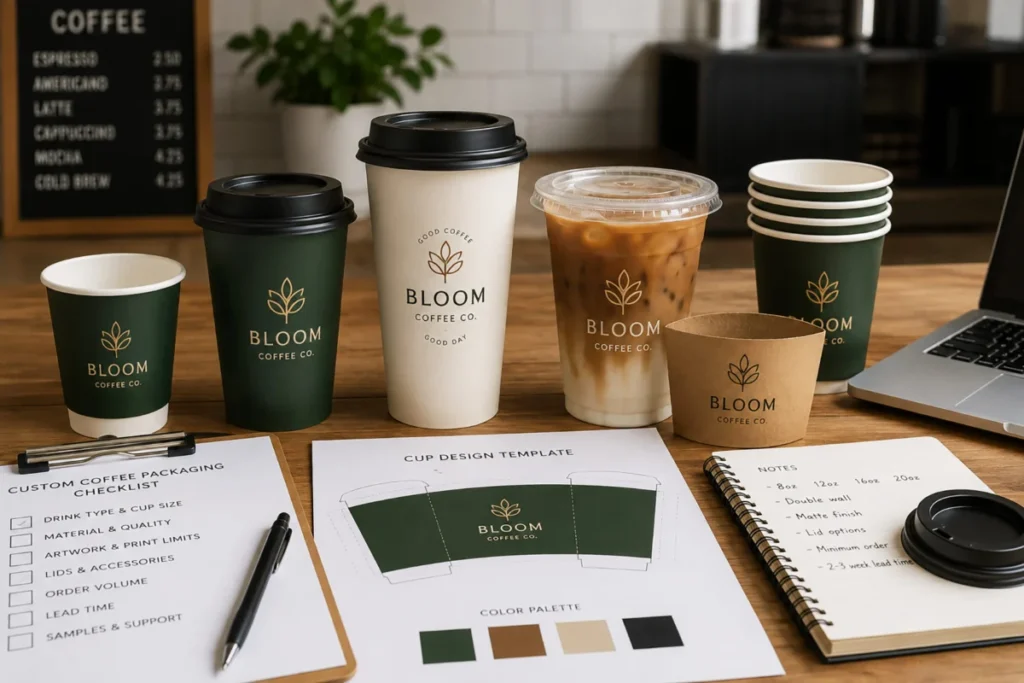
Once the cup specs are finalized, the design phase begins. It is vital to request professional templates from your supplier. Designers must understand the "safe print area," as curved surfaces often distort graphics near the seams. Typography should be tested for readability at scale, and color profiles (CMYK vs. Pantone) must be confirmed to ensure brand consistency.
Phase 3: Sampling and Rigorous Testing (Weeks 5–6)
Never bypass the sampling stage. Request physical samples of the exact material and print method you intend to order. During this period, subject the cups to "stress tests." Do they hold up to boiling water? Do the lids snap on with a satisfying, secure click? Do the sleeves provide enough grip for a customer walking down a busy street?
Phase 4: Production, Proofing, and Logistics (Weeks 7–10)
After approving digital proofs and physical prototypes, production begins. This stage requires monitoring of lead times, including shipping and customs if the supplier is international. Factor in a "buffer period" for potential production hiccups or logistical delays.
Supporting Data: The Anatomy of a Perfect Cup
To make an informed decision, operators must weigh several technical variables.
Material Science and Heat Dynamics
- Double-Wall vs. Single-Wall: Double-wall cups are a premium investment that eliminates the need for a separate sleeve, saving storage space and reducing the number of items a barista must handle. However, for businesses prioritizing sustainability and lower costs, high-quality single-wall cups paired with recycled cardboard sleeves remain the industry standard.
- Plastic vs. Paper: Clear plastic (PET) is essential for iced beverages, as it allows the visual appeal of layered drinks to serve as a marketing tool. However, the rise of bioplastics and paper-based cold cup alternatives is shifting the landscape toward more eco-friendly mandates.
Ergonomics and The "Barista Factor"
The "barista factor" refers to how easily a cup can be pulled from a sleeve, held, and capped. A cup with a narrow base and a wide rim might look elegant, but it could be prone to tipping. Furthermore, the stacking height is a critical, often overlooked metric. If a stack of 50 cups is too tall, it may not fit under a standard espresso machine group head or on a crowded counter.
Official Industry Perspectives: Best Practices in Design
Industry experts suggest that the most successful custom packaging projects follow a "less is more" philosophy.
"The best designs are those that understand the constraints of the medium," says one industry design consultant. "On a curved surface, a massive, blocky logo often wraps around the cup in a way that makes it illegible. We advise clients to use a repeating pattern or a centered, smaller icon that remains visible from multiple angles."
Furthermore, printing technology has evolved. While traditional flexographic printing is cost-effective for massive runs, digital printing has opened doors for smaller shops to create seasonal, limited-edition designs without the astronomical setup fees of the past.
Implications: The Cost of Compromise
When a café compromises on packaging, the implications ripple through the business in three primary ways:
- The Economic Impact: Buying the cheapest option often leads to "hidden costs." If 5% of your inventory is unusable due to warped lids or poor printing, your effective cost-per-cup is significantly higher than the quoted price.
- The Brand Impact: In the age of social media, the coffee cup is a billboard. If the cup looks unappealing or feels low-quality, the customer is less likely to photograph it for platforms like Instagram or TikTok. Your packaging is your most mobile piece of marketing; failing to invest in it is a missed opportunity for organic growth.
- The Operational Impact: Every second saved in the service line adds up. A lid that requires two hands to apply instead of one adds several seconds to every transaction. During a two-hour morning rush, those seconds translate to dozens of lost orders and increased customer frustration.
The Verdict: Final Checklist for Operators
Before signing a purchase order, every café owner should verify the following:
- Lid Compatibility: Does the lid fit snugly? Is it leak-proof when jostled?
- Volume Match: Does your inventory order align with your actual historical usage? Avoid overstocking, which ties up capital and risks material degradation.
- Regulatory Compliance: Ensure all materials meet local health and safety standards for food-contact packaging.
- The "Sample Test": Have you actually poured a hot drink into the cup and walked with it? The difference between a cup sitting on a shelf and a cup in a customer’s hand is immense.
Ultimately, custom packaging is an investment in the brand’s identity. By meticulously vetting materials, respecting the constraints of print design, and prioritizing the workflow of the barista, business owners can transform a commodity item into a key element of their competitive advantage. The goal is to ensure that when a customer holds your coffee, the physical experience is as refined and satisfying as the brew within.