

In an era defined by geopolitical friction, persistent inflationary pressures, and unpredictable market volatility, the world’s wealthiest individuals are recalibrating their financial strategies. For the ultra-high-net-worth (UHNW) segment, the traditional "60/40" portfolio model is no longer sufficient to preserve and grow capital. In response, Citi Private Bank—a cornerstone of global wealth management—is undergoing a profound structural evolution.
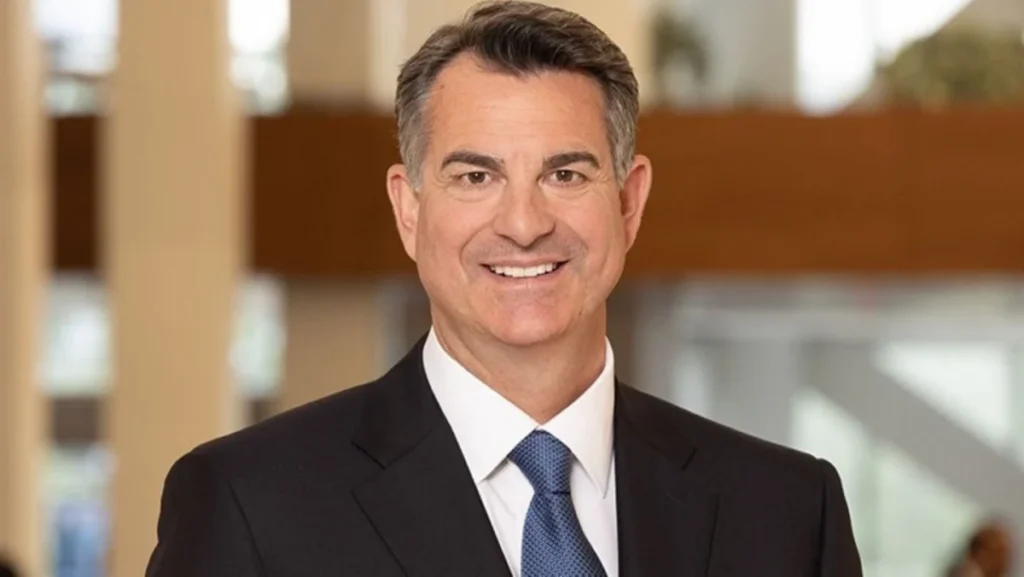
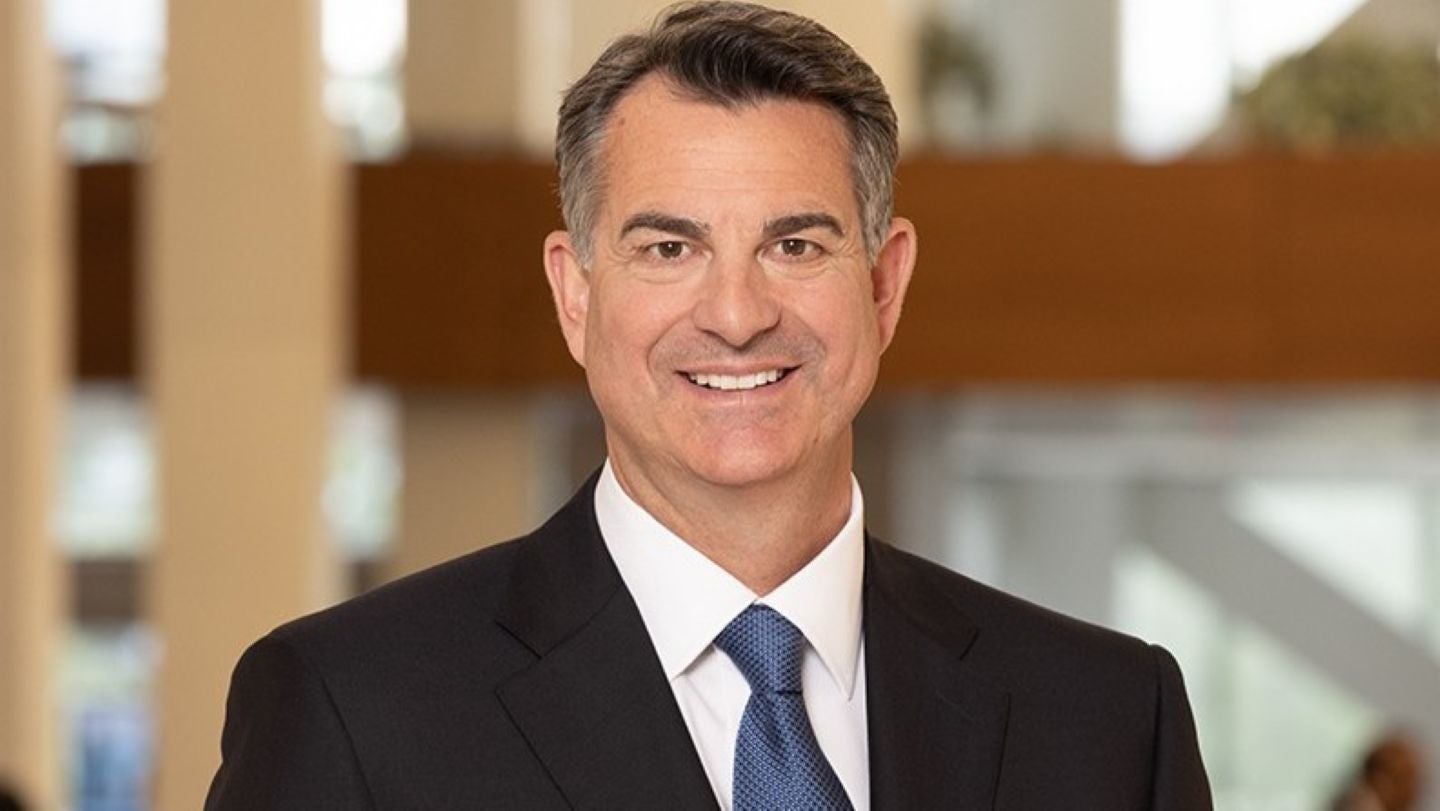
In a recent, exclusive interview with Private Banker International, Chris Biotti, the Head of Citi Private Bank North America, outlined the institution’s roadmap for navigating this complex landscape. With a mandate to scale its advisory footprint and a heightened focus on institutional-grade private market selectivity, Citi is positioning itself as the primary architect for the world’s most sophisticated family offices.
The Strategic Shift: Talent and Global Reach
At the heart of Citi’s current growth strategy is an aggressive talent acquisition program. Under the leadership of Citi Wealth CEO Andy Sieg, the bank has committed to a global expansion of its advisory ranks. For the North American division, this means adding over 100 new advisers in the near term—a significant move in a fiercely competitive market.
"The biggest wins for Citi Private Bank North America are centered on the quality of talent we attract and our unique ability to serve UHNW clients with complex, cross-border needs," Biotti explained. The bank has recently brought on high-caliber industry leaders such as Sam Gottesman, who joins as a market executive for the Northeast, along with senior bankers Michelle Pryor and Teresa Radzinski.
Biotti emphasizes that these hires are not merely headcount additions; they represent a strategic injection of expertise designed to mirror the sophisticated, globalized nature of their client base. "Advisers outside of Citi are taking notice of the transformation being orchestrated by Jane Fraser and Andy Sieg," Biotti noted. "They want to be part of our story because we are building a platform that provides the best of Citi—a synthesis of investment, banking, and lending solutions."
Structural Advantages in a Crowded Market
In a market saturated with private banking competitors, Citi maintains a distinct competitive advantage through its "globality." Serving approximately 2,000 family offices globally, the bank manages relationships with nearly 25% of the world’s billionaires.
This scale allows Citi to offer services that many smaller firms cannot replicate. For "global citizens" and "world changemakers," the bank provides sophisticated hedging, monetization strategies, and direct private investment opportunities that are tailored to the specific regulatory and tax environments of multiple jurisdictions. This infrastructure is particularly vital for UHNW clients whose financial lives transcend national borders and who require a cohesive, unified approach to their global balance sheets.
Chronology: The Evolution of the Citi Wealth Strategy
The current pivot follows a period of intense focus on the bank’s internal restructuring and modernization.
- May 2024: During Citi’s Investor Day, Andy Sieg formally articulated the vision for the wealth business, emphasizing a shift toward an advisory-first model supported by world-class technology and private market access.
- Late 2024–Early 2025: The North American division accelerated its recruitment efforts, targeting veteran bankers to bolster regional coverage in key financial hubs.
- Current Outlook: The focus has shifted from mere volume to "disciplined asset allocation." As interest rates stabilize and inflation becomes a more nuanced factor, the bank has pivoted its advice from defensive cash-hoarding to proactive, long-term capital deployment.
Supporting Data: The Case for Resilience
The primary challenge facing UHNW investors today is the "cash trap." Over the last few years, the high interest rate environment made cash look attractive. However, as central banks signal a potential normalization of rates, the risk of holding excessive cash has shifted from a missed opportunity to a strategic liability.
"Many investors have enjoyed attractive cash yields," says Biotti. "But cash is increasingly becoming a source of reinvestment risk. We are encouraging clients to move beyond an ‘all-or-nothing’ mindset."
The data supports this stance. Historical analysis confirms that "time in the market" is consistently more effective than "timing the market." For UHNW clients, the biggest threat to long-term wealth preservation is not market volatility, but rather the risk of being underinvested during periods of resilient economic growth. Citi’s strategy is built on the premise that a well-diversified, resilient portfolio—constructed with a long-term horizon—remains the most robust defense against the current climate of uncertainty.
The Alternatives Landscape: Discipline Amidst Abundance
As institutional and UHNW demand for alternative investments continues to surge, the role of the private banker has transitioned from "provider" to "curator." With capital abundant in many alternative sectors, the risk of "valuation creep"—where asset prices outpace the underlying risk—is high.
"We are becoming more selective in areas where capital has become abundant and valuations no longer adequately compensate investors for the risks they are taking," Biotti cautions.
Citi’s approach is a three-pronged focus:
- Infrastructure: Identifying assets with long-term cash flow stability.
- Private Credit: Leveraging the bank’s capital markets acumen to access unique yield opportunities.
- Real Estate and Select Private Equity: Prioritizing managers who can demonstrate a differentiated ability to drive growth, rather than relying on market beta.
Manager selection has become the defining differentiator in this cycle. Because the "easy money" phase of the post-pandemic recovery is over, the bank’s ability to conduct deep-dive due diligence on private managers is a critical service for clients who are increasingly wary of the crowding in certain alternative asset classes.
Official Responses and Strategic Implications
When asked if the bank is preparing clients for a "lower-return" environment over the next 12 months, Biotti emphasizes a shift in mindset: "Rather than focusing on a single return forecast, we’re helping clients prepare for a wider range of outcomes."
This philosophy acknowledges that the era of "easy, across-the-board gains" has likely passed. In its place, investors must navigate a more fragmented landscape. By providing access to the "best of Citi," the firm aims to act as a stabilizer for its clients. This involves:
- Holistic Advisory: Moving beyond product sales to focus on comprehensive family office governance.
- Disciplined Deployment: Using market dips as opportunities to deploy capital into high-quality assets, rather than panicking in response to short-term headlines.
- Resilience over Returns: Emphasizing that while returns may be more moderate than the peaks of recent years, a resilient portfolio is the only way to successfully traverse diverse market cycles.
Conclusion: The Future of UHNW Wealth Management
The mandate for Citi Private Bank is clear: to be the premier partner for those who control the world’s most significant pools of private capital. By blending global scale with local, bespoke expertise, the bank is betting that the future of wealth management lies not in a one-size-fits-all model, but in the sophisticated application of private market access and disciplined, long-term portfolio construction.
As Chris Biotti noted, the goal is not to predict the future, but to prepare for it. In a world where geopolitical and economic shifts are the new normal, Citi’s focus on selectivity, talent, and global reach serves as a blueprint for how the world’s largest institutions are evolving to meet the complex needs of the next generation of global wealth. Whether through the lens of private credit, the intricacies of cross-border estate planning, or the disciplined pursuit of long-term alpha, Citi is positioning itself to remain at the epicenter of the global private banking industry.



