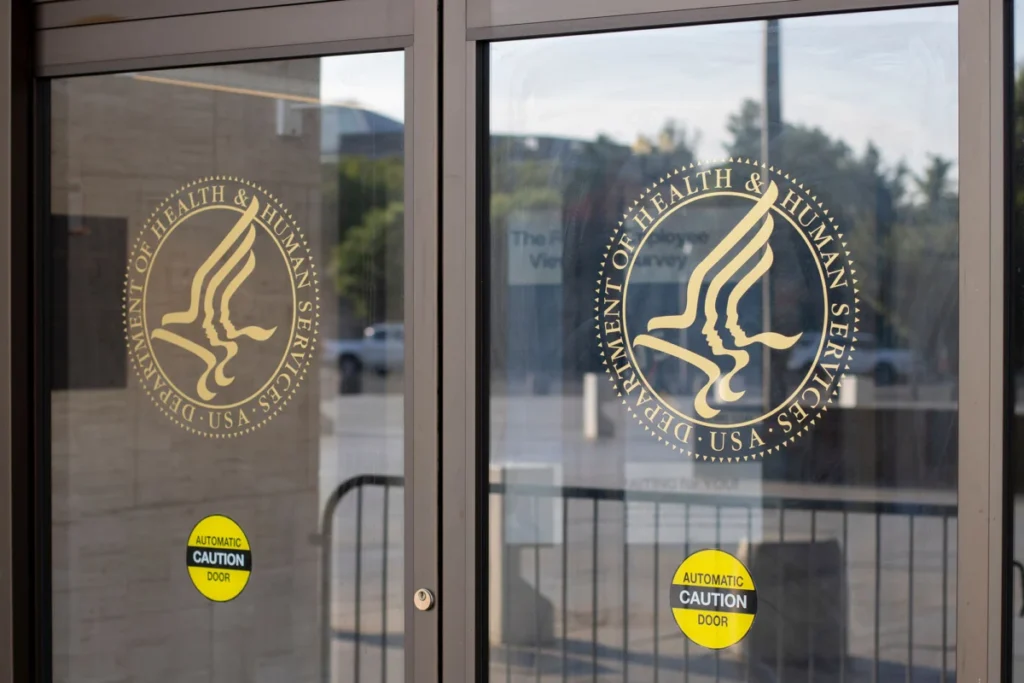
In a significant shift toward collaborative regulatory enforcement, the U.S. Department of Justice (DOJ) and the Department of Health and Human Services (HHS) have unveiled a groundbreaking pilot program designed to overhaul how healthcare entities address False Claims Act (FCA) violations. Announced this past Thursday, the initiative offers a tangible "carrot" for compliance: organizations that proactively identify, report, and remediate internal fraud may see their financial liabilities slashed by more than 50% compared to the traditional penalties mandated by federal law.
This pilot program represents a strategic pivot in federal oversight. By creating a formalized pathway for voluntary self-disclosure, the government aims to recover taxpayer funds more efficiently while encouraging a culture of transparency within the complex landscape of Medicare and Medicaid billing.
The Core Mechanism: A New Framework for FCA Penalties
The False Claims Act has long served as the federal government’s primary weapon in the fight against healthcare fraud. Under the FCA, violators are typically subject to "treble damages"—meaning they must pay three times the amount of the government’s actual losses—plus steep per-claim statutory penalties. Given that healthcare billing errors can involve thousands of individual claims, these totals often escalate into the hundreds of millions of dollars, frequently threatening the operational viability of hospitals, clinics, and pharmaceutical firms.
The new pilot program fundamentally alters this risk calculus. Under the terms of the initiative, healthcare entities that come forward voluntarily, provide full cooperation, and implement comprehensive remediation plans will be eligible for a significant reduction in their settlement amounts.
Key Incentives:
- Drastic Reduction in Multipliers: Qualified entities may avoid the standard treble damage assessment, with the DOJ signaling a preference for significantly lower multiples in exchange for total transparency.
- Penalty Mitigation: Per-claim penalties, which can be staggering, are expected to be waived or substantially reduced for entities that proactively disclose conduct before it is identified by government investigators or whistleblowers.
- Streamlined Resolution: By engaging early, organizations can bypass the protracted, high-stakes litigation phase that often accompanies FCA investigations, reducing both legal fees and reputational damage.
Chronology of Enforcement: From Aggressive Litigation to Collaborative Oversight
The evolution of federal enforcement in the healthcare sector has been marked by a transition from reactive "pay-and-chase" tactics to more sophisticated data-driven oversight.
The FCA Legacy (1986–2020)
Since the 1986 amendments to the False Claims Act, the DOJ has utilized the statute to recover billions of dollars annually. For decades, the enforcement model was predominantly adversarial. Federal prosecutors relied heavily on qui tam (whistleblower) lawsuits, where private citizens brought cases on behalf of the government. While effective at recovering funds, this model often led to years of discovery, depositions, and public trials that cast a shadow over the affected healthcare organizations.
The Push for Compliance Programs (2021–2024)
As healthcare systems became increasingly integrated and reliant on complex electronic health record (EHR) systems, the DOJ began to recognize that not all billing irregularities were the result of criminal malice. Many were the product of systemic failure or outdated billing software. Consequently, internal compliance departments became more robust, yet they lacked a clear "safe harbor" to report discovered issues without inviting catastrophic legal consequences.
The Launch of the Pilot Program (2025–Present)
Following months of internal deliberation, the DOJ and HHS announced the pilot program this week. The launch is intended to bridge the gap between compliance failure and legal accountability. By providing a structured, predictable process for self-disclosure, the agencies are signaling that they prefer to partner with organizations willing to clean their own houses.
Supporting Data: The High Cost of Non-Compliance
To understand the necessity of this pilot program, one must look at the fiscal landscape of healthcare enforcement. According to the DOJ’s own disclosures, settlements and judgments under the False Claims Act exceeded $2.9 billion in fiscal year 2024 alone. A massive portion of this sum is directly attributable to the healthcare sector, which continues to be the primary target of federal enforcement efforts.
The Financial Burden
- Treble Damages: When an entity is found liable, paying three times the loss is often the floor for negotiations. In high-volume billing environments, such as large hospital networks, these figures can spiral into the billions.
- Statutory Penalties: In addition to damages, the DOJ can impose penalties for every single false claim submitted. These are adjusted for inflation annually and serve as a massive compounding factor in total liability.
- The Cost of "Whistleblower" Culture: Qui tam cases often result in the whistleblower receiving 15% to 30% of the government’s recovery. This financial incentive has created a massive industry of legal firms dedicated to finding fraud, which, while beneficial for the Treasury, places immense pressure on healthcare administrators to keep their records spotless.
The pilot program aims to shift this dynamic. By incentivizing internal disclosure, the government hopes to move from a system where whistleblowers are the primary source of fraud detection to one where internal audit processes become the first line of defense.

Official Responses and Strategic Intent
The announcement has sent shockwaves through the legal and healthcare administration communities. Government officials emphasize that this is not an "amnesty" program, but rather a "cooperation" program.
DOJ Perspective
Department of Justice officials have clarified that the program requires more than just a phone call. To qualify for the reduction, an entity must:
- Fully disclose the conduct: The organization must provide all relevant facts, including the scope of the fraud and the individuals involved.
- Remediate the harm: Full restitution to federal health programs (Medicare, Medicaid, TRICARE) is a non-negotiable prerequisite.
- Prevent recurrence: The entity must provide evidence of a revamped compliance program designed to prevent the issue from surfacing again.
HHS/OIG Perspective
The Office of Inspector General (OIG) within HHS has echoed these sentiments, noting that their primary goal is the protection of the Medicare Trust Fund. "We are looking for partners in integrity," one official noted in the briefing. "If a hospital is willing to identify a systematic error and fix it before we have to deploy auditors, everyone wins. The taxpayer is made whole, and the hospital maintains its standing in the community."
Implications: A New Era for Healthcare Compliance
The introduction of this pilot program has profound implications for how healthcare entities manage their risk, their legal counsel, and their internal reporting structures.
For Compliance Officers
Compliance officers will likely see their influence grow within the C-suite. As the benefits of the pilot program become clear, the ability to conduct internal investigations and recommend self-disclosure will become a critical component of corporate strategy. However, this also places a significant burden on these officers to ensure their investigative processes are bulletproof, as partial or incomplete disclosures could result in disqualification from the pilot’s benefits.
For Legal Counsel
External counsel must now pivot from a purely defensive posture to one that involves strategic, proactive cooperation with the government. The decision to disclose is a high-stakes move; it requires an objective assessment of whether the conduct is truly eligible for the program and whether the entity has the evidence necessary to satisfy the DOJ’s stringent cooperation requirements.
For the Healthcare Market
We may see a short-term surge in reported fraud as organizations take advantage of the pilot program to "clean the slate" regarding legacy billing issues. In the long term, the market may stabilize as entities invest more heavily in proactive monitoring and AI-driven billing compliance, knowing that the government now offers a viable exit ramp for mistakes discovered internally.
Challenges and Risks
Despite the optimism, the program faces potential hurdles. Critics argue that the DOJ’s requirements for "full cooperation" are still nebulous, and that entities might still face significant scrutiny even after self-reporting. Furthermore, there is the risk that internal investigations could inadvertently trigger external lawsuits if the information is leaked or if the government decides the self-disclosure was not "timely" enough.
Conclusion
The joint DOJ-HHS pilot program is a clear acknowledgment that the current model of healthcare enforcement is ripe for change. By moving toward a more nuanced, incentive-based approach, the government is inviting healthcare providers to become active participants in the integrity of the federal health system.
While the reduction in potential fines is a powerful incentive, the true value of this program lies in the potential for a cultural shift. If successful, it could transform the relationship between the government and the healthcare industry from one of antagonism to one of transparency and shared accountability. As the program unfolds, the healthcare sector will be watching closely to see if this promise of reduced liability results in a genuine, sustainable improvement in the stewardship of public health funds.