

London, UK – [Date of Publication] – Gemmologists frequently encounter materials designed to mimic the allure of natural gemstones. While synthetic and composite stones can present complex identification challenges, those crafted from glass, often termed "paste," represent a particularly common and historically significant category. Far from being mere imitations, these glass creations represent a rich tapestry of artistic innovation and technological development spanning millennia. This article delves into the fascinating world of glass in antique jewellery, exploring its historical significance, diverse production methods, and the subtle clues that distinguish it from its precious stone counterparts, as illuminated by gemmological expert Pat Daly.
The Enduring Appeal of Glass: More Than Just a Substitute
For those immersed in the high-stakes world of precious gemstones, glass might be readily dismissed as a cheap substitute. However, such a perspective overlooks the profound aesthetic and technological advancements that have, over thousands of years, elevated glassmaking and design to sophisticated art forms. From the protective amulets of ancient Egypt to the dazzling creations of Art Nouveau masters, glass has consistently offered a versatile and accessible medium for adornment and expression.
The historical roots of glass in jewellery are deeply embedded in the desire for both beauty and meaning. In ancient Egypt, where jewellery played a crucial role in both ornamentation and spiritual protection, the vibrant hues and symbolic shapes of precious stones were highly prized. However, obtaining coveted materials like lapis lazuli from distant lands was often a costly and arduous undertaking. Glass emerged as an economical yet aesthetically pleasing alternative, capable of replicating the visual impact of rarer gems. Its significance is underscored by its extensive use in the funerary artifacts of Tutankhamun, including the iconic funerary mask, where its vibrant colours enhanced the regal and protective symbolism. This appreciation for glass as a gemstone simulant was not confined to Egypt; evidence of its use can be found in the archaeological records of Mesopotamia, China, Greece, and Rome, demonstrating a global recognition of its potential in decorative arts.
A Spectrum of Creation: The Diverse Production of Jewellery Glass
The creation of glass for jewellery has evolved through three primary methods, all of which were established in antiquity and continue to inform modern techniques. Understanding these methods is key to appreciating the artistry involved and identifying the materials accurately.

1. The Art of Paste: Mimicking Nature’s Brilliance
The term "paste" is crucial in gemmology when referring to artificial glass used as a gemstone simulant. This material is meticulously crafted by melting a precise blend of ingredients, including silica as the primary base, along with carefully selected coloring agents and chemicals designed to enhance its workability. Once molten, the glass can be molded into desired shapes or, in its solid state, cut and polished to achieve remarkable clarity and sparkle.
The versatility of paste is astounding. It can range from perfectly transparent to delightfully opaque, and its colour palette is virtually limitless, allowing it to emulate the hues of almost any natural gemstone. Furthermore, skilled artisans could manipulate paste to replicate the intricate textures and patterns found in precious stones. A common technique to enhance its brilliance and mimic the high refractive index of diamonds and corundum was to "foil-back" the paste in jewellery settings. This involved placing a thin layer of reflective material behind the stone, amplifying its sparkle and creating a convincing illusion.
Beyond simple colour replication, modifications to the production process allowed for the creation of sophisticated optical effects. These include the captivating "cat’s eye" effect, the shimmering iridescence reminiscent of opals, the sparkling aventurescence found in aventurine, and the star-like asterism seen in star sapphires and rubies. Even more complex effects could be achieved through devitrification. This process involves introducing specific ingredients that crystallize at a higher temperature than that at which the glass solidifies. The resulting fine, needle-like to branching crystallites suspended within the glass can closely resemble the polycrystalline structure of certain natural gemstones.
The resulting paste simulants are remarkably effective substitutes for a wide array of natural stones. Historically, paste-set jewellery offered practical advantages. For instance, in 18th and 19th century Europe, it was often fashionable to wear elaborate and showy jewellery. However, concerns about theft or loss could make wearing valuable pieces impractical. Paste jewellery provided a secure and stylish alternative. Today, well-crafted pieces from these periods can command significant prices in the antique market, testament to their enduring aesthetic appeal and historical importance. Even renowned jewellers like the Russian house Fabergé utilized red devitrified glass, known as purpurine, in their intricate carvings. These pieces, now highly collectible, are valued for their exquisite craftsmanship and the unique beauty of the material.
2. Enamel and Pâte de Verre: A Canvas of Colour and Form
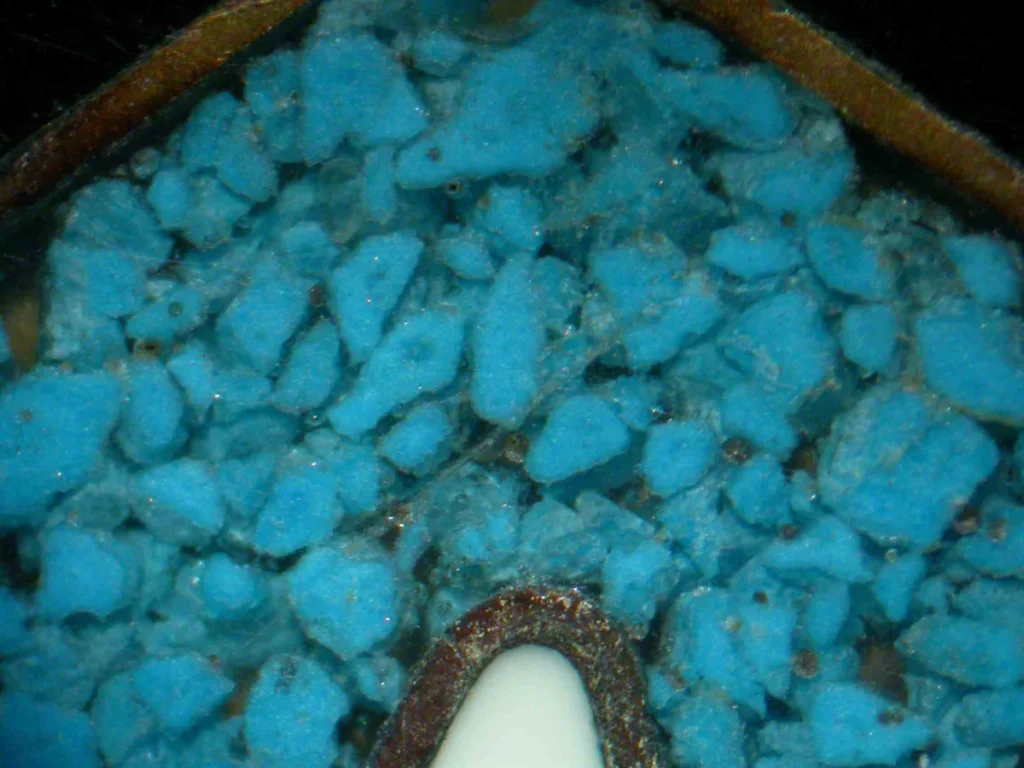
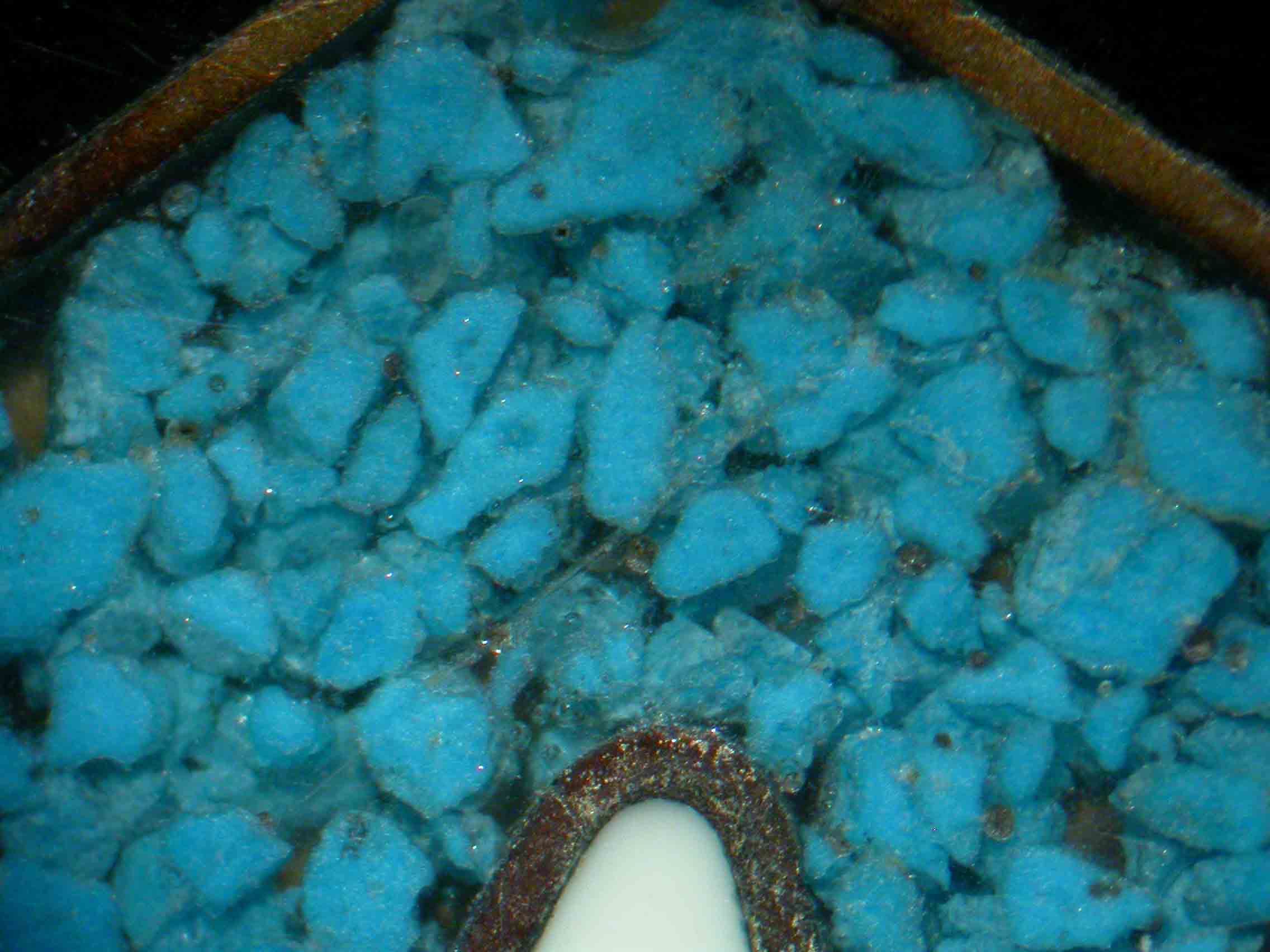
Enamel, and its more sculptural cousin, pâte de verre, represent another significant application of glass in jewellery. This technique involves mixing powdered glass of any desired colour with binding agents, typically oil. The resulting paste can then be applied to surfaces or into moulds and subsequently melted to fuse and harden.
Enamel is primarily used to imbue jewellery surfaces with vibrant colour. The application can be flat or gently curved, or it can extend into three-dimensional forms, creating sculpted elements. Artisans could use enamel to colour broad surfaces, often engraving the metal before application for intricate detailing. Alternatively, fine wires could be employed to delineate areas, confining individual colours to specific sections of a piece. A particularly captivating technique is plique-à-jour, which creates a stained-glass effect. This is achieved by constructing the wire framework on a temporary backing, which is then removed once the enamel has solidified, leaving behind delicate, translucent panes of colour.
Pâte de verre, on the other hand, focuses on sculpting with glass. By molding and heating glass powder, artisans could create carved or sculpted effects, with fine details often added through subsequent engraving. This method offered remarkable control over variations in colour, texture, and translucency, enabling the creation of truly striking visual effects. Pâte de verre experienced a surge in popularity during the late 19th and early 20th centuries, coinciding with the rise of the Art Nouveau style. Its naturalistic aesthetic made it ideal for capturing the organic forms and flowing lines characteristic of this movement. Master jewellers often combined pâte de verre with enamels, precious metals, and gemstones to achieve breathtaking results. Among the most celebrated exponents of this technique was René Lalique, whose exquisite creations are now highly sought after by collectors, with antique Lalique jewellery pieces fetching tens to hundreds of thousands of pounds today.
3. Glass Mosaics: Tiny Treasures, Grand Designs
Mosaics, a decorative art form with millennia of history, involve assembling small pieces of stone or glass to form larger, intricate patterns. In late medieval times, coloured glass fragments were employed to create religious motifs. This technique was later adapted in Italy, particularly during the 19th century, for the creation of jewellery intended for the burgeoning tourist market.
Italian artisans became renowned for their "micromosaics," where hundreds, sometimes even thousands, of individual glass tesserae could be meticulously arranged within a single square centimetre of surface area. These micromosaics often depicted classical architectural scenes or naturalistic designs, adorning jewellery, small boxes, and other decorative objects. The skill and precision involved in these miniature masterpieces are remarkable, and well-preserved examples of Italian micromosaic jewellery remain highly desirable today.
The Art of Discernment: Identifying Glass in Antique Jewellery
While the artistry of glass in jewellery is undeniable, accurate identification is crucial for collectors, appraisers, and gemmologists. Fortunately, the inherent physical properties of glass often provide clear indicators.
Enamels and pâte de verre can typically be recognized by the way they are incorporated into the jewellery, their characteristic molding and flow structures, and the occasional presence of small air bubbles trapped within the material. Given the significant value that some antique jewellery can hold, testing methods should be limited to careful observation. In cases of uncertainty, seeking advice from experienced professionals is always recommended.
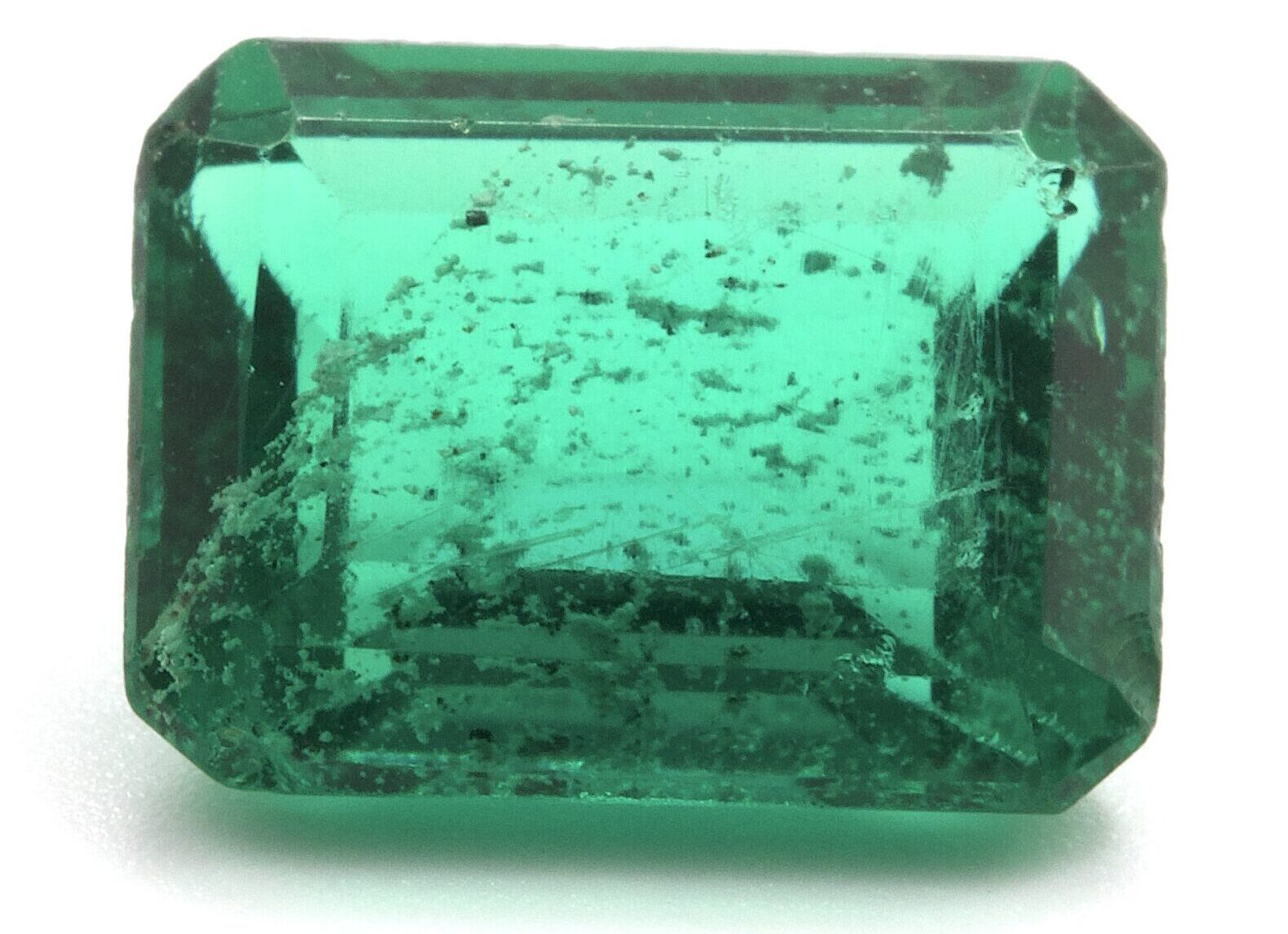
Transparent paste can be identified through a combination of gemmological tests. Under a polariscope, it will exhibit optical isotropy, meaning it behaves the same regardless of the direction of light. Crucially, it will lack pleochroism, the property of showing different colours when viewed from different angles, which can be detected using a dichroscope. Refractometer readings for transparent paste typically fall between 1.50 and 1.70. This specific combination of optical properties is not found in the natural gemstones commonly used in antique jewellery.
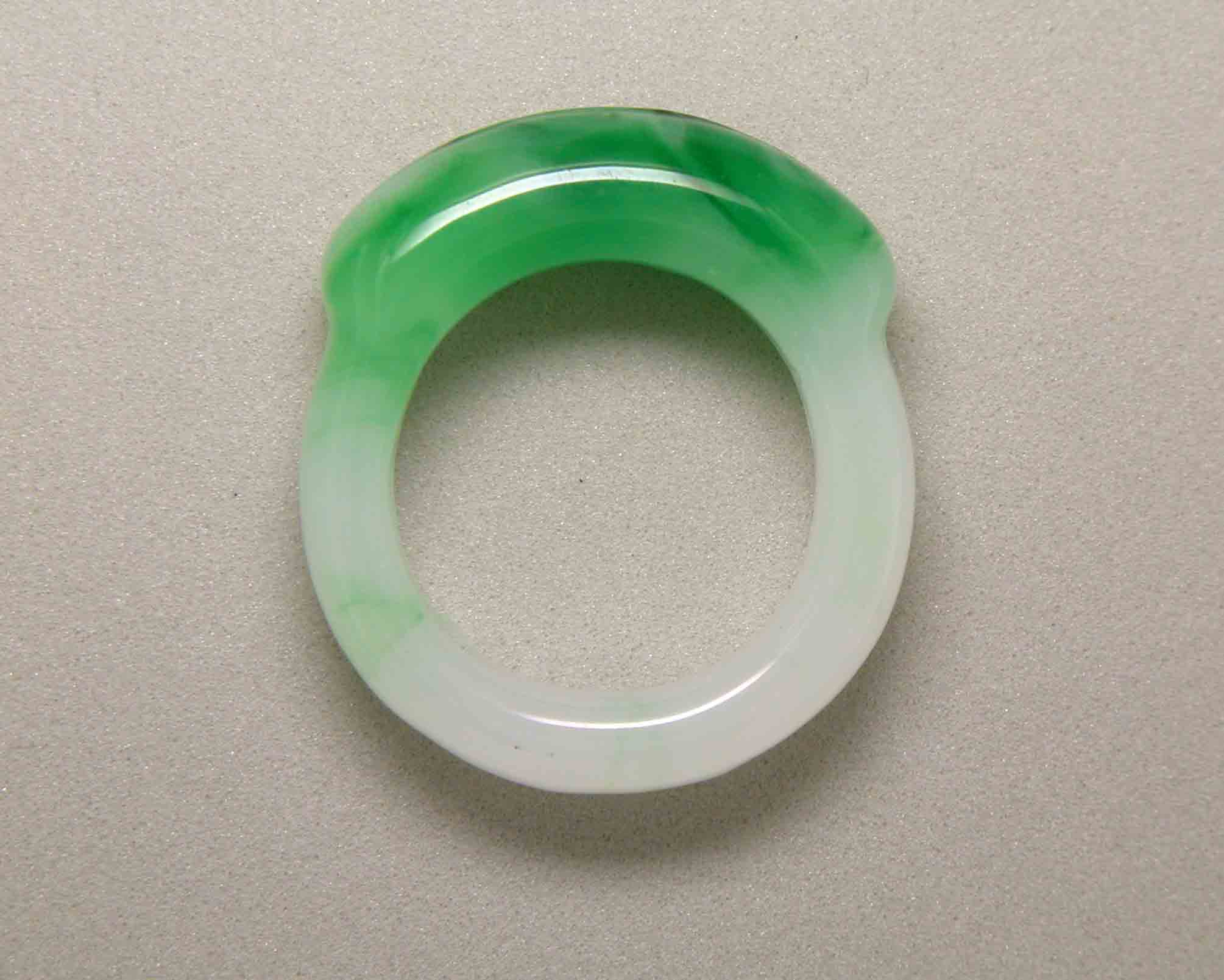
Opaque paste often displays small chips and scratches that exhibit a distinct glassy lustre. This characteristic is not observed on the natural fractures of polycrystalline gemstones, making it a strong indicator that the material is indeed glass.
Internal characteristics can also be telling. The presence of bubbles, often perfectly spherical or elongated, and swirl inclusions, which are internal curving flow structures, are common in paste. These features are less frequently encountered in natural gemstones and can be readily observed with appropriate magnification. Moulding marks, a residual sign of the manufacturing process, can also be a tell-tale sign of artificial glass.
A Legacy of Artistry and Value
Artificial glass, particularly in the form of paste, has historically been used to create affordable simulants for everyday jewellery. However, this does not diminish its artistic merit or historical significance. The skilled artisans and craft workers who meticulously shaped and polished these materials transformed them into some of the most appealing and collectible pieces of jewellery produced in previous centuries.
The value of these antique pieces is not solely derived from the intrinsic worth of their materials but from the artistry, historical context, and the enduring human desire for beauty and adornment. As gemmologists, it is essential to approach these materials with respect, recognizing the ingenuity and dedication that went into their creation.
Main Image: An oval-shaped faceted paste gem from the Gem-A Archives, showcasing the clarity and brilliance achievable with this versatile material.
For those new to the fascinating world of gemstones and eager to expand their knowledge, Gem-A’s introductory online course, GemIntro, offers a comprehensive and accessible starting point. Click here to access this valuable resource and begin your journey into gemmology.



