

Introduction: A Historic Arrival
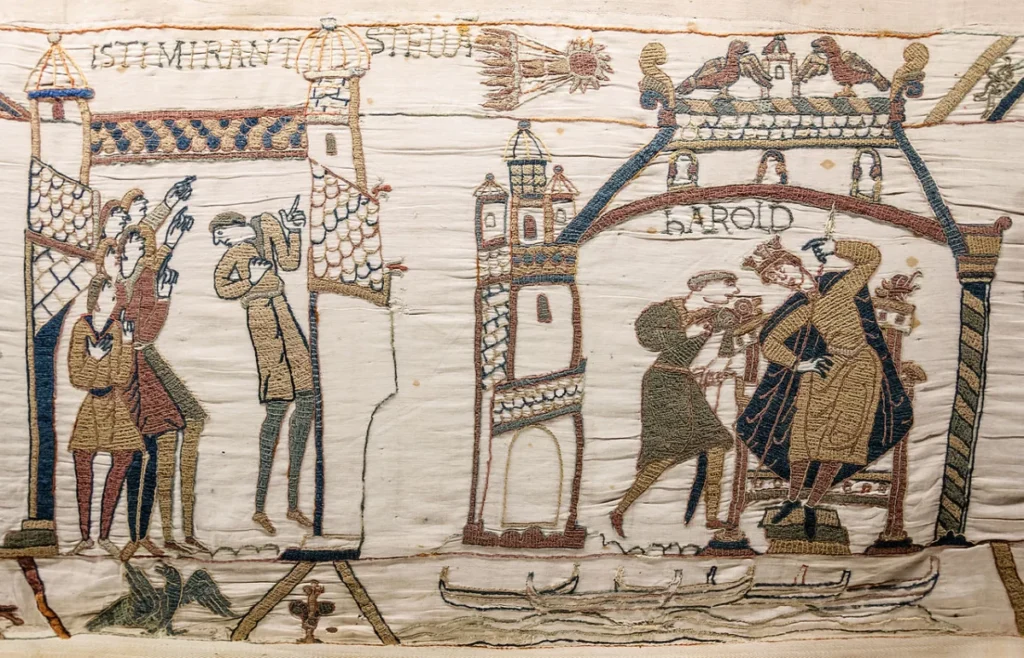
The arrival of the 11th-century Bayeux Tapestry at the British Museum in London was heralded as one of the most significant cultural exchanges of the decade. A monumental 230-foot-long embroidered narrative depicting the Norman Conquest of England in 1066, the tapestry has drawn hundreds of thousands of visitors since its cross-channel journey from Normandy earlier this fall.
However, the sheer gravity of this historical treasure has created a logistical "perfect storm." As crowds swarm the institution, the museum has struggled to balance the delicate preservation requirements of the fragile textile with the overwhelming public demand. Following a series of highly publicized incidents—including the premature closing of the exhibition for a gala dinner and a formal lawsuit regarding accessibility—the British Museum has announced a comprehensive overhaul of its visitor management strategy.
Chronology of a Cultural Phenomenon
The saga of the Bayeux Tapestry’s London residency has been marked by rapid shifts in fortune and public sentiment.
- Early Fall 2026: The tapestry is unveiled in London, marking a rare departure from its home at the Musée de la Tapisserie de Bayeux. Ticket demand reaches an all-time high, with the exhibition selling out almost immediately.
- Mid-October 2026: Reports emerge of visitors being turned away despite holding valid tickets. Tensions rise as wait times for the gallery stretch beyond two hours, leading to complaints of overcrowding.
- Late October 2026: The British Museum faces a public relations crisis when a blind visitor files a lawsuit, alleging the institution failed to provide necessary audio accommodations, rendering the exhibition inaccessible to those with visual impairments.
- Early November 2026: Criticism intensifies after the museum closes the exhibit early to host a private gala dinner, effectively invalidating the tickets of hundreds of pre-booked visitors.
- Mid-November 2026: Under mounting pressure, Director Nicholas Cullinan and the museum board announce an emergency strategic shift, promising extended hours, new accessibility features, and improved queue management.
Supporting Data: The Scale of the Challenge
The sheer volume of interest in the tapestry is difficult to overstate. According to recent internal reports from the British Museum, the exhibition has welcomed nearly 100,000 visitors in its first three weeks alone. This influx represents a significant percentage of the museum’s total monthly foot traffic, placing unprecedented strain on the Bloomsbury site’s infrastructure.
The Constraints of Preservation
The challenges faced by the museum are not merely administrative; they are scientific. Because the tapestry is an organic, light-sensitive textile, it is governed by strict conservation guidelines mandated by the French government. These "light-hour allocations" dictate precisely how long the work can be exposed to illumination, effectively placing a hard cap on the number of people who can view the piece at any given time. This explains the long queues; the museum is effectively "metering" the crowd to ensure the survival of the artifact for future generations.
Official Responses: "Getting It Right"
In a series of candid interviews, the leadership at the British Museum has acknowledged that the initial launch fell short of the institution’s standard of excellence.
"You don’t want anyone that comes to see [the Bayeux Tapestry] to have a bad experience," said Nicholas Cullinan, director of the British Museum, in a statement to the BBC. "Our focus is very much on getting it right and learning lessons from the early weeks of this exhibition."
Cullinan emphasized that the museum’s primary goal is to maintain a balance between the high-volume public demand and the rigid conservation requirements of the French authorities. The administration has expressed regret over the exclusion of visitors during the gala incident and has committed to prioritizing ticket-holders over private event bookings for the remainder of the exhibition’s run.
Implications: A New Era for Accessibility and Operations
The response from the museum is multifaceted, touching on technology, infrastructure, and policy.
Technological Accessibility
One of the most significant changes is the integration of audio guides. Initially, the museum had opted for a self-guided approach to avoid creating bottlenecks in the gallery. However, the legal and ethical pressure regarding accessibility has forced a pivot. The museum is now fast-tracking an audio guide integrated into its official mobile app. This not only provides a lifeline for blind and low-vision visitors but also serves as a pedagogical tool that may help streamline the flow of traffic by providing context, preventing visitors from lingering too long at any single panel.
Infrastructure Upgrades
For those enduring the two-hour wait times, the museum is implementing "human-centric" design tweaks. These include:
- Expanded Seating: Strategic placement of benches along the queue line to accommodate elderly visitors and those with mobility issues.
- Clearer Signage: Enhanced directional and informational markers to manage visitor expectations regarding wait times and exhibition rules.
- Operational Flexibility: While specific details remain under review, the museum is extending hours of operation. Currently, the museum maintains a 10:00 a.m. to 6:00 p.m. window on weekdays and a 9:00 p.m. closing on weekends; the new policy will likely push these boundaries to maximize the number of "light-hour" slots available to the public.
Looking Ahead: Managing the Future
As the museum prepares for the next phase of the exhibition, the stakes remain high. The upcoming member ticket booking window, which opens on October 6, covers the crucial period of January 1, 2027, through March 31, 2027. This period is expected to be just as popular as the initial launch.
Institutional Reputation and Lessons Learned
The situation at the British Museum serves as a case study for major cultural institutions globally. In an era of "blockbuster" exhibitions, the traditional museum model of static, long-term viewing is being tested by modern social media-driven demand. The lawsuit, while a source of reputational friction, has acted as a catalyst for a more inclusive approach to museum accessibility, which will likely set a new standard for future exhibits at the British Museum.
Furthermore, the tension between the museum’s role as a public educator and its role as a high-end venue for donors and gala events is now at the forefront of public discourse. The backlash against the gala dinner closing has sent a clear message: the public values access to historical artifacts over the museum’s private commercial activities.
Conclusion
The Bayeux Tapestry remains, as it has for nearly a millennium, a testament to human history and artistry. Its time in London is meant to be a celebration of that history. By responding with transparency, technological innovation, and a renewed commitment to accessibility, the British Museum hopes to transform the current logistical hurdles into a successful model for future large-scale, high-stakes exhibitions. As the museum enters the new year, the eyes of the art world will remain fixed on how it navigates the final months of this historic loan, ensuring that every visitor—regardless of ability or background—can bear witness to the intricate threads of the Norman Conquest.



