

By Caroline Jansen | Sept. 25, 2026
The corporate entity formerly recognized by millions as Bed Bath & Beyond Inc. has officially entered a new epoch. Now operating under the moniker "Neighborhood Intelligence," the company is aggressively pivoting away from its legacy as a brick-and-mortar home goods retailer, instead positioning itself as a diversified conglomerate with a heavy emphasis on digital assets, real estate technology, and home services.
In the latest development of this ongoing transformation, Neighborhood Intelligence has announced a significant restructuring of its previously disclosed merger agreement with real estate platform Fathom Holdings. This updated proposal signals a major shift in strategy, moving from a simple acquisition to a collaborative integration of high-value digital assets.
The Core of the New Deal: Digital Asset Integration
The restructured agreement, announced by the companies in a joint press release on Thursday, hinges on the contribution of "substantially all" of Neighborhood Intelligence’s digital portfolio to Fathom Holdings.
At the center of this asset transfer is a roughly 40% direct and indirect ownership interest in tZero Group—a firm specializing in digital securities and blockchain infrastructure—alongside various Medici-related fund assets and a direct stake in GrainChain. By injecting these assets into Fathom, Neighborhood Intelligence aims to create a hybrid entity that bridges the gap between traditional real estate brokerage and cutting-edge financial technology.
The companies have valued these digital contributions at a minimum of $130 million. Under the proposed terms, Fathom will issue new shares to Neighborhood Intelligence, with the final equity split to be determined as the deal reaches its conclusion. Crucially, the structure is designed to ensure that Neighborhood Intelligence maintains a controlling interest in Fathom, cementing its role as the primary architect of the new, merged entity’s future.
Chronology of a Corporate Metamorphosis
To understand the current pivot, one must look at the rapid-fire changes that have characterized the company since its departure from the traditional retail sector.
- June 2026: Neighborhood Intelligence first announces its intention to acquire Fathom Holdings in an all-stock transaction initially valued at approximately $53 million. The goal was to solidify a presence in the residential real estate market.
- August 2026: The company faces a setback in its broader diversification strategy when it abruptly cancels a $150 million deal to acquire F9 Brands—the parent company of home-improvement staples Cabinets to Go and Lumber Liquidators. The company cited F9’s inability to meet closing requirements as the primary catalyst for the termination.
- September 2026: Just weeks after the F9 collapse, Neighborhood Intelligence unveils the revised Fathom deal, shifting from an acquisition model to a digital-asset-heavy strategic partnership.
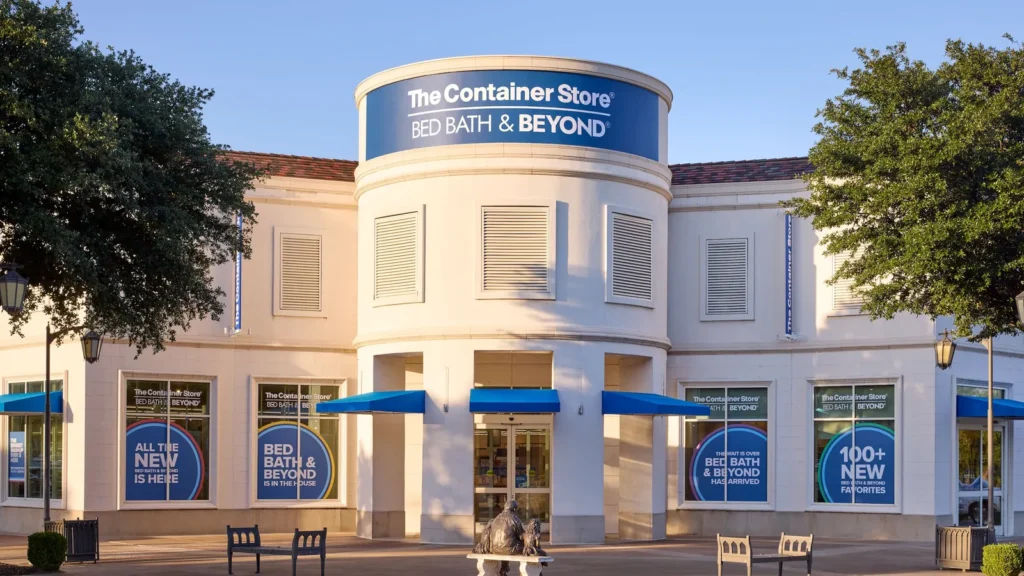
This timeline reflects a volatile period of trial and error. The company has moved from acquiring physical home-goods brands—such as its strategic investments in The Container Store and The Brand House Collective (formerly Kirkland’s Inc.)—to a more abstract, high-tech portfolio.
Strategic Valuation and Market Reality
The financial logic behind this new deal is complex, particularly given the current market climate. Neighborhood Intelligence Executive Chairman and CEO Marcus Lemonis was quick to clarify that the $130 million valuation is not tethered to Fathom’s current, fluctuating market capitalization.
"Fathom’s share price is lower today than it was when the deal was originally announced three months ago," Lemonis acknowledged in a statement. However, he remains bullish on the underlying performance of the business. "We believe its brokerage and title businesses have made meaningful progress during that same period. The proposed structure is intended to recognize both that progress and the value we believe exists in the digital asset portfolio Neighborhood would contribute."
This approach suggests that Neighborhood Intelligence is looking past short-term stock volatility, banking instead on the long-term potential of tokenizing real estate and streamlining homeownership through technology.
The Vision: Tokenizing the Homeownership Experience
The rationale behind integrating tZero’s digital securities infrastructure into Fathom’s real estate platform is ambitious. The companies believe that the real estate sector is ripe for disruption via blockchain technology.

"The companies believe that real estate represents a natural application for tZero’s digital securities infrastructure," the press release stated. Potential applications mentioned by the firms include:
- Tokenization of Commercial Real Estate: Allowing for fractional ownership and increased liquidity in what has traditionally been an illiquid market.
- Rental Portfolio Management: Creating more flexible capital structures for single-family rental portfolios.
- Homeownership Services: Exploring new digital pathways for title services and personal homeownership management, effectively creating a "digital passport" for residential properties.
By moving these operations under the Fathom umbrella, the companies hope to create a closed-loop ecosystem where a customer could theoretically purchase a home, secure a title, and manage their investment portfolio all through a single, blockchain-enabled digital interface.
Implications for Stakeholders and the Market
The implications of this move are significant for both retail analysts and tech investors. For shareholders, the transition from a traditional retailer to a "Neighborhood Intelligence" entity represents a move into higher-risk, higher-reward territory.
1. The Shift Away from Traditional Retail
The collapse of the F9 Brands deal, combined with the pivot to Fathom, indicates that the leadership team has lost its appetite for traditional, physical-heavy retail acquisitions. While the company still retains interests in The Container Store and The Brand House Collective, the primary focus of its capital and management bandwidth has clearly migrated toward the digital and service-based sectors.
2. Regulatory and Execution Risks
Integrating blockchain technology into regulated real estate services—such as title insurance and property transactions—is a monumental regulatory challenge. The firms have not yet provided a detailed roadmap for how they intend to navigate state-level real estate laws while implementing tokenization. Investors will be watching closely to see if the SEC or local real estate commissions raise objections to the digital securities components of the business.
3. Management’s "Buy and Build" Strategy
Under Marcus Lemonis, the company has operated with a "buy and build" philosophy, attempting to aggregate home-related assets under one umbrella. This latest pivot suggests that the "build" portion of that strategy now leans heavily on proprietary software and fintech. Whether this can actually generate sustainable revenue remains the primary question for Wall Street.

Official Responses and Next Steps
As of the time of writing, both Neighborhood Intelligence and Fathom Holdings have remained tight-lipped regarding specific closing dates or potential regulatory hurdles. Requests for further comment on the exact share count and the final integration timeline have not been answered by either party.
Industry analysts are taking a "wait and see" approach. The ambiguity surrounding the final share count—which remains dependent on final deal terms—leaves a degree of uncertainty for existing Fathom shareholders. However, the move clearly demonstrates that Neighborhood Intelligence is no longer a company content to manage the decline of its legacy retail roots; it is a firm in a race to redefine the infrastructure of home ownership through the lens of digital asset management.
Whether this bold experiment in real estate technology will provide the necessary returns to stabilize the company’s finances remains the defining question for its future. For now, the "Neighborhood Intelligence" experiment continues to push forward, leaving the ghosts of the Bed Bath & Beyond brand further in the rearview mirror.



