Luxury real estate is defined by its ability to offer an unparalleled blend of comfort, seclusion, and convenience. From soaring glass atriums and sprawling terraces to private garages and interconnected smart-home ecosystems, these residences are architectural marvels. However, the very features that define their elegance—such as expansive sliding doors and multiple service access points—also create complex security challenges. In an era where physical security is as vital as digital defense, homeowners must adopt a holistic strategy to protect their most significant investments.
The Foundation of Residential Security: Beyond Alarms and Cameras
While modern surveillance, such as high-definition CCTV and motion-sensing alarm systems, provides essential monitoring, they remain reactive measures. Physical security, by contrast, is the first line of defense. A robust security strategy is built upon the integrity of hardware: the locks, hinges, frames, and protocols that dictate who can enter, when, and how.
The goal for the high-net-worth homeowner is a "frictionless" security experience—one where the property is impenetrable to unauthorized individuals while remaining accessible and welcoming to residents and authorized personnel. Achieving this requires a rigorous, systematic approach to property maintenance and access management.
Assessing Every Entry Point: A Chronology of Vulnerability
Security professionals often use the "onion principle," where the property is protected by layers. The outermost layer consists of perimeter gates and driveway entrances, moving inward to the main structural entry points.
1. The Perimeter and Secondary Entrances
Homeowners frequently prioritize the main entrance, yet vulnerabilities often lurk in the periphery. Basement egress points, service entrances, and detached garage doors are historically the weakest links in residential security. These areas, often hidden from the street, provide ideal cover for unauthorized access.
2. Contemporary Architectural Challenges
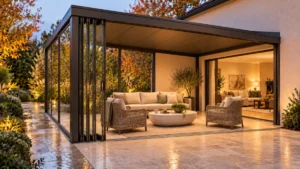
Modern design trends have introduced unique hardware demands. Floor-to-ceiling glass walls and large-format sliding patio doors require specialized locking mechanisms. Unlike traditional solid-core wooden doors, these features rely on complex tracks and locking rods. Over time, the structural settling of a home can cause these doors to misalign, leading to compromised seals and failing locks.
3. The Lifecycle of Hardware
A professional assessment should follow a recurring cycle:
- Monthly: Inspect door alignment and ensure all deadbolts engage smoothly without manual force.
- Quarterly: Lubricate hinges and check for loose strike plates.
- Annually: Conduct a comprehensive audit of all high-security cylinders and electronic interfaces.
Managing Access Permissions in a High-Traffic Household
Luxury properties often function as mini-enterprises, requiring a steady stream of housekeepers, private chefs, estate managers, landscapers, and security contractors. Each entry point is a potential access vector that must be managed with precision.
The Problem of "Key Creep"
"Key creep" occurs when physical keys are duplicated and circulated among contractors or staff without an oversight mechanism. When a staff member departs, or a renovation project concludes, the security of the home is effectively downgraded if those keys are not returned or if the locks are not rekeyed.
Implementing Access Protocols
To mitigate risk, homeowners should:
- Centralize key management: Utilize a secure, monitored lockbox for staff keys, or transition entirely to digital credentials.
- Regular Audits: Perform a "security reset" following any significant change in household staff.
- Access Tiering: Limit access to specific zones of the house. For instance, maintenance staff should ideally have access to service areas but not to primary living quarters or master suites.
The Digital Frontier: Integrating Smart Locks
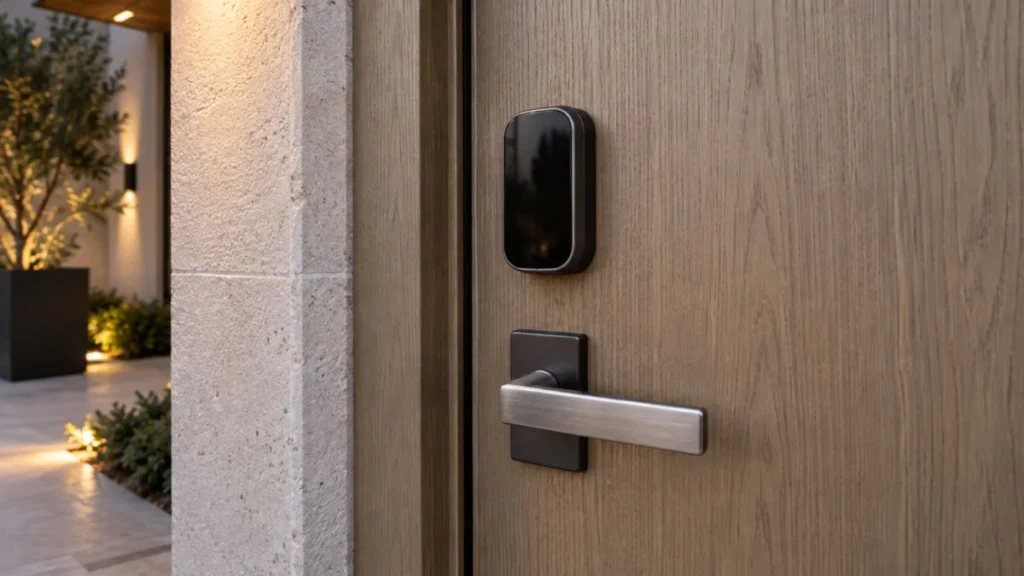
The rise of smart-home technology has revolutionized access control, allowing homeowners to manage their properties from across the globe. However, this convenience comes with a mandate for rigorous digital hygiene.
The Dual-Layer Security Model
Smart locks should act as a supplement to, not a replacement for, high-grade mechanical security. A robust smart system should include:
- End-to-End Encryption: Ensure the communication between the lock and the hub is encrypted.
- Multi-Factor Authentication (MFA): Never rely solely on a password for your access management app; enable biometric or token-based MFA.
- Redundancy Protocols: Always maintain a traditional mechanical override (a physical key) kept in a secure location. If the network goes down or the battery fails, you must have a way to enter without compromising the structural integrity of a door or window.
Official Guidance: When to Call the Experts
Despite the best DIY efforts, there are moments when professional intervention is required. Relying on generic locksmith services for high-end, custom-installed hardware is a common mistake.
Selecting a Qualified Professional
When choosing a locksmith, homeowners should verify the following:
- Credentialing: Ensure the firm is licensed, bonded, and insured.
- Hardware Expertise: Confirm the locksmith has specific experience with high-security brands (such as Medeco, Mul-T-Lock, or smart-integrated hardware like Yale or Schlage).
- Transparency: A reputable professional, such as those at Guaranteed Locksmith, should provide a clear, itemized estimate before beginning any work, explaining the distinction between a simple rekeying and a total cylinder replacement.
Supporting Data: The Cost of Negligence
Industry data suggests that the vast majority of unauthorized entries occur through doors left unlocked or improperly secured, rather than through sophisticated "bypassing" of high-end security.
- The 30-Second Rule: Security experts note that if a break-in takes longer than 30 seconds to initiate, the likelihood of a burglar abandoning the attempt increases exponentially. Well-maintained, high-quality deadbolts and reinforced strike plates are the primary tools used to achieve this delay.
- Investment Preservation: Upgrading a home’s physical security is not merely a defensive cost; it is an investment in property value. A home with an integrated, modern access system is more attractive to future buyers and is viewed as a "turn-key" asset.
Implications for Future-Proofing
The future of luxury residential security lies in the convergence of physical hardware and biometric identification. As facial recognition and fingerprint scanning become more common in high-end architecture, the importance of "mechanical fail-safes" will remain critical.
The Holistic Approach
The objective of these security measures is to provide peace of mind without creating a "fortress" aesthetic. Privacy is the ultimate luxury; ensuring that the technology protecting that privacy is invisible, seamless, and reliable is the hallmark of a well-managed estate.
Conclusion: Security as a Lifestyle
A truly secure property is one where security is woven into the fabric of daily life. It is not a singular event—like installing a new camera—but a continuous process of maintenance, review, and improvement.
By systematically assessing entry points, managing personnel access with strict protocols, integrating smart technology with caution, and engaging with professional locksmith services, homeowners can protect their privacy and their assets. As you move through the seasons, ensure that your property’s security plan remains as dynamic as the life you lead within its walls. A considered approach to hardware today ensures that your sanctuary remains your own, providing both the comfort you deserve and the security you require.