In the rapidly evolving landscape of wearable technology, the chasm between functional fitness trackers and high-end horology has long been a point of contention for enthusiasts. Since 2019, Garmin has been bridging this gap with its MARQ collection, a series of "modern tool watches" designed for individuals who demand the precision of advanced GPS-centric electronics wrapped in the aesthetic language of luxury watchmaking.
Recently, in the coastal backdrop of Mallorca, Spain, Garmin officially unveiled the third generation of the MARQ collection. This launch marks more than just a routine hardware refresh; it represents a fundamental shift in how the company approaches material science, user-interface design, and the philosophy of the connected experience.

Main Facts: The Evolution of the Modern Tool Watch
The 2026 Garmin MARQ Generation 3 collection introduces six core models, each tailored to specific professional and recreational pursuits: the Athlete, Adventurer, Commander, Aviator, Diver, and Golfer.
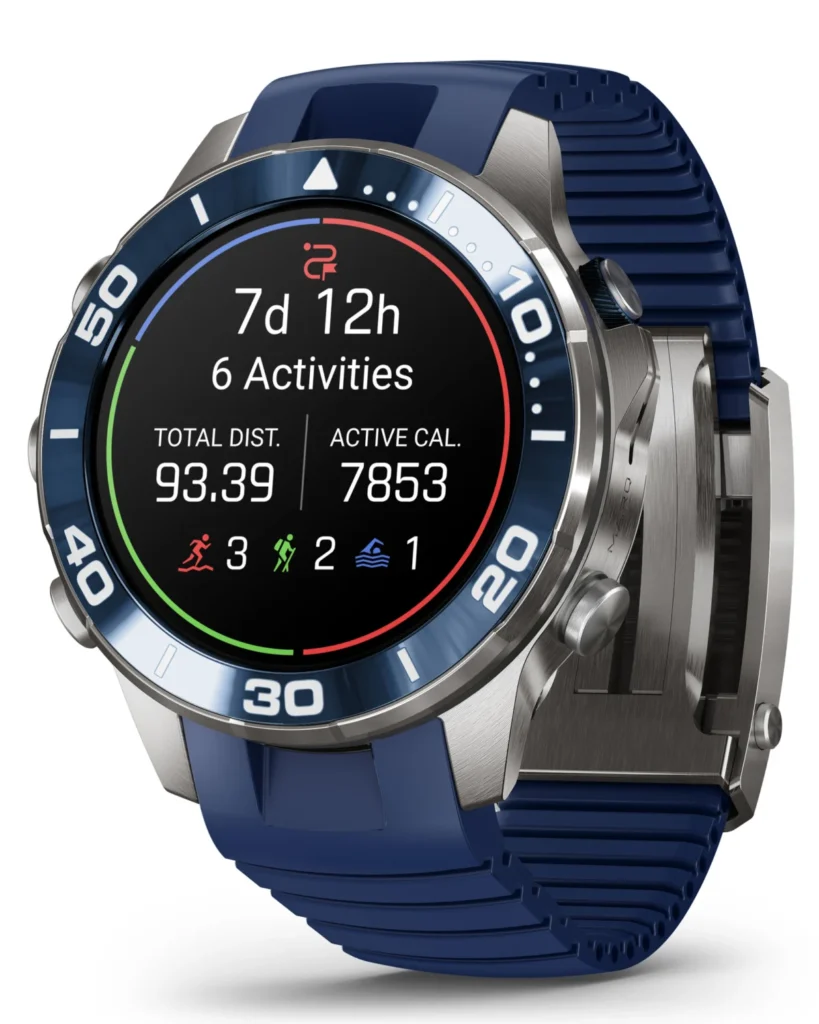
While these watches are undeniably smart, they are defined by their physical construction. Garmin has moved away from the utilitarian aesthetic typical of its mass-market devices, opting for Grade 5 titanium, ceramic bezels, and a "borderless" AMOLED display that stretches to the very edge of the casing. These watches are not merely trackers; they are robust, high-end timepieces that happen to run the world’s most sophisticated navigation and biometric software.

Key technical specifications for the collection include:
- Case Material: Grade 5 Titanium with ceramic bezel inserts.
- Display: 1.4-inch, 452×452 resolution AMOLED, capable of 3,000 nits brightness.
- Storage: 128GB of internal memory.
- Battery Life: 7 to 18 days depending on usage, with extended endurance modes.
- Weight: 62 grams (excluding strap).
- Environmental Resistance: Advanced inductive sensor housing for water-tight integrity.
A Chronological Perspective: From 2019 to 2026
To understand the magnitude of the Gen 3 launch, one must look at the trajectory of the MARQ project.

2019: The Genesis. Garmin introduced the first-generation MARQ, signaling the company’s entry into the luxury space. It was a bold move for an engineering-focused firm, proving that a device could be both a high-tech tool and a desirable luxury accessory.
2023: The Iteration. The second-generation release focused on refining the software experience and introducing the AMOLED screen technology that would become the industry standard. It solidified the MARQ’s place in the market but retained some of the architectural DNA of the Fenix series.

2026: The Paradigm Shift. The third generation moves beyond the "smartwatch as a tool" concept. By incorporating nano-moulding technology to molecularly bond titanium with polymers—allowing for signal transmission through metal—Garmin has achieved a thinner, more durable, and more visually coherent design. This represents the first time the company has successfully merged high-frequency antenna functionality with a premium, fully metallic exterior aesthetic.
Engineering and Material Innovation
The standout achievement of the MARQ Gen 3 is its proprietary approach to casing. Mass-production companies traditionally avoid complex metalwork due to the intensive nature of CNC machining. However, Garmin has implemented advanced manufacturing processes to ensure the Gen 3 feels distinct from its stablemates.

The use of nano-moulding is particularly revolutionary. By molecularly binding titanium with polymer, Garmin has bypassed the need for unsightly plastic gaskets or cutouts traditionally used to house antennas. Furthermore, the introduction of "inductive pushers" removes the physical holes in the case normally required for buttons. This creates a near-impenetrable barrier against water and debris. When a user presses a pusher, they receive a crisp, tactile click—a detail that mimics the feel of a mechanical chronograph, bridging the gap between digital utility and analog satisfaction.
Official Stance: Hardware Ownership vs. Subscription Fatigue
One of the most significant implications of the MARQ Gen 3 launch is Garmin’s firm stance against the prevailing trend of "wearable subscription fatigue." In an industry where tech giants are increasingly placing health metrics and advanced features behind paywalls, Garmin has doubled down on the hardware-first model.

During the launch in Mallorca, representatives confirmed that the company has no intention of forcing users into a recurring revenue model for core health data. Garmin’s philosophy is rooted in the idea that when a customer spends between $2,500 and $3,100 on a timepiece, they own the experience. Aside from niche, high-performance athletic services, the full suite of tracking, mapping, and biometric data remains free of charge for the life of the device. This provides a compelling value proposition in an era where consumers are increasingly wary of "downstream" costs associated with smart devices.
The Integration of InReach Connectivity
Perhaps the most life-saving addition to the Gen 3 is the full integration of Garmin’s InReach satellite and LTE connectivity. Previously, these features were reserved for standalone, ruggedized handheld devices. By bringing this to the wrist, the MARQ Gen 3 functions as a true "untethered" safety device.

The two-way satellite messaging and SOS beacon functionality function independently of a mobile phone connection. This is a game-changer for the target demographic—adventurers, pilots, and divers—who may find themselves in remote areas with no cellular coverage. Crucially, the emergency SOS feature is available to all users, even those without a paid InReach subscription, reinforcing Garmin’s commitment to safety as a foundational utility rather than a premium service.
Implications for the Industry
The release of the MARQ Generation 3 signals a maturity in the luxury smartwatch sector. As many competitors have retreated or pivoted toward entry-level fitness trackers, Garmin has moved up-market, capturing a significant share of users who value longevity, reliability, and the tactile experience of a premium watch.

The "fragmentation" of the MARQ line—with six models offering slightly different software packages—is a deliberate strategic choice. By tailoring specific software tools to the "Aviator" or the "Golfer," Garmin creates a sense of belonging and specialization for its users. While this can sometimes be confusing for the general consumer, it effectively differentiates the product from a generic, one-size-fits-all smartwatch.
The success of this strategy is evident in the brand’s resilience. By acting as a hardware manufacturer rather than a data-service provider, Garmin avoids the "stickiness" traps that alienate many modern tech consumers. They have created a product that feels like a classic watch—an object you purchase, maintain, and enjoy for years, rather than a disposable piece of tech that becomes obsolete after two software cycles.

Pricing and Market Position
The Garmin MARQ Generation 3 collection is positioned at the top tier of the wearable market:
- MARQ Athlete: $2,500 USD
- MARQ Adventurer: $2,700 USD
- MARQ Golfer: $2,800 USD
- MARQ Commander, Diver, and Aviator: $3,100 USD
These prices reflect the significant investment in material sciences, the inclusion of the 128GB memory architecture, and the refined, borderless AMOLED display. For the enthusiast, these are not just smartwatches; they are sophisticated instruments.

As we look toward the future of the industry, the MARQ Gen 3 sets a high bar. It proves that there is still a massive, underserved market for high-end, purpose-built smartwatches that prioritize the user’s autonomy and the tactile quality of the hardware. Garmin has successfully demonstrated that the future of the connected watch doesn’t have to be a monthly invoice—it can be a piece of fine equipment that stands the test of time.