

In an era defined by the rapid transition toward sustainable energy, Europe’s power grid is becoming increasingly reliant on interconnected, decentralized renewable infrastructure. However, a startling new investigation by the Dutch National Cyber Security Centre (NCSC-NL) and the cybersecurity firm Modat has revealed that the bedrock of this transition—thousands of solar parks and wind farms—is sitting on a precarious digital foundation.
The research identified over 8,500 exposed systems linked to renewable energy infrastructure across 40 European nations. These systems, which include operational panels and management interfaces, were found to be directly accessible via the public internet, bypassing the robust security perimeters typically required for critical national infrastructure. The findings serve as a sobering wake-up call for an industry that has prioritized rapid deployment and remote connectivity over foundational cybersecurity hygiene.
The Scope of the Vulnerability: A Continental Exposure
The investigation spanned 40 European countries, revealing that the problem is not isolated to any single region or energy technology. Of the countries surveyed, 35 were found to have systems exposed to the public internet.
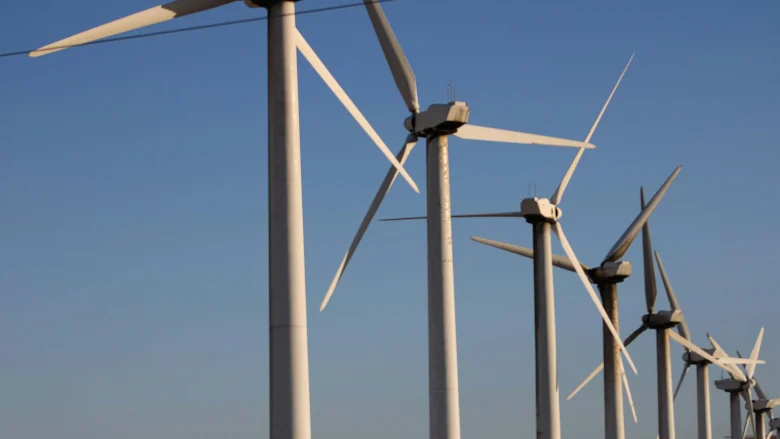
The vast majority of these exposures are tied to the solar energy sector. According to the data, 7,942 individual solar installations were identified as having publicly reachable endpoints. While wind energy infrastructure demonstrated a smaller footprint in the findings, it was by no means immune; 605 wind farms across 23 countries were similarly exposed.
Perhaps most alarming is the functional nature of these exposed systems. Researchers determined that approximately 181 of these sites provided a level of access that could potentially allow for full operational control. This implies that unauthorized actors—ranging from curious hobbyists to state-sponsored advanced persistent threat (APT) groups—could potentially manipulate the output, settings, or safety parameters of these power-generating assets.
Chronology: How the Research Unfolded
The discovery was not the result of a single, sudden breach, but rather the culmination of systematic scanning and reconnaissance of the European digital landscape.
- Initial Reconnaissance: Researchers began by identifying the digital "attack surface" of the European renewable energy sector. By utilizing non-AI-based automated scanning tools—long the standard in cyber-intelligence—the team mapped public-facing IP addresses associated with known renewable energy providers, hardware manufacturers, and regional utility grids.
- Data Aggregation: Over several months, the team cross-referenced these IPs with known industrial control system (ICS) and supervisory control and data acquisition (SCADA) protocols. This allowed the researchers to distinguish between public websites and sensitive operational management interfaces.
- Verification: Once the exposed interfaces were identified, the NCSC-NL and Modat teams verified the level of access afforded by these endpoints. They categorized them by the level of risk, identifying those that required no authentication or utilized weak, default credentials.
- Reporting and Disclosure: Following the identification of the 8,500 exposed systems, the findings were processed through standard cybersecurity disclosure channels. The goal was to alert the affected operators to the urgent need for remediation before these vulnerabilities could be weaponized by malicious actors.
Supporting Data: The Anatomy of the Threat
The data underscores a systemic failure in the deployment of Operational Technology (OT). Unlike Information Technology (IT) systems, which have benefited from decades of mature security practices, OT systems in the renewable sector have often been deployed under the assumption that "security through obscurity" was sufficient.
The breakdown by technology—7,942 solar versus 605 wind—reflects the architecture of these systems. Solar parks, which are often highly decentralized and modular, frequently utilize web-based monitoring portals that are easier to access remotely. Because these systems are often managed by third-party contractors or small-scale operators, the implementation of enterprise-grade security is often inconsistent.
The 181 sites deemed to offer "full operational control" represent the most significant risk. In these instances, the exposed interface is not merely a monitoring dashboard but a gateway into the logic controllers that manage energy conversion, grid synchronization, and physical safety mechanisms.
Security Leaders Weigh In: A Failure of Fundamentals
The cybersecurity community has reacted to the NCSC-NL report with a mix of frustration and urgency. Experts suggest that this is not a failure of technology, but a failure of architectural philosophy.
Damon Small: The Zero-Trust Imperative
Damon Small, a member of the Board of Directors at Xcape, Inc., emphasizes that these exposures are a direct result of ignoring the basic tenets of network security.
"Unauthenticated, Internet-exposed interfaces on critical infrastructure threaten regional grid resilience and create operational, legal, and reputational risk," Small stated. He argues that while remote access is a business necessity for managing remote wind turbines and solar fields, it must be gated behind secure protocols.
"Organizations must move away from exposing control panels directly to the public internet," Small added. "Instead, they must implement zero-trust access, network segmentation, and multi-factor authentication (MFA). The cost of conducting a threat model before deployment is a mere fraction of what an incident responder will charge to explain why ‘root’ was still the password after a catastrophic system breach."
Steven Swift: Demystifying the Role of AI
Steven Swift, Managing Director of Suzu Labs, provides a pragmatic perspective on the nature of the threat, warning against over-hyping the role of Artificial Intelligence in these discoveries.
"This isn’t an AI problem," Swift noted. "We’ve seen decades of organizations putting resources directly onto the public internet with minimal to no protections, and then acting surprised when it is found and exploited."
Swift points out that the industry of mapping the global attack surface is already mature and highly efficient. Automated tools—which have existed for years—constantly crawl the IPv4 space, cataloging everything they find. "If you put a resource on the internet, existing, non-AI automation will find it, document it, and put it into a database for easy access," he said.
Swift also highlights the specific risk profile of the renewable sector: "Much of the wind and solar infrastructure is decentralized. While 8,500 devices is a large number, the impact of a single breach might be limited to a specific site. However, the cumulative risk to the grid is real. If an attacker wanted to cause harm, they could go beyond simple outages and tamper with working configurations, potentially causing permanent hardware damage through intentional overloading."
Implications for Critical Infrastructure
The implications of this research are far-reaching. As Europe accelerates its "Green Deal" and attempts to reach carbon neutrality, the integration of thousands of new, potentially vulnerable assets into the grid creates an ever-expanding target for adversaries.
1. Grid Stability and Physical Safety
The primary concern is the physical stability of the electrical grid. Renewable energy sources are intermittent; they rely on sophisticated software to manage the flow of electricity and maintain frequency balance. If an attacker gains unauthorized control over these systems, they could theoretically trigger a cascade failure or force hardware to operate outside of safe tolerances, leading to long-term physical damage that is expensive and time-consuming to repair.
2. Legal and Regulatory Pressure
The NCSC-NL findings will likely trigger a tightening of regulatory requirements. Under the EU’s NIS2 Directive (Network and Information Security Directive), operators of essential services are already under increased pressure to report and mitigate cybersecurity risks. This report provides regulators with the ammunition needed to enforce stricter compliance, potentially mandating audits for all renewable energy providers.
3. The "Third-Party" Risk Factor
A significant portion of the exposed systems may be managed by third-party vendors or subcontractors. This introduces a "supply chain" vulnerability where a small, under-resourced vendor acts as the entry point for an attack on a major utility. Moving forward, large energy corporations will be forced to demand higher security standards from their contractors, turning cybersecurity into a key performance indicator in procurement contracts.
Conclusion: A Call for Architectural Maturity
The findings from the NCSC-NL and Modat serve as a stark reminder that the digital transformation of the energy sector is not complete until it is secure. The industry must move away from the "convenience first" mentality that has characterized the deployment of renewable assets over the last decade.
The path forward is clear, if demanding:
- Mandatory Threat Modeling: Security must be baked into the design phase, not bolted on after the hardware is in the field.
- Aggressive Network Segmentation: Operational technology must be physically or logically isolated from the public internet.
- Secure Access Gateways: Remote access must be facilitated exclusively through encrypted VPNs or Zero-Trust Network Access (ZTNA) solutions, fortified by multi-factor authentication.
- Credential Lifecycle Management: The era of default, static, or shared passwords must end. Automated credential rotation and robust identity management are no longer optional.
As Europe’s power grid becomes increasingly decentralized and "smart," the security of every individual solar panel and wind turbine matters. The digital Achilles’ heel identified by this report is fixable, but it requires a fundamental shift in how the renewable energy industry views its responsibility to the public and the grid that powers it. The tools to secure this infrastructure exist; what remains to be seen is whether the industry has the collective will to use them.



