

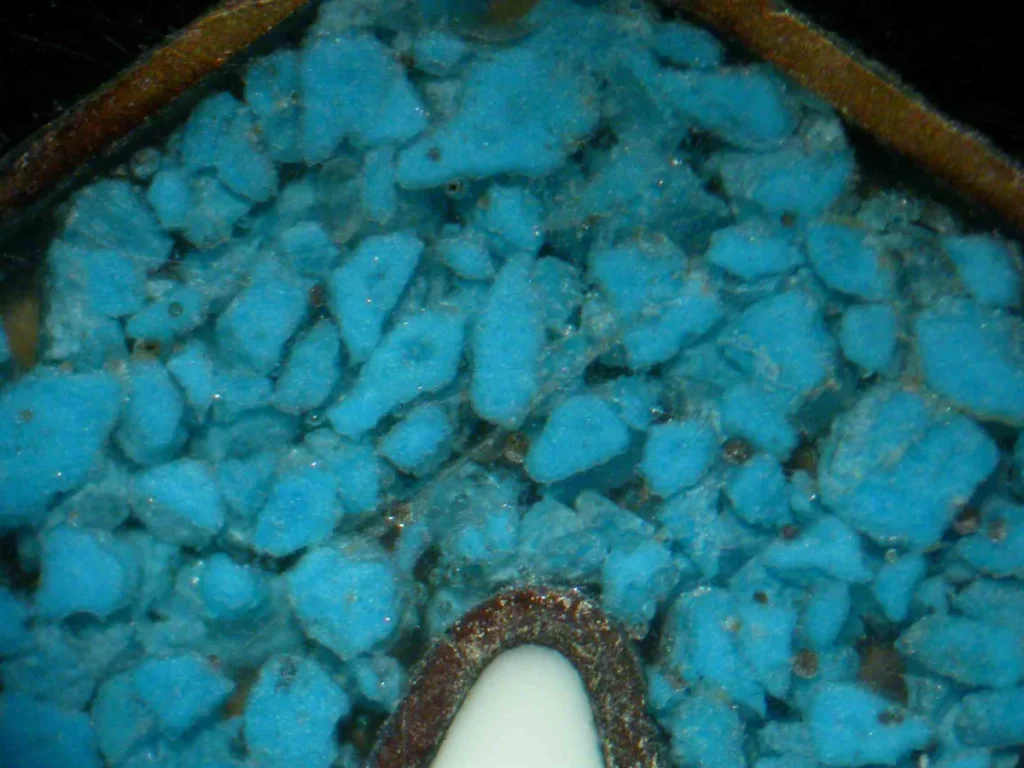
For centuries, gemmologists have grappled with the challenge of distinguishing natural gemstones from their artificial counterparts. Among the most common and often readily identifiable simulants is artificial glass paste. However, as gemmological tutor Pat Daly elucidates, the narrative of glass in jewellery is far richer and more complex than simply a cheap substitute. This exploration delves into the historical significance, artistic evolution, and diagnostic characteristics of glass within the realm of adornment, revealing its journey from ancient Egyptian grave goods to the highly sought-after creations of Art Nouveau masters.
The Enduring Allure of Glass: A Historical Perspective
While the uninitiated might dismiss glass as mere imitation, this perspective overlooks a rich tapestry of aesthetic and technological advancements spanning millennia. Glassmaking, in its own right, has been elevated to an art form, a testament to human ingenuity and artistic expression.
The earliest significant use of glass in jewellery can be traced back to ancient Egypt. In a society where jewellery served dual roles of protection and ornamentation, the colour and form of adornments were paramount. Scarce and costly natural stones like lapis lazuli, imported from distant lands, presented a significant challenge. Glass emerged as a more accessible and economical alternative, fulfilling these crucial decorative and symbolic functions. Its prevalence is vividly illustrated in the tomb of Tutankhamun, where glass elements were extensively employed, even adorning the iconic funerary mask. This appreciation for glass as a visually appealing material was not confined to Egypt; early civilizations across Mesopotamia, China, Greece, and Rome also recognized and utilized glass for its imitative qualities.
The ability of glass to mimic the colours and textures of precious stones made it an invaluable material for creating visually stunning yet affordable jewellery. This historical precedent underscores that glass was not merely a twentieth-century invention designed to deceive, but a material with a long and respected lineage in the creation of beautiful objects.

The Alchemy of Glass: Methods of Production for Adornment
The creation of glass for jewellery has historically evolved through three primary methods, all of which have roots in antiquity. Understanding these techniques is crucial to appreciating the artistry involved and for accurate identification.
Paste: The Quintessential Simulant
The most prevalent form of glass used as a gemstone simulant is known as "paste." This material is meticulously crafted by melting a carefully selected blend of ingredients, including silica, various colouring agents, and chemical modifiers that enhance its workability. Once the molten glass is prepared, it can be either molded into intricate shapes or cut and polished from solid blocks, much like natural gemstones.
The versatility of paste is remarkable. It can be rendered transparent or opaque, fashioned in virtually any hue, and expertly manipulated to replicate the diverse textures and patterns found in a vast array of gemstones. To amplify its brilliance and mimic the high refractive index of stones like diamonds and corundum, paste was often "foil-backed" within jewellery settings. This technique involved placing a thin, reflective material behind the glass to enhance its sparkle.
Furthermore, modifications in the production process allowed for the creation of captivating optical effects. These include the elusive "cat’s eye" phenomenon, the iridescent shimmer of aventurescence, and the star-like beams of asterism. A particularly fascinating development is "devitrified glass." In this process, specific ingredients are incorporated into the glass mixture that crystallize at a higher temperature than the glass itself solidifies. This results in the formation of fine, needle-like to branching crystallites within the glass matrix, enabling it to closely resemble polycrystalline gemstones.
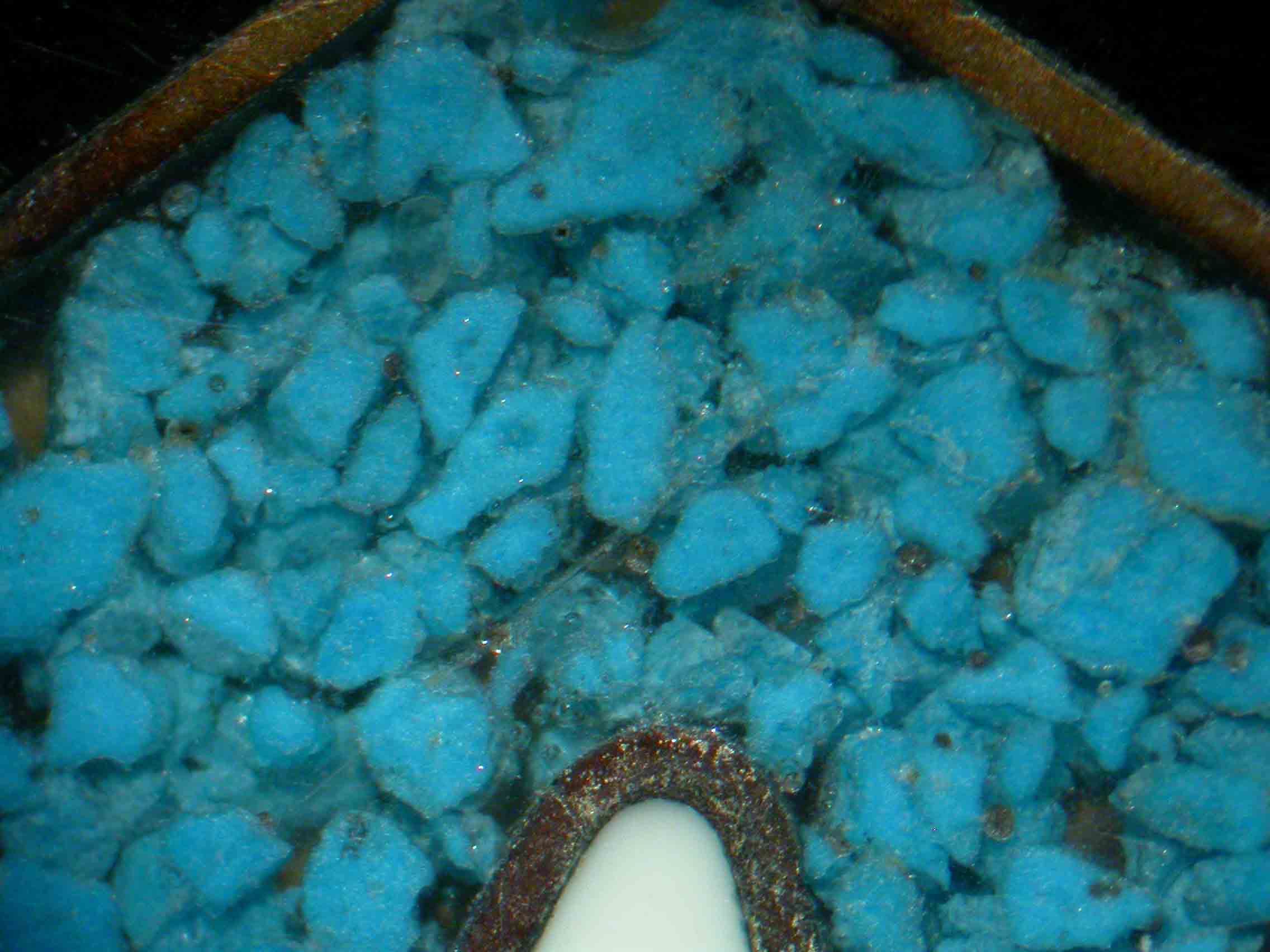
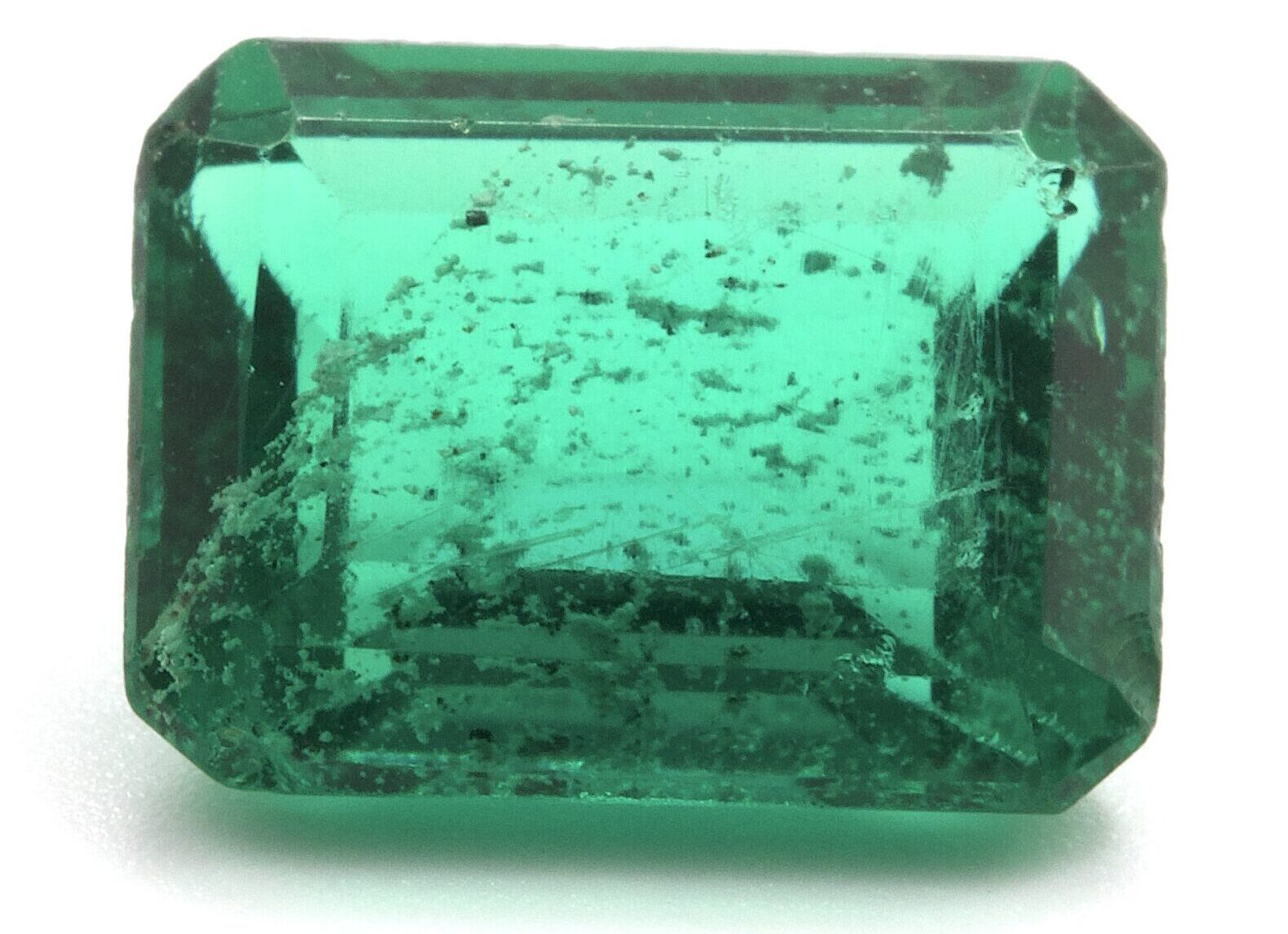
The artistic and technical prowess evident in paste production is highlighted by its successful simulation of precious stones. A striking example is a simulated emerald, meticulously crafted to capture the verdant allure of its natural counterpart.
The utility of paste extends beyond mere imitation. Paste-set jewellery has often been chosen for security reasons, allowing wearers to enjoy the splendor of elaborate adornments without the heightened risk of theft associated with precious materials. In 18th and 19th-century Europe, for instance, wearing paste jewellery was a fashionable statement, and well-crafted pieces from this era can command significant value in today’s antique market, fetching hundreds to thousands of pounds. The legendary Russian jewellery house Fabergé, renowned for its exquisite creations, famously utilized red devitrified glass, known as purpurine, in its carvings. These purpurine pieces are now highly collectible and valuable, further solidifying the artistic merit of glass in jewellery.
Enamel or Pâte de Verre: Painting with Light and Colour
Enamel, often referred to as "pâte de verre" in its more sculptural forms, represents another significant application of glass in jewellery. This technique involves mixing powdered glass of any desired colour with binding agents, such as oil. The resulting paste is then applied to surfaces or into molds and subsequently fired, fusing the glass particles to create a vibrant, coloured finish.
Enamel is exceptionally versatile, capable of adding colour to jewellery surfaces in a multitude of ways. It can be applied to flat or gently curved areas, or used to construct three-dimensional sculptural elements. Broad surfaces can be colored after engraving, or fine wires can be employed to delineate distinct color zones, creating intricate patterns and designs. A particularly captivating technique is "plique-à-jour," which evokes the ethereal beauty of stained glass. In this method, the wires are meticulously arranged on a temporary backing, which is removed once the enamel has solidified, leaving behind a translucent, jewel-like effect.
Beyond surface decoration, pâte de verre allows for the creation of carved or sculpted glass elements. By molding and heating glass powder, artisans can achieve remarkable detail and depth. Fine nuances can be further refined through subsequent engraving. The process offers exquisite control over variations in colour, texture, and translucency, leading to truly captivating visual effects.
Pâte de verre experienced a resurgence in popularity during the late 19th and early 20th centuries, coinciding with the height of the Art Nouveau movement. This period saw its widespread use in creating naturalistic motifs, often in conjunction with precious metals, gemstones, and enamels. Among the most celebrated practitioners of this technique was René Lalique, whose distinctive glasswork is now highly prized. Antique Lalique jewellery pieces, showcasing the masterful use of pâte de verre, can command prices ranging from tens to hundreds of thousands of pounds, a testament to their artistic and historical significance.
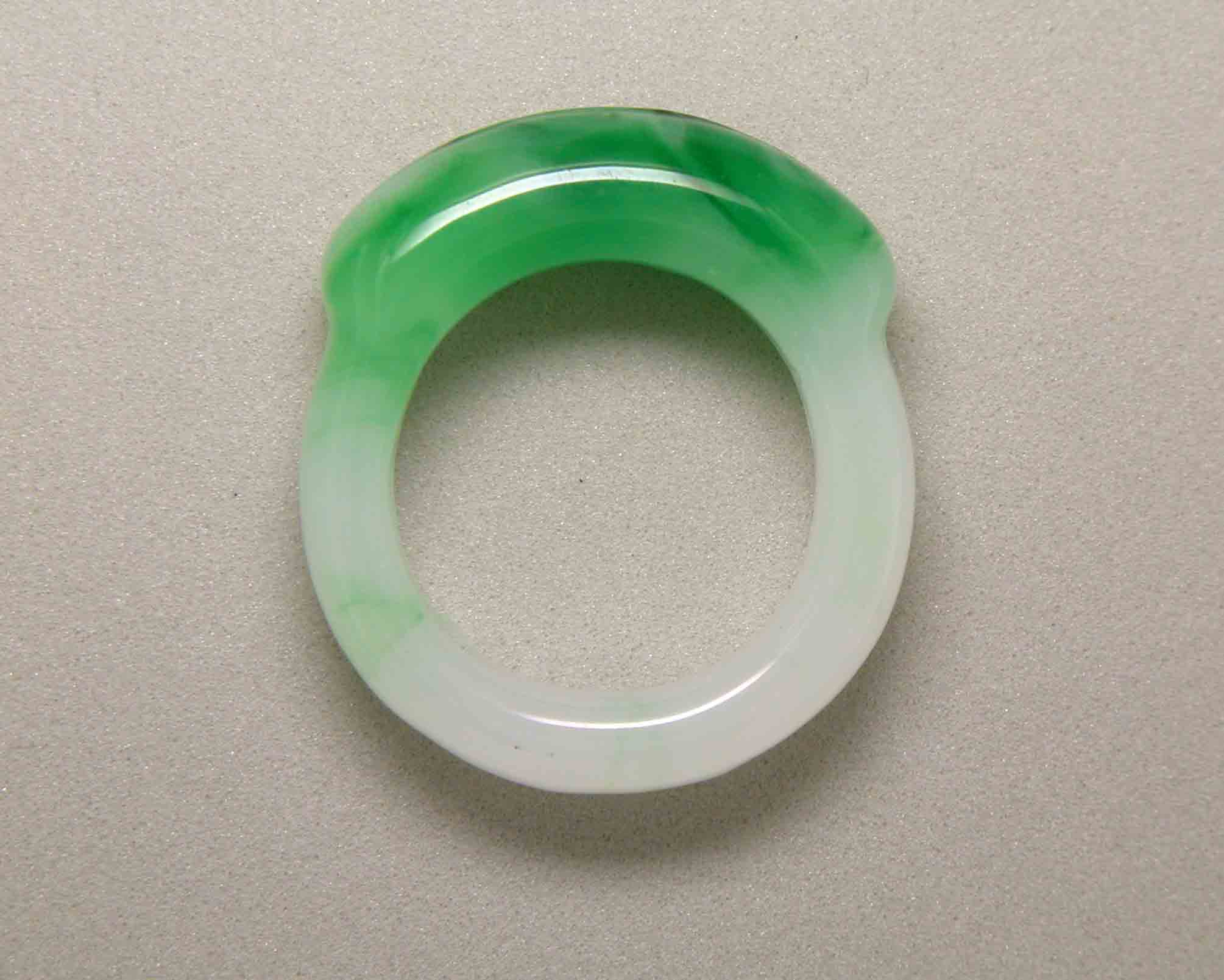
The subtle beauty of a jade simulant crafted from paste, photographed by Pat Daly, exemplifies the meticulous replication of natural stone textures and colours achievable with this medium.
Glass Mosaics: Tiny Pieces, Grand Designs
The art of mosaic, the creation of larger decorative patterns by assembling small pieces of stone or glass, has a history stretching back millennia. In late medieval times, this technique was employed to render religious motifs using small fragments of coloured glass. Later, particularly in 19th-century Italy, this tradition was adapted for jewellery production, catering to the burgeoning tourist market.
Italian artisans became renowned for their "micromosaics," a highly intricate form of mosaic where hundreds of individual glass pieces could be meticulously arranged within a single square centimeter of surface. These creations typically featured classical architectural scenes and naturalistic designs, adorning jewellery, small boxes, and other decorative objects. Well-preserved examples of these micromosaics remain highly admired and sought after today, showcasing the enduring appeal of this meticulous craft.
Identifying Glass in Antique Jewellery: A Gemmologist’s Toolkit
While the artistic merit of glass in jewellery is undeniable, accurate identification remains a crucial skill for gemmologists and collectors alike. Fortunately, the inherent physical properties of glass often provide clear indicators.
Enamels and pâte de verre are typically recognized by their application methods, which reveal characteristic molding and flow structures, and occasionally, the presence of trapped air bubbles. Given the significant value that some antique jewellery can attain, it is paramount that any testing be limited to non-invasive observation. In instances of doubt, seeking expert advice from experienced gemmologists is always recommended.
Paste, as a simulant, presents its own set of identifying features. A key characteristic is its generally poorer lustre compared to most natural gemstones. The presence of internal features such as bubbles, swirls (indicating flow structures during manufacture), and molding marks are also strong indicators of glass.
Confirmation of a material being glass can be achieved through the use of standard gemmological instruments. On a polariscope, transparent paste will exhibit optical isotropy, meaning it does not polarize light in the same way as anisotropic gemstones. Furthermore, when examined with a dichroscope, paste will not display pleochroism (the property of showing different colours when viewed from different directions), a characteristic common to many gemstones. Refractometer readings for paste typically fall within the range of 1.50 to 1.70. This combination of isotropic nature, lack of pleochroism, and a specific refractive index range is not found in gem varieties commonly encountered in antique jewellery.
Opaque paste often exhibits small chips and scratches that display a characteristic glassy lustre. This type of fracture surface is distinctly different from the conchoidal fractures seen on natural polycrystalline gemstones, providing excellent evidence that the material in question is indeed glass.
The distinctive swirl inclusions visible in a piece of paste, photographed by Pat Daly, are a tell-tale sign of its manufactured origin. Similarly, the presence of tiny bubbles within the glass, as captured by Gabriel Kleinberg, further supports its identification as paste.
While artificial glass is frequently used to produce low-quality simulants for contemporary, inexpensive jewellery, it is crucial to remember that this is not universally the case. The historical context and the skill of the artisans who worked with glass have elevated it to a material deserving of respect. The creation of exquisite and enduring pieces of jewellery throughout history, employing glass with remarkable artistry and technical prowess, stands as a testament to its enduring appeal and its significant place within the world of adornment. The journey of glass in jewellery, from ancient necessity to artistic medium, continues to captivate and inform, reminding us that beauty and value can be found in the most unexpected of materials.



