

The vibrant green of peridot, a gemstone cherished for millennia, is often described with a peculiar adjective: "oily green." Far from being a criticism, this descriptor, as explained by Gem-A Tutor Pat Daly, is a traditional term deeply rooted in the gemstone’s mineralogical origins and optical characteristics. It offers a unique window into the formation and visual appeal of this captivating mineral, distinguishing it in the world of precious stones.
The Allure of Peridot: A Symphony of Greens
Peridot, a variety of the mineral olivine, is primarily known for its stunning green hues. While it can occasionally appear in shades of brown or yellow, it is the gem-quality stones, almost invariably green, that capture the imagination. This characteristic coloration is a direct result of its chemical composition: a magnesium silicate with a small percentage of iron. It is this iron content, typically ranging from a few percent, that imparts the gem’s signature verdant tones. Furthermore, trace elements such as nickel and chromium, often present in the mantle rocks where peridot forms, are believed to play a role in modifying and enriching these colours, contributing to the spectrum of greens observed.
The visual appeal of peridot is undeniable. Its clarity and brilliance, coupled with its distinctive colour, have made it a sought-after gemstone for adornment and collection. The intensity of its green can range from a pale, lime-like shade to a deep, rich emerald green, each possessing its own unique charm. This versatility in colour, while maintaining its inherent transparency, makes it a favourite among jewellery designers and wearers alike.
A Timeless Journey: The Historical Tapestry of Peridot
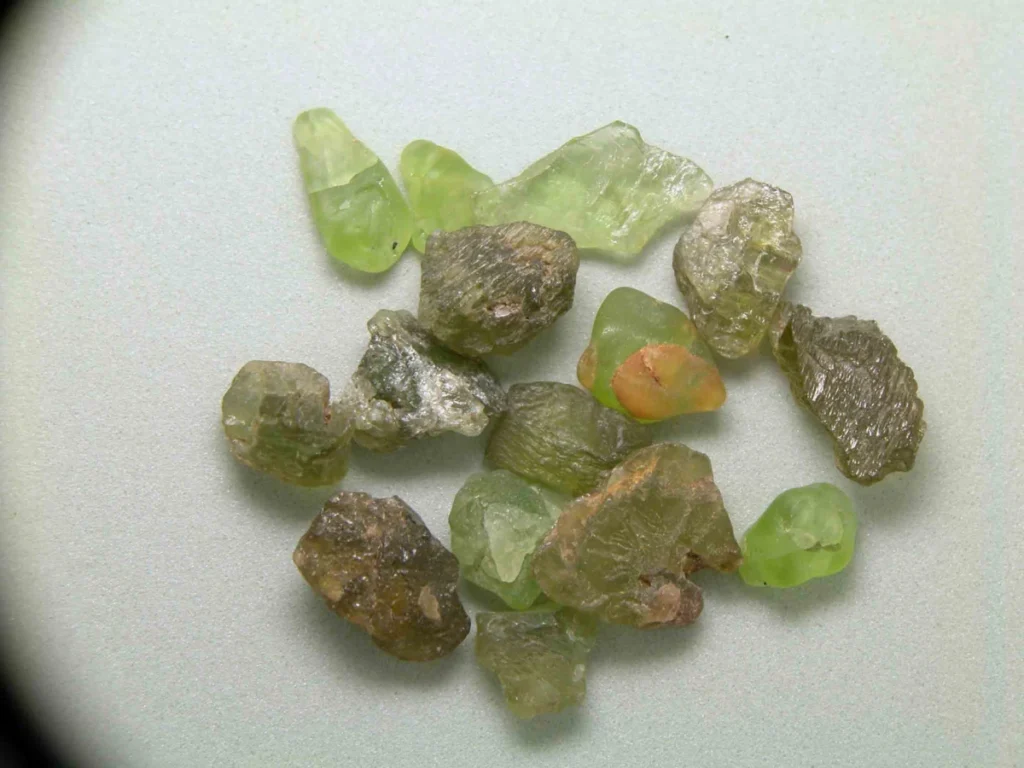
The history of peridot is as rich and enduring as its colour. Its origins trace back to classical antiquity, with the island of Zabargad in the Red Sea historically being its most significant source. For centuries, this remote island was the primary supplier of fine peridot to the world. Beyond Zabargad, other regions have contributed to the global supply of this precious stone. Burma (now Myanmar) has been noted for producing large, high-quality peridot specimens. In more modern times, the United States, particularly Arizona, has emerged as a notable producer. Norway, Pakistan, and more recently, significant deposits discovered in China, have further bolstered the availability of fine peridot to the international jewellery market.
The geological conditions under which peridot forms are intrinsically linked to its historical discovery in these diverse locations. Gem-quality peridot typically originates deep within the Earth’s mantle. It is subsequently brought closer to the surface through powerful geological processes, most commonly through volcanic activity. The molten rock, or magma, carries these olivine crystals upwards. Alternatively, peridot can be found in large masses of peridotites, which are ultramafic igneous rocks that have undergone deformation and recrystallization within the Earth’s crust. These geological phenomena are responsible for the presence of peridot in the varied locations where it has been historically and continues to be mined.
Unveiling Peridotites: The Earth’s Green Ores
To truly understand the "oily green" descriptor, one must delve into the nature of peridotites. These rocks are predominantly composed of the mineral olivine, the very same mineral that forms peridot. Olivine derives its name from the Latin word "oliva," meaning olive, a nod to its characteristic yellowish-green colour. Over time, the association of this colour has subtly shifted from the olive fruit itself to the oil extracted from it. Given the profound cultural and economic importance of olive oil, it’s not surprising that this familiar, golden-green liquid has been employed as a benchmark for describing the hue of precious stones.

However, it is crucial to note a subtle distinction. While olive oil is typically a dominant yellow with a greenish tinge, peridot gemstones are almost invariably a distinct and vibrant green. This nuanced difference in colour, however, does not diminish the validity of the analogy that has historically linked the two. The shared visual characteristic, stemming from the mineral olivine’s inherent colouration, has cemented this descriptive connection.
Decoding "Oily Green": A Nuance in Perception
The term "oily" when associated with gemstones can often carry negative connotations, frequently implying artificial treatments or enhancements. However, in the context of peridot, this is a misinterpretation. Peridot is highly valued precisely because it is one of the few gem materials that are rarely subjected to any form of treatment. Its natural beauty is its primary allure.
The "oily" descriptor for peridot is not a reflection of its treatment status but rather a description of its optical behaviour. Certain peridot stones can exhibit a "sleepy" appearance, a term that denotes a slight reduction in transparency. This effect arises from the presence of sub-microscopic inclusions within the gemstone. These minute inclusions can scatter light internally, leading to a less brilliant, more diffused sparkle. Additionally, the strong double refraction characteristic of peridot, particularly visible when viewing pavilion facet edges, can cause a blurring effect, further contributing to this perceived "oiliness."

While these optical features might be considered less desirable by some, they do not necessarily detract from the stone’s inherent beauty. In fact, a certain degree of light scattering, facilitated by these inclusions, can sometimes enhance the visual appeal of a faceted peridot. It can illuminate areas of the stone that might otherwise appear dark, even in well-cut and polished specimens. This scattering effect can create a softer, more nuanced play of light, contributing to the stone’s unique character. Therefore, "oily green" is a term that describes a natural optical phenomenon, a characteristic that, rather than diminishing its value, adds to the intriguing individuality of peridot.
Peridot’s Uniqueness: A Singular Gemstone
In the diverse world of commercially significant gemstones, many species boast a spectrum of colours, a variety of optical effects, and numerous named varieties. Peridot, however, stands apart with its singular focus. It is essentially defined by its characteristic green colour, a hue that has captivated humanity for thousands of years. While variations in shade and intensity exist, the fundamental identity of peridot remains steadfastly tied to its verdant tones.
This consistent and pleasing green colour, combined with its generally good transparency, makes peridot an attractive choice for jewellery designers, manufacturers, and their clientele. The current global supply situation for peridot is robust, with a steady availability of fine gem material. This abundance allows for peridot to be offered at moderate price points, making it an accessible luxury. However, as with most gemstones, the largest and most exceptional specimens, those exhibiting the most vibrant colour and pristine clarity, can command prices in the thousands of pounds, reflecting their rarity and superior quality.

The enduring appeal of peridot lies in its natural beauty and its fascinating geological story. The "oily green" descriptor, far from being a flaw, is an integral part of its identity, a testament to its mineralogical origins and its unique optical properties. As a gemstone that has graced adornments for millennia, peridot continues to shine, offering a timeless elegance and a captivating glimpse into the Earth’s vibrant artistry.
For those eager to delve deeper into the fascinating world of peridot and other commercially significant gemstones, Gem-A offers comprehensive educational resources. The GemIntro online course provides an accessible introduction to gemmology, perfect for beginners. For a more in-depth exploration and to kickstart a career in gemmology and related professions, the Gemmology Foundation course is an unparalleled pathway.
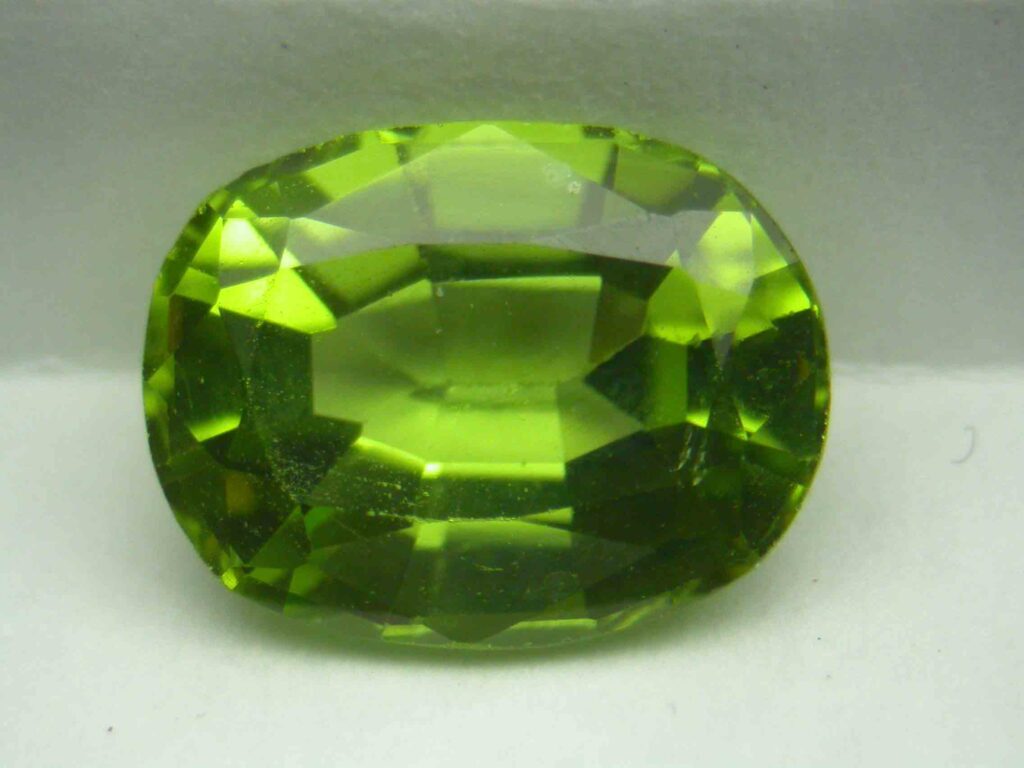
Main Image: A meticulously faceted peridot gemstone, its captivating green hue captured by the lens of author Pat Daly.



