
London, UK – Beyond the captivating hues, pristine clarity, and fiery dance of light that draw us to faceted gemstones, lies a profound artistry and scientific precision that transforms raw minerals into objects of breathtaking beauty. The meticulous fashioning of these stones, particularly diamonds, is a crucial yet often overlooked element in their appeal. Gem-A Gemmology Tutor Pat Daly, in a comprehensive exploration, illuminates the intricate world of diamond cutting and shaping, delving into faceting techniques, the paramount importance of symmetry, quality factors, and the universally recognized 4Cs. This in-depth examination reveals how the style of a diamond’s cut, its overall shape, and the quality of its execution collectively dictate its visual splendor.
The Genesis of Gemstone Fashioning: From Rough to Radiant
The journey of a gemstone from its unearthed state to a polished jewel is a testament to human ingenuity and a deep understanding of optical principles. While many gemstones are appreciated for their intrinsic color, diamonds, in particular, owe their iconic brilliance and sparkle to the skilled hands of cutters and the sophisticated techniques they employ. This transformative process encompasses not just the creation of facets but also the strategic shaping and precise execution that unlock a stone’s full potential.
Gemstone fashioning encompasses a spectrum of techniques, ranging from the smooth, polished surfaces of cabochons and beads to the intricate carvings and, most significantly, the precisely angled facets of brilliant and step cuts. These cutting styles are not arbitrary; they are designed to interact with light in specific ways, maximizing the stone’s inherent optical properties.
Understanding the Primary Faceting Styles:
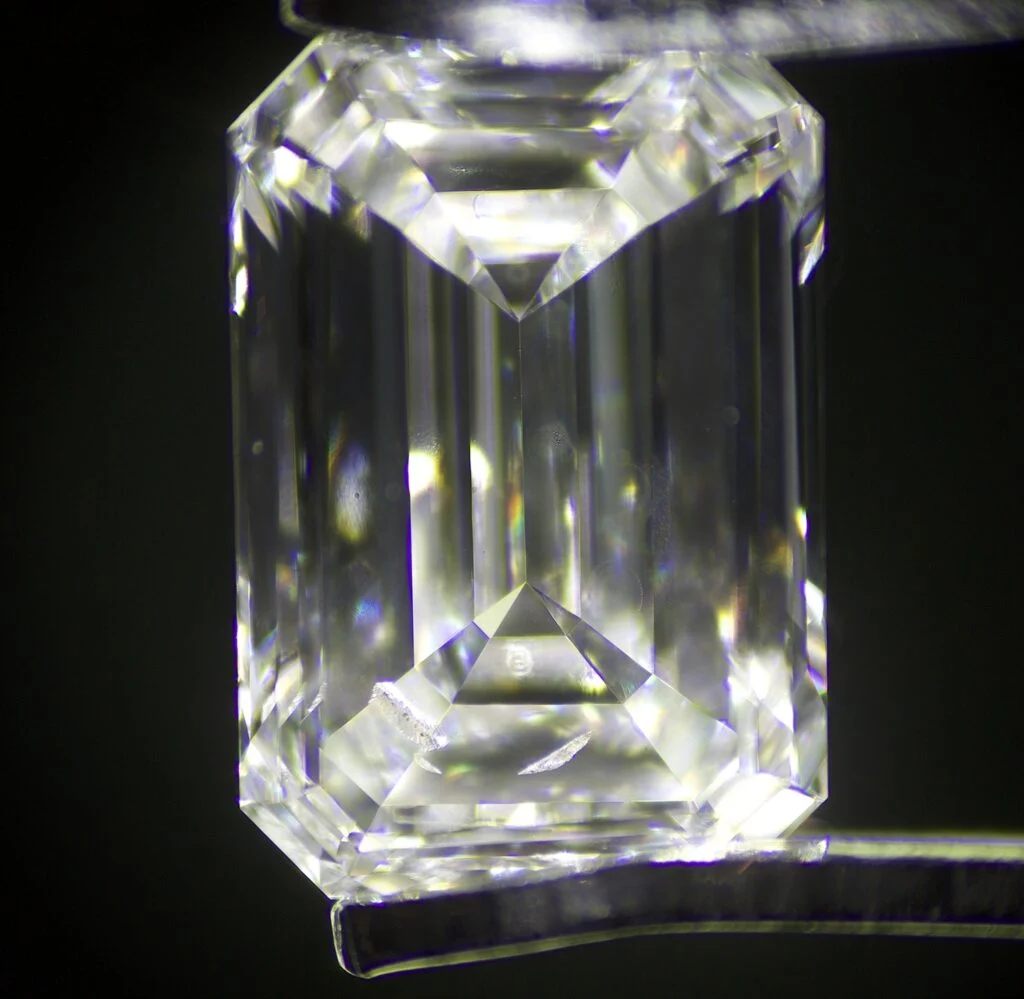
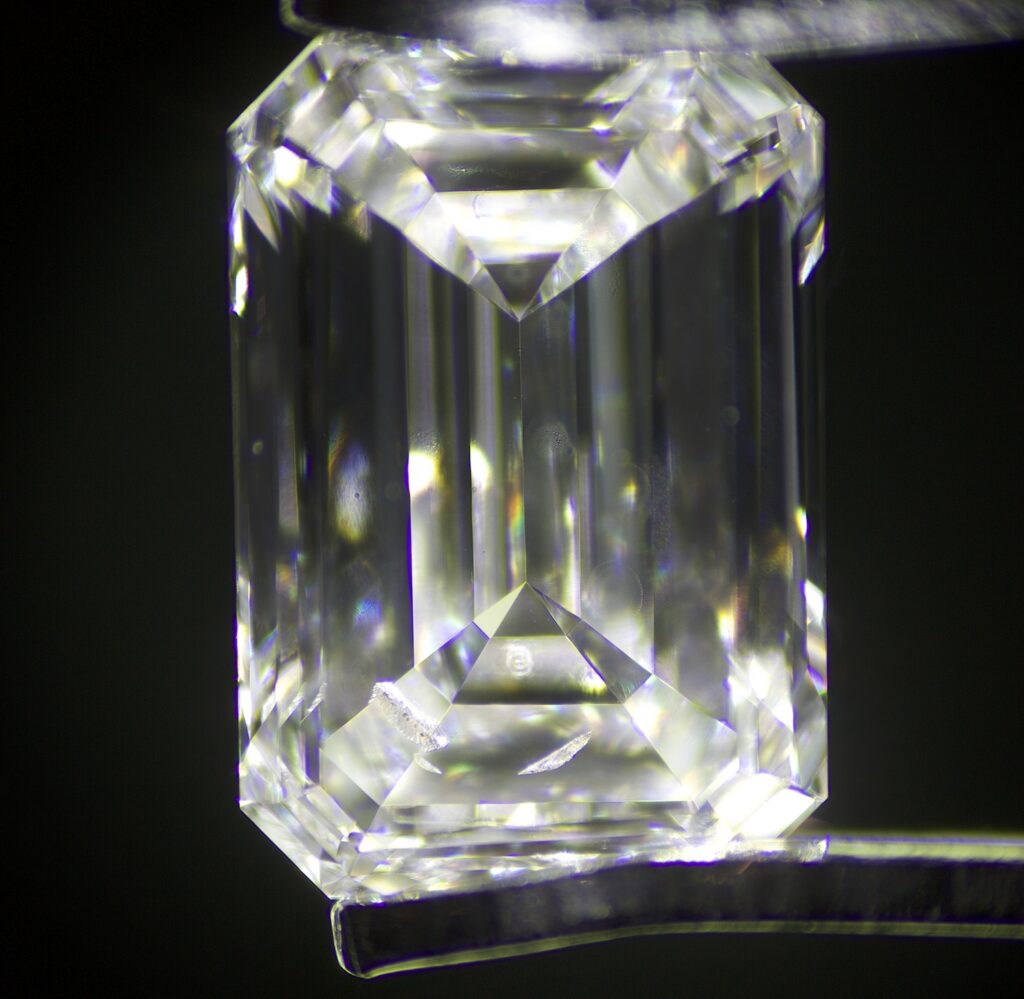
- Step Cut: Characterized by long, parallel facets that resemble steps, this style is often employed for gemstones where clarity is paramount. Emerald cuts and baguette cuts are prime examples. The clean lines of a step cut emphasize the gemstone’s internal structure and color, offering a sophisticated and understated elegance.
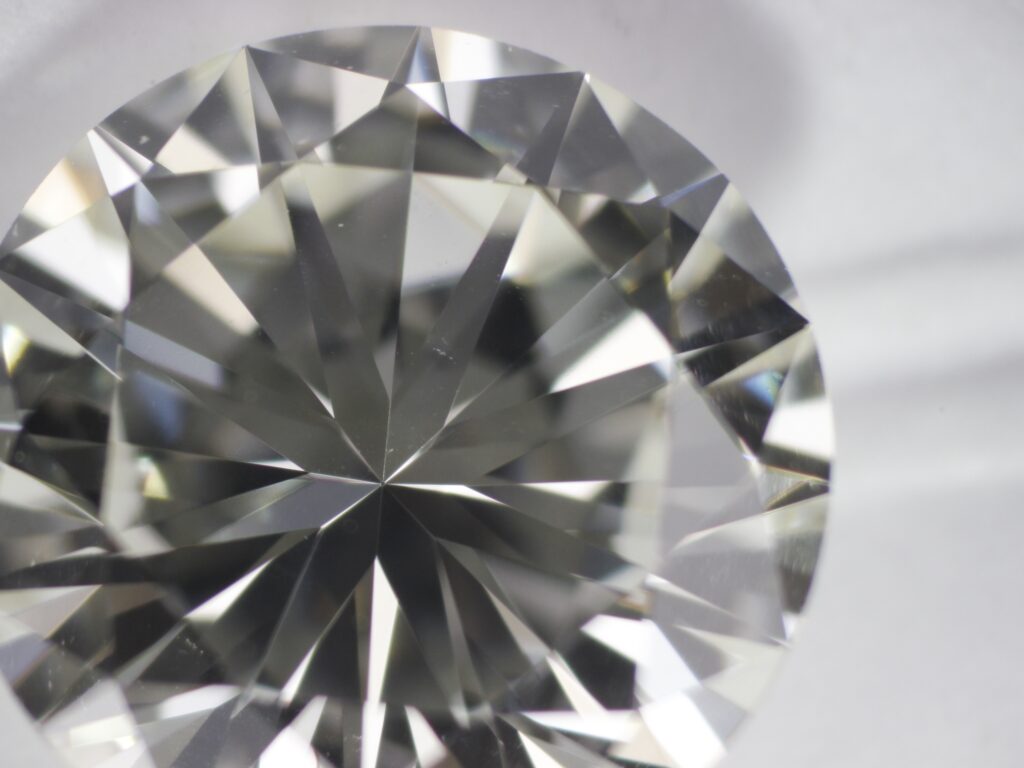
- Brilliant Cut: This style, most famously embodied by the round brilliant cut, features a profusion of triangular and kite-shaped facets. Its design is optimized to reflect and refract light to achieve maximum brilliance and fire. The interplay of these numerous facets creates a dazzling display of white light (brilliance) and spectral colors (fire).
- Mixed Cut: As the name suggests, this approach ingeniously combines elements of both step and brilliant cuts. This allows cutters to leverage the strengths of each style, often used to enhance the color or minimize inclusions in certain gemstones.
While these faceting styles are applied across a wide array of colored gemstones, diamonds predominantly showcase step cuts and brilliant cuts, or variations thereof. This preference stems from the diamond’s exceptional hardness and its unparalleled ability to refract and disperse light, making these cuts ideal for maximizing its inherent brilliance.
The Canvas of Shape: Defining the Gemstone’s Silhouette
Beyond the intricate arrangement of facets, the overall shape of a gemstone plays a pivotal role in its aesthetic appeal and how it is perceived. The choice of shape is influenced by a myriad of factors, including the rough stone’s original form, the desired aesthetic, and the intended setting.
Step Cuts and Their Angular Grace:
Step-cut stones typically exhibit angular outlines, lending themselves to geometric shapes such as squares, oblongs, or kites. Often, these shapes feature truncated corners, a modification that can enhance durability and aesthetic appeal. While diamonds are frequently fashioned into these angular step cuts, colored gemstones can also be found in round, oval, or other more organic shapes with step facets, showcasing a different facet of their visual character. The emerald cut, a classic example of a step cut, is particularly favored for its ability to highlight the clarity and color of diamonds and other precious stones.
The Allure of the Brilliant Cut and its Diverse Forms:
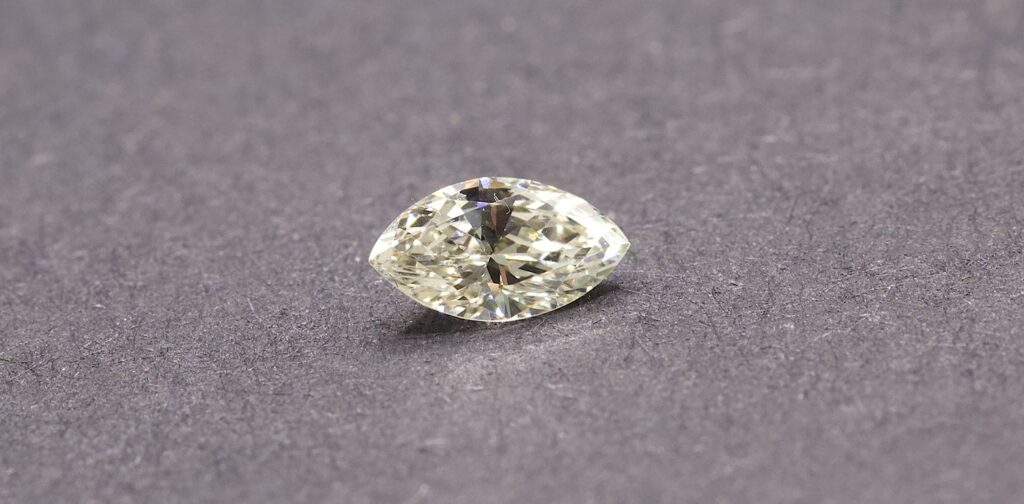
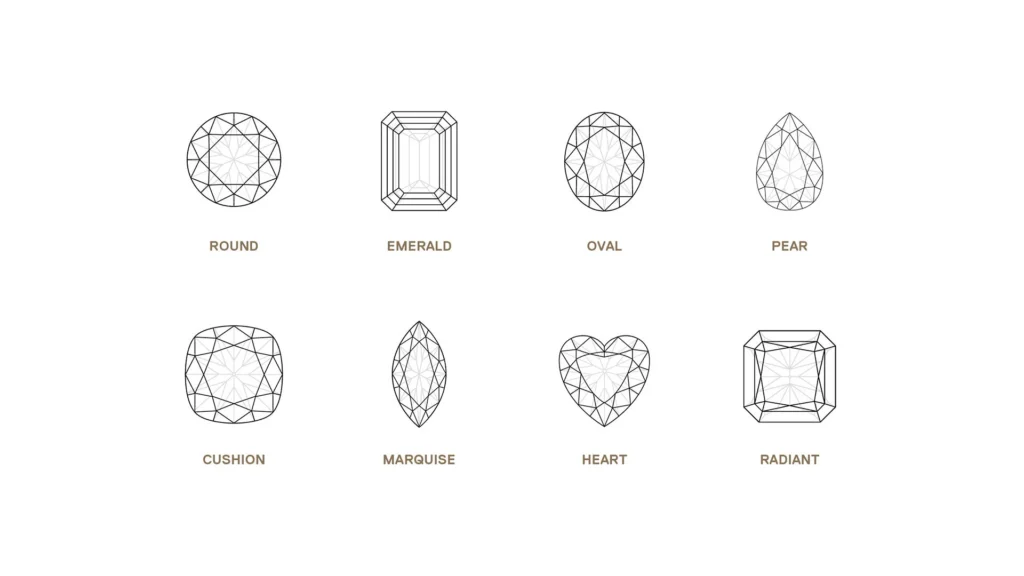
The term "brilliant cut" most commonly refers to a stone with a round girdle, designed to maximize light return. However, this fundamental principle can be adapted to a wide range of shapes. Oval, pear-shaped, cushion-shaped, marquise, and heart-shaped diamonds are all essentially modified brilliant cuts. In these variations, the fundamental facet arrangement of a round brilliant is subtly distorted to accommodate the stone’s unique outline. While they might be referred to as "oval cut" or "oval-shaped" diamonds, they are fundamentally brilliant cuts adapted to a specific silhouette.
The strategic modification of facets in these non-round brilliant cuts is not merely an aesthetic choice; it often serves a practical purpose. For instance, the delicate points of pear and marquise-shaped diamonds are susceptible to chipping. To mitigate this risk, cutters may replace a kite facet at the point with two smaller triangular facets, creating a more robust and less vulnerable apex. This thoughtful adaptation ensures both beauty and longevity.
The standard round brilliant cut, a pinnacle of gemological achievement, typically features 58 facets when a culet (a small facet at the bottom point) is present, or 57 if it is absent. While this number remains a benchmark, individual cutting firms often develop proprietary modified brilliant cuts, some of which gain significant recognition within the industry.
A notable contemporary example is the princess cut, which emerged in the 1960s. Derived from earlier square diamond cuts, it has become immensely popular. Characterized by an eight-sided table facet and a blend of triangular, kite, and strip-like facets, the princess cut is engineered to enhance the brilliance of square to oblong stones, earning it the moniker "square brilliant."
A Chronicle of Diamond Faceting: Evolution Through the Ages
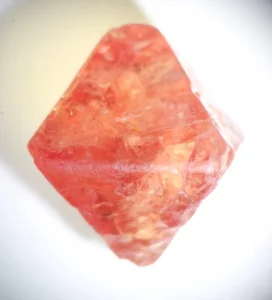
The art of diamond faceting is not a sudden invention but a gradual evolution, spanning centuries of innovation and refinement. It is believed that the earliest forms of diamond faceting involved simply replacing a corner of an octahedral crystal with a flat surface, creating a rudimentary table facet. This initial step marked the beginning of a journey to enhance the diamond’s natural brilliance.
As diamond manufacturing techniques advanced, cutters began to add more facets, meticulously placed to capture and reflect light more effectively, thereby increasing the stone’s sparkle – the dynamic play of light as the gemstone is moved. Early attempts to achieve roundness led to the development of cushion shapes, where the sharp corners of crystals were softened. The pursuit of optimal light performance eventually led to the development of the modern brilliant cut.
A significant technological leap occurred in the late 19th century with the development of machinery capable of producing perfectly round diamond girdles. This innovation was crucial in achieving the precise symmetry required for superior light reflection.
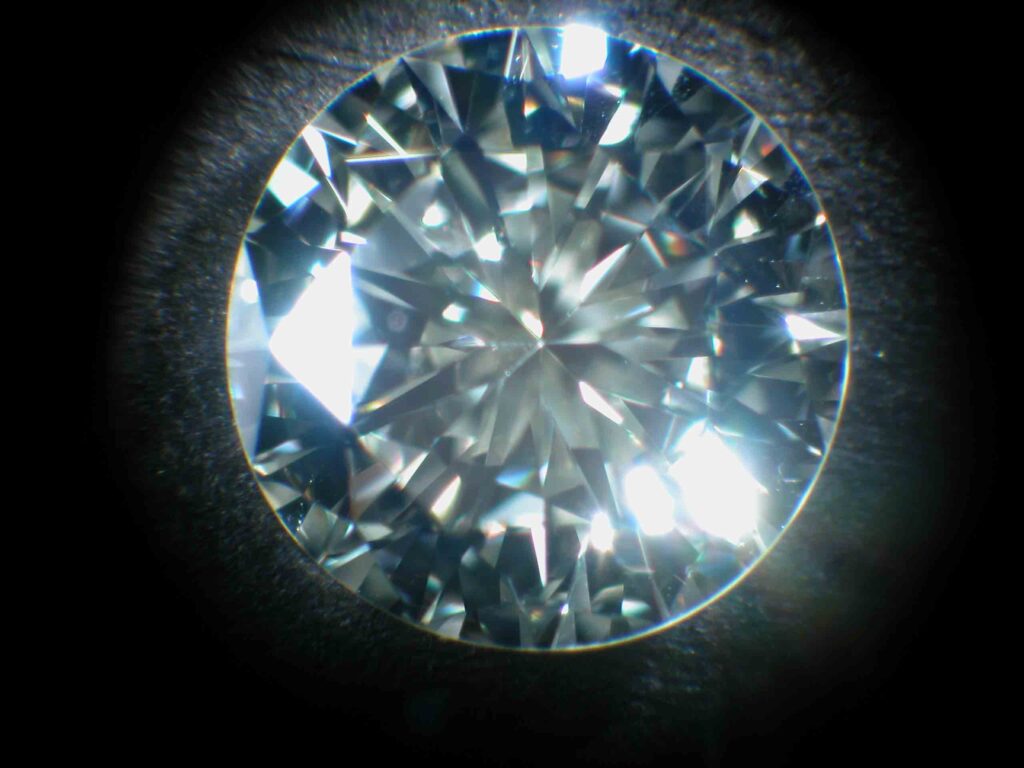
The early 20th century witnessed a pivotal moment in diamond cutting history with the work of Marcel Tolkowsky. A member of a renowned diamond-cutting family and an accomplished engineer, Tolkowsky applied mathematical principles to calculate the ideal angles and proportions for a diamond to achieve maximum fire and brilliance. His groundbreaking calculations, though subject to some adjustments over time, remain the foundational blueprint for the modern round brilliant cut, solidifying its position as the most sought-after diamond shape.
The Quintessence of Quality: Decoding Diamond Cut Excellence
The quality of a diamond’s cut is arguably the most critical of the 4Cs, profoundly influencing its overall appearance and value. Unlike color or clarity, which are inherent characteristics of the diamond, cut is entirely dependent on the skill of the cutter. For diamonds, which derive their beauty primarily from the reflection and dispersion of light, the precision of the cut is paramount.
Key Pillars of Cut Quality:
- Proportions: The angles and dimensions of a diamond’s facets are meticulously calculated to ensure that light entering the stone is reflected internally and emerges through the crown facets, maximizing brilliance. A well-proportioned diamond will exhibit a dazzling play of white light.
- Symmetry: This refers to the precision with which the facets are aligned and the overall geometric perfection of the stone’s outline. Good symmetry ensures that light is reflected evenly and that the stone appears balanced and aesthetically pleasing. Any deviation from perfect symmetry can lead to light leakage and a duller appearance.
- Polish: The surface of each facet must be perfectly smooth and free of any blemishes or abrasions. A high polish allows light to pass through the facets unimpeded, contributing to the stone’s sparkle and brilliance.
The Delicate Balance: Fire and Brilliance:
Achieving optimal fire (the dispersion of white light into spectral colors) and brilliance (the reflection of white light) requires a delicate balance. A higher crown and a smaller table facet can increase the likelihood of splitting white light into its constituent colors, thus enhancing fire. However, maximizing brilliance often necessitates a different set of proportions. Therefore, cutters must strike a compromise, meticulously adjusting facet angles and sizes to achieve a harmonious blend of both dazzling effects, creating a stone that is both fiery and brilliantly white.
Symmetry in Detail:
Symmetry extends beyond the precise alignment of facets. It encompasses the outline of the girdle – whether it is perfectly round, square, or another shape – and how closely it adheres to geometric ideals. In diamond cutting, weight conservation is a crucial consideration. Cutters often make slight adjustments to the proportions of a diamond to maximize its weight while still achieving an acceptable level of visual appeal. These subtle distortions, if managed skillfully, may not be readily apparent to the untrained eye but can significantly impact the stone’s light performance. The precise placement and relative sizing of facets are also integral to achieving excellent symmetry.
The 4Cs and the Significance of Cut Grading:
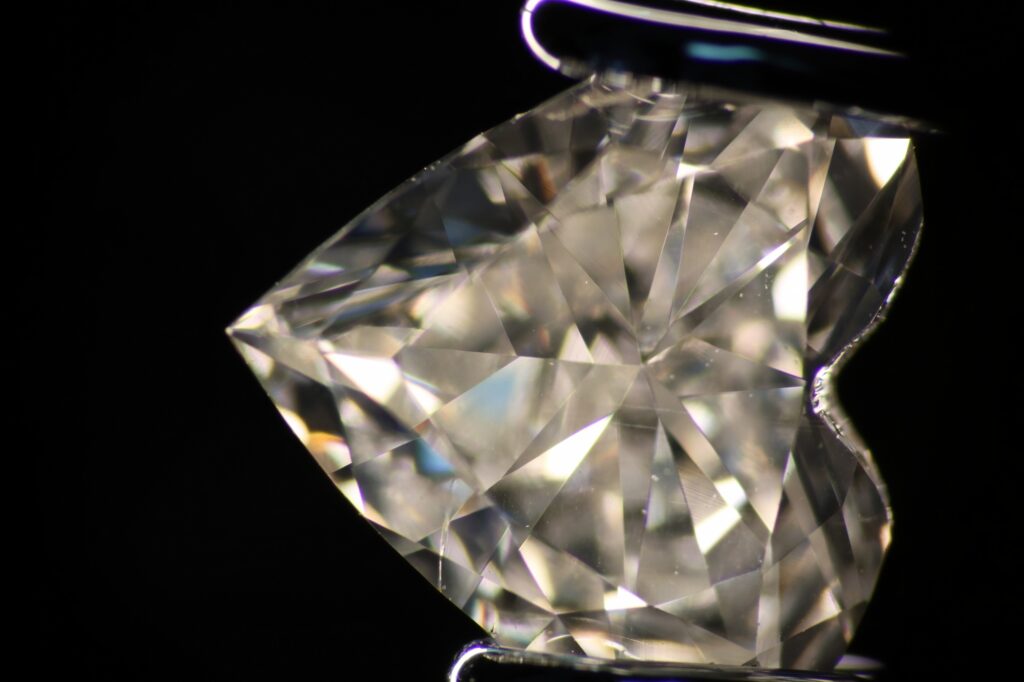
In the realm of diamonds, the cut is one of the four Cs (Cut, Color, Clarity, and Carat Weight) that determine a diamond’s quality and value. Reputable gemological laboratories provide cut grades for brilliant-cut diamonds, categorizing them based on objective measurements of their proportions, symmetry, and polish. These grades are crucial because they directly correlate with how effectively a diamond handles light, impacting its brilliance, fire, and scintillation (the sparkle and pattern of light flashes).
The pursuit of excellence in diamond cutting is an ongoing endeavor. Beyond purely technical measurements, there is a growing recognition of the importance of incorporating the observer’s perception into cut quality assessments. This approach seeks to combine experimental data with human aesthetic judgment, leading to a more holistic understanding of what constitutes a truly exceptional diamond. As cutting technology continues to advance, so too does the artistry and scientific understanding behind the creation of these magnificent gemstones, promising ever more brilliant and captivating diamonds for generations to come.
Main Image: Round brilliant-cut diamond, photographed by Henry Mesa.