
The global events industry, long considered a bellwether for both macroeconomic health and geopolitical stability, has faced a tumultuous start to the mid-decade. However, MCH Group, the Swiss-based international live marketing powerhouse and parent company of the prestigious Art Basel franchise, has emerged from the first half of 2026 with a robust financial performance that defies the cooling global art market and significant regional unrest.
In its latest semi-annual report, MCH Group announced an operating revenue of CHF 248.8 million (approximately $301.6 million) for the first six months of 2026. This represents a 12 percent increase compared to the same period in the previous year, marking the company’s fourth consecutive positive half-year result. This sustained trajectory of growth signals a successful post-pandemic recalibration and a strategic expansion into emerging markets, even as the company navigates the complexities of international trade wars and regional conflicts.
Main Facts: A Robust Financial Foundation
The financial narrative of MCH Group in H1 2026 is one of disciplined growth and diversified revenue streams. While the Art Basel brand remains the crown jewel of the portfolio, the group’s strength was bolstered by its multi-industry approach, spanning construction, gardening, and luxury goods.
Key Financial Indicators
- Operating Revenue: CHF 248.8 million ($301.6 million), up 12% year-over-year.
- EBITDA: Earnings Before Interest, Taxes, Depreciation, and Amortization rose to CHF 34.3 million ($41.6 million), reflecting improved operational efficiency.
- Consecutive Growth: This report marks the fourth straight semester of positive results, a significant milestone for a company that underwent rigorous restructuring in the early 2020s.
The growth was largely driven by two pillars: the successful debut of new geographic expansions and the unwavering performance of the group’s "Exhibitions & Events" and "Live Marketing Solutions" (LMS) divisions. Despite a global art market that has "slowed considerably" from the record-breaking highs of 2021 and 2022, MCH Group’s ability to leverage industrial fairs like Swissbau and CONEXPO provided a necessary hedge against the more volatile luxury and fine art sectors.
Chronology: Navigating a Turbulent Semester
The first half of 2026 was characterized by a series of high-stakes launches and external pressures that tested the group’s operational resilience.
Q1 2026: The Middle Eastern Expansion and Industrial Dominance
The year began with a focus on the construction and industrial sectors. Swissbau, one of Europe’s leading construction fairs, and CONEXPO, a massive undertaking for the LMS division, set a high bar for revenue generation in January and February. These events capitalized on a global push for infrastructure renewal, providing a stable financial floor for the company.
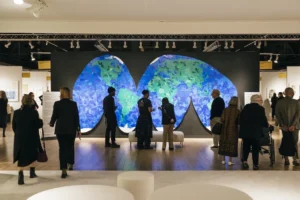
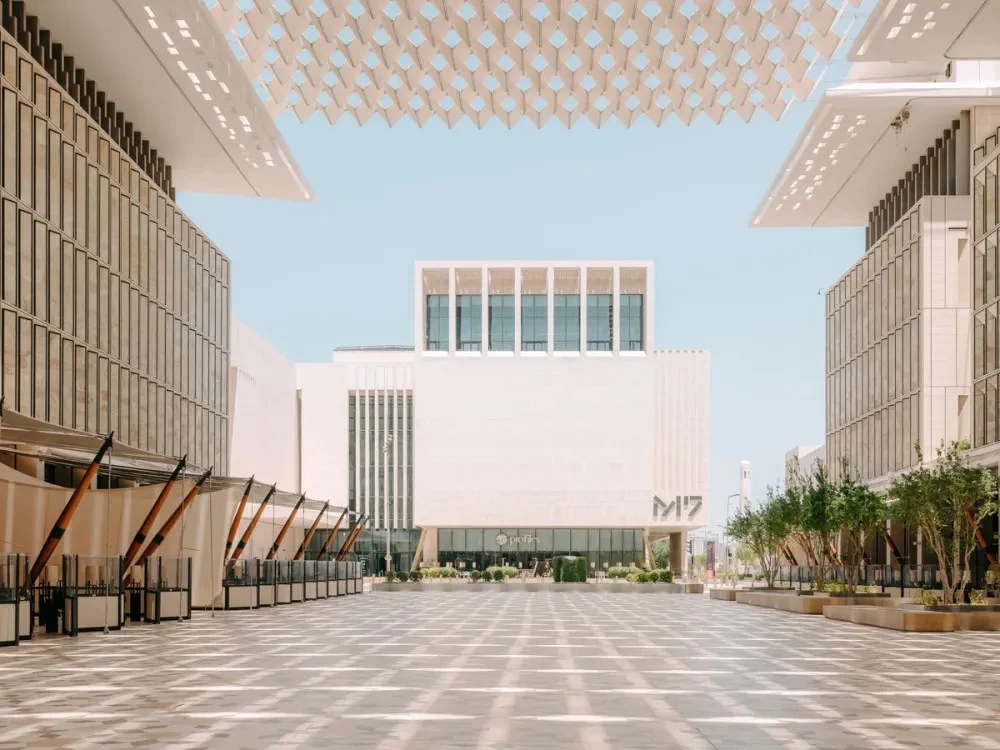
In February 2026, MCH Group reached a strategic milestone with the inaugural edition of Art Basel Qatar in Doha. Featuring 87 dealers, the fair was intentionally boutique in scale compared to its sister editions in Basel and Miami Beach. However, the lead-up to the event was fraught with tension. Following Israeli airstrikes in Doha in September 2025—a byproduct of the escalating conflict involving the U.S. and Iran—there were serious concerns regarding the viability of the fair. MCH Group chose to proceed, positioning the event as a long-term commitment to the Gulf region’s burgeoning cultural infrastructure.
Q2 2026: Market Cooling and Strategic Pivots
By March, attention shifted to Art Basel Hong Kong. While the fair remained a vital hub for the Asian market, the results were a microcosm of the broader economic climate. Blue-chip galleries successfully placed seven-figure masterpieces, but mid-tier dealers reported "slower than usual" sales, reflecting a cautious sentiment among collectors.
As the second quarter progressed, the geopolitical situation in the Middle East took a sharper toll. From early March, the group reported a wave of cancellations for live events in the region. This necessitated a pivot toward "local audiences" and a more conservative approach to international programming in the Middle East for the remainder of the spring.
June 2026: Future-Proofing through Diversification
The semester concluded on June 25 with a significant strategic announcement: MCH Group acquired a 20 percent stake in the Jupiter Festival. Slated for its debut in Miami in October 2026, this move signals the group’s intent to branch out from traditional trade fairs into the "experience economy," blending art, music, and lifestyle elements to capture a younger, more diverse demographic.
Supporting Data: Diversification as a Defense Mechanism
The 12 percent revenue increase was not the result of a single "hit" event but rather a synchronized performance across various segments.
The Role of Industrial Fairs
While Art Basel generates the most headlines, the industrial fairs handled by the "Exhibitions & Events" division were the unsung heroes of H1 2026.
- Swissbau: Attracted significant domestic and international exhibitors, benefiting from the Swiss construction industry’s stability.
- CONEXPO: Provided a massive boost to the Live Marketing Solutions (LMS) arm, which specializes in the physical build-out and logistical management of large-scale trade shows.
Art Basel Qatar: Quality Over Quantity
The Doha edition’s 87-dealer roster was significantly smaller than Art Basel’s flagship Basel fair (which typically hosts 280+ galleries). However, the "quality-over-quantity" approach was a calculated move. By focusing on a "new growth region," MCH Group is playing a long game, establishing a footprint in a territory with high liquid wealth despite current regional instability.
Cost Pressures and Trade Wars
The report highlighted a "challenging context" regarding overhead. Trade wars—particularly those affecting aluminum, steel, and specialized electronics—saw booth building costs rise by an estimated 8–15% in certain regions. MCH Group’s ability to grow its EBITDA to CHF 34.3 million despite these rising costs suggests a successful pass-through of costs to premium clients and a tightening of internal logistics.
Official Responses: Leadership on Resilience
The leadership of MCH Group has framed these results as a validation of their post-pandemic strategy. Andrea Zappia, CEO and Chairman of MCH Group, emphasized the company’s ability to remain "agile" in the face of unpredictable global shifts.
"The first half of 2026 has shown that the steps we have taken are delivering results," Zappia stated in the official announcement. "With Art Basel Qatar, we have opened up a new growth region, while our business as a whole has once again demonstrated its strength and resilience."
Zappia’s comments also touched upon the "gradual improvement" of the landscape in the Middle East. While acknowledgeing that clients had "cancelled all live events from the beginning of March" due to violence, he noted that activities began returning to normal toward the end of the semester, albeit with a shifted focus toward local engagement rather than international tourism. This indicates a pragmatic acceptance that the era of "frictionless" global travel for events may be paused in certain hotspots.
Implications: What This Means for the Future of Art and Trade
The H1 2026 results for MCH Group offer several critical insights into the future of the global events and art markets.
1. The "Experience Economy" Pivot
The investment in the Jupiter Festival suggests that MCH Group recognizes the limitations of the traditional "white cube" art fair model. By taking a stake in a festival-style event, the group is looking to integrate Art Basel’s prestige with more accessible, high-energy lifestyle programming. This is likely a response to the "slowed" art market, seeking to capture revenue from ticket sales and sponsorships that are less dependent on the sale of multi-million dollar paintings.
2. Geopolitics as a Permanent Factor
The fact that MCH Group "soldiered forth" in Doha despite airstrikes and regional war suggests a new reality for international business: geopolitics is no longer a reason to pause operations, but a variable to be managed. The "focus on local audiences" in the Middle East during the fourth quarter reflects a "de-risking" strategy—maintaining presence and revenue without relying on the volatility of international flight paths and tourist security.
3. The Resilience of Industrial "Bread and Butter"
MCH Group’s success in H1 2026 proves that diversification is the best hedge against a cooling art market. While the "blue-chip" art world remains profitable, it is the less glamorous construction and gardening fairs that provide the consistent cash flow needed to weather trade wars and rising material costs.
4. Market Correction and Consolidations
The "slower than usual" sales in Hong Kong and the boutique size of the Qatar fair suggest that the art market is entering a phase of consolidation. The "irrational exuberance" of the early 2020s has been replaced by a "flight to quality." For MCH Group, this means their brand name—synonymous with the highest tier of the market—is more valuable than ever, even if the volume of transactions is lower.
Conclusion
MCH Group’s H1 2026 performance is a testament to the power of a diversified portfolio and a clear-eyed approach to global risk. By expanding into the Middle East during a time of conflict and investing in the festival model in Miami, the company is not just reacting to the current market—it is actively reshaping the definition of what a global "live marketing" company looks like in an era of uncertainty. As they look toward the second half of the year and the inaugural Jupiter Festival, the group appears well-positioned to maintain its growth streak, provided it can continue to balance its high-end art prestige with the grounded profitability of its industrial roots.