
In a move that consolidates nearly a century of combined artistic expertise and technical innovation, Pace Prints has announced the acquisition of Brand X Editions. This landmark deal unites two of the most influential names in the world of contemporary printmaking, signaling a significant shift in the landscape of the New York art world and beyond. The acquisition not only merges the portfolios of two legendary institutions but also solidifies the leadership of Jacob Lewis, who continues to reshape the legacy of Pace Prints for a new generation.
Main Facts: The Consolidation of Two Printmaking Titans
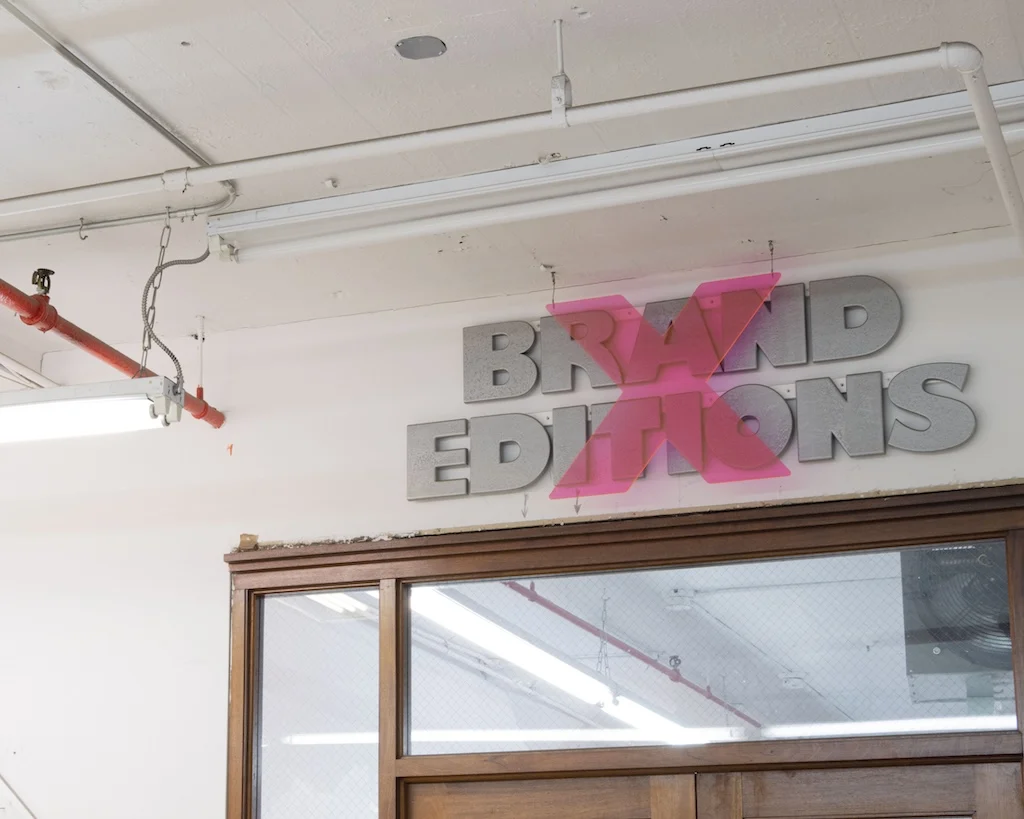
The acquisition of Brand X Editions by Pace Prints marks the formal union of two entities that have defined the standard of fine art printmaking for decades. Founded in 1979 by Robert Blanton, Brand X Editions has spent nearly 50 years at the vanguard of the medium, particularly known for its mastery of ambitious, large-scale screenprinting. Pace Prints, an offshoot of the renowned Pace Gallery founded by Richard Solomon, has long been a cornerstone of the global print market, operating as both a publisher and a gallery.
Under the terms of the deal, Brand X Editions will now fall under the leadership of Jacob Lewis, the President and CEO of Pace Prints. Lewis, who transitioned from an intern to the owner of Pace Prints in 2025, views this acquisition as a strategic alignment of creative resources. While both companies will maintain their existing workshop operations, the merger allows for a significant expansion of production capabilities.
The deal includes:
- Integrated Production: Brand X’s Manhattan and Brooklyn facilities will complement Pace Prints’ existing infrastructure.
- Geographic Expansion: The combined expertise will fuel Pace Prints’ upcoming expansion into the Los Angeles market, including a new gallery and printmaking facility in Hollywood.
- Roster Synergy: The merger brings together a staggering roster of artists, ranging from mid-century masters like Robert Rauschenberg and Helen Frankenthaler to contemporary icons like KAWS and Mickalene Thomas.
Chronology: From 1970s Foundations to the Bi-Coastal Future
To understand the weight of this acquisition, one must look back at the parallel trajectories of these two institutions.
The 1970s: The Genesis of Modern Printmaking
The story begins in the late 1970s, a "Golden Age" for American printmaking. Robert Blanton began his career at the prestigious Styria Studio before striking out on his own to found Brand X in 1979. During this same era, Richard Solomon was building Pace Prints into a powerhouse that bridged the gap between the primary market of the Pace Gallery and the burgeoning demand for high-quality editioned works.
1980s – 2000s: Decades of Collaboration
While they were separate entities, Pace Prints and Brand X were never truly competitors in the traditional sense. Instead, they existed in a symbiotic relationship. Brand X often served as the technical engine for projects published by Pace Prints. Throughout the 1980s and 90s, they collaborated on seminal works by artists such as Roy Lichtenstein and Frank Stella. This period established the "foundational" relationship that Robert Blanton recently cited as the impetus for the merger.
2011 – 2019: Evolution and New Leadership
In 2011, David DeSanctis joined Blanton as a partner at Brand X, spearheading a formal publishing program. This move allowed Brand X to not only act as a contract printer but to also curate and release its own editions. Meanwhile, at Pace Prints, Jacob Lewis was rising through the ranks. Having started as an intern, Lewis’s deep understanding of both the technical and commercial sides of the business led to his appointment as President in 2019.
2024 – 2025: Institutional Legacy and Ownership Shift
The last two years have been transformative. In 2024, Brand X solidified its place in art history by establishing the Brand X Archive at the Philadelphia Museum of Art, a collection of over 400 prints. In 2025, Jacob Lewis officially took ownership of Pace Prints from Richard Solomon and his partners. With the acquisition of Brand X in 2026, the transition of power is complete, placing the future of both legacies in Lewis’s hands.
Supporting Data: A Roster of Mastery and Museum Recognition
The value of this acquisition is best measured by the caliber of the artists who have entrusted their visions to these studios. The combined archive of Pace Prints and Brand X represents a "who’s who" of 20th and 21st-century art.
The Brand X Master List
Brand X built its reputation on the technical difficulty of its screenprints. Their portfolio includes:
- The Modernists: Helen Frankenthaler, Robert Rauschenberg, and Roy Lichtenstein.
- The Minimalists and Abstractionists: Frank Stella and Glenn Ligon.
- Contemporary Superstars: KAWS, Rashid Johnson, Alex Katz, and Tschabalala Self.
- Emerging Voices: Loie Hollowell, Joel Mesler, and Adam Pendleton.
Museum and Institutional Validation
The technical prowess of Brand X has not gone unnoticed by the academic and curatorial world. The Brand X Archive at the Philadelphia Museum of Art serves as a permanent record of the studio’s contribution to the medium. This was followed by a major retrospective at the museum in 2025. Currently, the Dallas Museum of Art is hosting "X Marks the Spot: Contemporary Screenprinting from Brand X Editions," an exhibition that highlights the studio’s role in pushing the boundaries of what screenprinting can achieve—moving beyond flat color into complex, layered textures that rival traditional painting.

Official Responses: A Shared Vision for the Medium
The leadership of both organizations has expressed a profound sense of continuity and mutual respect regarding the deal.
Jacob Lewis, President and CEO of Pace Prints, emphasized the collaborative spirit of the merger. In a statement to ARTnews, he noted:
“As we embark on our mission to preserve and challenge the technical possibilities of printmaking, Pace Prints is thrilled to now welcome our long-time partner Brand X under our creative umbrella. Given the collaborative nature of our studios, ideas are exchanged, an artist’s vision is realized, and the editioned work that is created becomes something that couldn’t have been crafted in isolation.”
Lewis also touched upon the personal significance of the deal, having been mentored by both Richard Solomon and Robert Blanton. "I’ve been fortunate to have had not only one, but two mentors. It is an honor that each of them has entrusted me with their businesses, which carry such important artistic legacies."
Robert Blanton, Founder of Brand X, echoed these sentiments, highlighting the historical ties between the two firms:
“Pace Prints has been foundational to Brand X. Jacob Lewis is ideally positioned to lead these two companies into the future, ensuring that the standards of excellence we’ve built over the last five decades continue to thrive.”
Implications: The Future of the Print Market and Bi-Coastal Strategy
The acquisition of Brand X by Pace Prints has several far-reaching implications for the art market and the medium of printmaking itself.
1. The Professionalization of the "Mega-Studio"
As the global art market becomes more consolidated, the "mega-gallery" model is now being mirrored in the "mega-studio" model. By bringing Brand X under its wing, Pace Prints creates a vertically integrated powerhouse that can handle everything from the first experimental pull of a screenprint to the final sale in a high-end gallery. This allows for greater control over quality, pricing, and the "secondary life" of editions.
2. The Los Angeles Expansion
Pace Prints’ move to Hollywood is a clear indicator of the shifting geography of the art world. Los Angeles has become an essential hub for contemporary artists, many of whom prefer the space and light of the West Coast. By establishing a facility that includes both a gallery and a high-level printmaking studio, Pace Prints is positioning itself to capture the creative energy of the L.A. scene. The Brand X acquisition provides the additional technical manpower needed to staff and run such an ambitious bi-coastal operation.
3. Printmaking as a High-Tech Frontier
The merger is likely to accelerate technical innovation. Brand X is legendary for its screenprinting, while Pace Prints has historically excelled in etching, relief, and digital hybrids. Combining these "toolboxes" allows artists to experiment with mixed-media prints that were previously impossible. This elevates the status of the "print" from a mere reproduction to a unique, technologically advanced art object in its own right.
4. Preserving the Legacy of the "Master Printer"
In an age of digital reproduction, the role of the "Master Printer" is at risk of fading. This acquisition ensures that the tactile, artisanal knowledge held by veterans like Robert Blanton and David DeSanctis is passed down to a new generation of printers under the Pace Prints umbrella. It secures the "human element" of printmaking, ensuring that the medium remains a collaborative dialogue between artist and artisan.
Conclusion
The acquisition of Brand X Editions is more than a business transaction; it is a custodial act. By bringing these two legacies together, Jacob Lewis is ensuring that the history of American printmaking remains vibrant and forward-looking. As Pace Prints prepares to open its doors in Los Angeles and integrate the Brand X workshops in New York, the art world watches as a new chapter in the history of the multiple is written. Over the next decade, this combined operation is poised to become a global center for artistic exploration, proving that the medium of printmaking is not just a reflection of the past, but a vital engine for the future of contemporary art.