

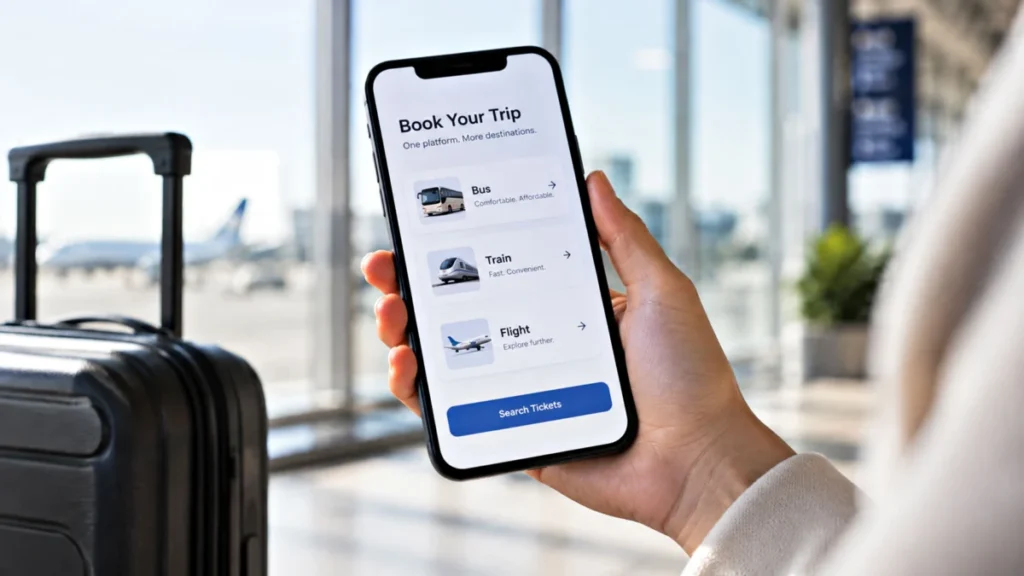
In the digital age, the complexity of modern travel has evolved from the logistical nightmare of paper tickets and physical transit hubs to a seamless, app-driven experience. As global mobility increases, travelers are no longer tethered to a single mode of transport. Instead, the modern itinerary is often a hybrid mosaic of buses, trains, and flights. However, the fragmentation of the travel industry—where thousands of individual carriers operate their own disparate booking systems—has historically created a "search fatigue" for the average passenger.
Enter platforms like INFOBUS, which have emerged as the digital architects of modern travel. By aggregating vast networks of carriers into a single, intuitive interface, these platforms are not merely convenience tools; they are essential components of a global transportation infrastructure that prioritizes efficiency, transparency, and accessibility.
Main Facts: Consolidating the Global Transit Network
At its core, INFOBUS acts as a centralized marketplace for international mobility. The fundamental value proposition is simple yet revolutionary: it removes the need for travelers to navigate dozens of individual airline, rail, or bus company websites to construct a single journey.
The platform functions as a comprehensive aggregator, syncing real-time data from thousands of carriers across Europe, Asia, the United States, and beyond. This includes industry giants such as FlixBus, Megabus, Ryanair, Wizz Air, and Turkish Airlines, as well as major rail networks like Deutsche Bahn and Trenitalia. By housing these disparate services under one digital roof, INFOBUS allows users to filter by price, duration, and departure time, effectively turning the chaotic landscape of global transit into a structured, comparable data set.
The shift toward this "all-in-one" model represents a broader trend in consumer technology: the transition from platform-specific browsing to meta-search dominance. Just as consumers expect a single search engine to find the best product prices, travelers now demand a single portal for the entirety of their transit needs.
Chronology: The Digital Shift in Ticket Procurement
To understand the current state of travel, one must look at the evolution of ticket procurement over the last three decades:
- The Era of Physical Presence (Pre-2000s): Travel planning was a labor-intensive process requiring visits to physical ticket offices, travel agencies, or hours spent on the telephone. Information was asymmetric; agents held the keys to schedules and pricing that the average traveler could not access.
- The Desktop Revolution (2000–2012): The rise of the internet allowed carriers to host their own websites. While this eliminated the need to visit a physical office, it created a new problem: "tab overload." Travelers spent hours manually comparing different browser tabs to piece together multi-leg journeys.
- The Aggregation Phase (2013–2020): Platforms like INFOBUS gained traction by leveraging APIs to pull data from various carriers. This era focused on bringing the disparate systems together, allowing for the first real side-by-side price comparisons.
- The Mobile-First Ecosystem (2021–Present): With the ubiquity of smartphones, the booking process has moved into the pocket. Real-time notifications, mobile ticketing (QR codes), and integrated payment gateways (Apple Pay, Google Pay) have made the physical ticket obsolete. The focus today is on "frictionless" travel—where the booking process takes mere seconds, and the digital ticket serves as a permanent, accessible record.
Supporting Data: Why Aggregation Wins
The necessity for platforms like INFOBUS is supported by data regarding consumer behavior. Studies on travel habits indicate that the average traveler spends roughly 10 to 15 hours planning a complex international trip. A significant portion of this time is dedicated to cross-referencing schedules.
By utilizing a unified platform, the "search-to-book" conversion time is reduced by an estimated 60-70%. Furthermore, the integration of multiple modes of transport—bus, train, and flight—addresses the "last mile" problem. For instance, a traveler might fly into a major international hub but require a regional bus or train to reach their final destination. Fragmented booking often leads to missed connections; centralized platforms provide a clearer overview of the entire transit chain, allowing for smarter planning and more realistic buffer times between transfers.
The security of these transactions is equally data-backed. With the rise of cyber-awareness, travelers are increasingly skeptical of booking on smaller, unknown carrier websites. Centralized platforms provide a verified, secure environment using encrypted payment gateways (PayPal, Visa, Mastercard, and digital wallets), which mitigates the risk of fraud and ensures a standardized level of customer support.
Official Perspectives and Operational Philosophy
Industry analysts and platform spokespeople highlight that the goal of modern travel technology is "democratization." By making the data of thousands of carriers accessible to the public, platforms like INFOBUS ensure that smaller, regional operators can compete on the same footing as global conglomerates.
From an operational standpoint, the philosophy is to minimize human error. When a traveler inputs their origin and destination, the platform does not just return a list; it calculates the most logical sequence of transit. If a train is delayed, the traveler has the data necessary to see if a bus alternative exists, all within the same ecosystem. This visibility empowers the traveler, shifting the power dynamic from the carrier to the customer.
Furthermore, the platform’s commitment to user-friendly design—often cited in their own mission statements—focuses on "intuitive booking." This means that the UI/UX is built to accommodate users regardless of their technical proficiency, ensuring that the elderly or infrequent travelers can navigate the complex web of global transit with the same ease as a seasoned digital nomad.
Implications: The Future of Intermodal Travel
The rise of platforms like INFOBUS has profound implications for the travel industry and the environment.
1. Environmental Impact: By providing easy access to rail and bus schedules alongside flights, these platforms encourage more sustainable transit choices. If a train route is highlighted as a viable alternative to a short-haul flight within the same platform, the traveler is statistically more likely to choose the greener option.
2. Economic Efficiency: The competitive nature of a centralized platform drives prices down. Carriers, knowing they are being directly compared to their rivals, are incentivized to offer the best possible rates. This creates a transparent market where the consumer benefits from lower costs and clearer value propositions.
3. The "Super-App" Trajectory: Looking ahead, we can expect these platforms to integrate further services. Future iterations may include real-time traffic updates, local public transport integration, and perhaps even AI-driven travel assistants that suggest routes based on weather conditions, political stability, or local events.
4. The End of Physical Paperwork: The transition to purely digital, app-based travel is nearing completion. As more nations adopt digital passport and visa standards, the "smartphone-as-travel-document" era is becoming a reality. Platforms like INFOBUS are the foundational layer of this digital passport ecosystem, serving as the bridge between the traveler’s intent and their physical movement across borders.
Conclusion
The evolution of booking platforms represents a pivotal shift in how we navigate our world. What began as a series of disconnected, tedious, and often opaque processes has been transformed into a streamlined, digital-first experience. INFOBUS, by bridging the gap between thousands of carriers and the individual traveler, exemplifies the power of technology to simplify the complexities of modern life.
Whether one is a business traveler needing a last-minute train to a regional office or a tourist mapping out a multi-country European excursion, the ability to compare, choose, and secure a ticket in a matter of minutes is a hallmark of modern efficiency. As we look toward the future, the integration of more carriers and more sophisticated data analysis will only continue to shrink the globe, making travel not just more accessible, but more intelligent and intentional.
For the modern traveler, the destination is no longer the only thing that matters—the journey, curated and managed through the palm of their hand, has become an integral part of the experience itself.
Frequently Asked Questions (FAQ)
What types of tickets can I book on INFOBUS?
Travelers have access to a vast array of transit options, including intercity and international buses, high-speed and regional trains, and flights. By aggregating thousands of carriers, the platform provides a one-stop-shop for almost any transit requirement, regardless of the destination’s geography.
Why use one booking platform instead of several websites?
Efficiency is the primary driver. Using a single platform eliminates the need to jump between multiple browser tabs, manage various logins, or navigate different payment systems. It provides a standardized view of price, duration, and departure times, allowing for a truly objective comparison that is impossible to achieve manually.
Can I book tickets online from my phone?
Absolutely. The modern travel experience is mobile-centric. Through dedicated mobile apps and optimized web interfaces, users can search for routes, secure seats, and process payments directly from their smartphones. This ensures that travel planning can happen on the go, providing flexibility for last-minute changes or spontaneous travel decisions.
Is online ticket booking secure?
Security is a cornerstone of digital travel platforms. By utilizing high-level encryption and supporting globally recognized payment methods like PayPal, Visa, Mastercard, and Apple Pay, these platforms ensure that user financial data is protected. Additionally, the automated delivery of electronic booking confirmations via email provides a permanent, secure record of the transaction that serves as a valid ticket for travel.