
For decades, the concept of a "health retreat" conjured images of either austere boot camps or overly clinical, sterile facilities where one’s vitality was measured primarily by blood work and biometric data. Fifteen years ago, when a friend first invited me to experience the Malibu-based The Ranch, I declined. At the time, I conflated the brand with the "Ashram" style of wellness: punishing, dawn-to-dusk hikes coupled with a starvation-level caloric intake.
However, after spending four nights at The Ranch Hudson Valley—the brand’s prestigious East Coast outpost—I have realized that this is neither a boot camp nor a laboratory. It is something far more nuanced: a Gilded Age sanctuary that balances physical rigor with the creature comforts of a five-star estate.
The Setting: Table Rock and the Architecture of Restoration
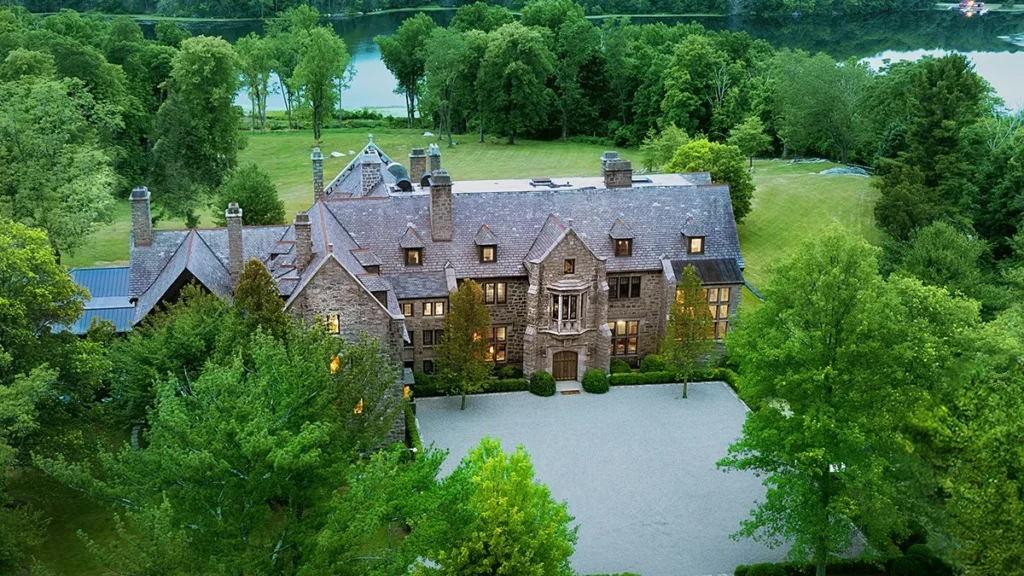
The Ranch Hudson Valley occupies Table Rock, a sprawling 1904 estate that defines the opulence of the Gilded Age. Built as a country home for William Pierson Hamilton—the great-grandson of Alexander Hamilton—and his wife, Juliet Pierpont Morgan, daughter of the legendary financier J.P. Morgan, the property is a masterclass in architectural heritage.
Purchased in 2023 by The Ranch and situated on approximately 200 acres of prime New York landscape, the estate was acquired in near-pristine condition. When the retreat opened its doors the following year, it seamlessly integrated modern wellness infrastructure into a home that spans over 40,000 square feet. Staying here feels less like a hotel check-in and more like a retreat at a private, impeccably curated mansion. My assigned room, tucked under a third-floor gable and aptly named "Ranger," features no keys, reinforcing the sense of communal trust. Staff and guests communicate via walkie-talkies rather than the impersonal buzz of hotel phones, fostering an environment of intimacy and shared purpose.

Chronology of a "Rancher"
To understand the rhythm of The Ranch, one must embrace a schedule that prioritizes circadian alignment and physical exertion.
The Arrival and Decompression
Upon arrival, the pace is set with a grounding breath-work class, followed by a light trek across the property. My initial walk was punctuated by a surprise encounter with a timber rattlesnake—a reminder that we were deep in the wild, not just a manicured spa. Before the evening meal, I retreated to the solarium, where an infrared sauna looks out over a tranquil lake, offering the first of many moments of quiet reflection.
The Full-Day Regimen
The true "reset" begins at 6:00 a.m., signaled by an overnight staff member ringing a Tibetan chime outside each guest room. Following a morning stretch and a modest breakfast—notable for the inclusion of high-quality coffee, a rare luxury in strict wellness circles—the guests prepare for the day’s primary challenge.
Experienced "Ranchers" arrive with their own medical-grade foot care: tape and gel pads to stave off the inevitable blisters of a four-hour hike. The group departs in Sprinter vans for the rugged terrain of Harriman State Park. The hike is the heartbeat of the program; it is physically taxing, mentally clearing, and undeniably rewarding. After four hours of trekking, during which our group encountered a black bear, we returned to the property. The "mudroom ritual"—soaking tired feet in ice baths or Epsom-salt-infused warm water—quickly became my most anticipated daily milestone.

Supporting Data: The Anatomy of the Guest Base
Our cohort consisted of 25 individuals, representing a diverse spectrum of age and background. The demographic makeup included three mother-daughter pairs, three married couples, and a group of friends on an annual getaway. Interestingly, only five of the 25 guests were men, and the vast majority arrived solo.
The age range spanned an impressive 60 years. Notably, our octogenarian guest, whose fitness levels rivaled those half her age, served as a constant source of inspiration. While the majority of guests hailed from the New York metropolitan area, the international reach of the brand was evident, with attendees traveling from as far as Bulgaria and Australia.
The Philosophy of "Type 2 Fun"
Senior program guide Ben Copp introduced us to the concept of "Type 2 Fun." In the rock-climbing community, this refers to activities that are deeply challenging—sometimes even miserable—in the moment, but which generate a sense of accomplishment and nostalgia once completed.
This philosophy permeates the stay. While we were pushed to our limits during the day, the evenings were defined by luxury. The former ballroom, with its intricately carved and coffered ceilings, serves as the venue for strength training and yoga. Meanwhile, our laundry was whisked away and returned, fresh and folded, like clockwork. The massage program is another pillar of the experience; after logging over 50,000 steps, I found that booking a double-session massage was not an indulgence, but a functional necessity.

Constructive Critique: The Guest Experience
Despite the high level of service, the guest feedback loop is active and vocal. During my stay, several recurring themes emerged regarding potential enhancements:
- Facility Amenities: Some guests noted a desire for a bathing-suit spinner in the locker rooms.
- Luxury Touches: There was a collective fascination with the towel-warming technology used for bathrobes, with many guests inquiring about purchasing one for their own homes.
- Programming Variety: While the current schedule is highly effective, some attendees expressed a craving for more variety in the daily rotation—specifically suggesting the addition of water aerobics, TRX, or dedicated Pilates sessions as part of the standard curriculum, rather than requiring guests to select them as add-ons.
The Nutritional Component
Chef Julius, who approaches the kitchen with the mind of a nutritionist, oversees the dining program. His "plant-forward" philosophy is rooted in the belief that food should be functional fuel. The meals are primarily vegan, with occasional, carefully sourced animal proteins included to balance the diet. The cuisine is intentionally designed to be anti-inflammatory, and while it departs from the richness of standard hotel fare, the feedback among guests was uniform: no one leaves the table hungry.
Implications: The Future of Longevity
What sets The Ranch Hudson Valley apart is its commitment to the fundamentals. In an era where "longevity" is frequently sold through complex blood panels, expensive diagnostics, and endless supplement regimens, The Ranch suggests that the path to health is actually quite simple: consistent movement, clean whole foods, and restorative sleep.
There are no gimmicks here. There is no blood work to obsess over and no bio-hacking fads to chase. Instead, there is the undeniable power of community. On our final evening, the living room was filled with guests playing chess, swapping stories, and exchanging contact information. Many were already coordinating their calendars to return together.

As we departed, it became clear that the most significant outcome of the retreat wasn’t just the physical conditioning or the caloric deficit—it was the social connection. In the end, the relationships forged through shared physical struggle may be the most potent longevity tool of all.
The Ranch Hudson Valley offers four-night retreats starting at $9,500 for a single guest during the fall season.