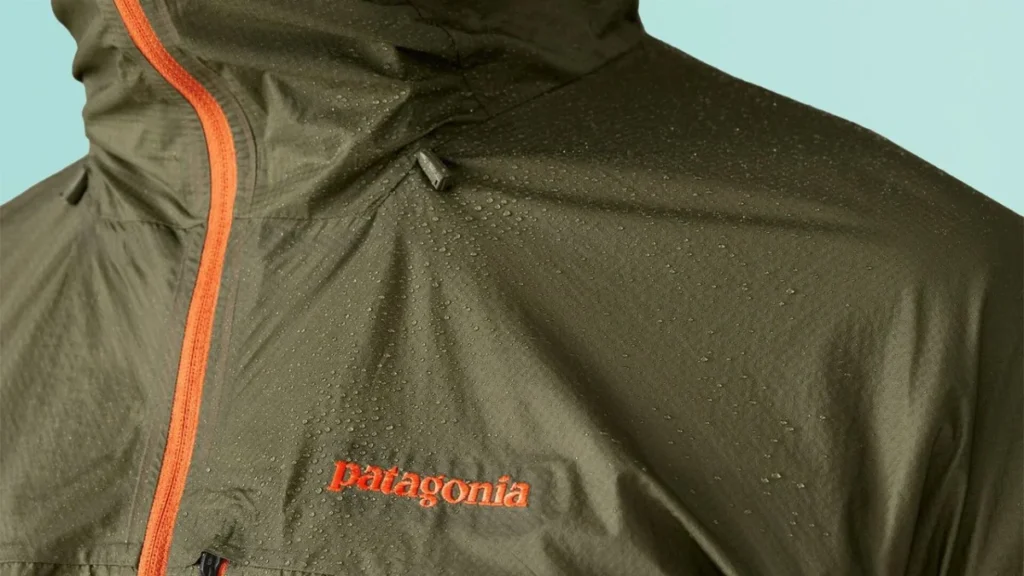
For nearly two decades, the Patagonia Houdini has occupied a hallowed space in the world of outdoor gear. It is the quintessential "just in case" layer: a featherweight, translucent sliver of fabric that has saved countless trail runners, hikers, and ultralight backpackers from sudden gusts of wind or light mountain mist. Yet, while the original Houdini is a masterclass in minimalism, its very simplicity has historically limited its utility in the high-stakes, high-abrasion environment of technical rock climbing.
Patagonia has finally addressed this gap with the introduction of the Houdini Rock Jacket. Moving beyond the ultralight aesthetic of its predecessor, the Rock version reconfigures the classic formula into a robust, specialized alpine tool. Designed specifically for the demands of multipitch climbing, this jacket marks a significant evolution in Patagonia’s "Free Wall" kit—a system engineered for those who spend their days vertical.
Main Facts: The Anatomy of the Houdini Rock
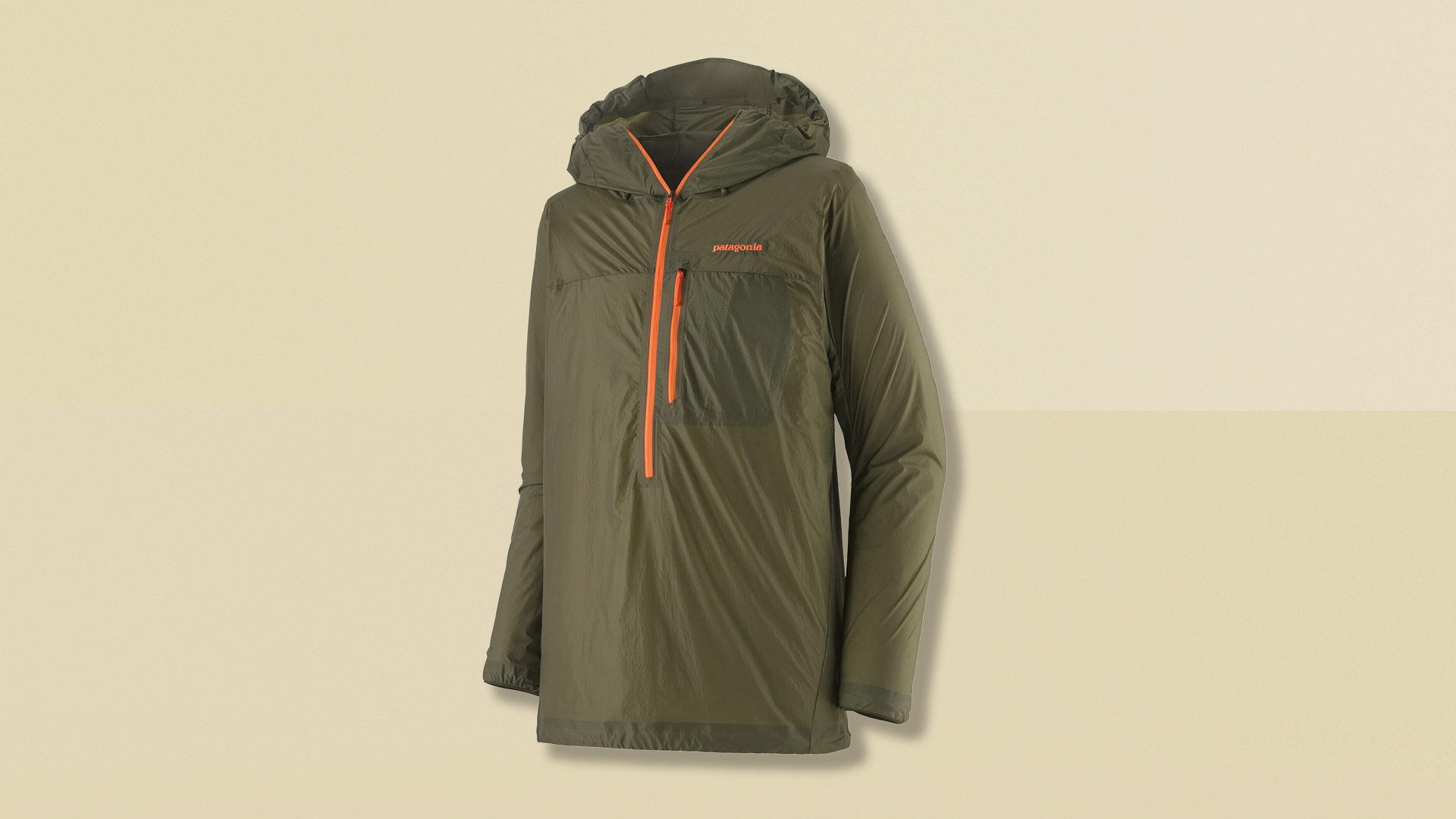
The Houdini Rock is not simply a heavier version of the original; it is a fundamental redesign tailored for the crag. Weighing in at approximately 130 grams, it remains impressively light, yet it achieves a level of durability and functionality that the standard Houdini lacks.
The jacket is constructed from a recycled nylon ripstop fabric, chosen for its high strength-to-weight ratio. Crucially, it features a PFAS-free Durable Water Repellent (DWR) coating, aligning with Patagonia’s ongoing commitment to removing "forever chemicals" from their supply chain. While it is not intended to be a replacement for a dedicated waterproof hardshell, it offers a necessary layer of protection against the elements while maintaining high breathability—a critical requirement for strenuous climbing.
Key technical specifications include:
- Harness-Compatible Fit: The hem is shaped to sit comfortably under a climbing harness without bunching or restricting movement.
- Helmet-Friendly Hood: An adjustable, low-profile hood designed to be worn over a climbing helmet, providing protection without obstructing peripheral vision.
- Articulated Construction: Enhanced shoulder and arm mobility ensures that reaching for that next hold doesn’t pull the hem of the jacket out of your harness.
- Two-Way Front Zipper: A vital feature for climbers, allowing easy access to a belay device or harness-mounted gear without needing to remove the jacket.
- Offset Shoulder Seams: By shifting the seams, Patagonia has ensured that heavy backpack straps don’t cause chafing or create pressure points during long approaches.
A Chronology of the Houdini Legacy
To understand the significance of the Houdini Rock, one must look at the trajectory of the original Houdini. Launched in the early 2000s, the original Houdini was a response to a growing demand for "fast and light" gear. It became a cult classic because it could pack into its own pocket, disappearing into the smallest corner of a running vest.
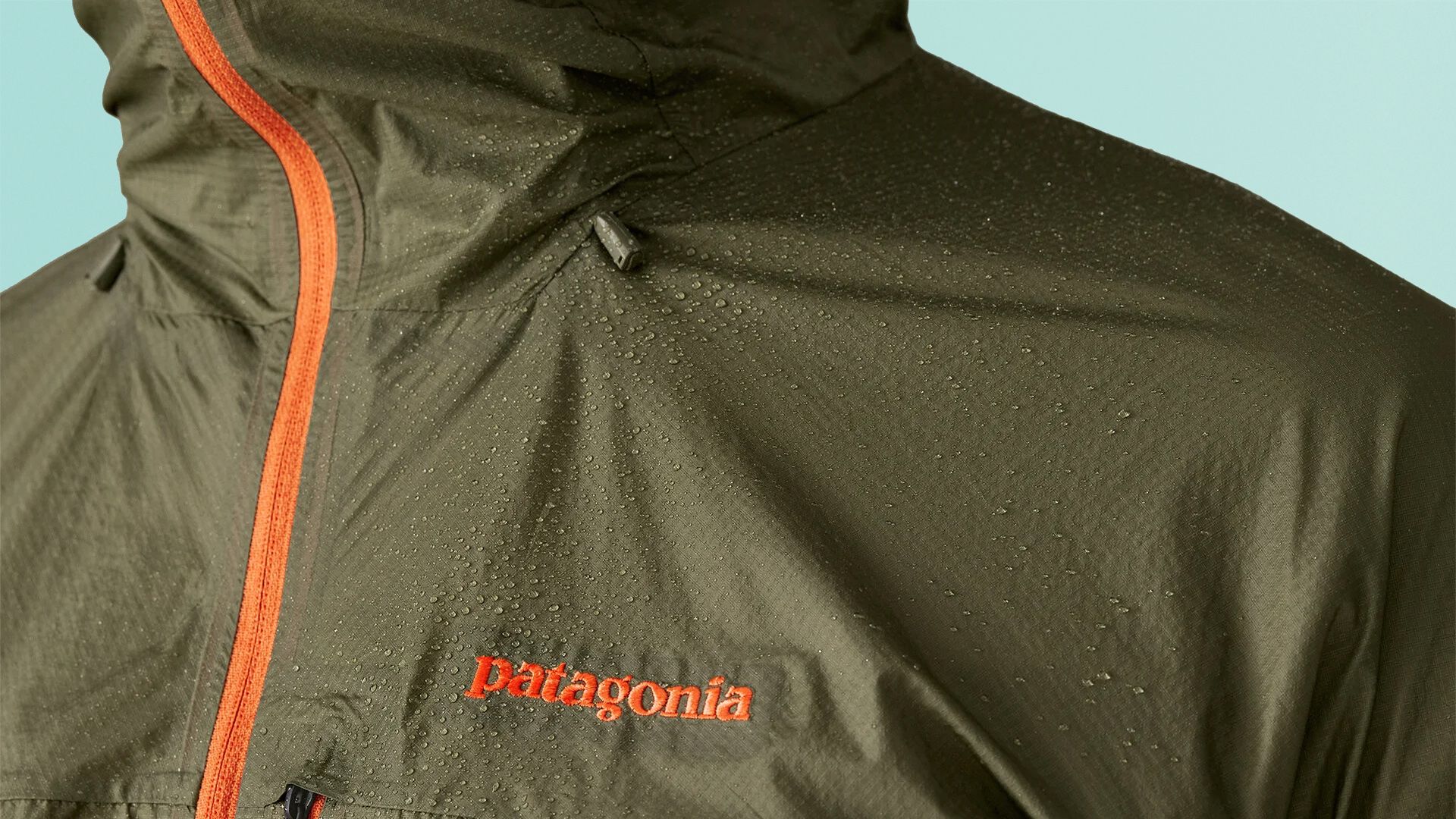
Over the years, the Houdini has seen numerous iterations, mostly focused on sustainable material sourcing and slight tweaks to the cut. However, it remained fundamentally a "running" jacket. Its minimalist construction—single chest pocket, elasticated cuffs, and a simple hood—was sufficient for the trail, but the fabric was prone to tearing against granite and the fit was often too restrictive for the wide range of motion required on vertical rock faces.
The introduction of the Houdini Rock represents the first major "branching" of the Houdini family tree. By positioning the jacket within the "Free Wall" collection, Patagonia is signaling a pivot toward specialized climbing gear that retains the Houdini’s core philosophy: protection that feels like nothing at all.
Supporting Data: Material Science and Performance
The performance of the Houdini Rock relies on the delicate balance between wind resistance and moisture management. In alpine environments, the primary enemy is often wind chill, which strips body heat rapidly. The tightly woven nylon ripstop provides a high level of wind blockage, preventing the "breeze-through" effect that often compromises warmth.
Data from recent field tests suggest that while the fabric is more robust than the standard Houdini, it maintains excellent moisture-vapor transmission rates. This is essential for climbers who are generating high levels of internal heat while active, then transitioning to cold, static periods at a belay station. The PFAS-free DWR is a significant step forward in material science, as early iterations of non-PFAS coatings often struggled to match the performance of traditional treatments. Patagonia’s latest proprietary coatings demonstrate that performance does not have to be sacrificed for environmental responsibility.
Furthermore, the integration into the "Free Wall" system suggests a modular approach to climbing apparel. When paired with other items in the collection—such as the Free Wall pants and specific climbing packs—the Houdini Rock acts as a foundational layer that mitigates the need for multiple, heavier garments.
Official Responses and Strategic Positioning
In official statements, Patagonia has emphasized that the Houdini Rock was born out of direct feedback from their team of climbing ambassadors. These athletes often found themselves in a "middle ground" weather scenario: it was too windy to climb in just a shirt, but too warm and active to justify the weight and restriction of a 3-layer Gore-Tex hardshell.
"We wanted to build something that felt invisible," says a lead designer from the Patagonia climbing division. "When you are sixty meters off the ground, the last thing you want is a jacket that fights you. The Rock version takes the ’emergency’ utility of the classic Houdini and gives it the ergonomics of a professional climbing tool."
The company also stresses that this product is part of their broader "circularity" initiative. By using 100% recycled nylon, the Houdini Rock minimizes its carbon footprint while maintaining the durability required for a long product lifespan—a cornerstone of Patagonia’s "Worn Wear" philosophy.
Implications for the Outdoor Industry
The launch of the Houdini Rock has several implications for the outdoor retail landscape:
- The Rise of Specialized Mid-Layers: We are seeing a shift away from "do-it-all" gear toward highly specialized, activity-specific items. The Houdini Rock is not for the casual hiker; it is for the person who spends weekends on multipitch routes.
- The End of PFAS: By successfully implementing a high-performance, PFAS-free shell, Patagonia is putting pressure on the rest of the industry to accelerate their transition away from harmful fluorinated chemicals.
- The Premiumization of "Minimalism": With a price point of $199 (£180 / €200), the Houdini Rock is significantly more expensive than the classic Houdini. This reflects the added complexity of the manufacturing process, such as the two-way zipper and the sophisticated articulation patterns. It suggests that consumers are willing to pay a premium for gear that is "engineered" rather than just "designed."
Conclusion: Is the Houdini Rock Right for You?
For the dedicated climber, the Houdini Rock is a compelling upgrade. It solves the primary complaints regarding the classic version—namely, the lack of helmet compatibility and the restrictive fit—without sacrificing the core benefit of the Houdini line: its near-weightless packability.
However, for the casual trail runner, the standard Houdini remains the superior choice due to its lower price and simpler design. The "Rock" is a specialized tool. If your adventures involve carabiners, harness systems, and granite faces, the Houdini Rock provides a level of freedom and protection that, until now, was difficult to find in such a lightweight package.
As Patagonia continues to evolve its product lines, the Houdini Rock stands as a testament to the idea that even the most "perfect" gear can be improved upon when you stop designing for everyone and start designing for a specific, demanding purpose. Whether this jacket becomes as iconic as its predecessor remains to be seen, but it has certainly set a new benchmark for what a lightweight alpine shell can achieve.