
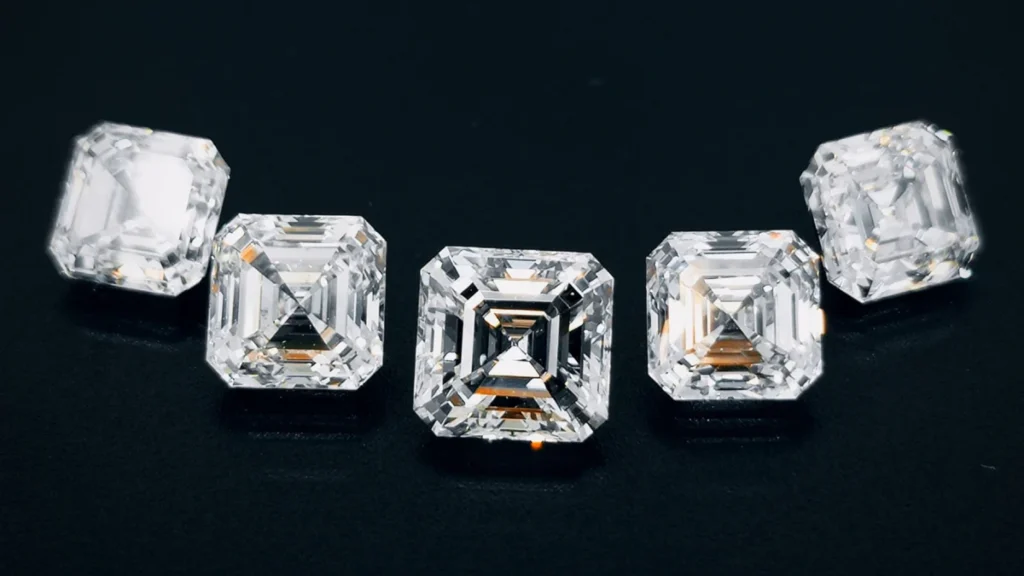
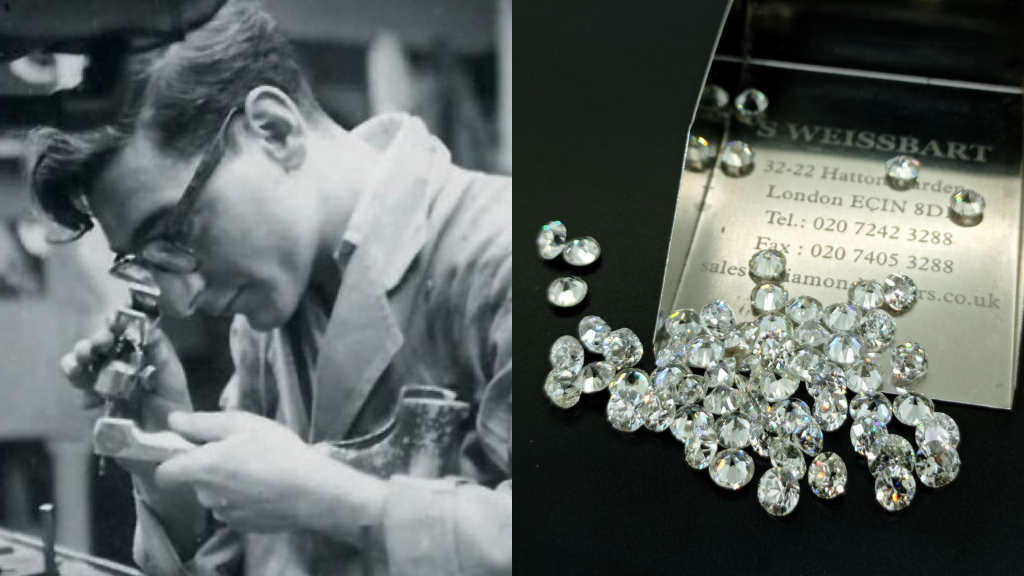
In the storied, cobblestoned corridors of London’s Hatton Garden and the bustling workshops of the Birmingham Jewellery Quarter, the name "S Weissbart" has become synonymous with longevity, integrity, and the enduring allure of the diamond. Since its inception in 1958, this family-run diamond dealing enterprise has navigated the complexities of the global jewellery trade with a steady hand and a clear moral compass.
Today, the business is steered by Jonathan Weissbart, a partner-owner who seamlessly blends deep industry expertise with a refreshing commitment to modern ethical standards. As the company continues to evolve, its recent integration into the Responsible Jewellery Council (RJC) serves as a testament to its forward-thinking philosophy. This report explores the legacy, the cultural transformation, and the strategic vision of S Weissbart, a firm proving that family heritage and 21st-century responsibility are not mutually exclusive.
The Legacy of a Family Institution: A Chronology of Excellence
To understand the current ethos of S Weissbart, one must look back to the foundations laid by the late Saul Weissbart. Since 1958, the company has operated as a pillar of the British jewellery trade, surviving economic shifts and industry transformations through a commitment to personal relationships and expert knowledge.
- 1958: Foundation of the business by Saul Weissbart, establishing the company’s core values of honesty, transparency, and technical mastery.
- The Mid-Century Expansion: Growth within the Birmingham Jewellery Quarter and Hatton Garden solidifies the brand as a reliable supplier to the UK’s finest independent jewellers.
- Generational Transition: The passing of the torch to sons Jonathan and David Weissbart, who integrated contemporary business practices while preserving their father’s "customer-first" philosophy.
- 2019–2024: The company embarks on a formal certification journey, aligning its operations with the RJC’s Code of Practice and Laboratory Grown Material Standards.
- Present Day: A period of diversification, focusing on both traditional natural diamond expertise and an expanded offering of laboratory-grown stones, supported by a modern, inclusive, and ethically conscious workplace culture.
Core Values: Why Membership in the Responsible Jewellery Council Matters
For a business rooted in tradition, the decision to join the Responsible Jewellery Council (RJC) was not merely a box-ticking exercise; it was a strategic alignment with the company’s long-standing identity. Jonathan Weissbart notes that while the firm had long observed the RJC’s work, the final impetus came from both internal conviction and external encouragement from key clients who recognized that the future of the diamond trade is inherently linked to supply chain transparency.
"At S Weissbart, we feel strongly committed to maintaining honest and transparent connections," says Jonathan. "Our RJC membership works hand-in-hand with what we’ve valued for decades. It is about formalizing our commitment to ethical business practices and ensuring we take our responsibility to our community—and the global supply chain—seriously."

By adhering to the RJC’s rigorous standards, S Weissbart has effectively bridged the gap between the "old-school" approach of trust-based trading and the modern requirement for third-party audited accountability.
Advancing Ethical Practice: Data and Internal Development
Since achieving certification, S Weissbart has focused heavily on internal enrichment. The company has moved beyond simple product compliance, viewing the RJC framework as a catalyst for human capital development.
Enhanced Employee Training
A critical achievement for the firm has been the implementation of comprehensive training modules for staff. These programs cover:
- Diversity and Inclusion: Fostering a workplace where diverse perspectives are encouraged.
- Anti-Bribery and Corruption: Ensuring that every transaction meets the highest global standards of financial integrity.
- Wellbeing in the Workplace: Moving away from the traditional, high-pressure environments of the jewellery trade toward a more supportive, mental-health-conscious culture.
These initiatives are complemented by "active bystander" workshops, which empower team members to maintain a safe, respectful, and inclusive environment. This cultural shift underscores the company’s belief that ethical business begins at home, in the way colleagues treat one another.
Mentorship and the Next Generation: A Family Approach to Knowledge
"My father firmly believed in dedicating time to upskilling the younger generation," Jonathan explains. This tradition of knowledge transfer remains central to the firm’s operations. In an industry that often relies on institutional memory, S Weissbart actively combats the "silo" mentality by encouraging open dialogue between veteran traders and new apprentices.

The "All-Voices" Philosophy
One of the most significant cultural traditions inherited from Saul Weissbart is the belief that expertise is not solely a function of tenure. "Dad always said that no matter your age, everyone has something they can teach others," Jonathan notes. This egalitarian approach means that when a new jeweller joins the team, their ideas are not only heard but treated with the same weight as those from a partner with decades of experience.
This environment of mentorship extends to the broader community. The firm actively seeks to offer apprenticeship opportunities, viewing the education of the next generation of jewellers as a fundamental responsibility of being an established industry player.
Industry Implications: Sustainability, Transparency, and the Future
Looking at the broader landscape of the jewellery trade, Jonathan Weissbart advocates for a shift in how companies interact with their supply chains. He posits that the "cottage industry" nature of the trade is no excuse for a lack of sophistication; rather, it is an opportunity for smaller, more agile firms to lead by example.
The Rise of Laboratory-Grown Diamonds
Reflecting changing market demands, S Weissbart has significantly expanded its stock of laboratory-grown diamonds. However, this shift has been approached with the characteristic caution and transparency of a firm that built its reputation on natural stones. The company is currently developing a curated collection of ready-made jewellery, a direct response to customer feedback requesting more accessible, high-quality products.
The Call for Ethical Leadership
"Where possible, companies throughout the supply chain should be considering how they can go even further than the bare minimum," Jonathan urges. He emphasizes that environmental stewardship and ethical sourcing are not just "compliance" issues—they are essential to the long-term viability of the industry. He also highlights a positive trend observed over the last decade: the rise of female leadership in the jewellery trade, which he views as a vital development for a more equitable and progressive industry.
Conclusion: Balancing the Corny with the Professional
Perhaps the most unique aspect of S Weissbart is its refusal to allow its professional rigour to strip away its human personality. In the London office, it is standard to find serious discussions about diamond grading and supply chain audits interspersed with the occasional "dad joke."
"We don’t need to take ourselves too seriously," says Jonathan. "There is always time for sharing corny jokes and building connections through fun and laughter."
This balance—between the gravity of ethical responsibility and the joy of a close-knit, family-oriented team—is the secret to S Weissbart’s longevity. By treating every employee, supplier, and customer with care and respect, the company is proving that the future of the jewellery industry is not just about the quality of the diamonds sold, but the quality of the people behind the business.
As the firm moves forward, with "something exciting brewing" on the horizon, one thing remains certain: the natural diamond will remain at the heart of their story, supported by a framework of ethics, transparency, and a healthy dose of humor. For S Weissbart, the legacy of 1958 is not just a date on a letterhead; it is a promise of integrity that continues to shine as brightly as the gems they trade.