
London, UK – For millennia, humanity has been captivated by the vibrant hues locked within the Earth’s embrace. Gemstones, more than their intrinsic hardness or rarity, are often prized for their dazzling colours, a testament to the profound interplay between light, minerals, and human perception. This fascination, deeply rooted in our evolutionary history, drives a multi-billion dollar industry where the most sought-after gems command astronomical prices. From the fiery heart of a ruby to the serene depths of a Kashmir sapphire, the science behind gemstone colour is as complex as its allure is undeniable.
Gem-A Gemmology Tutor, Pat Daly, delves into this captivating world, exploring the nuanced spectrum of colour in gemstones. He illuminates how these precious stones achieve their brilliance, why certain hues are more prized than others, and introduces us to some of the most extraordinary examples, including the coveted reds of ruby and spinel, the elusive blues of Kashmir sapphire, and the magical colour-changing properties of alexandrite.
The Genesis of Brilliance: What Creates Colour in Gemstones?
The spectacle of colour in gemstones is a sophisticated dance between light and matter. Our perception of colour is fundamentally an interpretation of how a gemstone interacts with white light, which itself is a composite of all visible wavelengths. The process begins when white light strikes a gemstone. Depending on the gemstone’s atomic structure and the presence of specific elements, certain wavelengths of light are absorbed, while others are reflected or transmitted. It is these remaining, unabsorbed wavelengths that reach our eyes, and our brains translate them into the colours we see.
"Our perception of colour depends on the modification of white light by a gemstone, and an eye capable of seeing in colour to appreciate the result," explains Daly. "Eyes are not all the same, even among people, and colour perceptions differ. There is general agreement, however, about what constitutes the most desirable colours in gems, though individual tastes vary."
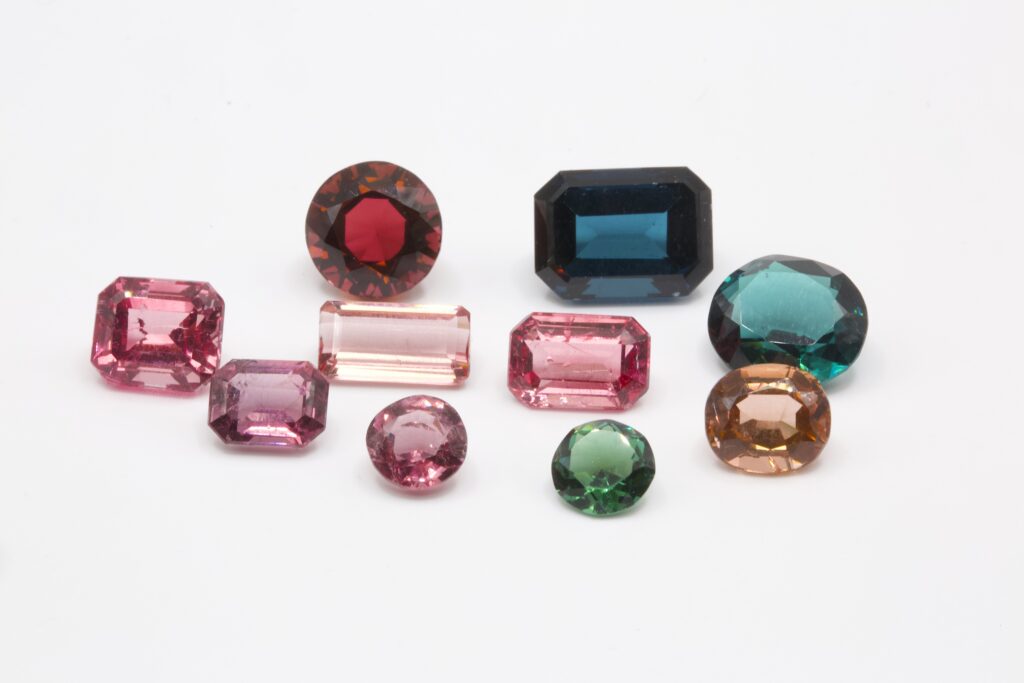
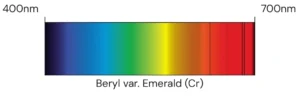
The primary mechanism responsible for the "body colour" of most gemstones, such as the rich red of a ruby or the verdant green of an emerald, is selective absorption. Within the gemstone’s atomic lattice, electrons, when struck by specific wavelengths of light, absorb that energy. This leaves the remaining wavelengths to be reflected or transmitted, creating the colour we observe.
However, colour in gemstones is not solely about absorption. In some cases, phenomena like iridescence play a crucial role. This dazzling display of spectral colours, often seen in stones like labradorite, is caused by thin layers of one material within another, or by nanometre-scale regular structures, as found in opals. These structures diffract light, splitting it into its constituent colours and creating a vibrant, ever-changing play of hues.
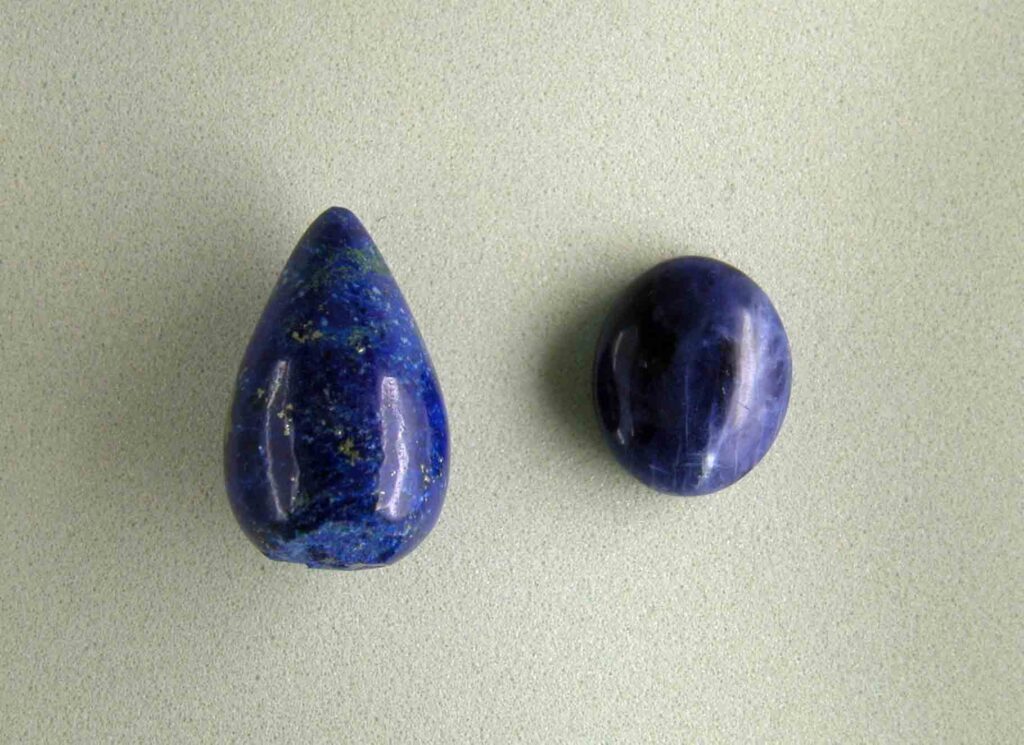
Some gemstones, like fine turquoise and lapis lazuli, are celebrated for their colour as their primary attribute. These opaque beauties offer a pure, unadulterated visual appeal that relies entirely on their rich blue tones. In contrast, many other gems, such as corundum (which includes rubies and sapphires), beryl (which includes emeralds and aquamarines), and tourmaline, can exhibit a wide range of body colours. Yet, even within these versatile species, specific hues are often more highly sought after. For instance, while many gems can be red, green, or blue, the most desirable shades within these categories are frequently confined to particular gem varieties. Examples of stones known for specific colours include the vibrant orange of spessartine garnets, the unique green of peridot, and the distinct blue of iolite.
The Pinnacle of Precious Hues: Most Prized Gemstone Colours
The quest for the most desirable colours in gemstones often leads to the discussion of specific gems that have achieved legendary status for their chromatic brilliance.
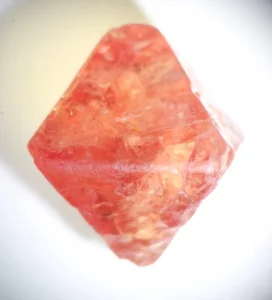
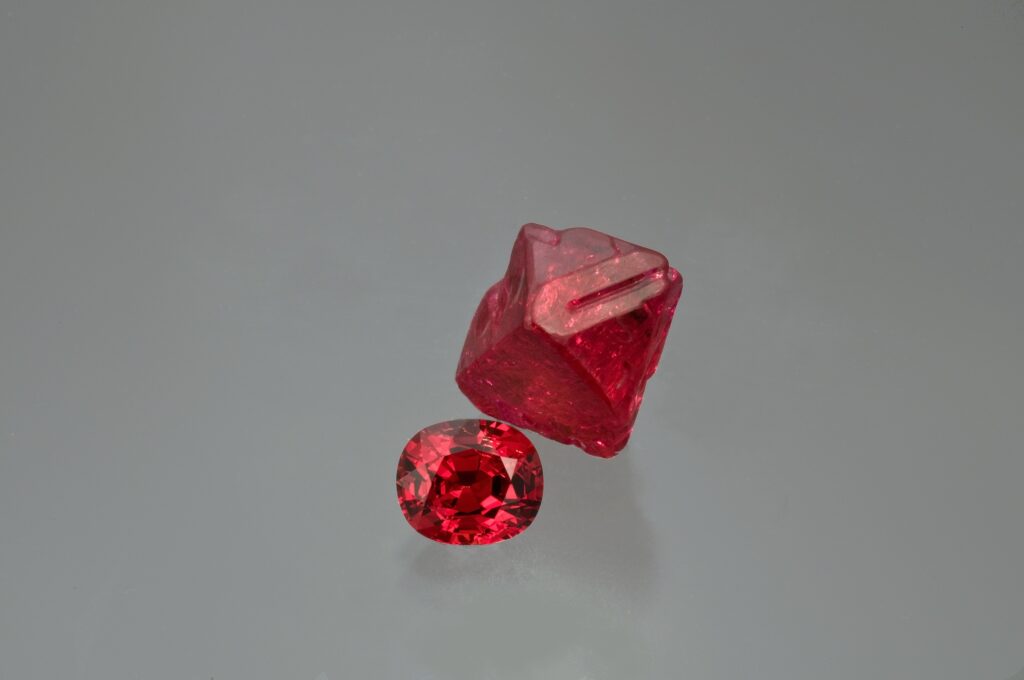
The Fiery Allure of Red: The most brilliant reds are found in the finest rubies and red spinels. Their exceptional vibrancy is not solely due to selective absorption. A crucial contributing factor is fluorescence, a phenomenon where the gemstone converts ultraviolet (UV) components of daylight, along with violet and blue light, into red light. This process, driven by specific electrons within the stone’s atomic structure, amplifies the red colour, producing an unparalleled, vivid intensity that has captivated gem enthusiasts for centuries. The dazzling red of a top-quality Burmese ruby, for instance, is a benchmark against which other red gemstones are measured.
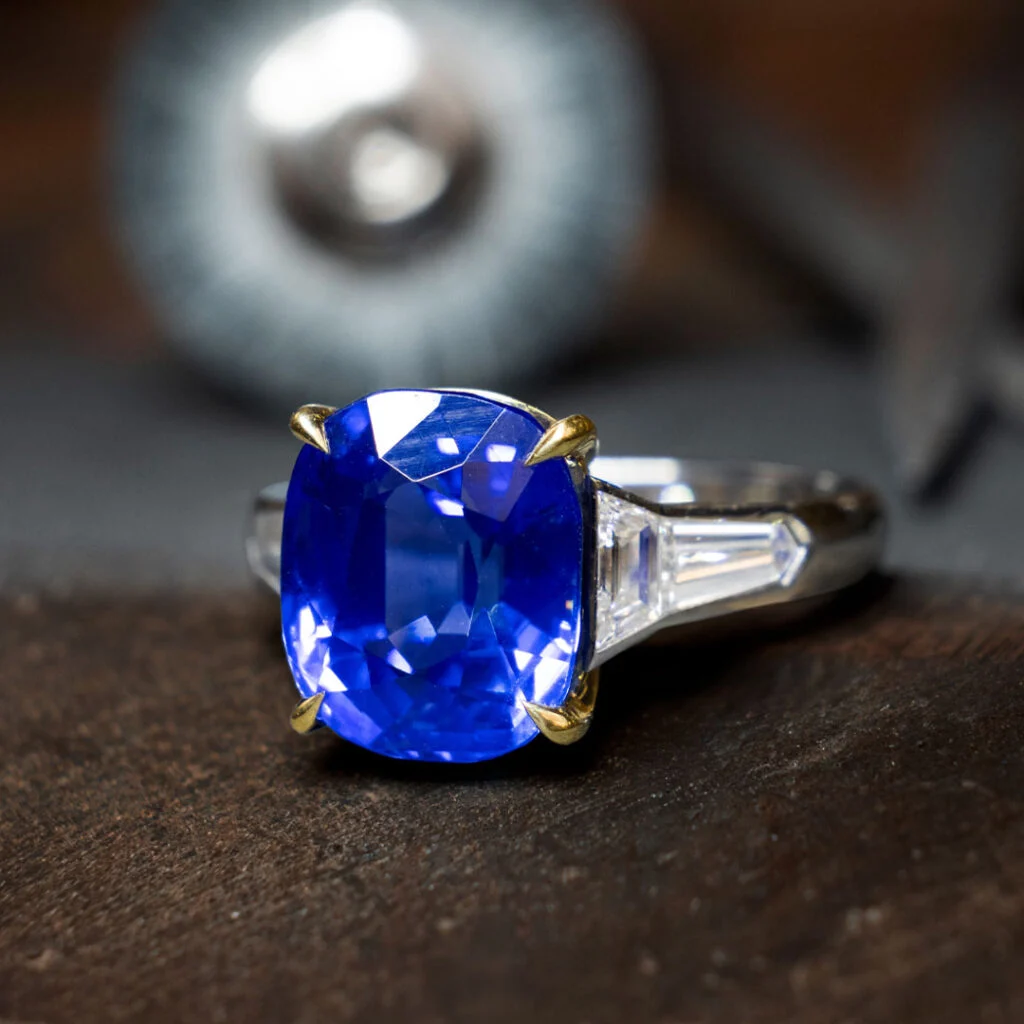
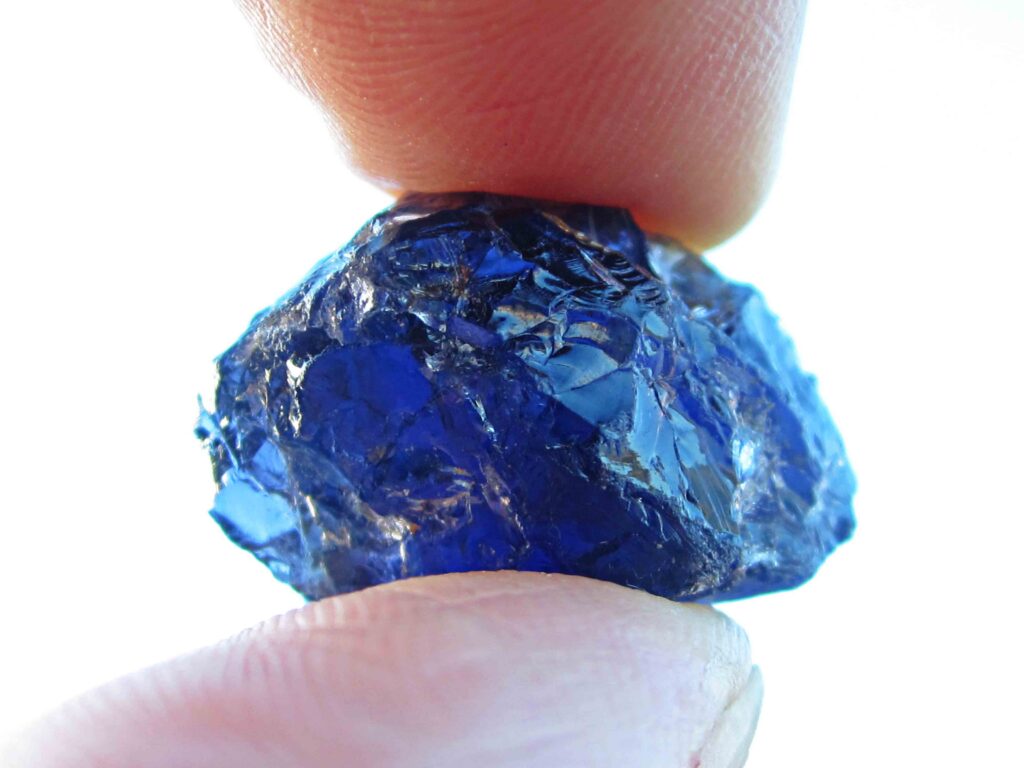
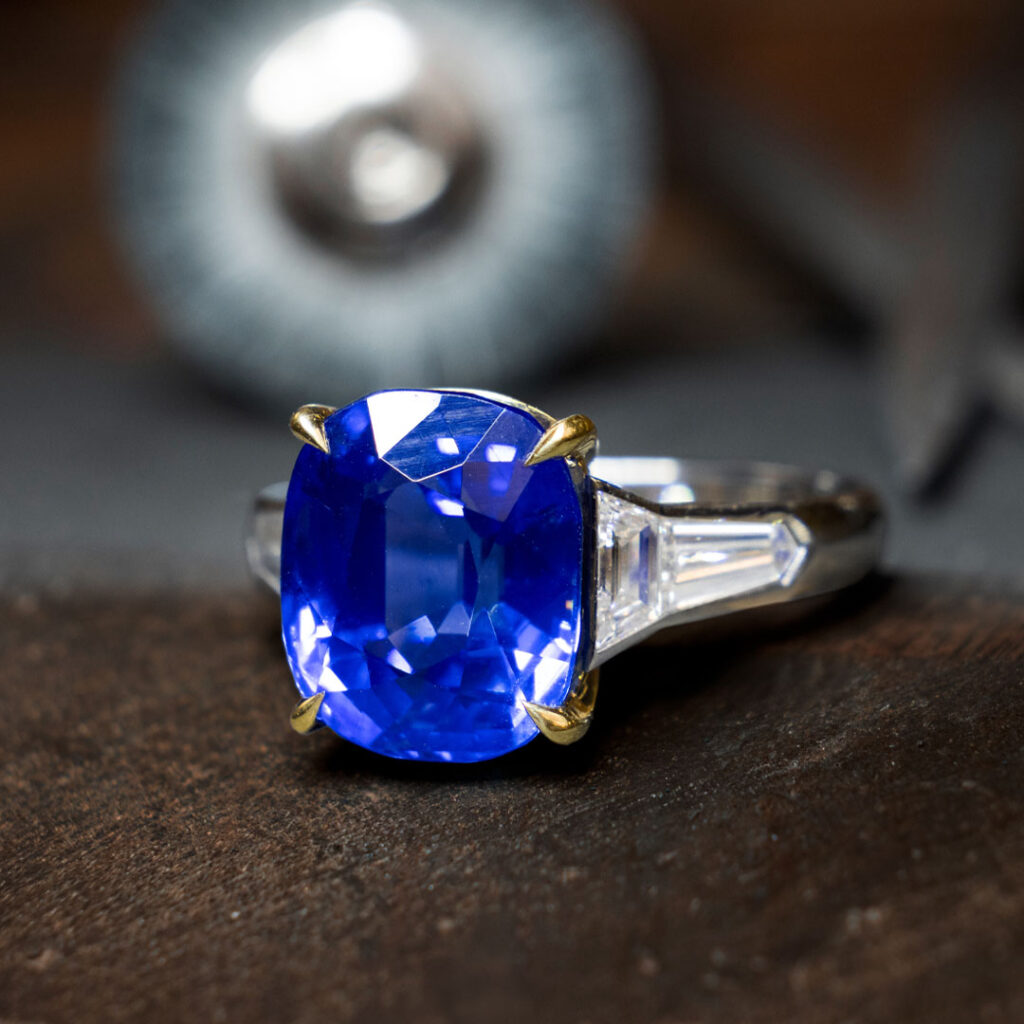
The Enigmatic Depths of Blue: When it comes to blue gemstones, the Kashmir sapphire often reigns supreme. Discovered in the late 19th century, these sapphires are renowned for their distinctive "sleepy" appearance, a velvety, cornflower blue that is both alluring and deeply captivating. The mines that produced these extraordinary gems were largely depleted within a decade, contributing to their extreme rarity and enduring desirability. Despite the emergence of exceptional sapphires from other locales, including Madagascar, the finest Kashmir sapphires are still considered the ultimate blue gemstone by many collectors and connoisseurs. Their scarcity, coupled with sustained demand, has solidified their position as one of the most coveted coloured stones.
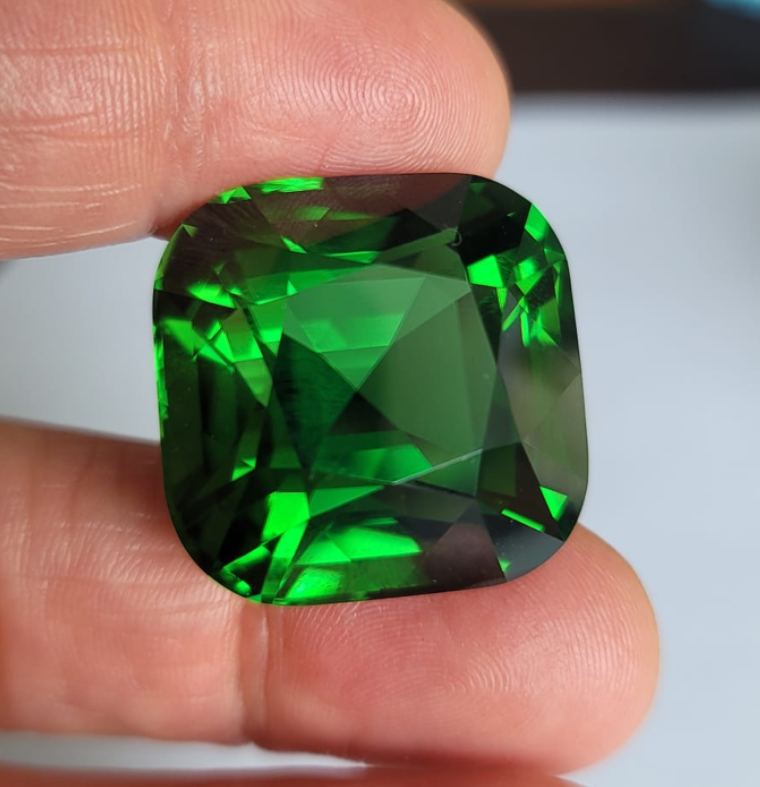
The Radiant Power of Green: Chromium, a vital element in the gem world, is responsible for a spectrum of stunning colours, including vibrant greens. Emeralds, with their rich, verdant hue, are a prime example. However, jadeite also boasts a beautiful and highly valued green. Both gemstones, when found in their finest qualities, are exceptionally rare and command exceptionally high prices. Demantoid garnet and tourmaline also owe their striking green colours to chromium.
The Marvel of Colour Change: Chromium’s influence extends to even more magical properties, such as the colour change seen in alexandrite. This variety of chrysoberyl exhibits a dramatic transformation, appearing red in incandescent light and green in daylight. While neither colour may reach the pure intensity of a ruby or emerald, the captivating phenomenon of colour change has fascinated collectors since the gem’s discovery. This "day-to-night" or "land-to-sea" effect adds an unparalleled dimension of wonder and desirability to alexandrite.
The Chemical Architects of Colour: The Role of Trace Elements
The vibrant colours of many precious stones are not inherent to their fundamental chemical composition but are instead imparted by trace amounts of specific elements, known as chromophores. These elements, present in minute quantities, profoundly influence how the gemstone interacts with light.
Chromium’s Dominance: As highlighted earlier, chromium is a key player in the gemstone colour palette. Its presence in corundum results in the coveted red of ruby. In spinel, it also contributes to the gem’s intense red. Moving to the beryl family, chromium is the primary cause of the exquisite green in emeralds. Similarly, it bestows the rich green colour upon demantoid garnets, a rare and highly prized variety of garnet. Even tourmaline, a gem species known for its vast colour range, features chromium-coloured varieties, such as the vibrant "chrome" tourmaline.
Iron’s Versatility: Iron is another ubiquitous element that plays a significant role in imparting colour to a wide array of gemstones. For instance, the blue in many sapphires, from the deep oceanic blues to the lighter cornflower shades, is caused by the presence of iron, often in conjunction with titanium. The yellow of citrine and the brown hues of smoky quartz are also attributed to iron impurities. Even the fiery orange of spessartine garnets can be influenced by iron.
Manganese’s Contribution: Manganese is responsible for some of the most captivating colours in gemstones. It lends the delicate pink hues to some kunzite and the rich purplish-red of rhodolite garnets. In amethyst, the beautiful purple colour is also attributed to manganese, often in combination with iron and irradiation.
Copper’s Rare Brilliance: The discovery of copper-coloured gemstones, particularly the Paraiba tourmaline, marked a significant moment in gemology. The electric blues and greens of these tourmalines are a direct result of copper impurities within their structure. This unique coloration, unlike that found in other tourmalines, has made Paraiba tourmalines exceptionally rare and highly sought after.
Beyond Absorption: Other Colour-Causing Phenomena
While selective absorption by trace elements is the most common cause of gemstone colour, other fascinating phenomena contribute to their visual appeal.
Fluorescence: Amplifying Brilliance: As mentioned with rubies and red spinels, fluorescence is the emission of visible light by a substance that has absorbed light or other electromagnetic radiation. In gemstones, this often involves the conversion of invisible ultraviolet light into visible light, thereby enhancing the stone’s inherent colour. This effect can add a noticeable vibrancy and liveliness to certain gems.
Pleochroism: A Shifting Palette: Pleochroism is the property of a gemstone to exhibit different colours when viewed from different crystallographic directions. This phenomenon arises because the absorption of light varies depending on the direction through the crystal. Iolite, for example, is known for its pleochroism, often displaying shades of blue, violet, and yellow or even brown. Skilled lapidaries can orient the cut of the gemstone to maximize a desirable pleochroic colour.
Tenebrescence: The Phenomenon of Light Sensitivity: Tenebrescence is a rare optical phenomenon where a gemstone’s colour changes or intensifies upon exposure to ultraviolet (UV) light. Hackmanite, a variety of sodalite, is a prime example of a tenebrescent gemstone. It can change from a light pinkish hue to a deep purple when exposed to UV radiation. While light can cause the colour to fade, the darkening effect under UV light is a captivating display. Some of the best examples of hackmanite can be observed darkening as they are held in sunlight, a truly unique visual experience.
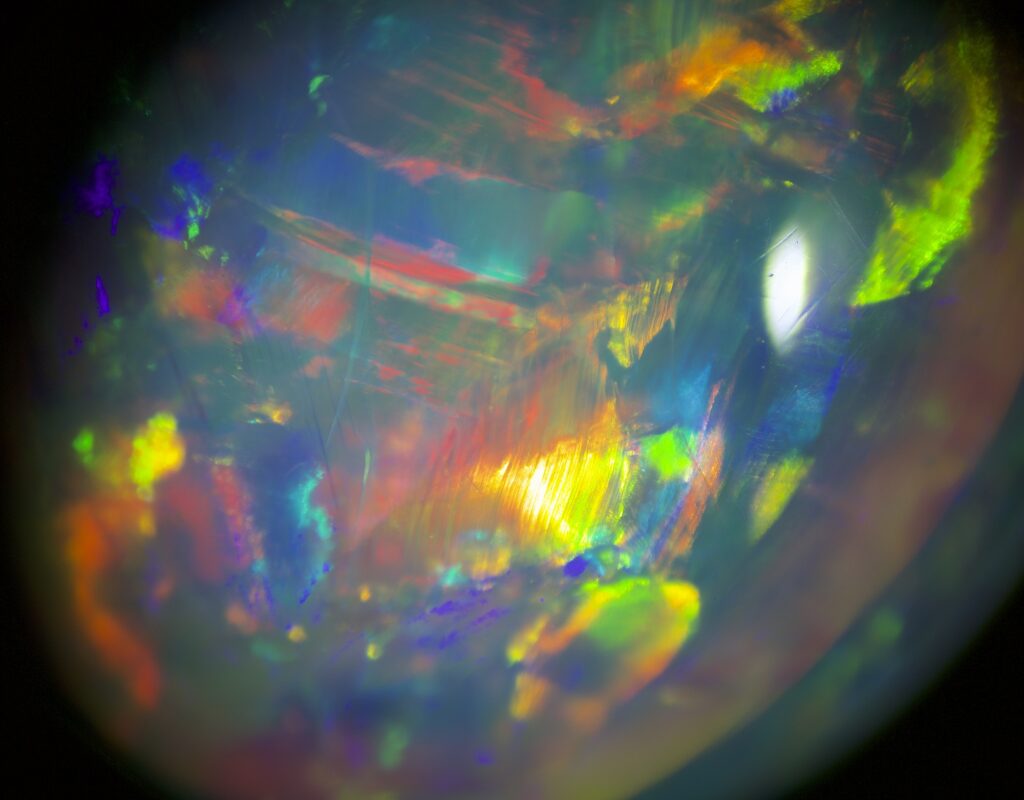
Iridescence and Play-of-Colour: Iridescence, the shimmering rainbow-like effect seen in some gemstones, is not caused by selective absorption but by the diffraction of light. This occurs when light waves encounter tiny structures or thin films within the gemstone, causing them to bend and separate into their constituent colours. Opal is renowned for its spectacular "play-of-colour," a result of microscopic spheres of silica arranged in a regular lattice. The size and arrangement of these spheres determine the range and brilliance of the colours displayed.
The Rarity and Value of Colour
The desirability and value of a gemstone are intricately linked to its colour. While objective scientific principles govern the creation of colour, human perception and market demand play a crucial role in determining what is considered most valuable.
The Supremacy of Vividness: Generally, the more vivid, saturated, and pure the colour, the higher the value of the gemstone. A ruby with a deep, intense red, free from brownish or purplish overtones, will command a significantly higher price than a lighter, more muted red. Similarly, a sapphire with a rich, velvety blue, often described as "royal blue," is more valuable than a pale or greyish-blue stone.
The Influence of Scarcity: Rarity is a fundamental driver of value in the gemstone market. When a particular colour in a specific gemstone species is exceptionally rare, its desirability and price soar. The limited mining history of Kashmir sapphires, for example, has contributed to their legendary status and high market value. Similarly, the scarcity of natural fancy coloured diamonds, particularly in shades of red and purple, makes them some of the most expensive gemstones in the world.
The Economics of Desire: The auction of the Argyle Phoenix, a 1.52-carat red diamond, for $4.2 million earlier this year, exemplifies the extraordinary value placed on rare coloured gemstones. While diamonds are traditionally prized for their lack of colour, the emergence of vivid natural colours can elevate their worth exponentially.
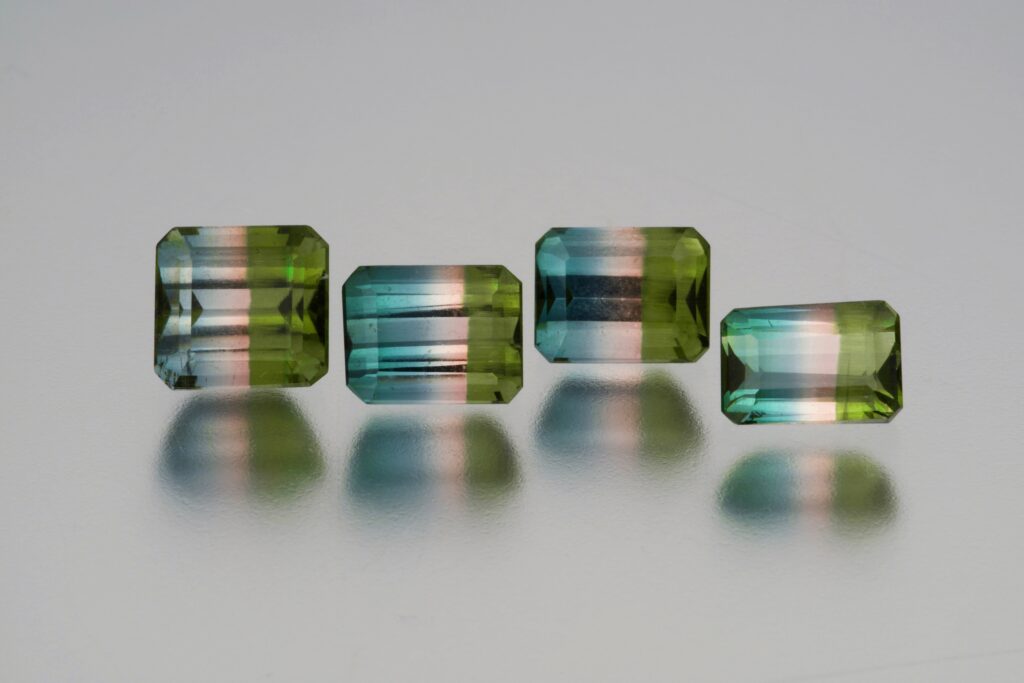
Tourmaline: A Canvas of Diversity: Tourmaline stands out for its remarkable colour diversity. From the electric blues and greens of Paraiba tourmalines, coloured by copper, to the vibrant pinks, greens, and bi-coloured varieties, tourmaline offers a vast spectrum of choices. Bi-coloured tourmalines, where distinct colours like pink and green appear within the same stone, are particularly fascinating and sought after for their unique aesthetic appeal. The discovery of copper-bearing tourmalines in Paraíba, Brazil, in the late 1980s, created a sensation in the gem trade, leading to a rapid increase in their value and demand.
Beyond the Elite: The Accessible Beauty of Colour
While the most prized gemstones often come with astronomical price tags, the world of coloured gemstones offers a wealth of beauty and value for a broader range of budgets.
Amethyst and Kyanite: The rich purple of amethyst, a variety of quartz, is widely available and appreciated for its regal hue. Similarly, kyanite, a mineral known for its striking blue colour that can rival that of sapphire, offers a more affordable alternative for those seeking blue gemstones.
Apatite’s Captivating Hues: Apatites come in a dazzling array of colours, including vibrant blues and greens that bear comparison to the sought-after Paraiba tourmalines. These stones offer a beautiful and relatively affordable way to enjoy intense, eye-catching colours.
Tsavorite Garnet and Padparadscha Sapphire: For those seeking exceptional colours in more durable gemstones, tsavorite garnets offer a brilliant, vivid green, while padparadscha sapphires display a delicate and rare blend of pink and orange hues, highly prized for their subtle beauty.
The enduring appeal of coloured gemstones lies not only in their scientific intricacies but also in their ability to evoke emotion and symbolize personal significance. Whether one is drawn to the fiery passion of a ruby, the tranquil serenity of a sapphire, or the whimsical charm of a bi-coloured tourmaline, the world of gemstone colour offers a universe of beauty waiting to be explored and cherished.
The appreciation of gemstone colour is a journey that combines scientific understanding with aesthetic sensibility. As Pat Daly aptly concludes, "The rarest colours of gemstones are the brightest and most vivid ones seen in those of the best quality. Fortunately for most of us, beauty and desirability are not confined to the finest gems, and we are satisfied with the wide choice of good quality gem materials which are available to us, whose appearance can be improved by careful fashioning and by framing them in well-designed jewellery." The spectrum of desire, it seems, is as vast and varied as the colours themselves.