
In the high-stakes corridors of Brussels, the European Union’s strategic lexicon is dominated by the vocabulary of modern industry: semiconductors, lithium-ion batteries, rare-earth minerals, and hydrogen energy. These are the pillars of the bloc’s quest for "strategic autonomy," aimed at shielding the continent from the volatile whims of foreign adversaries and global supply chain disruptions. Yet, while policymakers obsess over the hardware of the digital and green transitions, they are systematically ignoring the most foundational infrastructure of all—one that cannot be imported, replicated, or outsourced: Europe’s soil.
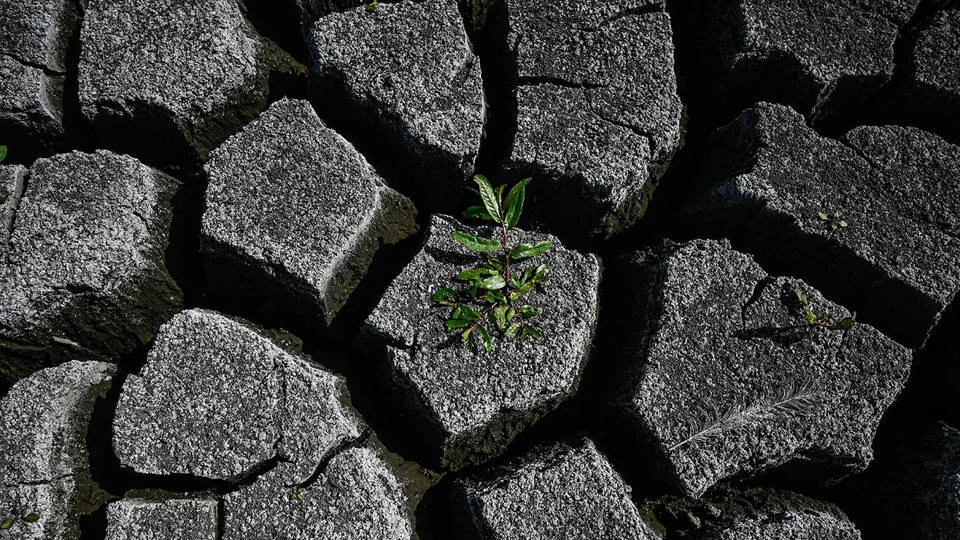
Across the continent, the ground beneath our feet is quietly dying. With 60% to 70% of EU soils currently classified as unhealthy, the degradation is not merely an environmental concern; it is a burgeoning economic and national security crisis. As Europe grapples with the existential threats of climate change, the failure to treat soil as a strategic asset represents a profound policy oversight that risks the stability of food systems, the integrity of the climate, and the financial health of the European economy.
The Foundation of Prosperity: Why Soil Matters
Soil is often dismissed as a passive landscape, a backdrop for human activity. In reality, it is a complex, living infrastructure that underpins 95% of the world’s food production. Beyond its agricultural utility, soil is a colossal carbon sink. European soils sequester approximately 75 billion tons of carbon—dwarfing the carbon storage capacity of the continent’s living forest biomass.
Furthermore, healthy soil acts as a porous, natural sponge. In an era where "once-in-a-century" floods and droughts have become regular, destructive features of the European summer, the ability of soil to infiltrate and retain water is a critical defense mechanism. When soil health collapses, that natural buffer vanishes, leaving infrastructure and populations exposed to the full, unmitigated force of a changing climate.
Chronology of a Slow-Motion Collapse
The degradation of European soil is a process measured in decades, which has allowed it to evade the urgency typically reserved for acute political crises.
- The Decades of Neglect: Since the mid-20th century, industrial agricultural practices—characterized by intensive tilling, heavy chemical application, and monocropping—have stripped topsoil of its biological vitality.
- The Recognition Gap: While environmental scientists have issued warnings for years, soil health has remained largely absent from the "strategic autonomy" discourse that emerged following the 2022 energy crisis.
- December 2024: The EU Soil Monitoring Law enters into force, providing the first concrete, common framework for assessing soil carbon, erosion, and biological activity across member states.
- Late 2024–2025: A series of regulatory shifts, including new ecosystem service accounting rules, begin to nudge member states toward recognizing the environment’s contribution to GDP.
- Future Outlook: The European Commission is expected to unveil a comprehensive framework for climate resilience and risk management later this year, which advocates hope will finally integrate soil health into the heart of EU economic policy.
Supporting Data: The High Cost of Inaction
The economic impact of unhealthy soil is staggering. Current estimates suggest that land degradation costs the European economy upwards of €50 billion ($58 billion) annually. This figure is not merely a line-item loss; it represents the compounding cost of diminished crop yields, the loss of natural water filtration, and the heightened necessity for disaster relief in the wake of climate-induced catastrophes.
To put this in perspective, consider the lessons learned from the 2022 energy crisis. Following the Russian invasion of Ukraine, European governments were forced to spend roughly €500 billion to protect citizens and industries from skyrocketing energy costs. That expenditure was a response to an external, geopolitical shock. Soil degradation, by contrast, is a self-inflicted, gradual injury. Unlike an energy supply cut, which is sudden and visible, the "slow death" of soil is an accounting error—a failure to measure the depletion of a capital asset until the bankruptcy of the ecosystem is nearly complete.
Official Responses and the Policy Gap
The European Union is not entirely blind to the problem. It possesses a robust "toolbox" of legislation that could reverse the trend. The Soil Monitoring Law provides the data collection mechanism; the 2024 regulation on ecosystem accounts provides the reporting structure; and the European Commission’s recent certification methodologies for carbon farming offer a path to incentivize farmers.
However, a critical disconnect remains. The current Common Agricultural Policy (CAP) rewards sustainable practices, but it fails to reward outcomes. A farmer might implement a sustainable technique, but if the soil health does not measurably improve, the system remains static. There is no overarching mandate that treats a measurable increase in soil carbon or water retention as a premium asset.
As business leaders and climate strategists argue, this must change. The upcoming European climate resilience and risk management framework represents a "make-or-break" opportunity. For this framework to succeed, it must include three core commitments:
- Mandatory Ecosystem Accounting: Soil-based services, particularly water retention, must be integrated into national GDP and economic accounts.
- Outcome-Based Financial Rewards: Policies must transition from paying for "good intentions" to paying for "measured results," ensuring farmers are financially compensated for restoring the land.
- Investment Integration: Public support and private investment decisions must be guided by soil health metrics, treating healthy soil with the same rigorous scrutiny as carbon footprints.
Global Context and the Geopolitical Imperative
Europe’s soil crisis is a microcosm of a global challenge. In August, the 17th Conference of the Parties (COP17) to the UN Convention to Combat Desertification met in Ulaanbaatar, Mongolia. While nations agreed on the necessity of mobilizing funds for land restoration, the failure to reach a binding global agreement on drought management highlights the friction between scientific necessity and political willpower.
Despite the stagnation at the top, change is bubbling up from the Global South. Nations that rely heavily on the export of coffee, cocoa, and fruit have begun to treat their soil as a vital, strategic asset, recognizing that their economic survival is tied to the regenerative capacity of their land. Europe, if it wishes to remain a leader in the green transition, must follow suit.
By spearheading a "Soil Alliance" at upcoming summits—such as the UN Biodiversity Conference in Yerevan and the UN Climate Change Conference in Antalya—Europe could transform its fragmented approach into a cohesive, global standard for land management.
Implications: The Moral and Economic Weight of the Future
Some critics argue that the costs of transitioning to soil-positive agriculture are too high for a continent already struggling with economic stagnation. This view is fundamentally flawed. The "cost" of inaction is not just environmental; it is a regressive, hidden tax on the most vulnerable. As soil degrades, food prices rise, and the poorest citizens bear the brunt of both the increased cost of living and the damage caused by climate-driven floods and droughts.
To continue ignoring the value of our soil is to embrace a fiction—the idea that we can deplete our foundational assets without consequence. As the French poet René Char poignantly observed, "Our inheritance was left to us by no testament." We are the stewards of this land, yet we have spent decades counting only what we produce, while ignoring the health of the capital we possess.
The "slow death" of Europe’s soil is a choice, not an inevitability. By shifting our economic lens to value the soil as the strategic asset it truly is, we can move from a model of extraction to one of resilience. The time to invest in the earth beneath our feet is not in the next generation, but in the next budget cycle. If Europe fails to act, it will not just lose its productivity; it will lose the very foundation upon which its future stability is built.