
“You’ve been wearing more suits lately,” a colleague remarked to me a couple of years ago. His tone was a curious blend of admiration and genuine bewilderment. He wasn’t wrong. For the better part of a decade, my daily uniform had leaned toward what one might charitably describe as "middle-aged skater": plaid overshirts, crisp white tees, relaxed-fit trousers, and worn-in sneakers. It was a comfortable, habitual cycle. Yet, something had shifted. I found myself reaching for tailored jackets with increasing frequency.
When asked, I initially played it off as a matter of convenience. A suit is, after all, a pre-packaged decision—an elegant solution to the morning malaise of choosing what matches what. But that was only a fraction of the truth. As I began to dig deeper into the current state of menswear, I realized that my personal shift mirrored a broader, more profound movement in American fashion: the suit is no longer a corporate mandate. It is, increasingly, an act of intentional, private rebellion.
The Evolution of the American Silhouette
For generations, the American suit was defined by the rigid, boxy constraints of the "gray flannel" era. It was a uniform of conformity, a tool for climbing the corporate ladder. Today, that narrative has been completely dismantled. In an era dominated by the "endless casual Friday" and the omnipresence of athleisure, wearing a suit has become a counter-cultural gesture.
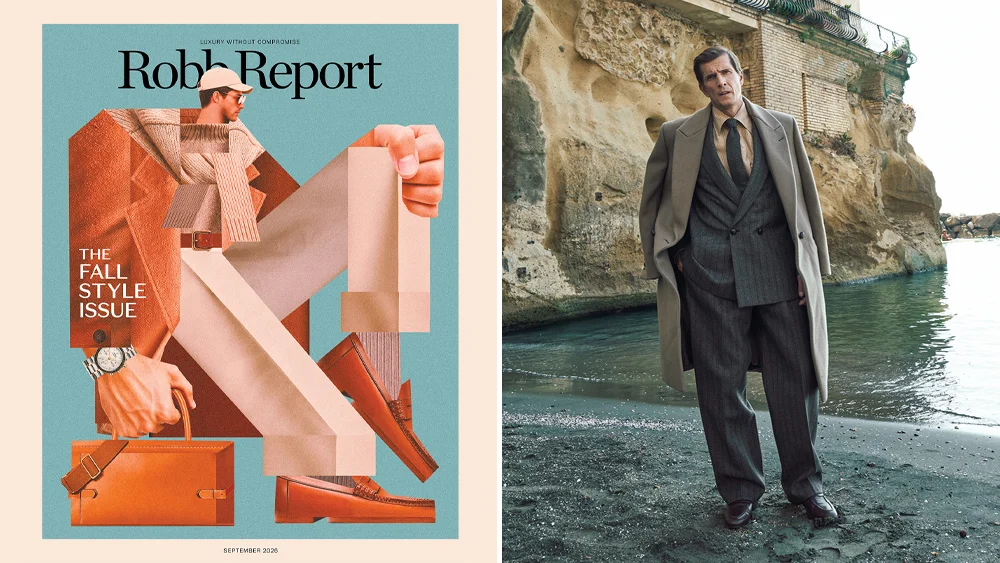
Ryan Devens, the founder of San Francisco’s Tailors’ Keep, hit the nail on the head when he described the suit as a “rebellious garment.” In a world that has defaulted to the comfort of denim and hoodies, putting on a structured jacket is an interruption of the status quo. It is no longer just office furniture; it has become a canvas for the individual. Whether it is swaggering, louche, theatrical, or simply an excuse to elevate an otherwise mundane Tuesday, the suit has reclaimed its status as an instrument of personal expression.
A Chronology of the Shift
- The Post-War Era: The suit as a symbol of institutional stability and professional hierarchy.
- The Casual Revolution (1990s–2010s): The tech boom and the rise of Silicon Valley culture prioritize comfort over structure, leading to the "death" of the suit in many sectors.
- The Renaissance (2020–Present): A post-pandemic reaction against the shapelessness of working from home. A younger generation discovers the transformative power of tailoring, not for the boardroom, but for the street.
The Makers: A Mosaic of American Ingenuity
American menswear has never been precious about its influences. It is a melting pot of global techniques filtered through a distinct, rugged, and often irreverent domestic lens. This is nowhere more apparent than in the work of today’s leading American tailors, who refuse to adhere to a single "house style."
J. Mueser: The New York Cosmopolitan
Located in the heart of downtown Manhattan, J. Mueser has mastered the art of synthesis. They blend the legendary softness of Neapolitan construction with a global toolkit of techniques, resulting in a garment that feels inherently "downtown." It is tailoring that understands the rhythm of city life—sophisticated, yet never stuffy.
Haitch: The Architectural Approach
Taking a departure from the "soft" trend, Haitch offers a structural rigor that stands out in the current market. By employing longer jackets and strong, square shoulders, they provide a silhouette that is undeniably architectural. It is a bold statement piece for those who prefer their tailoring to have a physical presence.
Angel Ramos: Hollywood Bravado
Angel Ramos brings a different energy to the table, drawing heavily from the ease of Southern Italy while injecting it with the cinematic bravado of Golden Age Hollywood. His designs evoke a sense of effortless glamour—a look that feels as at home on a red carpet as it does in a high-end bistro.
Richfresh: Breaking the Rules
Perhaps the most subversive of the lot is Richfresh, who has taken the very concept of "bespoke" and applied it to the unlikely medium of color-blocked tracksuits made from scuba fabric. It is a fascinating study in how the language of tailoring—the fit, the construction, the attention to detail—can be applied to items that were previously considered the antithesis of the suit.
Supporting Data: Why Men are Investing in Tailoring
Market trends suggest that this is not merely a passing fad. According to recent industry reports, men who have no professional requirement to wear a suit are the primary drivers of this growth. For the modern, stylish man, the suit has become a vital part of his vocabulary.

- Customization vs. Off-the-Rack: The demand for bespoke and made-to-measure services has risen by nearly 15% year-over-year among men aged 25–40.
- Material Innovation: There is a marked shift toward tactile, unconventional fabrics, moving away from standard worsted wools toward linens, corduroys, and performance-blend materials.
- The "Third Piece" Philosophy: Many consumers are purchasing jackets to pair with denim or casual trousers, emphasizing the versatility of the tailored piece as a wardrobe staple rather than a formal necessity.
Global Influences and the Neapolitan Shadow
While the American scene is vibrant and eclectic, it does not exist in a vacuum. Our global perspective remains anchored by the masters of the craft in Naples. The Neapolitan silhouette—characterized by the spalla camicia (shirt sleeve), high armholes, and minimal canvassing—has been refined over generations.
It is an aesthetic that prizes "easy elegance." The goal is to look impeccable without appearing as though one has tried too hard. This influence is currently the invisible thread running through the most successful American collections. It provides a foundation of comfort that allows the wearer to move naturally, bridging the gap between formal attire and the casual habits of the last decade.
The Knitwear Counter-Movement
While the jacket is currently enjoying a renaissance, it is facing stiff competition from the rise of "show-stopping" knitwear. Designers from luxury powerhouses like Louis Vuitton, Kiton, and Canali are currently pivoting toward knitwear that refuses to play a supporting role.
By utilizing bold graphics, oversized patterns, and vibrant color-blocking—often inspired by traditional Fair Isle or Nordic designs—these brands are creating garments that demand attention. This is a deliberate shift away from the "quiet luxury" of the past few years, moving toward a maximalist approach to texture and design. It serves as a perfect companion to the modern suit: when the jacket is removed, the outfit remains visually striking.
Implications for the Future of Style
What does this mean for the future of the American wardrobe?
First, the rigid definitions of "formal" and "casual" are effectively dead. We are entering an era of "intentional dressing." Whether a man chooses a structured blazer from Haitch or a scuba-fabric track set from Richfresh, the emphasis is on the intent behind the choice.
Second, the democratization of tailoring means that the craft is no longer reserved for the elite or the corporate. It is becoming a hobbyist’s pursuit, a way for men to explore their personal identity through fabric, cut, and construction.
Finally, the lack of a consensus on what an "American suit" should look like may be the most American thing about the entire movement. We are a nation of individualists, and our tailors reflect that perfectly. They are not chasing a singular ideal; they are creating a plurality of options.
As I look back at my old plaid overshirts and sneakers, I realize that I haven’t abandoned them. They still have their place. But the suit has given me a new way to navigate the world. It is a way to present myself with a degree of deliberation that my previous uniform simply could not provide. It is, as Devens suggested, a quiet, daily rebellion—and it is one that I, along with a growing number of men, am fully embracing.
The suit is back, but it looks nothing like the one your father wore. It is, for the first time in a long time, entirely our own.