The allure of gemstones extends far beyond their surface brilliance. Within their crystalline structures lies a hidden universe, a testament to the tumultuous geological processes that formed them. For gemmologists, these internal features, known as inclusions, are not mere imperfections but vital clues, offering profound insights into a stone’s origin, history, and authenticity. While many inclusions are commonplace and expected, some are so exceptionally rare that encountering them is a career-defining event, a "once in a lifetime" discovery. Gem-A Tutor Pat Daly, a seasoned expert in the field, sheds light on these extraordinary inclusions and the invaluable stories they tell.
The Significance of Inclusions: More Than Just Imperfections
Inclusions are ubiquitous in the gem world. It is exceedingly rare to find a gemstone entirely devoid of them. These internal features can range from microscopic crystals that predate the gem’s own formation to delicate fractures filled with fluids, often referred to as "feathers." The presence and visibility of inclusions can significantly influence a gemstone’s quality and value. In diamonds, particularly those graded for near-whiteness, eye-visible inclusions can substantially diminish their worth. However, in the realm of coloured gemstones, the impact of clarity is often secondary to the vibrancy and hue of the stone itself. For these gems, inclusions are frequently viewed through a different lens – one that prioritizes their potential to reveal crucial information about the stone’s provenance and natural origin.
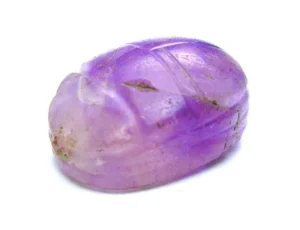
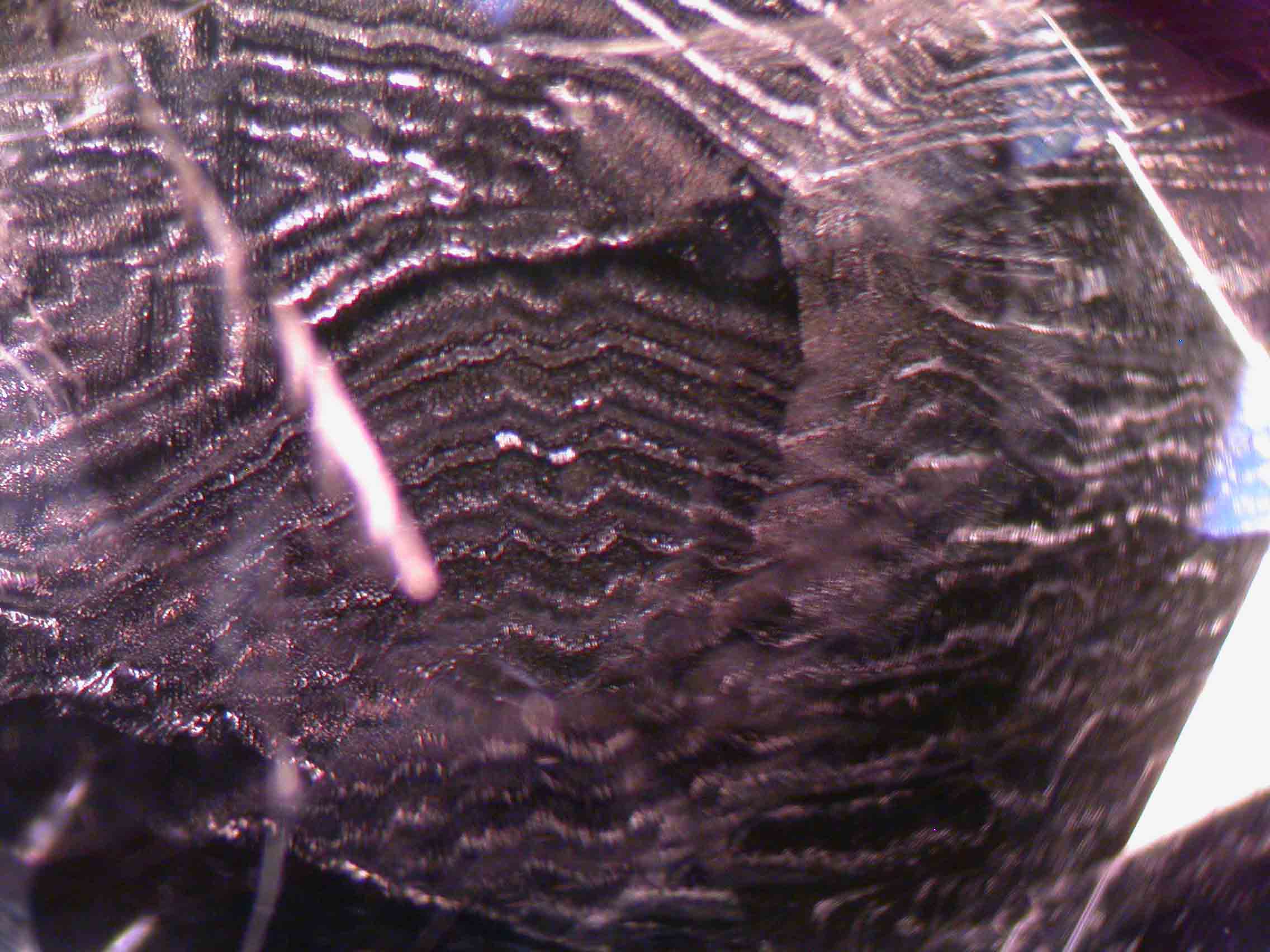
The value of certain inclusions lies not in their absence, but in their very presence. They can serve as irrefutable proof of a gemstone’s natural formation, distinguishing it from synthetic imitations. Furthermore, specific inclusions can act as tell-tale signs of treatments applied to enhance a stone’s appearance, guiding gemmologists in their assessments. Perhaps most compellingly, certain inclusions act as geographical markers, pinpointing the precise location where a gem was unearthed. While many such diagnostic inclusions are well-known and readily identifiable to experienced gemmologists – such as the distinctive "horsetail" inclusions in certain emeralds or "tiger stripes" in amethyst – others remain exceptionally elusive. These are the inclusions that can elude even the most dedicated professionals throughout their entire careers, making their rare observation a momentous occasion.
A Glimpse into the Extraordinary: Unveiling Rare Gemstone Inclusions
Gemmologists dedicate their lives to the meticulous study of these internal landscapes. The following examples, shared by Pat Daly, represent some of the most remarkable and infrequently encountered inclusions, each offering a unique narrative about the gemstone it inhabits.
Ruby Crystals within Diamonds: Echoes from the Earth’s Mantle
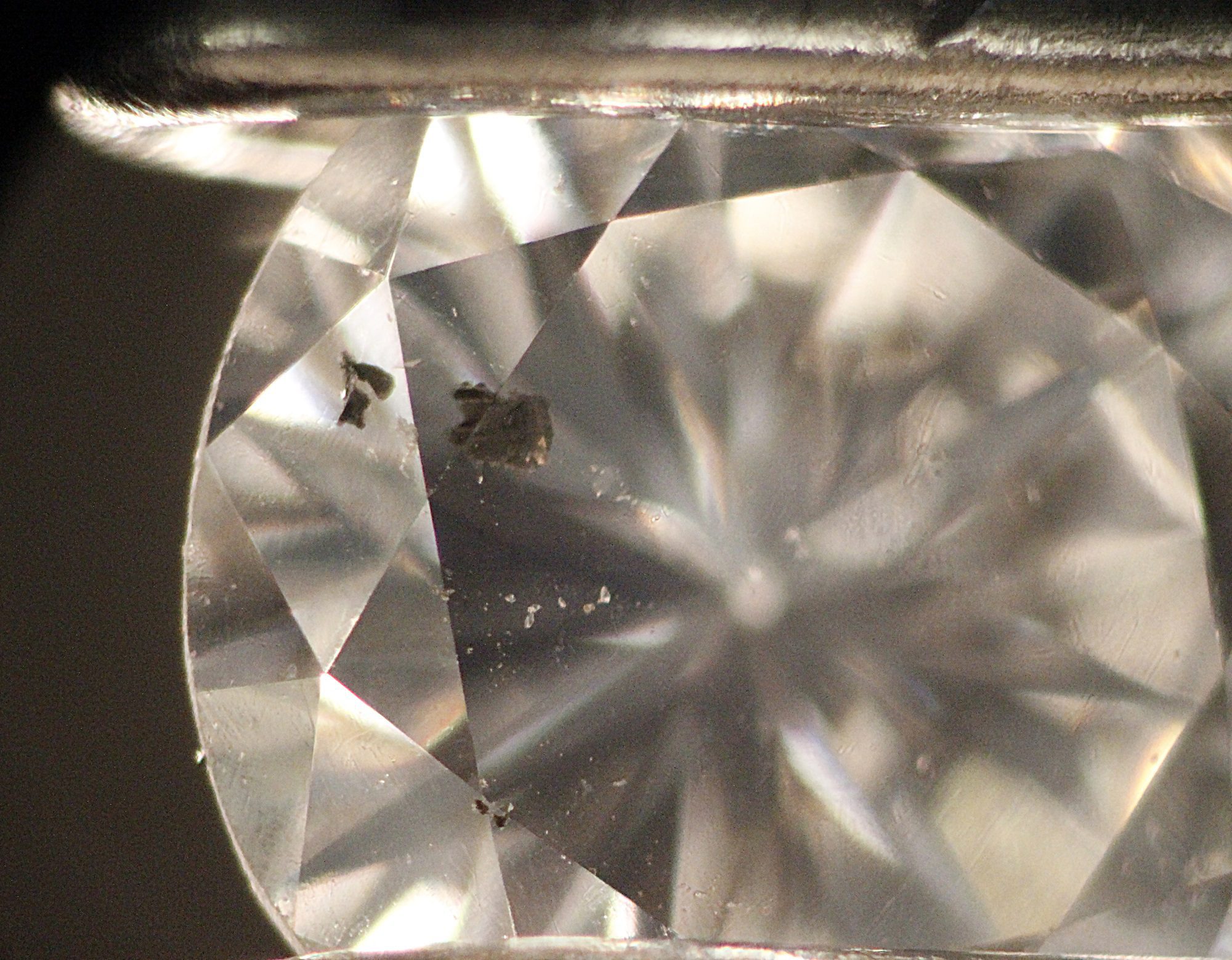
The sight of bright red crystals within a diamond is an exceptional occurrence. Typically, these vibrant inclusions are identified as chrome-bearing pyrope garnets. The prevailing scientific understanding suggests that gem-quality diamonds originate from deep within the Earth’s lithosphere and mantle, at depths ranging from approximately 200 to 800 kilometers. These diamonds are thought to form within specific rock types like peridotites and eclogites. The exceptionally rare presence of ruby crystals within diamonds is intrinsically linked to eclogites. This association suggests that these rubies, alongside other rare inclusions such as rutile and high-pressure silica polymorphs like coesite and blue kyanite, also formed under the immense pressures and temperatures characteristic of the diamond-forming environment. The discovery of such inclusions in a diamond would undoubtedly bring immense joy and scientific fascination to any gemmologist, offering a direct glimpse into the primal geological crucible from which these precious stones emerged.
Parisite in Emerald: A Hint of Rare Earth Elements
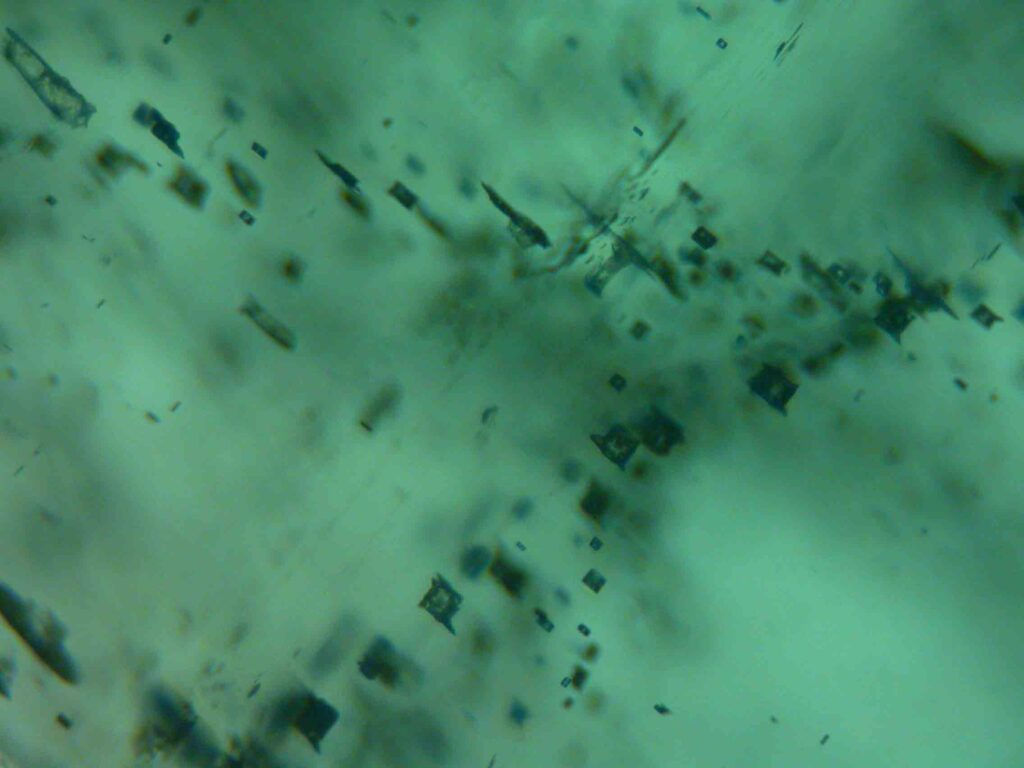
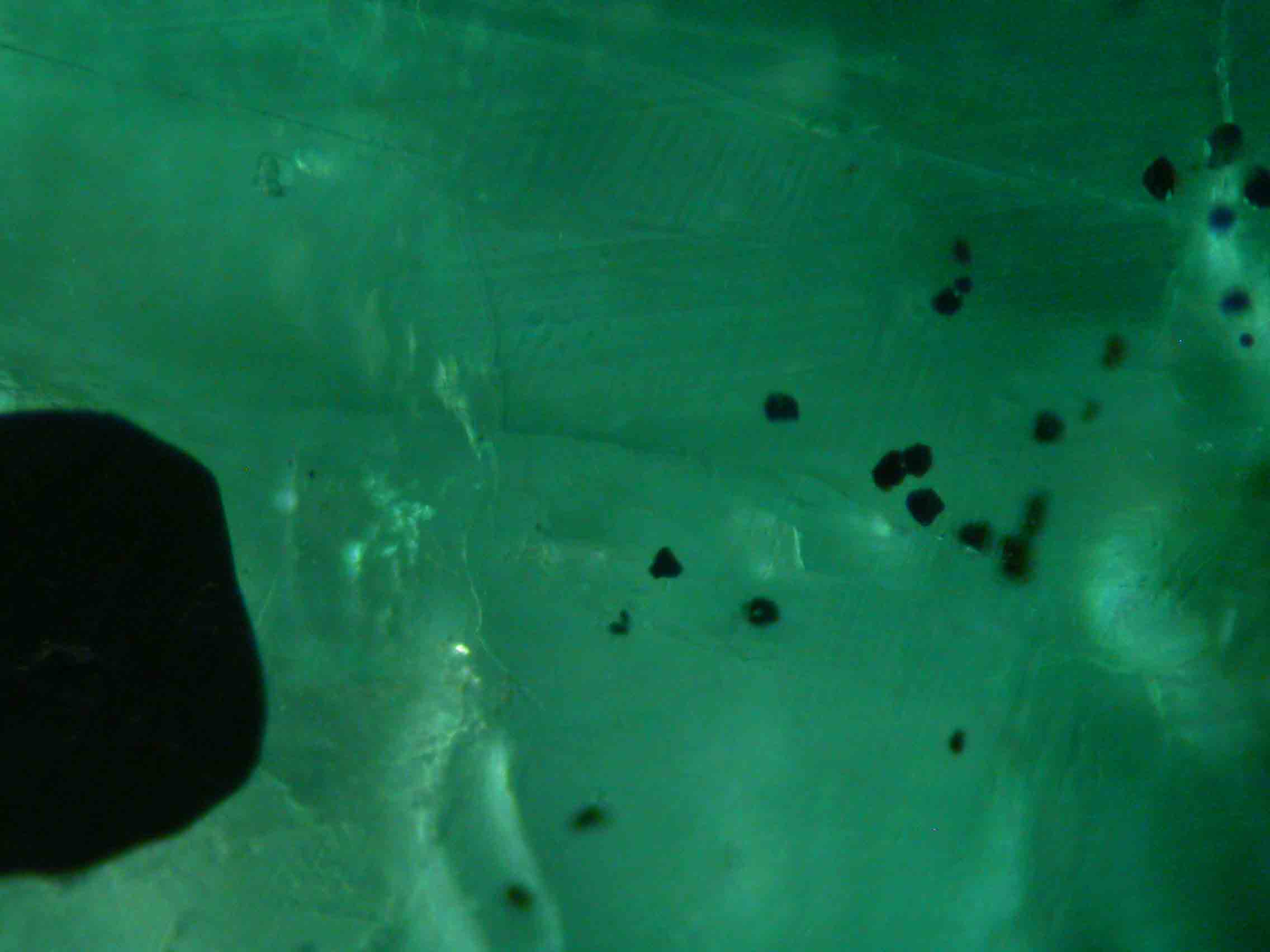
The term "rare earths" encompasses a group of chemical elements with remarkably similar properties, including cerium, europium, and yttrium. While these elements are known to gemmologists primarily through the distinctive spectral signatures they impart to certain gemstones, particularly apatite, their presence as essential components of minerals is relatively uncommon. Parisite, a carbonate mineral rich in cerium and other rare earth elements, is found in significant quantities at the renowned emerald mining locality of Muzo in Colombia. Occasionally, small brown crystals of parisite are observed as inclusions within emeralds originating from this region. The presence of parisite not only provides compelling evidence of a natural and geographical origin for the emerald but can also be associated with rare earth element spectra, further enriching the analytical data available to gemmologists. While not as scarce as some other inclusions, parisite in emerald remains a noteworthy and diagnostically significant find.
Tourmaline in Kashmir Sapphire: A Geographical Signature
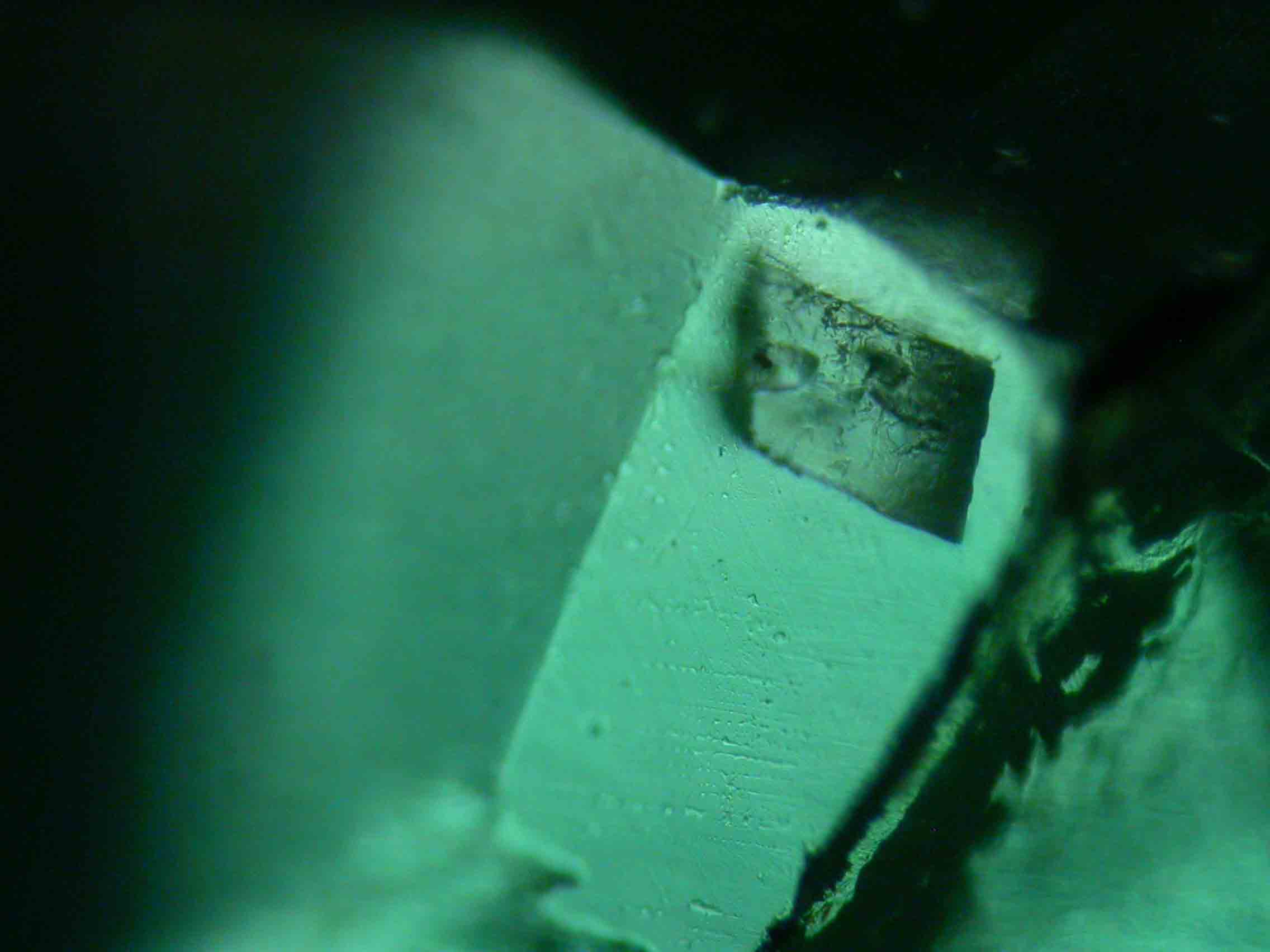
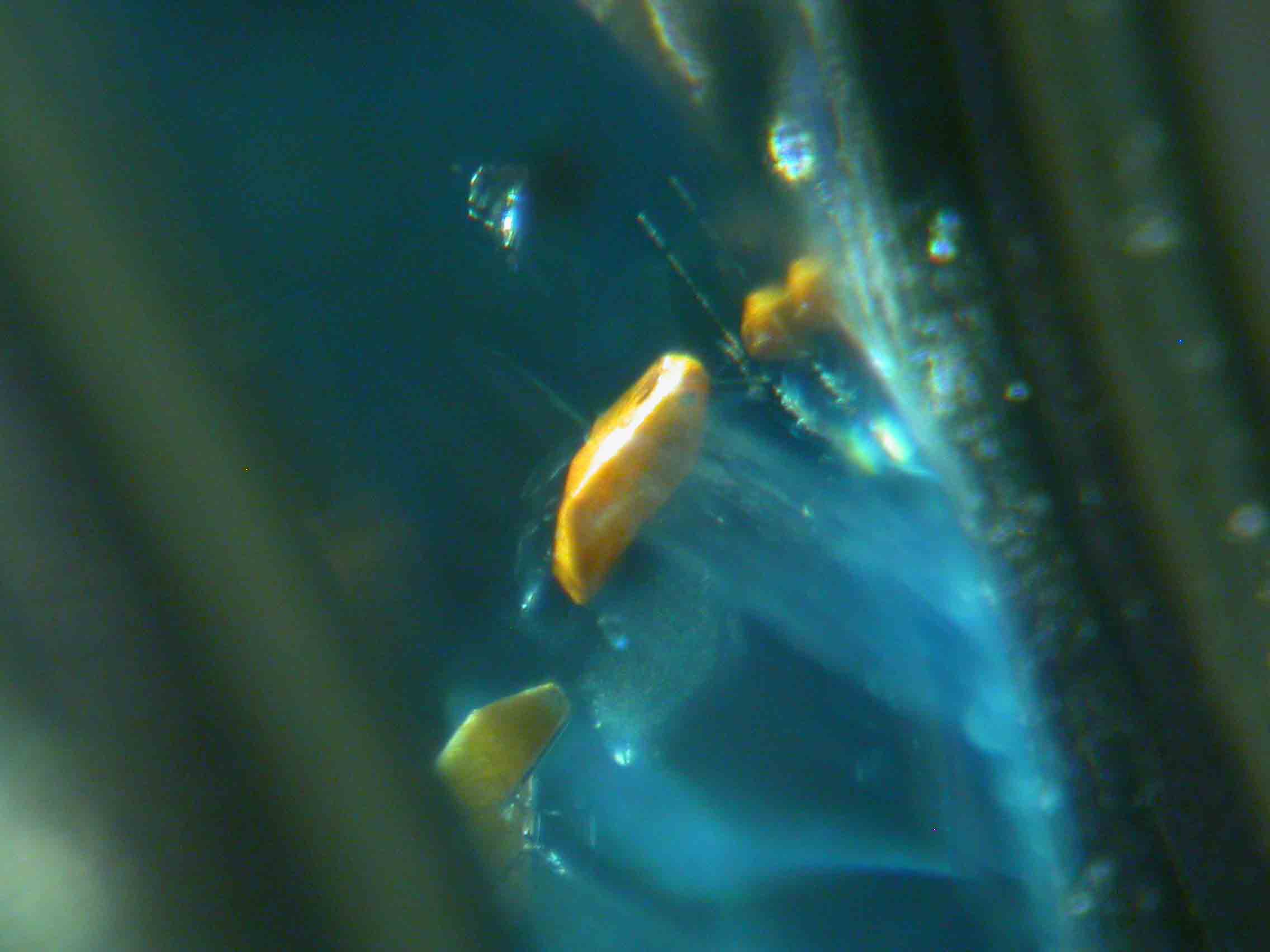
Kashmir, India, is globally celebrated as the source of some of the world’s finest sapphires. While more abundant, lower-quality sapphires have also been extracted from this region, the finest specimens are encountered infrequently by most gemmologists. The discovery of tourmaline crystals as inclusions within these coveted sapphires is an exceptionally rare event. Transparent green tourmaline crystals, approximately 3 millimeters in width, have been documented in close proximity to sapphire recovery sites in Kashmir. While these associated tourmalines are reportedly brittle and of lesser quality, their presence within a sapphire is considered a definitive indicator of its Kashmiri origin. This makes tourmaline inclusions, when confirmed, highly valuable diagnostic tools, provided they do not detrimentally affect the visual appeal of the sapphire itself. The confirmation of such an inclusion offers a tangible link to the unique geological environment that produced these prized gems.
Animal Fossils in Precious Opal: A Window to Ancient Ecosystems
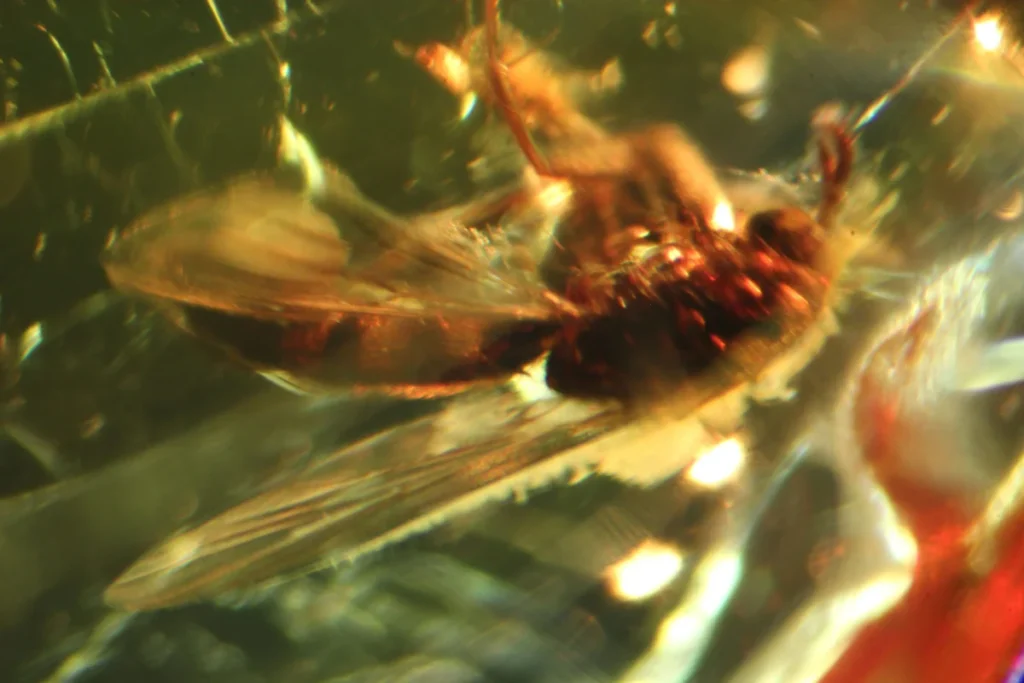
Amber is famously known for preserving ancient insects and other small organisms, providing invaluable scientific specimens that would otherwise have been lost to time. However, the phenomenon of fossilization extends to other materials, including opal. In Australia, the remarkable process of opalization has led to the preservation of not only tree roots and twigs but also fossilized shells, bones, and even the skeletal remains of marine animals. More astonishingly, localities like Lightning Ridge in New South Wales have yielded opalized fossils of terrestrial creatures, including dinosaurs, mammals, and the ancient flying reptiles known as pterosaurs.
While any animal fossil preserved within opal is considered rare, the most delicate and fragile examples represent the pinnacle of rarity. A truly exceptional find occurred a few years ago when a piece of precious opal from Indonesia was discovered to contain a remarkably well-preserved insect. Identified as an immature cicada, most of its body parts were discernible, and even external features like hairs and mouthparts were visible. This exquisite specimen, estimated to be between 5 and 10 million years old, was preserved by silica dissolved from the weathering of volcanic glass. Although gemmologists are accustomed to encountering insects encased in amber and copal resin, the opportunity to examine a complete insect within precious opal is an exceedingly rare privilege.
Rare Vertebrate Fossils in Amber: Glimpses of Prehistoric Life
The preservation of vertebrates within amber is considerably rarer than that of insects. It is generally theorized that larger animals, exceeding approximately 20 millimeters in size, would have been capable of extricating themselves from sticky tree resin. Despite this challenge, remarkable vertebrate fossils have been discovered. Partial and, on very rare occasions, complete lizard specimens have been found in amber deposits from regions such as the Baltic, Dominica, and Mexico. Reports also include the preservation of fur, feathers, and snakeskin within amber.
Myanmar (Burmese) amber, dating back nearly 100 million years to the Cretaceous Period – the "Age of Dinosaurs" – has also yielded similarly rare vertebrate remains. Among the most exciting recent discoveries reported was a small dinosaur skull, approximately 14 millimeters in length, embedded in Myanmar amber. Featuring a toothed jaw, it was initially believed to be that of an insectivorous dinosaur. Subsequent research, however, has suggested that this specimen, along with another similar find, may represent a lizard-like animal rather than a dinosaur or a bird (which are now understood to be avian dinosaurs).
Another recent and significant discovery has been identified as part of a non-avian dinosaur: a feathered tail measuring approximately 37 millimeters in length. The unique structure of this tail excludes the possibility of it belonging to a bird, making it potentially one of the rarest inclusions ever found in a gem material. The impetus provided by such discoveries fuels the ongoing search for similar fossils, potentially leading to further groundbreaking finds. The opportunity to study such an inclusion, which remains exceptionally scarce, would undoubtedly be a highlight of any gemmologist’s career, offering an almost unparalleled connection to the ancient world.
The Enduring Fascination of the Microscopic
The study of gemstone inclusions is a dynamic and ever-evolving field. Each inclusion, whether common or exceptionally rare, contributes to our understanding of Earth’s geological history and the intricate processes that shape our planet’s most treasured treasures. The "once in a lifetime" inclusions discussed here represent not just scientific curiosities but profound connections to the deep past, offering gemmologists and enthusiasts alike a humbling and awe-inspiring perspective on the hidden wonders that lie within the heart of a gemstone. The ongoing quest to uncover and understand these microscopic marvels ensures that the fascination with the internal world of gemstones will continue to captivate for generations to come.