
By Anne-Marie Slaughter
September 10, 2026
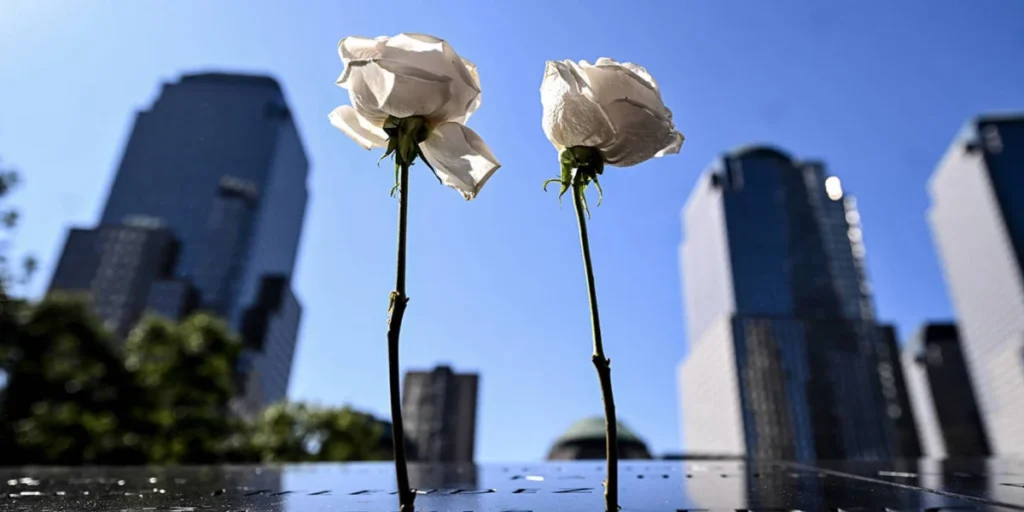
For those of us who carry the vivid, searing memories of September 11, 2001, the day remains a permanent scar on the American psyche. It was a Tuesday characterized by a crisp, unnerving clarity—the kind of "sparkling clear blue sky" that usually signifies the onset of a perfect autumn. I was at home in Cambridge, Massachusetts, when my husband’s phone call shattered the morning routine. He spoke of a plane hitting one of the Twin Towers in New York City. Our initial, desperate instinct was to assume a tragic accident involving a small private aircraft. Within minutes, that presumption evaporated, replaced by the sickening, dawning realization that the United States was under a coordinated, unprecedented assault.
Twenty-five years later, we are still grappling with the fallout. The questions raised that day—Who could have done this, and why?—would go on to dictate the trajectory of the 21st century. The answers we found, and the actions we took in response, fundamentally reshaped the nation’s domestic fabric and its standing in the global order. Looking back through the lens of a quarter-century, it is difficult to argue that these changes left us in a better place.
The Chronology of Chaos: A Morning That Changed History
The timeline of September 11, 2001, is etched into the collective memory of a generation, yet the sheer speed of the unfolding catastrophe still warrants careful study.
- 8:46 AM: American Airlines Flight 11, hijacked by al-Qaeda operatives, strikes the North Tower of the World Trade Center in Manhattan.
- 9:03 AM: United Airlines Flight 175 strikes the South Tower. The realization that this is a systematic attack—not an accident—grips the nation.
- 9:37 AM: American Airlines Flight 77 crashes into the western face of the Pentagon in Arlington, Virginia.
- 9:59 AM: The South Tower collapses in a plume of ash and debris.
- 10:03 AM: United Airlines Flight 93, having been diverted by passengers revolting against their hijackers, crashes into a field in Shanksville, Pennsylvania.
- 10:28 AM: The North Tower collapses.
In less than two hours, the symbols of American financial and military might were maimed. The logistical precision of the hijackers, who utilized domestic commercial flights as guided missiles, signaled the end of the post-Cold War era of optimism and the beginning of an era of pervasive, existential anxiety.
Supporting Data: The Human and Economic Toll
The immediate human cost of the attacks was staggering. Official records confirm the death of 2,977 victims, excluding the 19 hijackers. The victims hailed from over 90 different countries, underscoring the international impact of the assault. Beyond the immediate casualties, the subsequent health crisis—resulting from exposure to toxic dust and debris at Ground Zero—has claimed the lives of thousands of first responders and residents in the years since.
The economic impact was equally transformative. In the immediate aftermath, the U.S. stock market closed for four days, suffering a historic decline upon reopening. The direct costs, including property damage, cleanup, and infrastructure replacement, were estimated at $123 billion. However, this is a fraction of the total expenditure. The subsequent "Global War on Terror" resulted in trillions of dollars in military spending, significantly altering the U.S. national debt profile and domestic investment priorities.
Official Responses: The Shift to a Security-First State
The government’s response to the attacks was swift, decisive, and ultimately, profoundly transformative. President George W. Bush’s address to the nation on the evening of September 11 set the tone: "We will make no distinction between the terrorists who committed these acts and those who harbor them."
The Rise of the Surveillance State
In October 2001, Congress passed the USA PATRIOT Act with overwhelming bipartisan support. While intended to bridge intelligence gaps, the legislation fundamentally eroded privacy norms, granting federal agencies expansive surveillance powers. This shift marked the beginning of a "security-first" architecture that would characterize the next two decades, including the establishment of the Department of Homeland Security—a massive bureaucratic reorganization designed to streamline domestic defense.
The Doctrine of Preemptive War
The most significant shift in foreign policy was the adoption of the Bush Doctrine, which asserted the right of the United States to launch preemptive strikes against perceived threats. This logic served as the primary justification for the invasion of Afghanistan in 2001 and, more controversially, the 2003 invasion of Iraq. The latter, predicated on faulty intelligence regarding weapons of mass destruction, remains a point of deep historical contention, having destabilized the Middle East and drained American political capital.
The Long-Term Implications: A Nation Reconfigured
Twenty-five years later, we must confront the uncomfortable reality of what the "Post-9/11" world has wrought.
The Polarization of Politics
The unity that briefly followed the attacks proved fleeting. The trauma of 9/11 accelerated the hardening of political identities. Fear became a potent political currency, used to justify executive overreach and the marginalization of dissent. The subsequent wars contributed to a growing cynicism regarding American institutions, as the promised "nation-building" efforts failed to deliver stable democratic outcomes, instead resulting in prolonged insurgencies and humanitarian crises.
The Erosion of Global Soft Power
For decades, the United States was viewed through the lens of its democratic ideals and economic prosperity. Following 9/11, that perception was increasingly filtered through the lens of military interventionism and the moral compromises of the torture program and extralegal detention centers like Guantanamo Bay. The global "War on Terror" shifted the U.S. focus away from diplomatic soft power, forcing allies into uncomfortable positions and providing autocrats worldwide with a convenient rhetorical template to justify their own crackdowns on civil liberties under the guise of "national security."
A Legacy of Institutional Distrust
Perhaps the most lasting implication is the profound shift in the relationship between the American citizen and the state. The constant state of alert, the militarization of local police forces, and the normalization of domestic surveillance have left a legacy of suspicion. When the government asks for trust in the name of security, it now meets a public that is, by default, skeptical. The events of that Tuesday morning in 2001 did not just destroy buildings; they initiated a slow, corrosive process of institutional fragmentation that we are still trying to reverse.
Conclusion: Lessons for the Future
As we reflect on the quarter-century mark of the September 11 attacks, the lesson should not be that we were powerless against such evil, but rather that our reactions are as consequential as the acts themselves. The temptation to respond to fear with unchecked power is a perennial human impulse, yet history shows that this path often leads to outcomes we never intended.
The "sparkling clear blue skies" of that morning are a haunting reminder of how fragile our sense of normalcy truly is. If we are to honor the memories of those we lost, we must move beyond the reflexive politics of fear. We must rebuild the trust that has been eroded and reclaim the values of openness and liberty that define the best of the American project. The shadow of the towers is long, but it is not permanent. It is up to us to decide when we finally step out of it.