Text by: Karen Tee
For the well-travelled, few experiences rival the sensory indulgence of a Swiss winter. It is a symphony of contrasts: the sharp, invigorating bite of sub-zero air against the warmth of a crackling hearth; the pristine, untouched white of a high-altitude glacier against the velvet comfort of a five-star chalet. As the festive season approaches, Switzerland transcends its reputation as a mere destination and emerges as a living, breathing winter sanctuary, offering a level of hospitality that is as precise as a Swiss watch and as deep as the mountain lakes that mirror the peaks.
Whether you are seeking the adrenaline of a vertical descent or the quiet, meditative luxury of a spa retreat, the Swiss Alps offer a curated experience for the discerning traveller. Below, we explore four destinations that define the pinnacle of Alpine refinement.
Gstaad: Where Billionaire Playgrounds Meet Traditional Alpine Charm
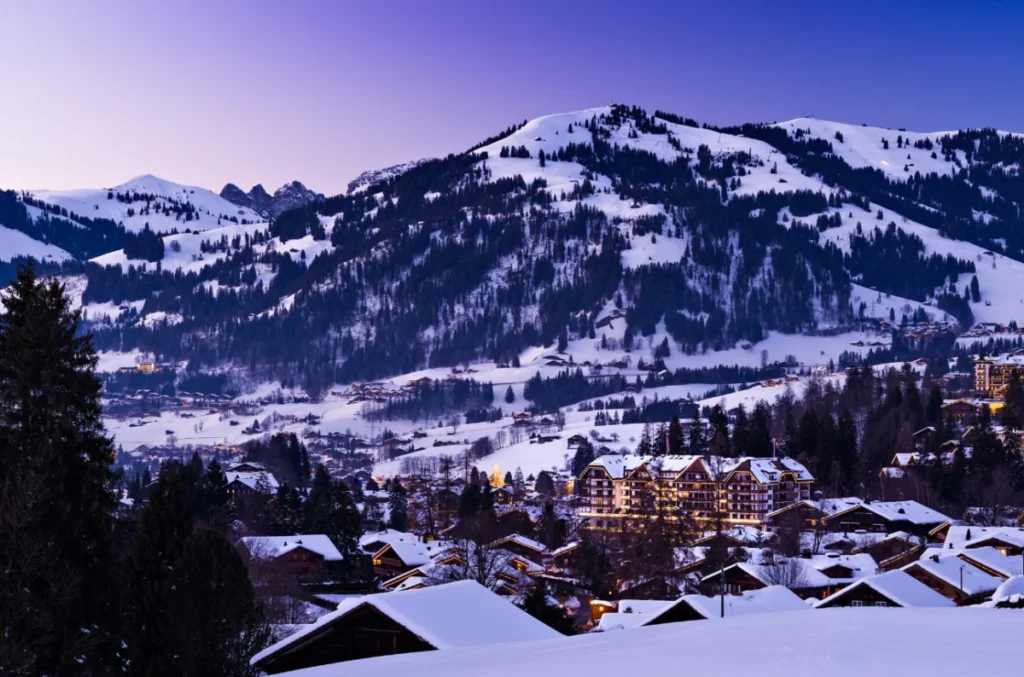
Gstaad has long held the title of the world’s most discreet "billionaire’s playground." It is a place where the ethos of "come up, slow down" is taken seriously. Despite its reputation for glitz, the region remains a bastion of authentic Alpine life, characterized by its strict adherence to chalet-style architecture and an unwavering commitment to the natural environment.
The Geography of Thrills
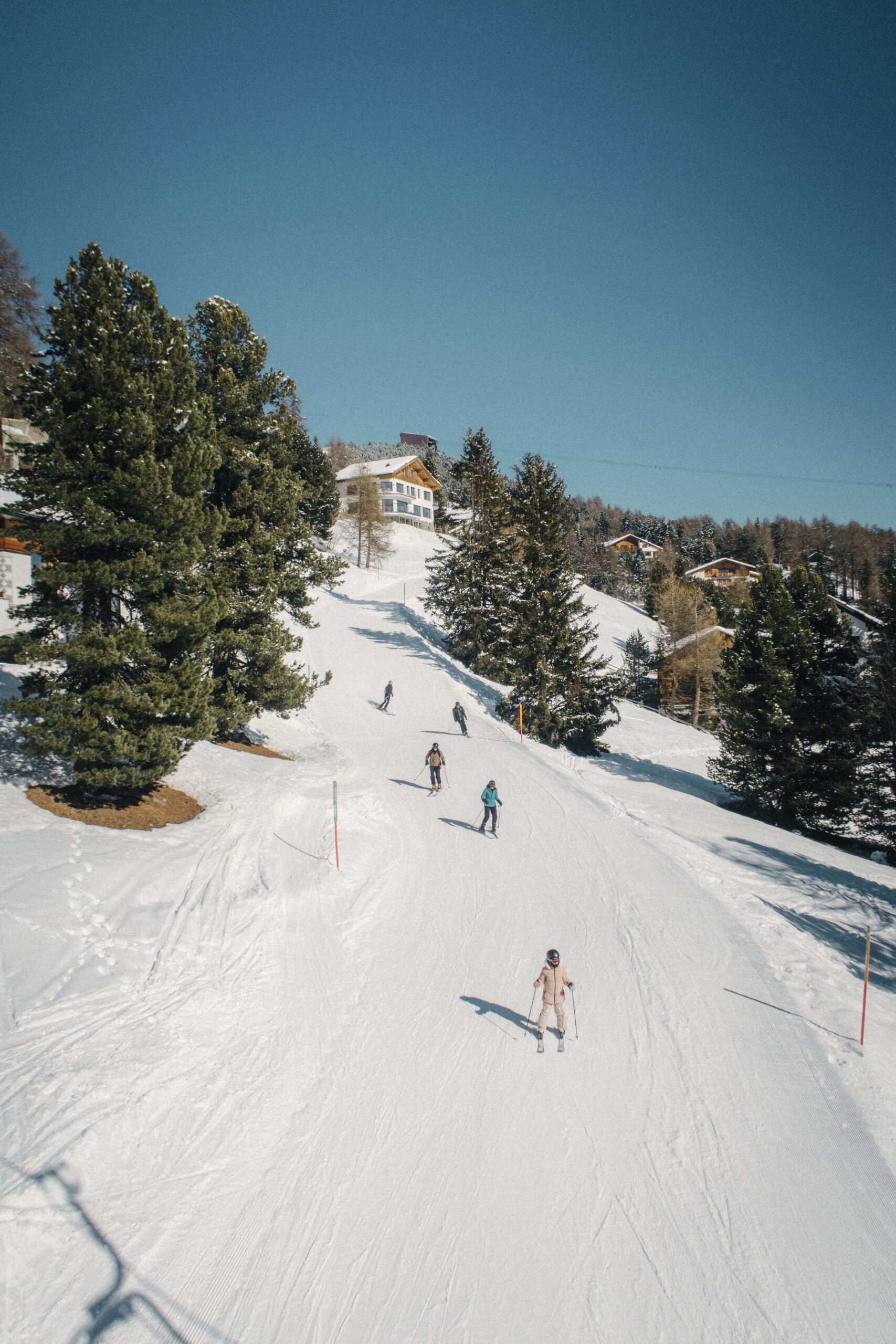
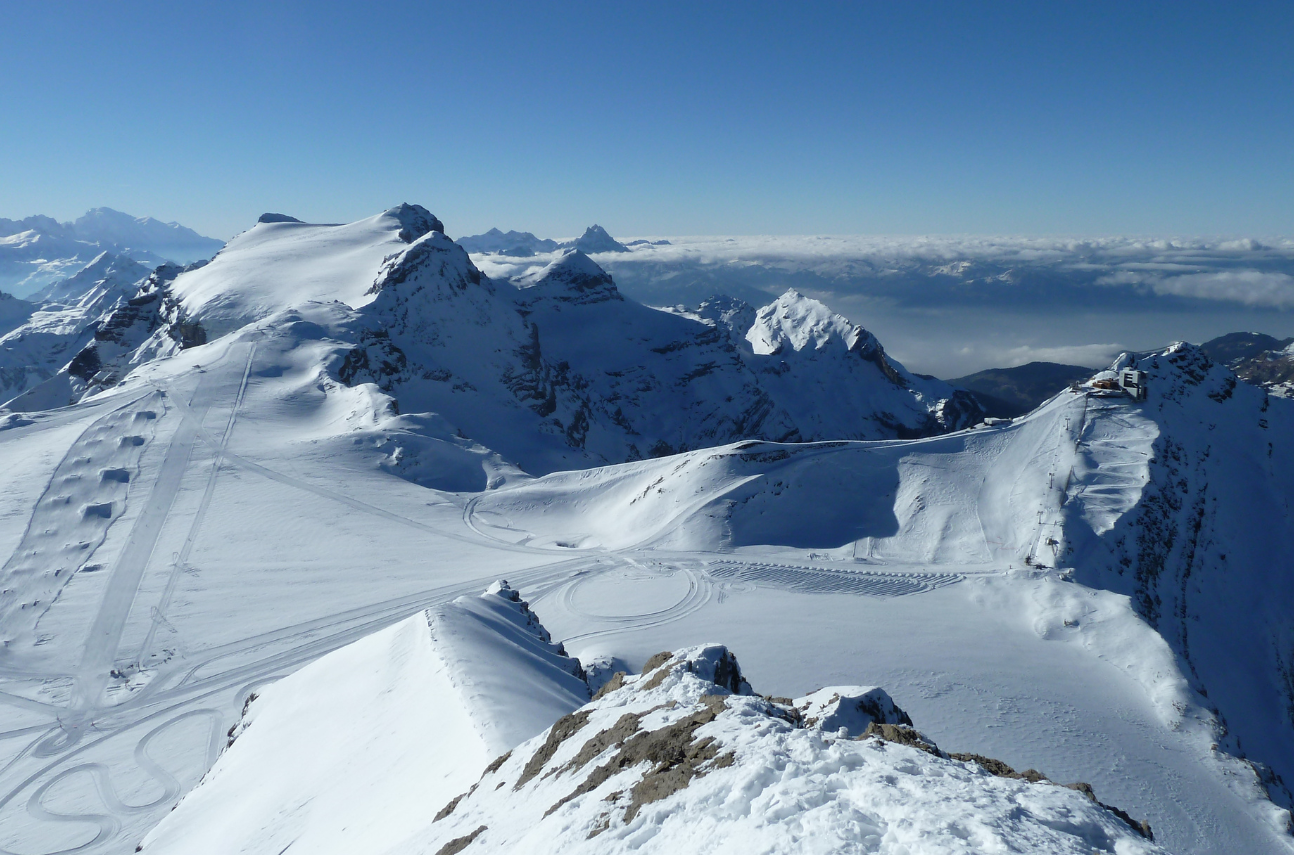
The region is a dreamscape for the active traveller, boasting an interconnected network of three ski areas, expansive cross-country trails, and meticulously groomed winter hiking paths. However, the crown jewel is undoubtedly Glacier 3000. Rising to 3,000 meters, it offers 31 kilometers of pristine pistes.
For the non-skier, the allure is equally compelling. The Peak Walk by Tissot, the world’s first suspension bridge connecting two mountain summits, provides a vertigo-inducing, panoramic view of the Eiger, Jungfrau, and Mont Blanc. For those seeking a connection with the landscape, dog-sledding across the high-altitude glacier remains the quintessential Gstaad experience.
Implications of Luxury Retail
Gstaad’s village center offers a unique juxtaposition: high-fashion outposts from Hermès, Prada, and Louis Vuitton sit comfortably alongside traditional cheese dairies and artisanal wood-carvers. This commercial ecosystem supports a high-end apres-ski culture that is less about boisterous parties and more about refined, intimate social gatherings.
Featured Accommodation: Ultima Hotel Gstaad. This property functions as an exclusive Alpine hamlet. This winter, it elevates its culinary standing by hosting a seasonal pop-up of the renowned fusion Japanese restaurant, Zuma, available through March 2026.
Zermatt: The Majestic Shadow of the Matterhorn
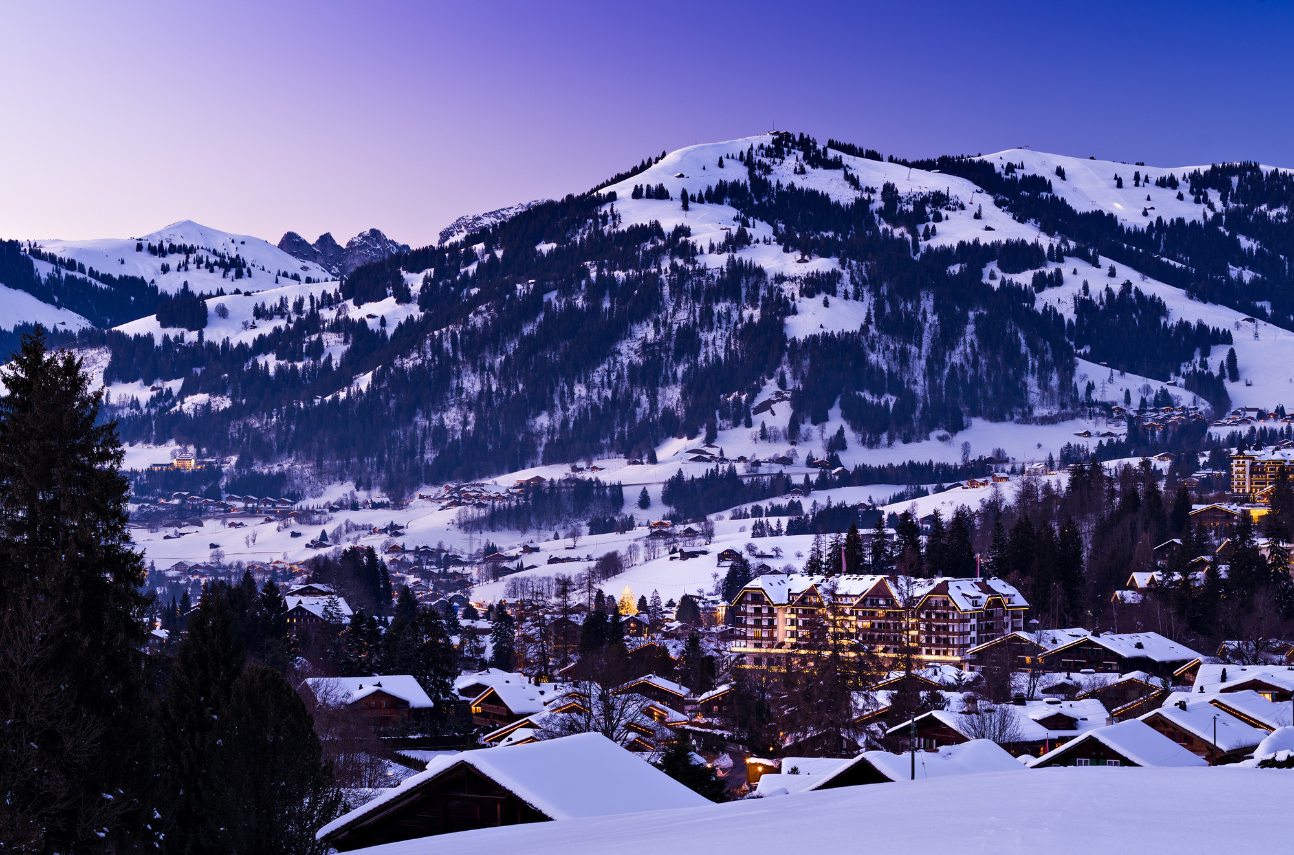
Zermatt is defined by the singular, iconic silhouette of the Matterhorn. As a car-free village, it offers a rare tranquility in an era of constant connectivity. Its development has been carefully managed to retain the charm of a mountain hamlet while delivering world-class infrastructure.
The Matterhorn Alpine Crossing
The most significant development in recent years is the Matterhorn Alpine Crossing. This engineering marvel allows travelers to traverse the glaciers from the highest mountain lift station in Europe (3,883m) directly into the Italian town of Cervinia. It is a seamless, cross-border journey that underscores the interconnected nature of the modern Alpine experience.
Culinary and Cultural Depth
Zermatt is a gastronomic powerhouse. The village is densely packed with Michelin-starred and GaultMillau-recognized establishments. Among them, Madre Nostra stands out for its ability to bridge Italian Mediterranean sensibilities with hearty Alpine ingredients. Beyond the dining table, the Matterhorn Museum – Zermatlantis provides a sobering and fascinating look at the mountaineering history that put this village on the map.
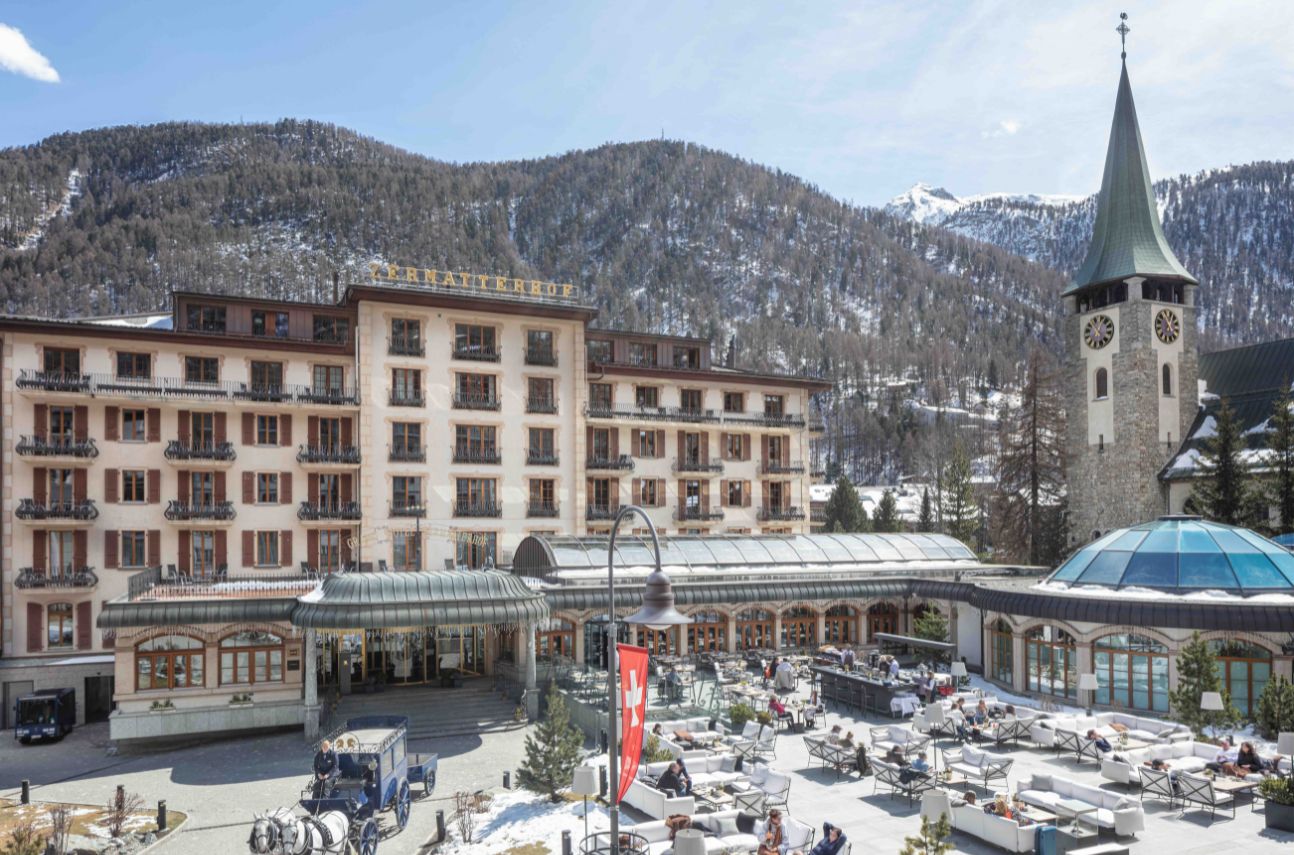
Featured Accommodation: Grand Hotel Zermatterhof. A One-Michelin Key property, it epitomizes old-world luxury. Guests arriving by horse-drawn carriage are treated to a level of service that harkens back to the golden age of travel, now balanced by a state-of-the-art, newly renovated spa.
St. Moritz: The Birthplace of Alpine Glamour
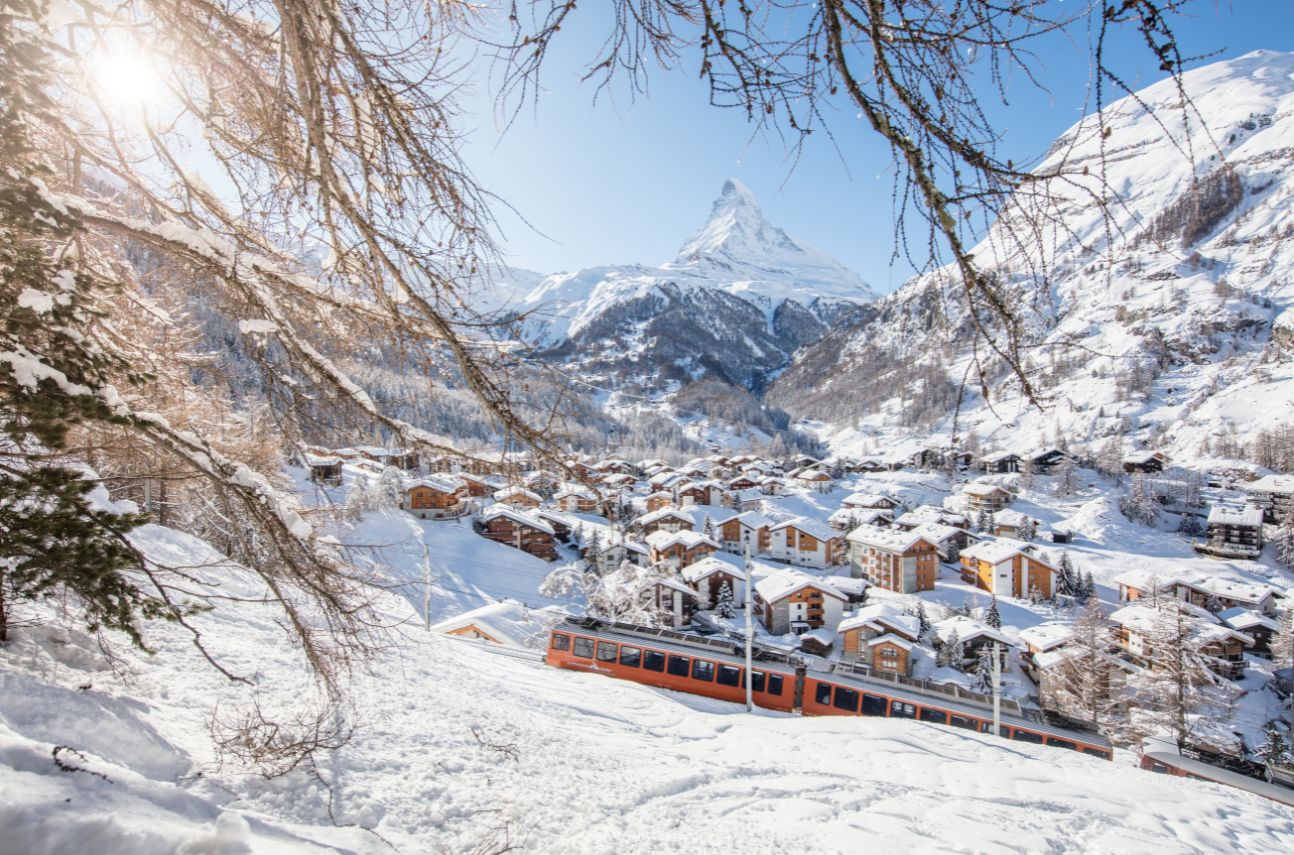
St. Moritz is not merely a destination; it is an institution. As the birthplace of winter tourism in the 19th century, it set the standard for what a luxury mountain retreat should be. Its success is anchored in the "champagne climate"—a unique meteorological phenomenon resulting in crisp, dry air and a quality of light that has lured artists and photographers for generations.
Chronology of Sporting Heritage
The history of St. Moritz is etched into the ice. Having hosted the Winter Olympics twice, the town remains the epicenter of high-octane winter sports. The legendary Cresta Run remains the benchmark for skeleton racing, while the frozen Lake St. Moritz serves as a stage for the world’s only "White Turf" horse races, polo tournaments, and various avant-garde art pop-ups.
Sustaining the "Glamour" Model
Despite the high-octane events, St. Moritz maintains a dual personality. For every glittering gala, there is a local favorite like the Kulm Pizzeria, where GaultMillau-recognized chefs serve wood-fired pizzas in a setting that is undeniably cozy and refreshingly unpretentious.
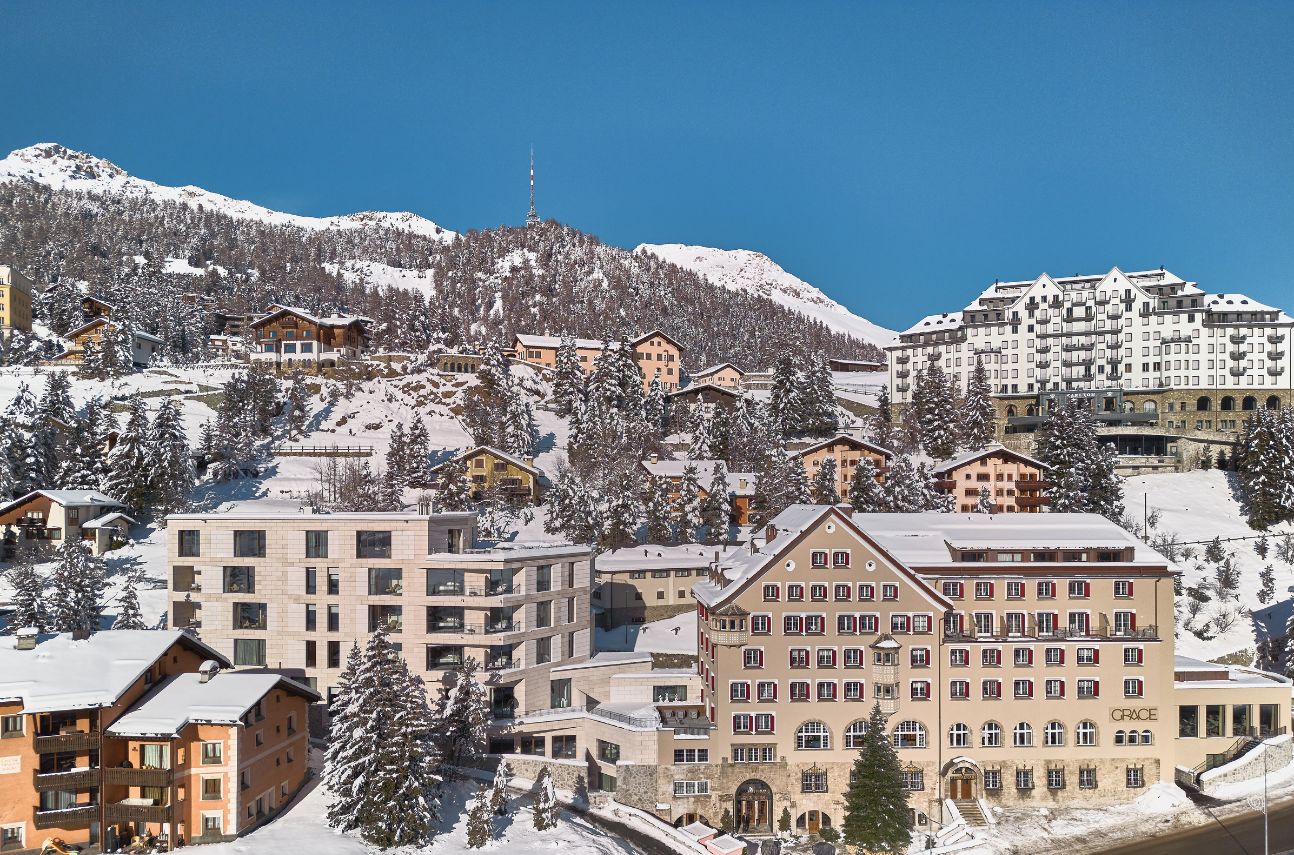
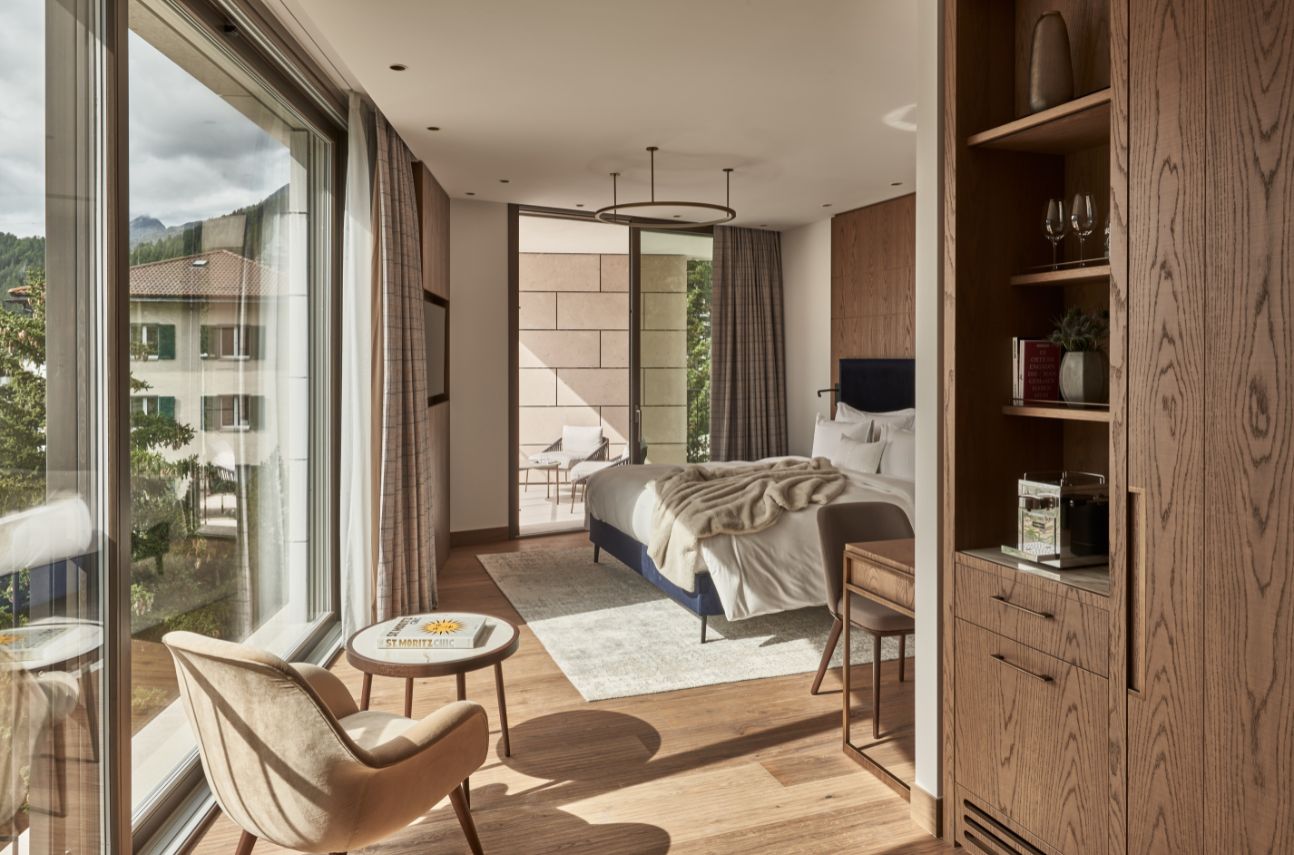
Featured Accommodation: Grace La Margna. As part of the Small Luxury Hotels of the World collection, it provides a quiet counterpoint to the town’s louder social scene. Its light-filled, modern suites offer panoramic views that serve as a private observatory for the valley’s changing light.
Lausanne: The Cultural Festive Escape
While the mountain resorts focus on the slopes, Lausanne, situated on the shores of Lake Geneva, focuses on the soul. It is the perfect destination for the traveler who prefers the elegance of a city break to the isolation of a peak.
The Festive Urban Transformation
Each year-end, the Bo Noel Christmas Market transforms the city center. Unlike mass-market festive events, Lausanne’s iteration is characterized by artisanal precision. Chalets are filled with locally sourced crafts, while light installations turn the city’s historic winding streets into an enchanting, luminous maze.
The Arts and Gastronomy Axis
Lausanne’s cultural heart beats at Plateforme 10, a world-class arts district that houses the MCBA (Fine Arts), mudac (Design), and Photo Elysée. This district represents a massive investment in cultural tourism, providing a perfect afternoon of immersion when the weather dictates a move indoors.
Gastronomically, the city is defined by the two-Michelin-starred Pic au Beau-Rivage Palace. Chef Anne-Sophie Pic’s approach to nature-inspired cuisine serves as a culinary reflection of the surrounding Vaud region.
Featured Accommodation: Beau-Rivage Palace. This "Grande Dame" of Swiss hospitality offers a seamless blend of Belle Époque architecture and contemporary luxury. Its Guerlain Spa remains a premier destination for those looking to "cocoon" during the depths of the winter season.
Supporting Data and Travel Implications
The Swiss tourism sector continues to see a marked shift toward "slow luxury." According to recent hospitality trends, travelers are moving away from the "checklist" style of tourism in favor of extended stays in a single region. This trend has significant implications for infrastructure:
- Sustainability: All four destinations highlighted have implemented stringent sustainability policies, including the use of renewable energy for ski lifts and the preservation of car-free zones to reduce carbon footprints.
- Accessibility: The Swiss Travel System remains the most efficient in the world, allowing for seamless transfers between the cities of Lausanne and the high-altitude resorts of Gstaad, Zermatt, and St. Moritz.
- Economic Impact: High-end hospitality remains the primary driver of the local economy in these regions, with luxury hotels reporting a consistent 15–20% increase in demand for wellness-centric packages compared to pre-2020 figures.
A Final Perspective
Whether you find yourself navigating the high-speed tracks of St. Moritz or wandering the candlelit, snowy paths of Lausanne, the message of a Swiss winter is consistent: it is an invitation to pause. In a world that often demands constant motion, Switzerland provides the rare, icy silence necessary to appreciate the finer details of life.
From the world’s first suspension bridge between summits to the historic, lakefront halls of the Beau-Rivage Palace, these four destinations are more than just places to stay—they are the guardians of a refined, timeless winter tradition that continues to set the standard for the global traveler.