From the mist-veiled peaks of Hong Kong to the glittering, glass-lined horizon of Singapore, the definition of the "urban sanctuary" is undergoing a profound transformation. As global travel demands shift toward hyper-personalized, residential-style experiences, two of Asia’s most iconic properties—the Island Shangri-La, Hong Kong, and Marina Bay Sands, Singapore—have unveiled ambitious redesigns that redefine the height of luxury. By blending heritage aesthetics with cutting-edge wellness technology, these properties are proving that modern opulence is no longer just about square footage; it is about the elevation of the guest experience, both figuratively and literally.
The Evolution of the Skyline Sanctuary: Main Facts
The current movement in ultra-luxury hospitality is characterized by a departure from the "cookie-cutter" suite model toward bespoke, residential environments.
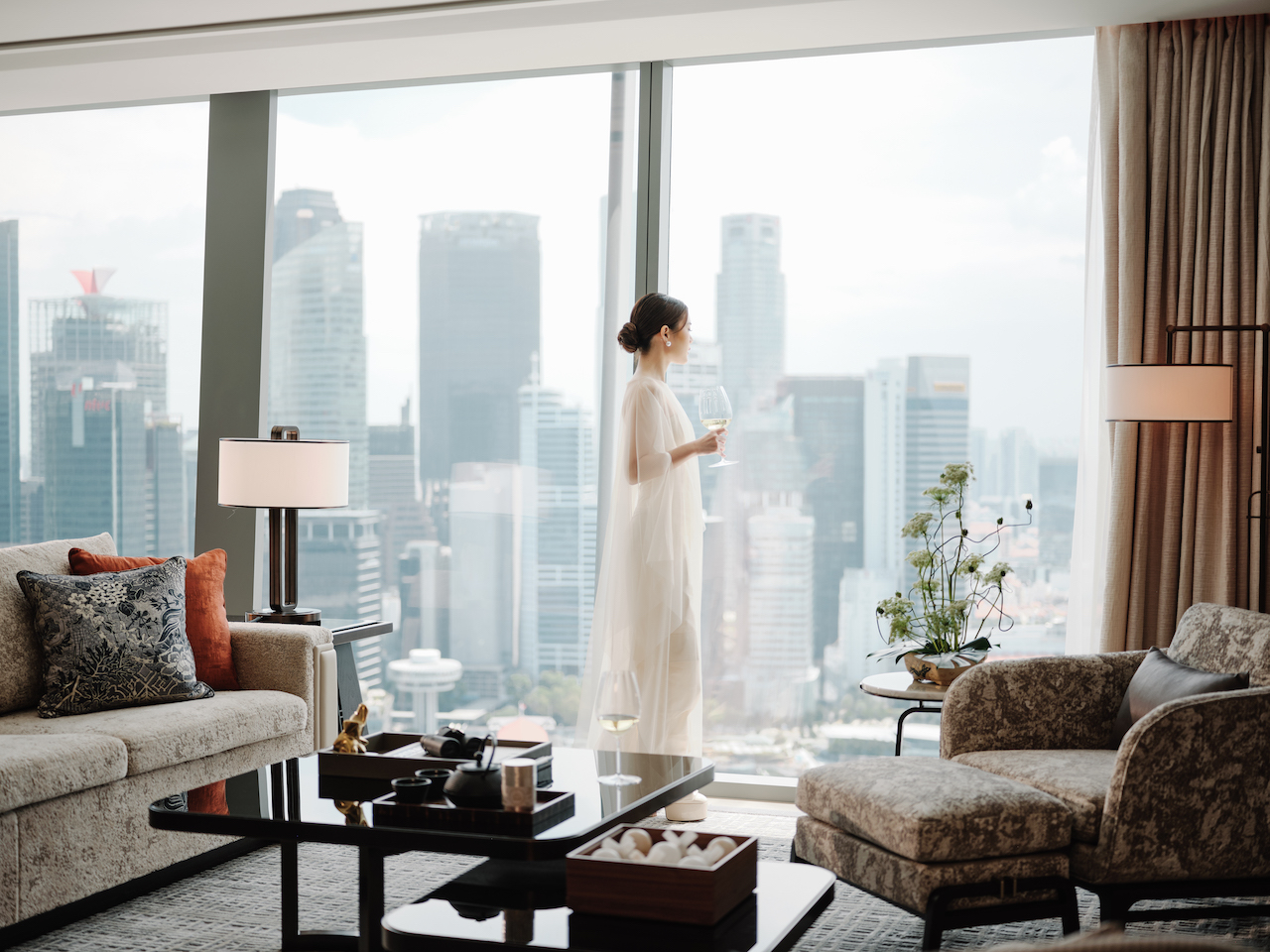
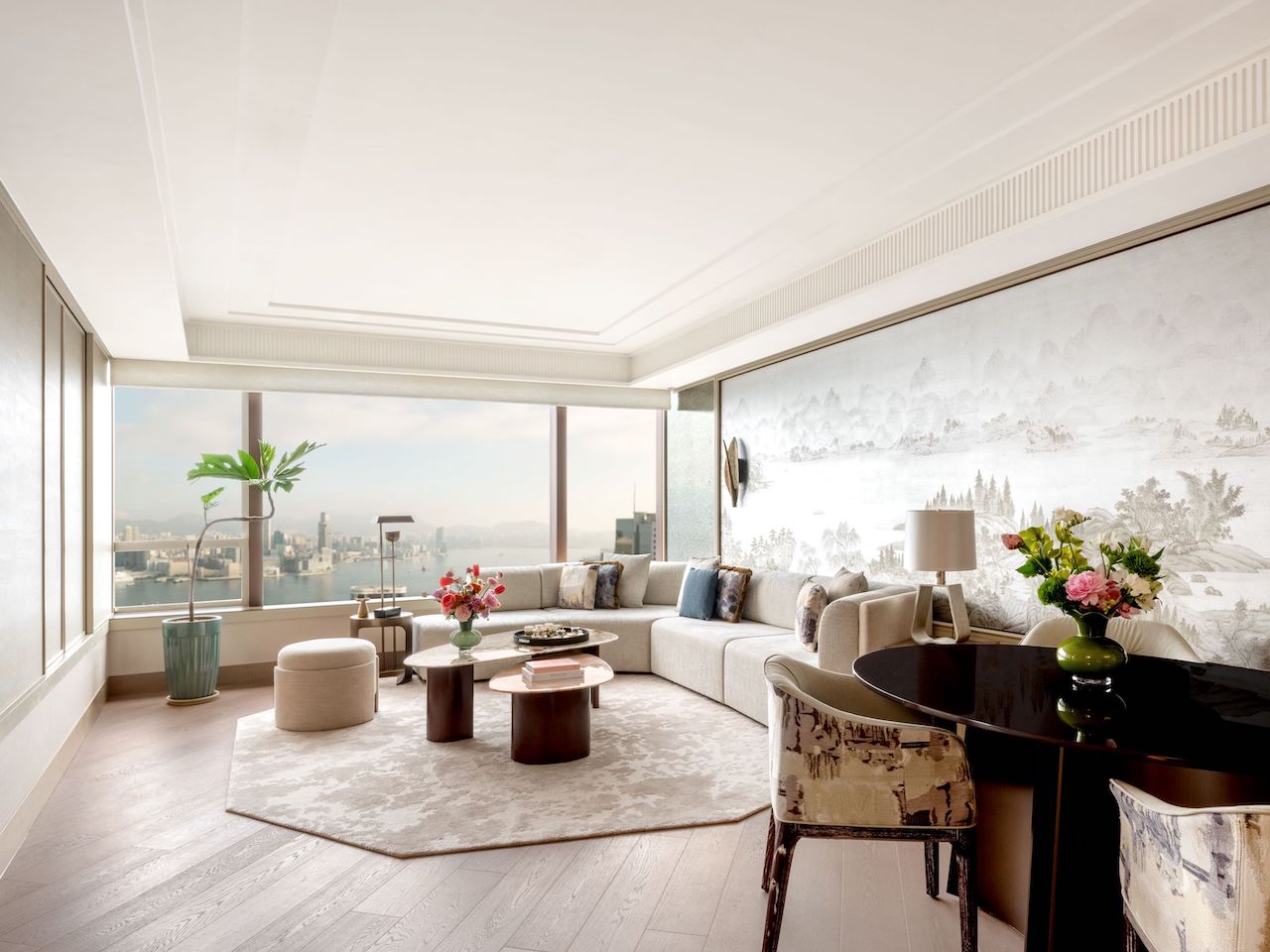
In Hong Kong, the Island Shangri-La has completed a multi-year, floor-by-floor metamorphosis of its signature suites. The 50th-floor Hong Kong Suite stands as the crown jewel of this project, shifting away from generic corporate luxury toward a narrative-driven interior design that honors the city’s complex heritage.
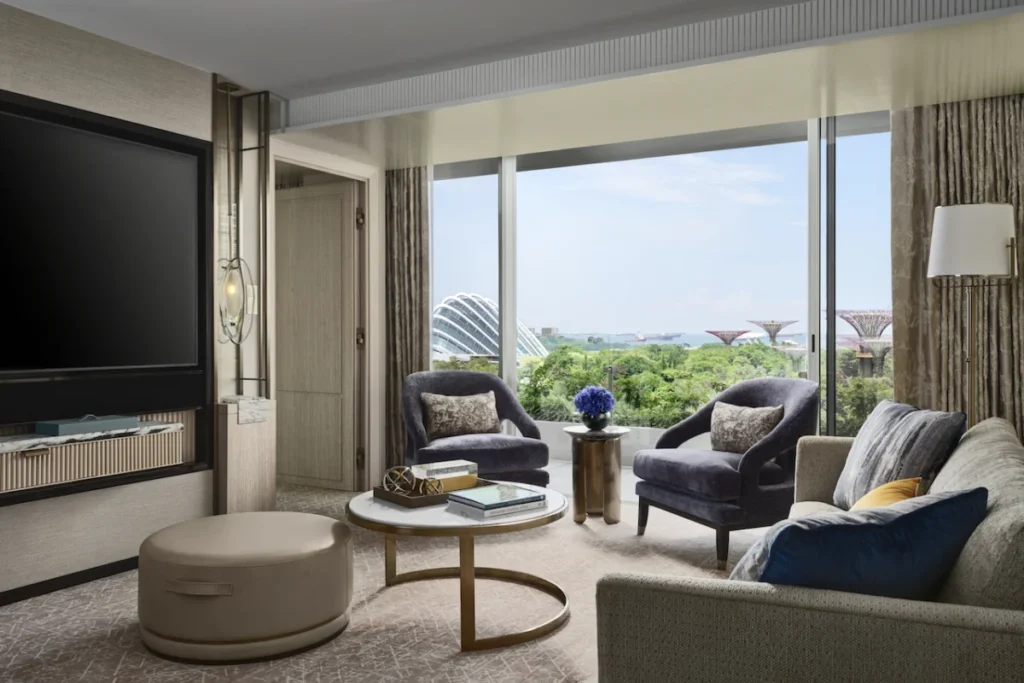
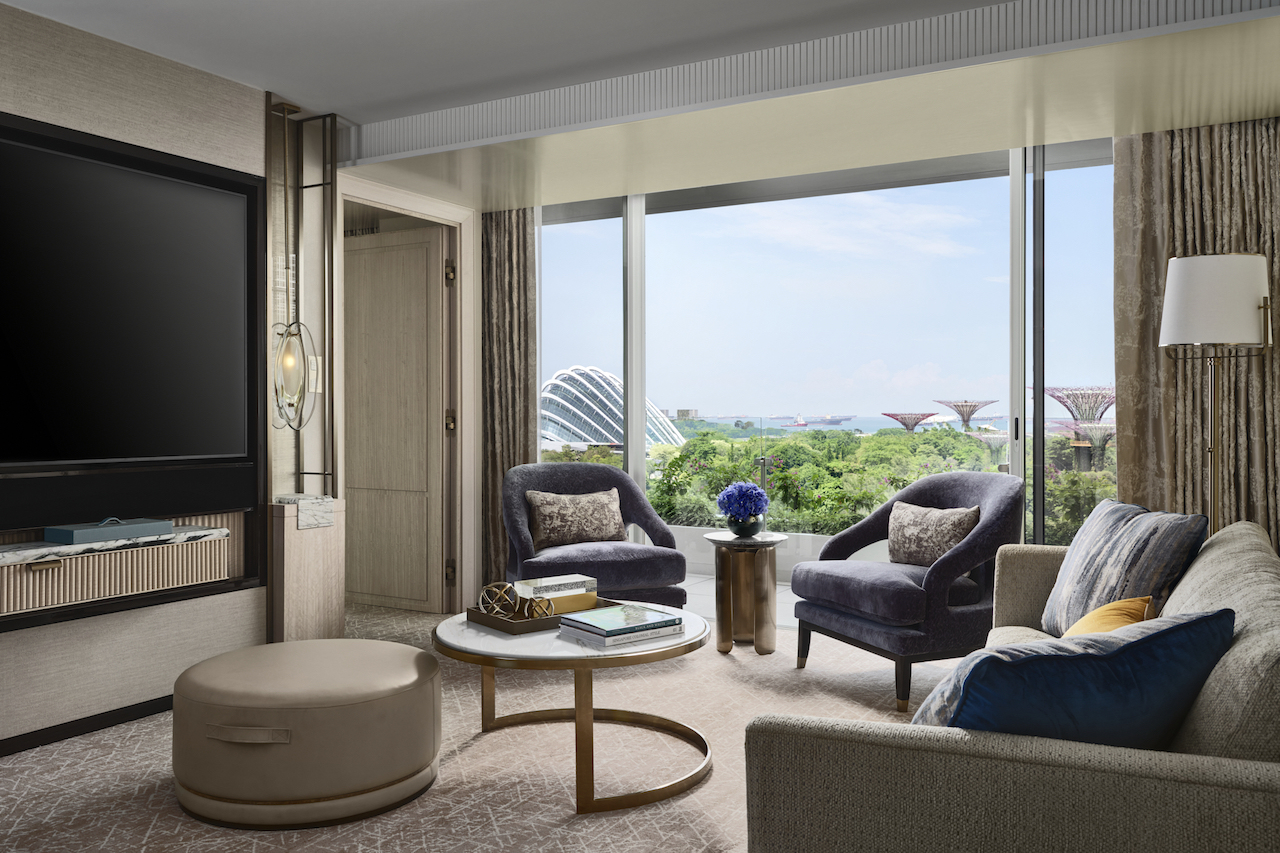
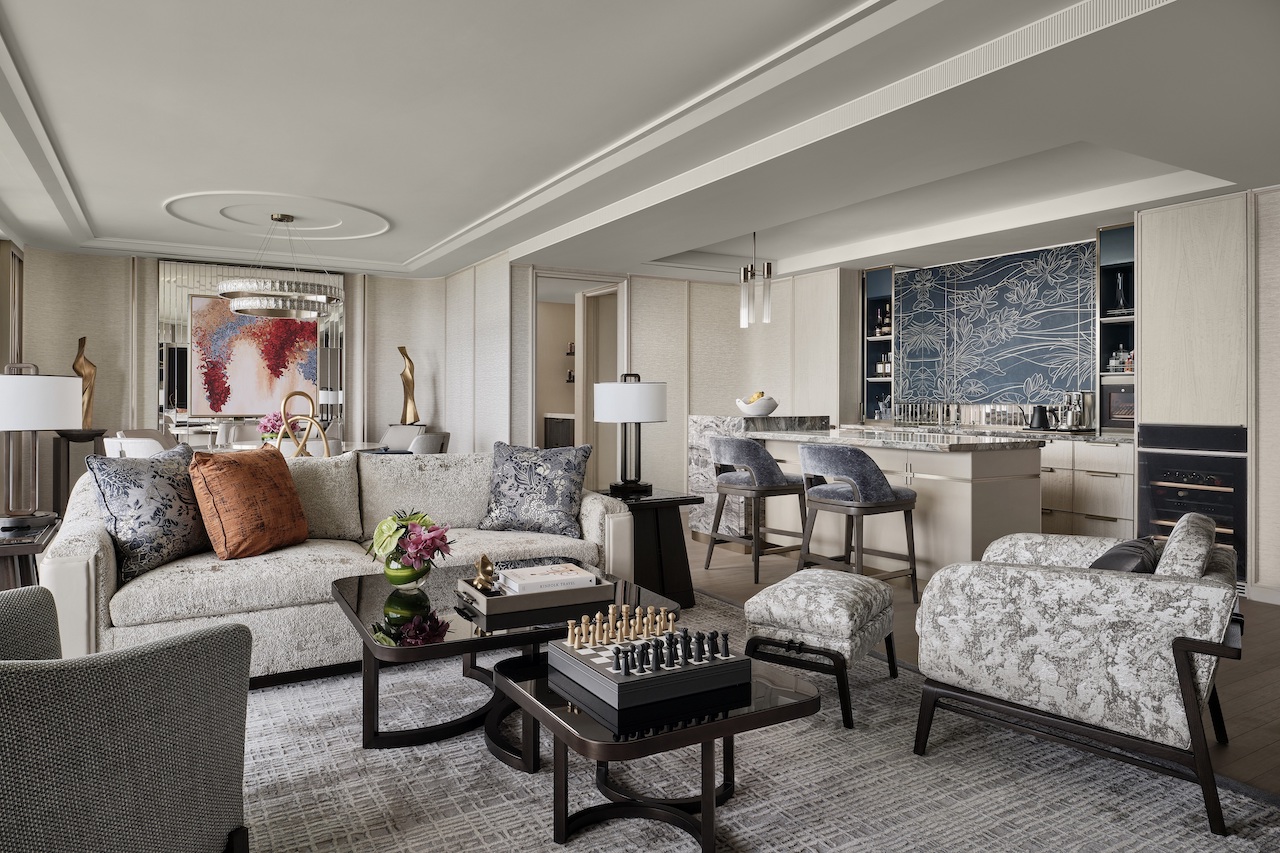
Simultaneously, Singapore’s Marina Bay Sands (MBS) has reached the completion of its monumental room refurbishment. The scale is staggering: 1,850 newly redesigned rooms and suites, including the high-tier Sands Collection and the ultra-exclusive Paiza Collection. This project marks one of the most significant hospitality investments in the region, focusing on a "city-within-a-city" concept where the suite functions as a private, self-contained residence.
A Chronology of Transformation
The shift toward these upgraded offerings did not happen in a vacuum. It follows a post-pandemic recovery period where high-net-worth travelers prioritized seclusion, health, and personalized service over traditional hotel amenities.
- 2023–2024 (The Planning Phase): Both properties initiated intensive market research to identify the changing habits of the "ultra-affluent" demographic. The focus moved toward wellness-integrated spaces and hybrid living areas that facilitate both work and high-end entertainment.
- Early 2025: Island Shangri-La began the final phases of its suite renovations, prioritizing artisanal craftsmanship, such as sourcing 19th-century antiques and bespoke fabric wall coverings, to differentiate its offering from the city’s more minimalist, modern hotels.
- Mid-2025: Marina Bay Sands finalized its Paiza Collection rollout. The phased opening allowed the property to test the efficacy of its new butler-service infrastructure, ensuring that the increase in room count was matched by a commensurate increase in service quality.
- 2026: Both properties now operate under their new identities, signaling a new benchmark for the Asian luxury sector.
Supporting Data: The Anatomy of the New Suite
Island Shangri-La: Artistry and Heritage
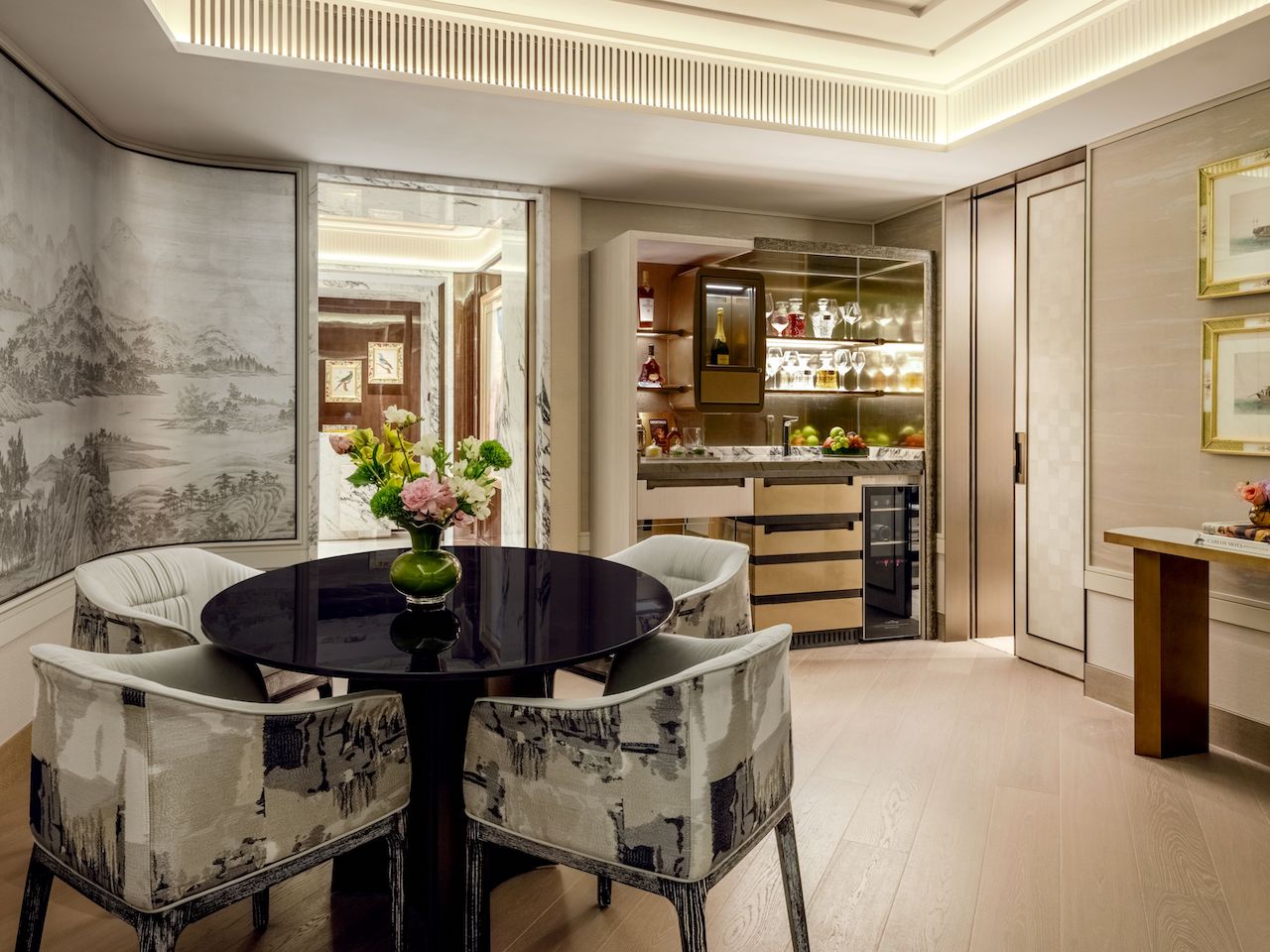
The Hong Kong Suite is a masterclass in curation. Beyond the floor-to-ceiling cinematic views, the suite is anchored by 19th-century paintings of traditional sampans, serving as a cultural anchor amidst modern comforts.
Key technical features include:
- Culinary Infrastructure: A dedicated pantry equipped with a full kitchenette, filtered water systems, and a dual-zone wine fridge.
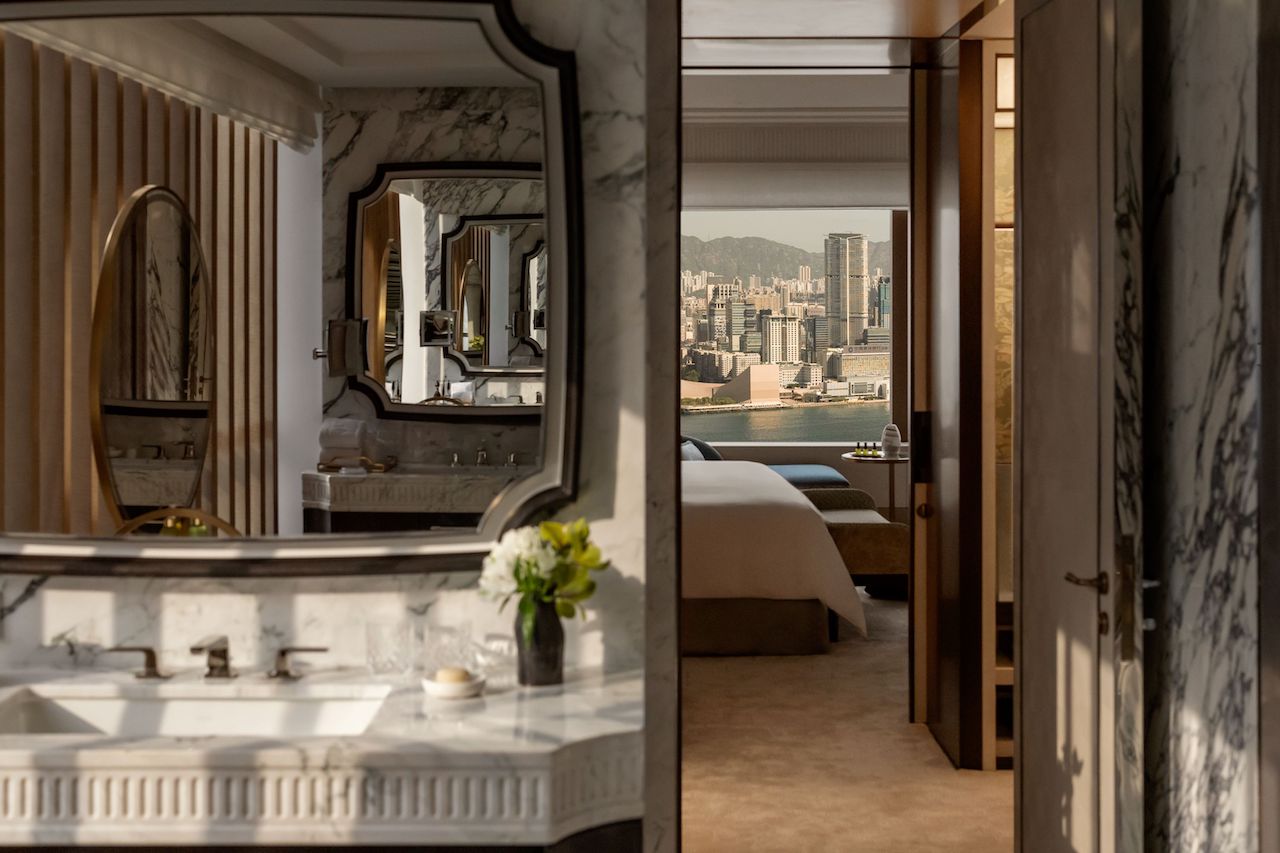
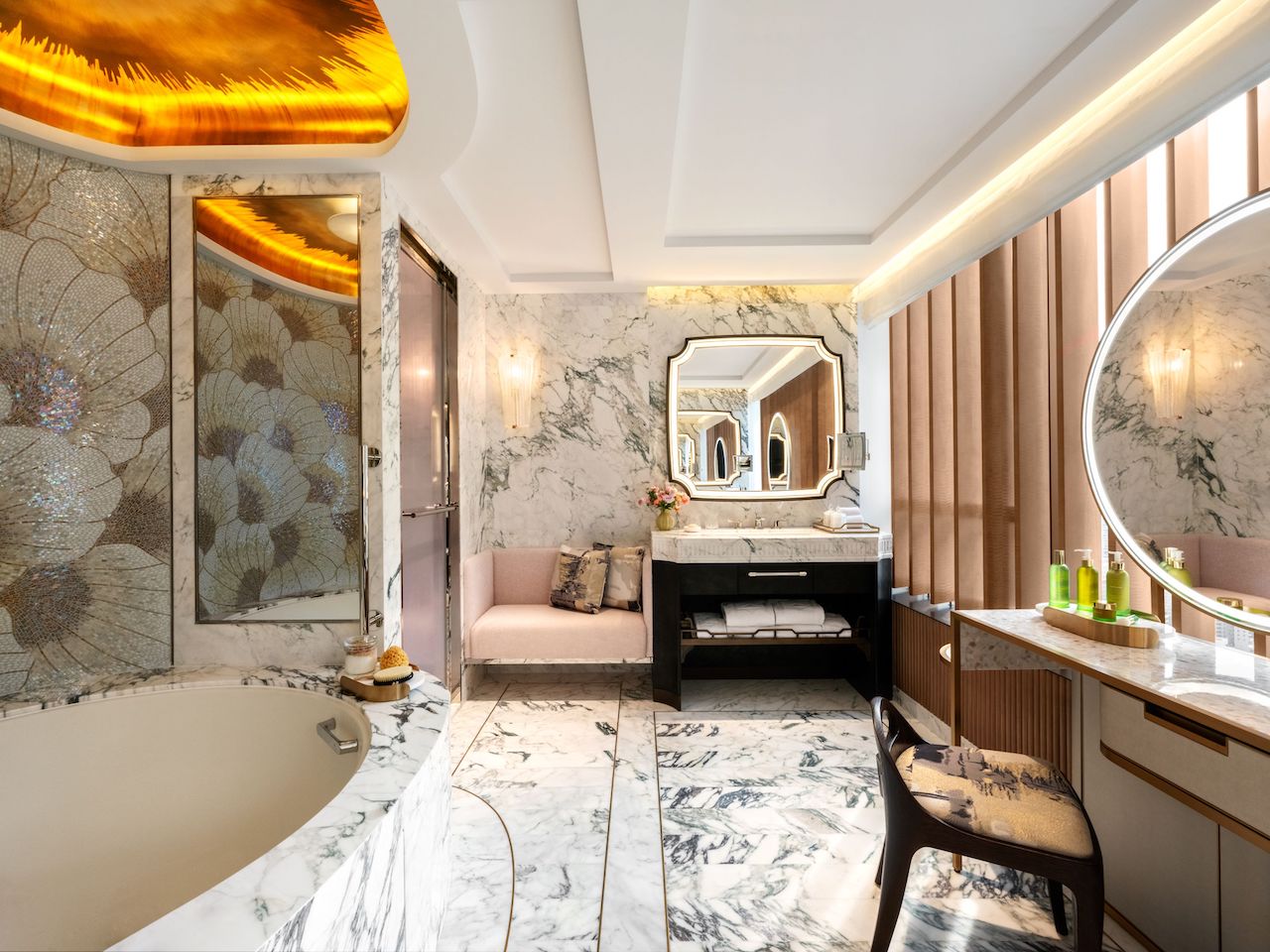
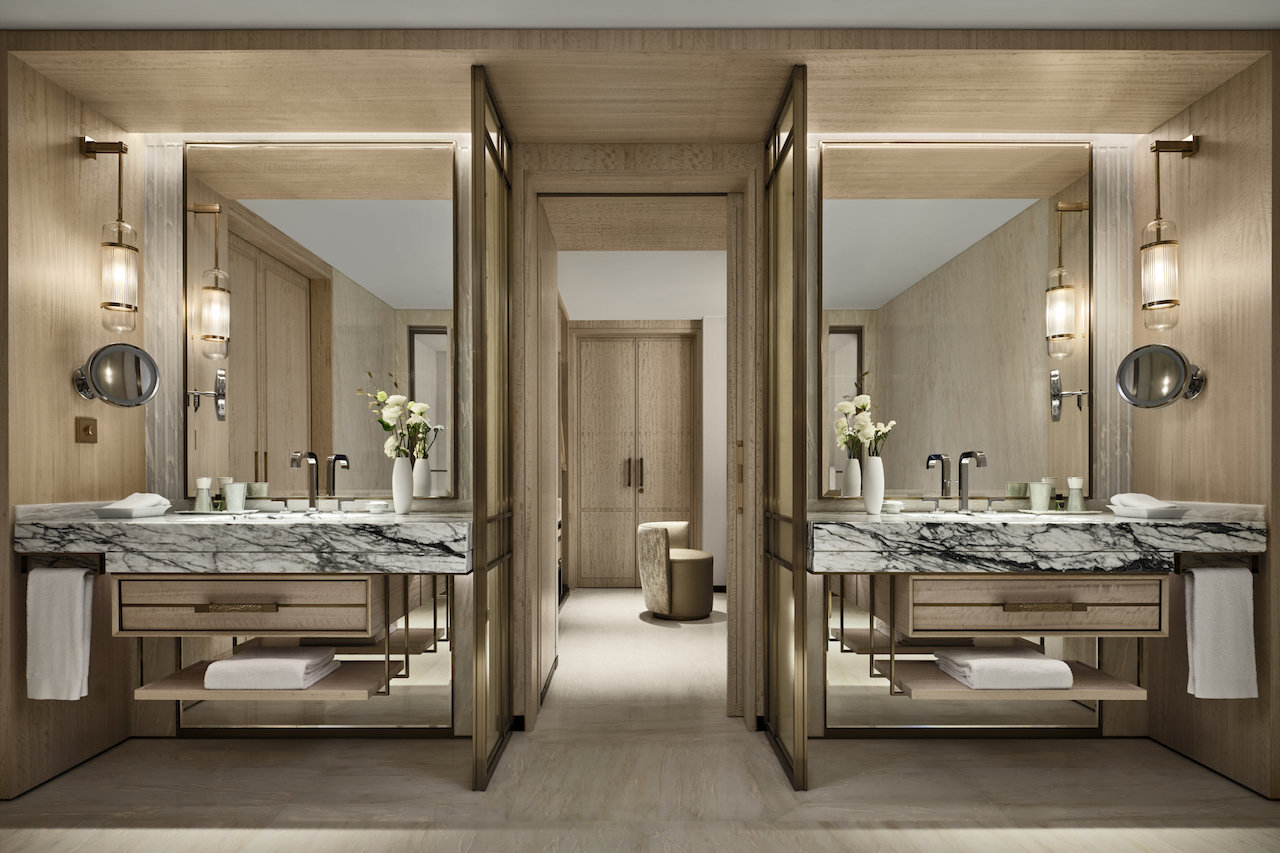
- Wellness Integration: An en-suite bathroom featuring twin rain-shower heads, a heated bench, and Shangri-La’s signature bath salts, developed in collaboration with Yun Wellness.
- Smart Design: A king-size bed positioned to face a daybed by the windows, maximizing the "view-centric" nature of high-rise living.
Marina Bay Sands: The Paiza Collection
MBS has taken a different approach, focusing on functional versatility and "lifestyle-specific" suites. The collection of 370 Paiza suites offers specialized environments for distinct traveler types.
- The Chairman Suite: Designed for grand hosting, featuring a 146-inch television and a private karaoke suite.
- The Presidential Suite: Geared toward the active traveler, featuring a professional-grade golf simulator preloaded with world-renowned courses.
- The Horizon Suite: A pure wellness sanctuary featuring a Himalayan salt wall, a private hammam, and massage facilities that allow for in-room spa treatments.
Official Responses and Strategic Vision
Representatives from both groups emphasize that these renovations are not merely aesthetic upgrades, but strategic pivots to meet the demands of the modern "global citizen."
"Our goal was to ensure that the guest feels a sense of place the moment they walk through the door," says a spokesperson for the Island Shangri-La. "The Hong Kong Suite isn’t just a place to sleep; it is a lens through which to experience the history and the future of this city. By integrating local art, such as the sampan paintings, we provide a narrative that is impossible to replicate in a chain hotel."
Marina Bay Sands management echoes this sentiment, noting that their massive investment was driven by the need for "seamlessness." Their new 160-strong butler team is the result of extensive training programs designed to offer 24/7, invisible service. "The modern luxury traveler doesn’t want to see the mechanics of their stay," an MBS executive remarked. "They want the room to anticipate their needs—whether that’s a cocktail ready in the trolley or a gym session programmed into their suite."
Implications for the Luxury Hospitality Market
The implications of these renovations are significant for the broader travel industry.
1. The Rise of "In-Suite" Wellness
Wellness is no longer confined to the hotel basement or a dedicated spa floor. As evidenced by the Horizon Suite at MBS and the bathroom-as-sanctuary design at the Island Shangri-La, the bedroom and bathroom are becoming the primary zones for restorative health. Hotels that fail to integrate technology like salt walls, heated benches, or professional spa equipment will likely see a decline in appeal among high-end travelers.
2. The Return of the "Butler"
The human touch is becoming the ultimate luxury. In an era of AI and automated check-ins, the presence of a dedicated, high-touch butler service—such as the one supporting the Paiza guests—serves as a vital differentiator. This service model creates a layer of "invisible luxury" that tech cannot replicate.
3. Hyper-Local Curation
Generic luxury is dead. The success of the Island Shangri-La’s design—which features motifs of Victoria Peak and the botanical gardens—demonstrates that high-net-worth guests are seeking a profound connection to the local environment. Even within the sterile heights of a skyscraper, the design must reflect the "soul" of the city outside.
4. Culinary Convergence
Both properties have doubled down on their food and beverage strategies. By aligning their suite experiences with Michelin-starred dining (such as Petrus at the Shangri-La or Waku Ghin at MBS), these hotels are positioning themselves as culinary hubs. The ability for guests to access high-end dining—either through exclusive lounge access or in-room service—has become a non-negotiable requirement for the luxury traveler.
Conclusion: The Future is Upwards
As the world’s urban centers become more densely populated, the value of the "sky-high sanctuary" will only continue to grow. Whether it is the serene, art-filled sophistication of the Island Shangri-La or the high-tech, multifunctional residences of Marina Bay Sands, these suites represent a fundamental shift in how we inhabit luxury spaces. They are no longer just temporary lodgings; they are private, vertical ecosystems designed to cater to the mind, body, and social spirit of the world’s most discerning travelers. As urban luxury continues to evolve upwards, it is clear that the standard for excellence is no longer just about the height of the floor, but the depth of the experience provided within.