In a landmark legal skirmish that highlights the volatile intersection of corporate rebranding and trademark law, a Delaware federal court has issued a split ruling that effectively fractures the legacy of one of the world’s most recognizable social media brands. The ruling comes in a high-stakes trademark battle between Elon Musk’s X Corp. and Operation Bluebird, a Virginia-based startup aiming to capitalize on what it perceives as a corporate dereliction of intellectual property.
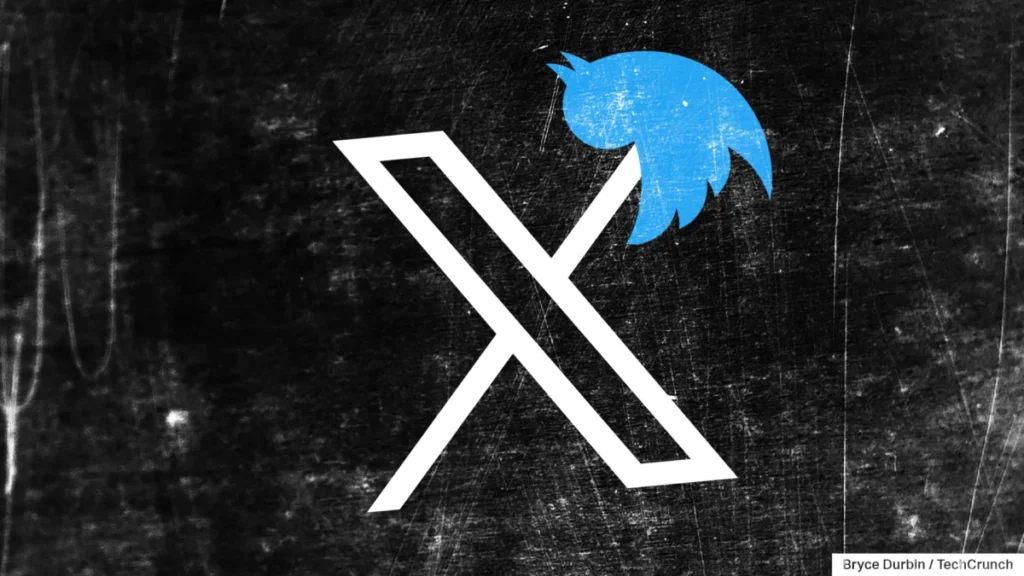
While the court sided with X in preserving its exclusive rights to the name "Twitter," it delivered a stinging blow to the company’s broader IP portfolio. U.S. District Court Judge Colm F. Connolly determined that X has likely abandoned two of its most culturally significant assets: the word "tweet" and the iconic blue bird logo. This decision has sent shockwaves through the tech industry, raising questions about whether a global corporation can simply discard decades of brand equity without losing legal ownership.
A Tale of Two Brands: The Chronology of Conflict
The seeds of this legal conflict were sown in July 2023, when Elon Musk orchestrated the abrupt transformation of Twitter into "X." The move was intended to signal a total pivot toward an "everything app" vision. However, the rebranding was criticized for being haphazard, leaving behind a trail of abandoned trademark applications and unused assets.
Operation Bluebird, founded by attorneys Michael Peroff and Stephen Coates, identified this transition as an opportunity. Recognizing that X Corp. had ceased using the "bird" logo and the verb "tweet" in its official marketing and interface, the duo launched a venture initially branded as "Twitter.now."
The Legal Timeline:
- July 2023: Elon Musk officially rebrands Twitter to X, initiating the phased retirement of the legacy bird logo and the "tweet" nomenclature.
- Late 2025: Operation Bluebird emerges, attempting to register trademarks associated with the abandoned assets.
- December 2025: X Corp. files for a preliminary injunction in the U.S. District Court for the District of Delaware to block the startup from using any marks related to Twitter.
- Early 2026: Judge Colm F. Connolly hears arguments regarding the alleged "abandonment" of the marks.
- August 2026: The court issues its preliminary ruling, barring the use of "Twitter" but authorizing the use of the "tweet" name and the bird logo by the startup, now operating as Tweet.app.
Analyzing the Split Ruling
The court’s decision is rooted in the doctrine of trademark abandonment. Under U.S. law, a trademark owner can lose their exclusive rights if they discontinue use of the mark with an "intent not to resume" such use.
Judge Connolly’s opinion was specific: While X Corp. maintained a valid interest in the name "Twitter," the same could not be said for the bird or the term "tweet." The judge noted that the startup was "likely to succeed in proving both that X Corp. discontinued the bona fide use of the Tweet mark and Bird logo and that it intends not to resume the use of the marks."
For X, the loss of the bird logo—once one of the most recognized icons in the digital landscape—is a symbolic defeat. For the public, the court’s decision validates a sentiment that has persisted since the rebranding: the word "tweet" belongs to the users, not the corporation. As Stephen Coates, president of Operation Bluebird and a former Twitter trademark attorney, put it, "A tweet was never a corporation. It’s one person saying something."
The Ambition of Operation Bluebird: A Social Network or a Legal Play?
The legitimacy of Operation Bluebird as a functional social network remains a point of intense skepticism. The startup’s founders are both legal professionals, and their business model appears heavily reliant on the acquisition and monetization of trademark rights rather than the development of proprietary software.
The "Legal-First" Strategy
The startup’s website makes no secret of its mission. The homepage explicitly frames its existence as a reclamation project, claiming to pick up what Musk "dropped" when he transitioned the town square to X. By charging users $20 to reserve a handle on Tweet.app, the founders have created a revenue stream that effectively crowdsources the legal costs required to defend their position against X’s formidable legal department.
The startup claims to have garnered over 172,000 handle reservations prior to its public launch. While this number is significant, industry observers note that these users are likely driven by nostalgia for the "old" Twitter rather than an organic desire to use a new, unproven platform. Whether Tweet.app can evolve from a legal vehicle into a sustainable social media ecosystem remains the primary question for investors and users alike.
Implications for Corporate Branding and Trademark Law
This case serves as a cautionary tale for any massive enterprise undergoing a drastic rebrand. By abandoning legacy assets, corporations risk creating a "trademark vacuum" that can be exploited by third parties.
The Erosion of Brand Equity
Historically, companies protect their IP with a "defensive" approach, hoarding marks even when they are not in active use. By allowing the "tweet" and bird marks to go unused for an extended period, X provided the legal foundation for Operation Bluebird to argue that the marks were up for grabs.
If this ruling stands, it sets a precedent that could embolden "trademark squatters" to monitor the portfolios of companies that undergo massive pivots. It suggests that if a company wants to kill a brand, it must either continue to use the assets defensively or find a way to formally extinguish the rights in a manner that does not invite claims of abandonment.
The Future of "The Tweet"
The word "tweet" has transcended its corporate origins to become a fixture of the English language. Linguists and cultural historians argue that once a brand name becomes a common verb—like "Googling" or "Xeroxing"—the company’s ability to control its usage diminishes. The court’s decision reflects this reality, acknowledging that the word "tweet" is now a public commodity rather than a proprietary marketing tool.
The Path Forward: What Happens Now?
The battle is far from over. The recent court order is a preliminary injunction, not a final judgment. The case will now proceed to a full discovery phase and trial, where X Corp. will have the opportunity to present evidence that it never intended to abandon the bird or the "tweet" moniker.
For X, the stakes are high. If they lose the final judgment, they will be forced to compete with an entity that carries the exact branding they spent years trying to erase. This would create a confusing marketplace where "X" and "Tweet.app" exist as competing platforms, with the latter potentially benefiting from the legacy infrastructure and user sentiment that X has spent billions of dollars to pivot away from.
For the founders of Operation Bluebird, the strategy is clear: keep the momentum going, build the user base, and leverage the legal victory to establish the platform as the "spiritual successor" to the original Twitter. Whether they have the technical infrastructure to support a platform of that scale is another matter entirely.
Ultimately, this saga underscores a fundamental truth of the digital age: in the world of social media, the platform’s identity is not solely owned by the corporation—it is co-created by the users. While Musk owns the servers and the source code, the culture of "tweeting" is a public asset that may now officially belong to the community, legally protected by the very court system that once shielded the original Twitter.
As the case continues, the tech industry will be watching closely. The outcome will likely influence how major corporations handle the death of legacy brands in the future, ensuring that the next time a tech giant decides to "throw the bird away," they do so with a much clearer understanding of the legal consequences.