In the modern security landscape, the reactive model—waiting for a threat to manifest before responding—is rapidly becoming a relic of the past. As risks evolve in complexity and speed, security leaders across sectors, from global manufacturing to high-stakes international events, are pivoting toward a proactive, intelligence-led operational standard.
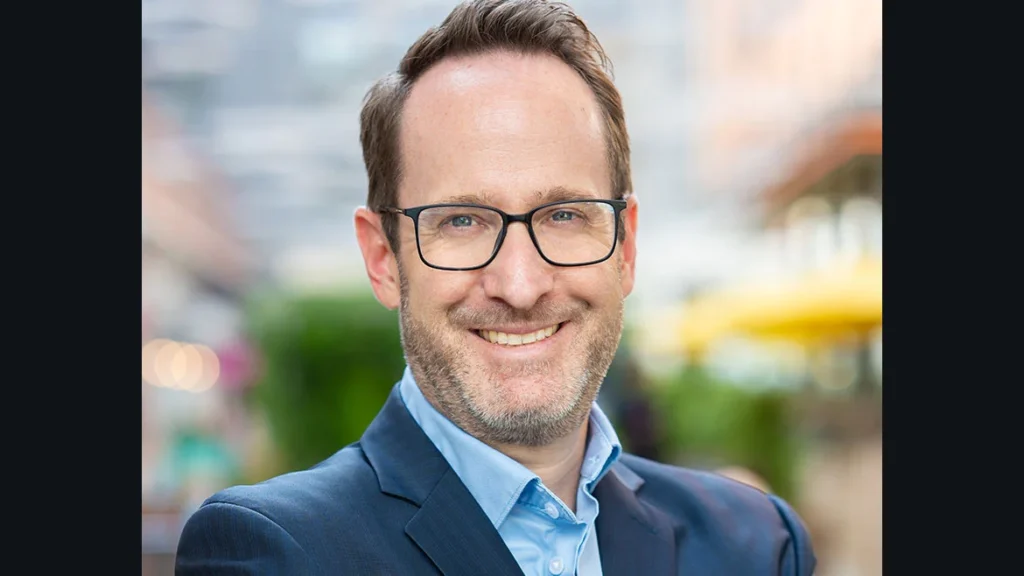
At the forefront of this shift is James Weston, owner of Weston Assurance Core, LLC. With a career spanning the U.S. State Department’s Overseas Security Advisory Council (OSAC), a tenure as Director of Global Security at McDonald’s, and a high-profile role as a Team Base Camp Security Specialist for the FIFA World Cup 2026, Weston has distilled the art of threat mitigation into a precise, intelligence-driven science.
The Core Philosophy: Intelligence as an Operational Engine
For Weston, an intelligence-led security program is not merely a department that watches the news; it is a holistic architecture where every subfunction is tasked with monitoring threats, tracking organizational assets, and informing stakeholders through a defined, consistent set of parameters.
"This must start with understanding the questions your leadership expects you to answer and having the sources and resources to repeat that delivery every time you’re asked," Weston explains. He cautions against the "one-size-fits-all" trap that plagues many corporate security initiatives. Drawing from his experience with the diverse portfolio of companies at the State Department, he emphasizes that intelligence must be tailored to the specific business context.
Building from the Ground Up
If Weston were to architect a new security program, his first step would not be buying software or hiring guards. Instead, he would initiate a deep-dive consultation with executive leadership. "I would ask stakeholders what decisions they are making in the next 12 months," he notes. "We talk through their assumptions to really understand information gaps."
From these discussions, security leaders can draft Priority Intelligence Requirements (PIRs) and Essential Elements of Information (EEIs). By validating these with the team, the security function stops being a cost center and becomes a strategic advisor, providing the board with the data needed to make informed risk-based decisions.
Chronology of an Intelligence-Led Evolution
The transition to intelligence-led security has not happened overnight. It is the result of decades of pressure to optimize resources and mitigate global volatility.
- Pre-2010s: The "Guard and Gate" Era. Security was predominantly focused on physical barriers and perimeter defense. Intelligence was often siloed within government agencies.
- 2010–2018: The Integration Phase. Corporate security leaders began adopting business intelligence tools, shifting focus toward threat monitoring and early warning systems.
- 2019–Present: The Strategic Alignment Era. Security is now integrated into the boardroom. Leaders like Weston advocate for intelligence to dictate the entire lifecycle of risk, from travel security to supply chain resilience.
Supporting Data and the "Litmus Test"
A common challenge for security teams is the "noise" of the 24-hour news cycle. How does a team know if their intelligence is actually valuable? Weston provides a clear litmus test: the quality of stakeholder feedback and the team’s focus.
"If your teams are getting bogged down by the ‘flavor of the day’ geopolitical situation, you are not focused on what the business needs," he says. True intelligence-led security requires the discipline to ignore irrelevant global headlines to focus on the specific variables that impact the company’s bottom line. If the intelligence provided does not result in a tangible, actionable change in decision-making, it is merely data, not intelligence.
Lessons from the Pitch: The FIFA World Cup 2026
Weston’s recent experience at the FIFA World Cup 2026 provides a masterclass in how these high-level principles apply in high-pressure environments. Serving as a Team Base Camp Security Specialist for the Croatian delegation, Weston observed the intersection of elite physical performance and rigorous security discipline.
The Elite Performance Framework
"Elite athletes focus at elite levels," Weston notes. During his time with the Croatian team, he witnessed a level of off-pitch discipline that perfectly mirrored their on-pitch success. Despite the grueling heat and humidity of Alexandria, Virginia, the team adhered to an unwavering routine. They trained at 6 p.m. regardless of weather, maintained strict nutritional and sleep protocols, and eliminated every unnecessary distraction.
The Security Professional’s Role
In this environment, Weston’s job was to "minimize risk and enable success." By securing transport, preventing unauthorized access, and insulating the athletes from public disruption, he allowed the team to maintain their "flow state."
This creates a direct parallel to the corporate world. Just as the athletes had a dedicated entourage—coaches, chefs, and publicists—to remove obstacles, the security lead must act as an enabler for the business. "For every superstar player, there is someone off the pitch you don’t see who is contributing to that success," Weston reflects. In the corporate setting, the "superstar" is the company’s ability to conduct business, and the "entourage" is the security department, working behind the scenes to ensure the operation remains undisturbed.
Implications for Corporate Security Programs
The implications of Weston’s approach are transformative. For organizations looking to mature their security posture, the transition involves three critical shifts:
1. From Reactive to Predictive
Organizations must move away from the "incident-response" mindset. Instead of waiting for a security event, leaders should focus on identifying the indicators that precede an event. This requires a robust intelligence pipeline that is constantly feeding data into the risk assessment model.
2. Prioritization as a Cultural Pillar
Weston points out that the Croatian team’s success was rooted in their ability to eliminate everything that detracted from their goal. Corporate security departments must do the same. This means having the "stop/start" discussions with leadership to discontinue legacy security practices that no longer provide value, reallocating those resources to higher-priority threats.
3. The "Unseen" Contributor Model
Security leaders must redefine their value proposition. The goal of a successful security program is often for "nothing to happen." When the security team is effective, the business performs as expected, and the security measures themselves become invisible. This requires a shift in how security teams communicate their worth to the C-suite—moving from reporting on "incidents stopped" to "business outcomes enabled."
Conclusion: The Future of Security Leadership
The convergence of physical and digital threats, coupled with an increasingly volatile global economy, means that security can no longer be an afterthought. By adopting an intelligence-led strategy, security leaders can provide the stability necessary for their organizations to compete at an elite level.
James Weston’s philosophy serves as a blueprint for this new reality. It is a philosophy that demands discipline, deep engagement with organizational goals, and the courage to focus only on what matters. As businesses navigate the uncertainties of the coming years, those that treat security as a strategic enabler—supported by a robust intelligence engine—will be the ones that, like the elite athletes of the World Cup, continue to perform at their best, regardless of the conditions on the pitch.
About the Author
Rachelle Blair-Frasier is Security magazine’s Editor in Chief. With over 15 years of experience in journalism and B2B writing, she specializes in physical security, risk management, and emerging industry trends. Her work provides a critical link between security practitioners and the evolving technological landscape.