The Metropolitan Museum of Art, a cornerstone of global cultural heritage, finds itself embroiled in a deepening institutional crisis. The source of the controversy is the Costume Institute’s decision to dedicate its prestigious spring 2026 exhibition to the career of fashion designer John Galliano. While Galliano is widely regarded as one of the most visionary couturiers of the modern era, his legacy is irrevocably stained by a 2011 hate crime conviction in France for a series of antisemitic and racist tirades.
As the date for the exhibition—and its accompanying star-studded Met Gala—approaches, the museum is facing mounting pressure from high-profile donors, political figures, and community leaders who argue that the tribute represents a profound moral lapse. The situation has intensified due to a calendar coincidence: the 2026 Met Gala is scheduled to take place on May 11, which falls on Yom HaShoah, or Holocaust Remembrance Day.
The Nexus of Controversy: Artistry vs. Accountability
The decision to honor John Galliano has reignited a fierce debate over the separation of the artist from their personal conduct. Galliano, who served as the creative director of Maison Margiela from 2014 until 2024, is celebrated for his theatrical, avant-garde designs that pushed the boundaries of the medium. However, the shadow of his past remains long. In 2011, he was found guilty by a French court of uttering antisemitic insults in a Paris café, an incident captured on video that eventually led to his dismissal from Christian Dior and a period of professional exile.
While Galliano has since apologized, sought treatment for substance abuse, and undergone a period of public and professional redemption, many critics argue that the Met—a public-facing institution of the highest caliber—should not be in the business of celebrating a figure whose public record includes such egregious hate speech. The convergence of this exhibition with Yom HaShoah has transformed the debate from a matter of artistic curation into a sensitive issue of institutional integrity and social responsibility.
A Chronology of the Escalation
The friction surrounding the exhibition has been building since the July announcement of the show.
- July 2025: The Metropolitan Museum of Art announces that the Costume Institute’s spring 2026 exhibition will focus on the work of John Galliano.
- Late Summer 2025: Behind-the-scenes unease begins to percolate among the museum’s inner circle. Donors and stakeholders quietly express their concerns to the curatorial team and executive leadership.
- August 2026: A New York Times investigation brings the private dissent into the public sphere, revealing that influential patrons, including Pace Gallery founder Arne Glimcher, have threatened to withdraw financial and collection support if the museum proceeds as planned.
- Current Status: The museum continues to navigate a path between honoring its curatorial vision and addressing the vocal opposition from figures like Elisha Wiesel and City Council Speaker Julie Menin.
The Donor Revolt: Arne Glimcher and Beyond
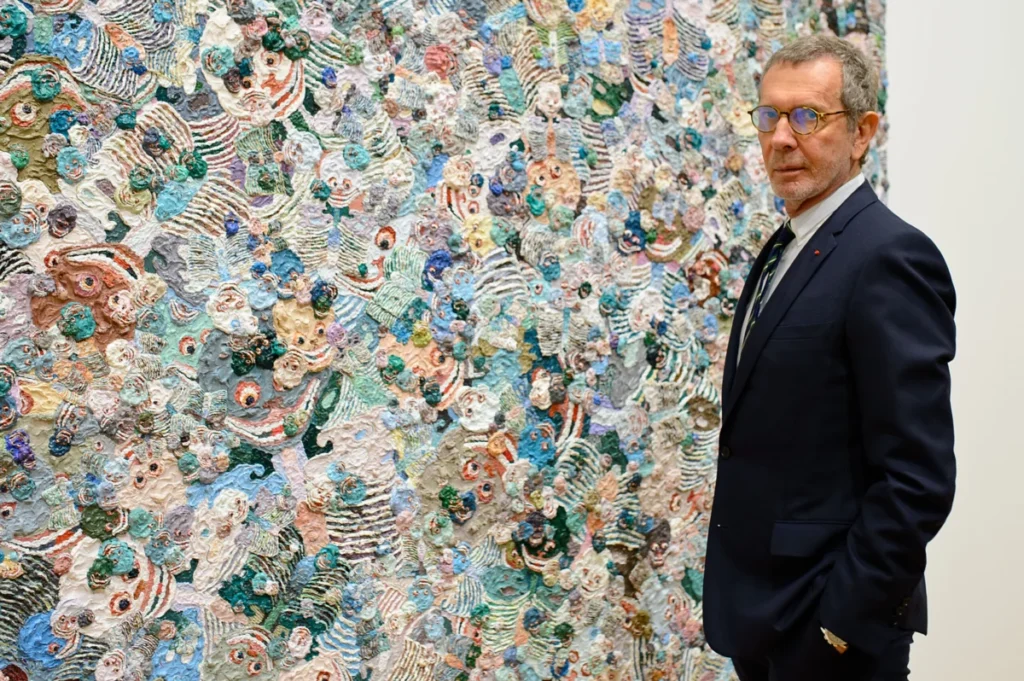
The most significant threat to the Met’s position comes from within its own ranks of benefactors. Arne Glimcher, a legendary figure in the art world and the founder of Pace Gallery, has emerged as a central voice of dissent. Glimcher, who has a long history of gifting significant works to the museum—including pieces by Agnes Martin, Mark Rothko, and Lucas Samara—sent a pointed email to David Breslin, the Met’s curator in charge of modern and contemporary art.
"I don’t think you have considered the cost of this action and its reverberations to come," Glimcher wrote, according to the Times. He further signaled his intent to reconsider future testamentary gifts, casting doubt on the long-term pipeline of art donations that keep the Met’s collection at the forefront of the art world.
The weight of this dissent is substantial. Glimcher’s influence, combined with the public stance of Elisha Wiesel—daughter of the late Nobel Laureate and Holocaust survivor Elie Wiesel—has turned the exhibition into a lightning rod for the broader art community. Wiesel’s blunt characterization of the show as a "pretty bad idea" encapsulates the emotional and ethical dissonance felt by those who believe the museum is ignoring the weight of historical trauma.
Political and Social Pressure
The criticism is not limited to the donor class. New York City Council Speaker Julie Menin has formally engaged with the issue, addressing a letter to Met director Max Hollein, Costume Institute head Andrew Bolton, and Vogue editorial director Anna Wintour. Menin’s correspondence characterizes the decision to host the exhibition as a "serious mistake."
The involvement of Anna Wintour adds another layer of complexity. As the architect of the modern Met Gala and a long-time champion of Galliano’s career, Wintour’s reputation is inextricably linked to the success of this project. Her dual role as a cultural gatekeeper and a primary orchestrator of the museum’s most profitable night of the year places her at the heart of the storm.
Official Responses and Institutional Stance
In the face of the mounting backlash, the Metropolitan Museum of Art has adopted a defensive, albeit cautious, posture. In a statement provided to the press, Max Hollein attempted to reassure stakeholders of the museum’s values.
"The Met has no tolerance for antisemitism, racism or prejudice of any kind," Hollein stated. "We are in close consultation with Jewish leaders and other stakeholders, and we take the concerns we’ve heard very seriously."
Behind closed doors, the museum’s board is actively debating the implications of the show. Not all members are in favor of yielding to the pressure. Andrew Solomon, a prominent board member, offered a counter-argument to the chorus of criticism, suggesting that the museum should remain steadfast in its curatorial autonomy. "Confronting cancel culture is a healthier way to go forward than bowing to it," Solomon told the Times.
This divide within the board highlights a fundamental struggle within contemporary cultural institutions: should they serve as bastions of absolute creative freedom, or are they duty-bound to reflect the evolving moral sensibilities of the public they serve?
Implications: The Future of Curatorial Autonomy
The Galliano exhibition serves as a microcosm of the challenges facing large-scale institutions in the 21st century. The tension here is not merely about the designer; it is about the "cost" of curation.
1. The Financial Risk
If major donors follow through on threats to rescind promised gifts, the financial and collection-based repercussions could be severe. The Met relies heavily on the generosity of private collectors to fill gaps in its inventory. A precedent of "donor-veto" power could fundamentally alter the museum’s relationship with its benefactors.
2. The Reputational Risk
The alignment of the Met Gala with Holocaust Remembrance Day is a public relations nightmare that even the most sophisticated crisis management teams would struggle to mitigate. By failing to account for the calendar, critics argue the museum has signaled a lack of cultural sensitivity that is difficult to walk back.
3. The Moral Obligation
The core of the issue remains the museum’s role as a public trust. Can an institution that claims to educate and enlighten justify a celebratory exhibition for a man who famously declared his love for Hitler? While the museum argues for the importance of the work itself, the public is increasingly demanding that the institutions they frequent align with their moral values.
Conclusion
As the Met approaches the spring of 2026, the question is whether it will modify its plans, move the date of the gala, or proceed with the exhibition in its original form, risking further alienation of its donor base and the public. The saga of the Galliano show has already proven that in the modern era, no exhibition exists in a vacuum. Art, no matter how beautiful or groundbreaking, is constantly measured against the ethics of its creators—and the institutions that choose to put them on a pedestal.
For the Metropolitan Museum of Art, the next few months will be a test of whether it can maintain its status as a global leader while navigating the treacherous intersection of high fashion, historical pain, and the shifting expectations of the society that sustains it.