Introduction: A New Chapter in American Utility
Since assuming his role as Executive Vice President and Creative Director of Gap Inc. in February 2024, Zac Posen has orchestrated a significant cultural and aesthetic pivot for the heritage brand. On Friday, the company unveiled its highly anticipated GapStudio Fall 2026 collection—a 20-piece wardrobe that bridges the gap between high-fashion craftsmanship and the accessible American staples that defined the brand’s original identity.
Priced between $34 and $198, the collection represents more than just a seasonal drop; it is a declaration of intent. By marrying industrial utility with sophisticated, modern construction, Posen is attempting to reclaim Gap’s position at the vanguard of the global style conversation.

Main Facts: The Fall 2026 Collection
The Fall 2026 GapStudio collection is a masterclass in “elevated essentials.” Designed to be both functional and fashion-forward, the line features a curated selection of men’s and women’s apparel that leans heavily into the brand’s core fabrications: denim, khaki, and shirting.
Key Highlights:
- Design Philosophy: Posen describes his approach as an exploration of the "origins of American utility," moving away from nostalgia and toward a forward-thinking aesthetic.
- The "Denim Head" Pivot: Central to the collection is a deep dive into indigo. Posen emphasizes sculptural denim layers that utilize complex construction techniques rather than superficial, topical embellishments.
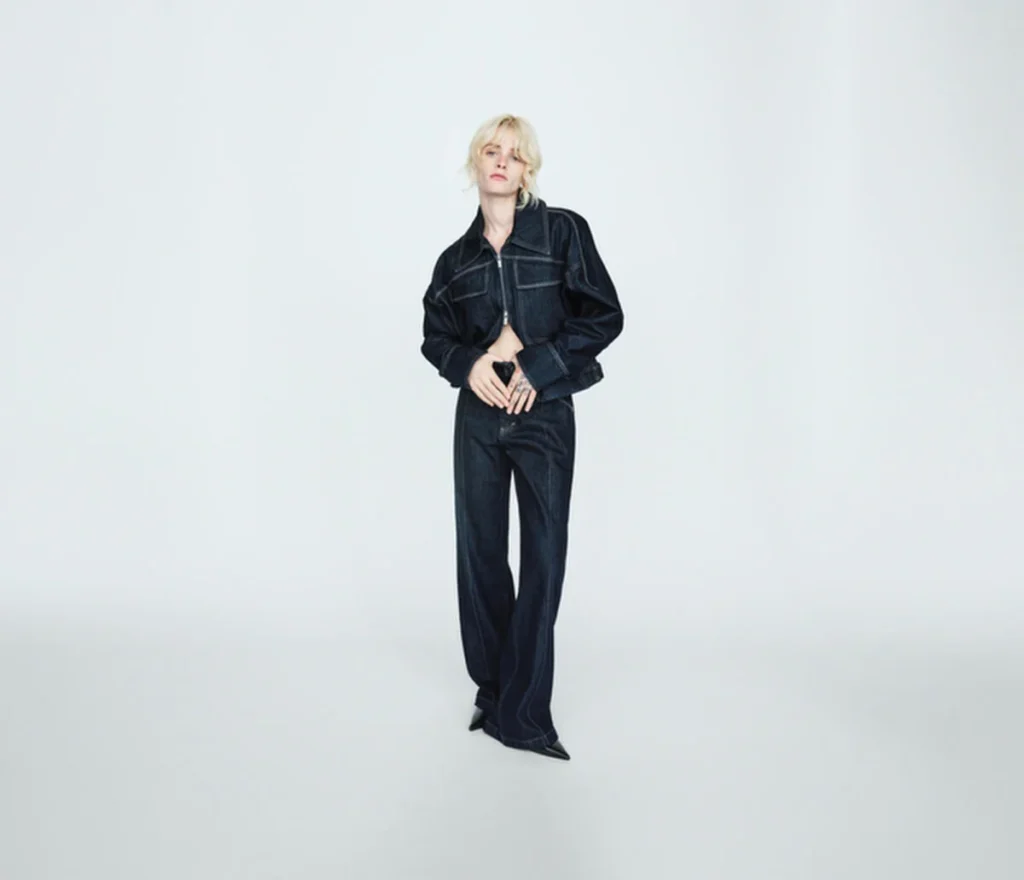
- Key Pieces: The collection includes standout items such as a double-pocket denim jacket paired with pintuck jeans, a green herringbone peacoat with matching pleated parachute pants, and a vibrant indigo crop canvas jacket.
- Accessibility: The line is available globally via Gap’s e-commerce platform and Zalando. Brick-and-mortar availability is exclusive: women’s styles are in 20 select stores worldwide, while men’s offerings are limited to three flagship locations: Flatiron (New York), Chestnut Street (San Francisco), and The Grove (Los Angeles).
Chronology: From Custom Ateliers to Global Shelves
The path to this collection was paved by a series of high-profile "cultural moments" that allowed Posen to test his design theories before scaling them for a mass-market audience.

- February 2024: Zac Posen joins Gap Inc., signaling a high-end shift for the brand through the creation of the "GapStudio" segment.
- May 2024 (The Met Gala): Posen debuts custom GapStudio gowns for high-profile celebrities, including Da’Vine Joy Randolph and Anne Hathaway, generating massive social media buzz and establishing the brand’s potential for formal elegance.
- 2025–2026: Posen continues to dress a roster of A-listers, including Timothée Chalamet, Charli XCX, and Kendall Jenner. These bespoke designs serve as the "laboratory" where Posen experiments with construction, seaming, and fabric manipulation.
- February 2026: Leon Thomas performs at the Grammy Awards wearing a custom asymmetric denim jacket and utility jeans. This piece is so successful that it is later translated directly into the Fall 2026 consumer collection.
- August 2026: The official launch of the Fall 2026 collection, marking the transition of "runway-inspired" techniques into the everyday wardrobe of the Gap customer.
Supporting Data: Crafting the Aesthetic
The construction of the Fall 2026 collection is a departure from traditional, mass-produced basics. Posen has leveraged his background in haute couture to bring a "dandyism" to standard American menswear and womenswear.
The Construction Process
Posen notes that the "ateliers" are the heartbeat of the brand. By experimenting with archival Gap pieces—such as the classic T-shirt or the poplin shirt—his team has developed techniques that allow for a "trompe l’oeil" effect in jersey and fleece. These aren’t just clothes; they are engineered garments.

"I wanted to work with the fundamental, core Gap and iconic American materials that the men’s customer is familiar with and raised in," Posen stated. By injecting nuanced pocket placements and oversized proportions that reflect current street-fashion trends, he has managed to create pieces that feel fresh without alienating the legacy consumer.
The Campaign
The imagery for the collection, shot by Daniel Jackson with creative direction from Posen and image direction from Alastair McKimm, focuses on "attitude, silhouette, and physicality." Featuring brand friends like Esther McGregor and Alton Mason, the campaign utilizes a stripped-back, neutral environment that forces the viewer to look at the garment’s construction rather than the setting.

Official Responses: Leadership and Strategy
The success of GapStudio is attributed to a rare synergy between creative vision and corporate support. Posen credits Gap Inc. CEO Richard Dickson and global brand CEO Mark Breitbard for their "unwavering belief" in a strategy that prioritizes quality and artistic risk-taking.
Posen’s Leadership Perspective
"I have a unique position within the company as I represent the creative community," Posen explained. He describes his role not as a dictator of every sketch, but as a "creative partner" who provides a protective umbrella for the brand’s design teams. By fostering constant dialogue between his team and Jane Pattinson, the SVP of global design, Posen has created a "symbolic dialogue" that ensures the brand stays true to its identity while evolving its scope.

"Moving a company this size does not happen overnight," Posen remarked. "It happens in stages. We’ve laid the foundation, and now we are showing people that this is a lifestyle they want to live in."
Implications: The Future of Gap Inc.
The introduction of the Fall 2026 collection serves as a case study for how legacy brands can reinvent themselves without abandoning their heritage. By successfully merging the worlds of red-carpet celebrity dressing with the pragmatic utility of denim and khaki, Posen has defined a new tier for the company.

A Transformation in Stages
The implications for the broader retail industry are significant. Posen’s "product-first" mantra highlights a growing trend among heritage retailers: the need to be "agile, fluid, and mobile."
- Cultural Capital as Strategy: By using custom designs to build "proof points," Posen has proven that high-end design can inform mass-market success. The transition of the Leon Thomas Grammy-look into a commercial item is the ultimate validation of this model.
- The "Dandyism" of Essentials: The collection challenges the idea that "basics" must be boring. By applying couture-level attention to the "heaviest weight oversize T-shirt" or the "pleated parachute pant," GapStudio is positioning itself as a leader in the "elevated everyday" category.
- Future Outlook: As the brand moves through this "amazing moment of transformation," the focus remains on long-term sustainability and the continued investment in American craft. Posen’s tenure has effectively changed the internal culture at Gap, moving it toward a more collaborative and experimental environment.
Conclusion
As the industry watches the reception of the Fall 2026 line, it is clear that GapStudio is no longer just an experiment. It is the new face of the company—a brand that respects the history of the American essential while aggressively pursuing the future of design. For Zac Posen, the journey is only beginning, but the blueprint for the next generation of Gap is now firmly in place: one of craft, community, and an unwavering commitment to the perfect silhouette.

"Product first, always," Posen concluded. "That is how we build the future."