In the high-stakes world of global luxury, the throne is rarely occupied for long. Yet, according to The RealReal’s highly anticipated 2026 Resale Report, one French maison has managed to hold the collective imagination of the secondary market with a grip that remains both relentless and remarkably consistent. Chanel, the titan of Parisian chic, has been crowned the most-searched brand on the platform this year, signaling that despite shifting trends and a volatile global economy, the allure of the double-C remains the ultimate North Star for fashion investors and enthusiasts alike.
However, the report reveals that this dominance is not merely a product of heritage; it is a manifestation of the "Creative Director Effect." As the industry undergoes a period of significant leadership transitions, the influence of those at the helm has never been more palpable. From astronomical surges in search volume for specific designers to the profound shift toward vintage appreciation, the 2026 data paints a portrait of a consumer base that is more informed, more strategic, and more obsessed with the narrative behind the garment than ever before.
The Creative Director Effect: A New Era of Influence
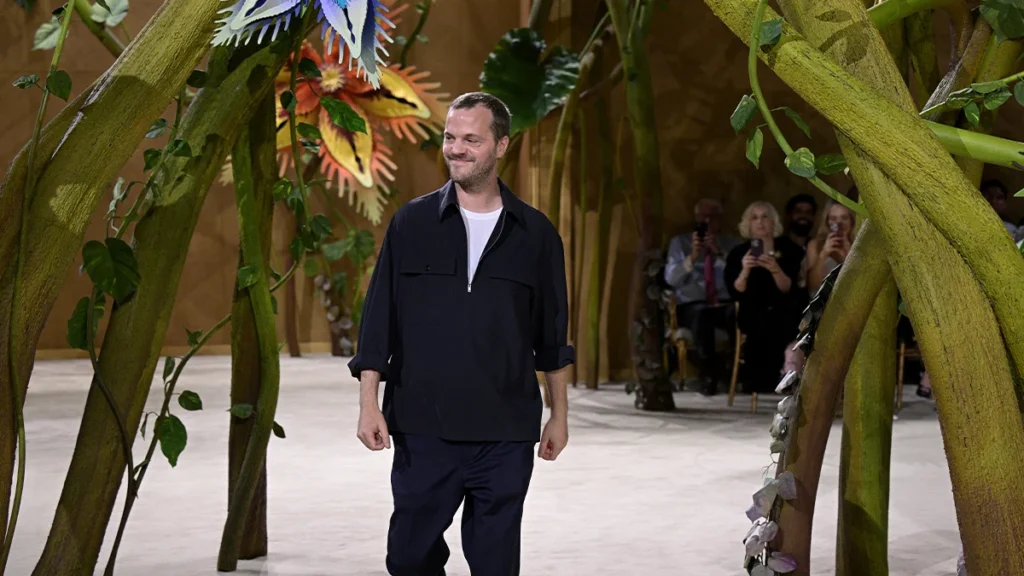
While the brand name may draw the initial click, the creative director is increasingly the catalyst for the conversion. Perhaps the most staggering statistic in the 2026 Resale Report is the 10,967 percent surge in searches for Matthieu Blazy. Since joining his current house in late 2024, Blazy has orchestrated a creative renaissance that has transcended the runway, infiltrating the resale market with unprecedented velocity.
This phenomenon is not isolated to a single house. The industry is currently witnessing a realignment of power, where the appointment of a new visionary triggers an immediate "hunt" for their specific aesthetic fingerprints. Sarah Burton’s arrival at Givenchy has sparked a 243 percent increase in interest, while Jonathan Anderson’s influence at Dior has driven a 158 percent uptick in searches for the brand.
For the modern consumer, the creative director is no longer just a designer; they are an investment asset. When a designer with a strong cult following joins a storied house, the market reacts by vacuuming up both their new-season collections and their past work, creating a secondary-market frenzy that benefits both the platform and the brand’s long-term equity.
Chronology: The Evolution of the Secondary Luxury Market
To understand the current state of luxury resale, one must look at the trajectory of the last decade. The transformation of the secondhand market from a niche hobby for bargain hunters to a sophisticated pillar of the global luxury economy has been a gradual, yet seismic, shift.
- 2016–2019: The Foundation of Value. During this period, the resale market began to mature. Consumers started to view iconic bags not merely as accessories, but as stores of value. Fendi’s Baguette, for instance, began its steady climb in average sales price, jumping from a modest $294 to significantly higher valuations as it re-entered the cultural zeitgeist.
- 2020–2023: The Vintage Explosion. The global lockdowns acted as a catalyst for online discovery. With more time to research, consumers developed a penchant for "archival" pieces. The RealReal reported that demand for items considered "vintage"—those 15 or more years old—skyrocketed by 432 percent. This era solidified the idea that age, rather than detracting from value, could actually enhance it.
- 2024–2026: The Creative Renaissance. This current chapter is defined by the high-profile migration of creative talent. The industry saw a wave of talent shifts that fundamentally altered consumer behavior. The focus has moved from "buying a brand" to "buying a vision," with shoppers tracking their favorite designers across different houses.
Supporting Data: By the Numbers
The 2026 Resale Report provides a granular look at the brands and items dominating the current landscape. While Chanel sits at the apex of the pyramid, the broader hierarchy of desire is clear:

The Top 10 Most-Searched Brands
- Chanel
- Louis Vuitton
- Prada
- Gucci
- Miu Miu
- The Row
- Hermès
- Saint Laurent
- Bottega Veneta
- Balenciaga
Beyond the brand list, the appreciation of specific "it" items remains a key indicator of market health. The Gucci Jackie bag has evolved from a $260 average resale price in 2016 to a robust $1,110 today. Such data serves as a stark reminder that luxury goods, when chosen with foresight, can outperform traditional investments.
The report also highlights a shift in aesthetic trends, specifically the "Belle Époque revival." The influence of Blazy and Anderson has trickled down to consumer preferences, with shoppers actively seeking out drop-waist silhouettes and rich, textural fabrics—styles that mirror the recent runway offerings of these high-profile houses.
Official Responses and Market Analysis
Industry analysts and platforms like The RealReal have been quick to interpret these findings as a sign of "conscious consumerism." In a statement accompanying the report, market experts noted that the shift is driven by a combination of sustainability concerns and financial literacy.
"The consumer is no longer just buying a product; they are participating in a cyclical ecosystem," says one industry observer. "When 47 percent of our users are considering the resale value of an item before they even make the purchase, it tells us that the secondary market is no longer an afterthought. It is a fundamental part of the shopping experience."
This proactive approach to purchasing—often referred to as "investment dressing"—is supported by the staggering performance of blue-chip assets like the Hermès Birkin, which has seen a 92 percent appreciation in the resale market over the last decade. Such numbers provide the "official" validation that luxury fashion is a legitimate asset class, a fact that major fashion houses are now incorporating into their own retail and marketing strategies.
Implications: The Future of Luxury
What does this mean for the future of the industry? Several critical implications arise from the 2026 data:
1. The Death of the "One-Off" Purchase
The era of buying a bag solely for the season is waning. The modern consumer is a curator. They are looking for pieces that hold or gain value, whether it is a vintage archival piece or a current-season item from a high-growth designer. This places immense pressure on brands to maintain both quality and creative relevance.

2. Digital-First Consumption
With 93 percent of American customers opting to source their luxury goods via online resale platforms, the traditional brick-and-mortar flagship is no longer the sole arbiter of luxury status. The digital marketplace offers a level of data transparency—price histories, rarity, and provenance—that physical stores simply cannot match.
3. The Designer as the Primary Value Driver
Brands must be aware that their reputation is tethered to their creative direction. The "Creative Director Effect" means that a brand’s resale value can fluctuate wildly based on the public perception of the person in charge. We are seeing a market that is deeply reactive; if a designer fails to capture the public’s imagination, the secondary market value of their collections—both past and present—can suffer immediately.
4. The Sustainability Loop
While financial gain is a major driver, the environmental aspect cannot be ignored. The 432 percent increase in demand for vintage goods suggests that consumers are finding both style and moral satisfaction in the circular economy. Luxury brands that embrace their own history and facilitate the resale of their products are increasingly seen as the leaders in this space.
Conclusion: A Sophisticated Market
As we look toward the remainder of 2026 and beyond, the luxury market is clearly undergoing a transformation toward greater complexity. It is no longer enough for a brand to rely on a recognizable logo. Today’s luxury consumer is a researcher, a collector, and a savvy investor.
The dominance of Chanel, combined with the explosive growth of brands like The Row and Miu Miu, underscores a market that values both timeless heritage and avant-garde vision. As the lines between primary retail and secondary resale continue to blur, the brands that succeed will be those that view their own history as an asset and their future creative direction as the engine of their long-term value. For the consumer, the message is clear: the most fashionable choice is also the most calculated one.