The athletic retail sector is currently navigating a period of profound transformation, characterized by shifting consumer tastes, an aggressive promotional environment, and the sobering reality of corporate restructuring. As Dick’s Sporting Goods navigates these choppy waters, the company’s recent performance serves as a bellwether for the broader footwear industry. While the retailer reported a solid 5% increase in comparable sales, the underlying narrative is one of a turbulent "reset" in the lifestyle sneaker market—a sector currently grappling with oversupply and a dramatic cooling of demand for legacy silhouettes.
The State of the Market: A Promotional Tsunami
The promotional environment in athletic footwear has reached an intensity rarely seen in recent years. According to Dick’s Sporting Goods Executive Chair Ed Stack, this heightened discounting is not a transient blip but a structural reality that will persist through the remainder of the fiscal year.
"We’re going through that with these legacy silhouettes, the new styles of shoes that are coming out from brands across the board—whether it be Nike, whether it be Adidas, whether it be On, Hoka—we’re going through that reset right now," Stack explained during a Tuesday conference call with analysts.
This reset is fundamentally about a shift in consumer preference. For years, the market was dominated by a specific aesthetic—the classic lifestyle sneaker. However, as those styles reach a saturation point, retailers are being forced to slash prices to move aging inventory, creating a "race to the bottom" that is putting significant pressure on gross margins.
Chronology of the Shift: From Performance to "Brown Shoes"
The transition in the footwear market did not happen overnight, but its impact is now being felt across every tier of retail.
- Early 2024: Retailers began noticing a plateau in the growth of core lifestyle sneaker franchises. While performance and running shoes continued to show resilience, the "fashion-forward" athletic segment began to stagnate.
- Q2 2024: The shift became unmistakable. Consumers began moving away from the "athleisure" standard and toward what industry insiders have dubbed the "brown shoe" trend. This category encompasses brands like Ugg and Birkenstock, which have seen explosive growth in recent months.
- Late Q2/Early Q3: Dick’s Sporting Goods, despite its broad product assortment, began reporting the necessity of increased markdowns to clear the backlog of legacy sneaker inventory.
- Current Outlook: The industry is currently in the "reset" phase. Retailers are recalibrating their inventory mix, moving away from sneaker-heavy portfolios to incorporate the emerging demand for comfort-first, non-athletic footwear.
Supporting Data and Financial Performance
Dick’s Sporting Goods’ second-quarter financial results provide a detailed look at the health of the retail sector. While the 5% rise in comparable sales is an accomplishment in a difficult retail climate, the company’s outlook has been tempered by the reality of the market.
Margin Compression
The company has revised its full-year operating margin guidance downward, moving from a previous expectation of 11% to 11.4% to a more conservative range of 10.6% to 10.9%. This adjustment reflects several headwinds:
- Promotional Intensity: The need to clear legacy sneaker stock is directly eroding gross margins.
- Macroeconomic Pressures: Chief Financial Officer Navdeep Gupta highlighted that rising fuel prices and increased supply chain costs are exerting additional downward pressure on the bottom line.
- Inventory Management: As the company works through the transition period, the cost of managing a diverse, shifting inventory mix has increased.
Despite these challenges, the company remains structurally sound due to its diversified business model. Unlike smaller, sneaker-only retailers, Dick’s benefits from a wide range of categories, from camping and fitness equipment to team sports, which helps insulate the business from the volatility of the fashion-driven footwear market.
The Foot Locker Conundrum: A Strategic Misstep?
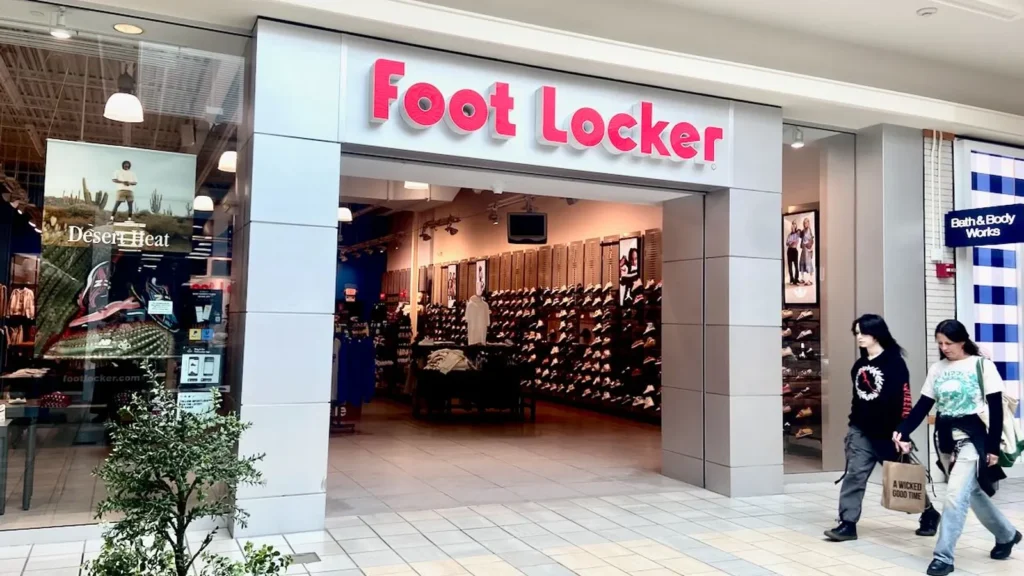
The most contentious element of the recent earnings discussion involves Foot Locker. Dick’s investment in the chain, which was intended to bolster its position in the athletic footwear space, is now being viewed with increasing skepticism by the analyst community.
The "Regret" Narrative
Executives admitted that Foot Locker’s struggles, particularly in the European market, caught them off guard. While Ed Stack maintained that the company remains confident in the long-term potential of the chain, the market response has been far more cynical.
John Zolidis, president and founder of Quo Vadis Capital, was particularly vocal in a Tuesday research note. "Sadly, the best path may be to admit the mistake now and write-off the entire chain," Zolidis wrote. He pointed to several structural issues that complicate any potential turnaround, including:
- Overlapping Banners: The complexity of managing multiple, redundant store brands in the same markets.
- Vendor Dependence: A lingering over-reliance on a single, struggling vendor, which limits the chain’s agility in a changing market.
- Real Estate Exposure: The reliance on aged, mall-based real estate, which is seeing diminishing foot traffic.
- Consumer Cohort: A heavy exposure to lower-income consumers who are disproportionately affected by inflationary pressures and rising interest rates.
Stack’s response to these critiques was that it is still "early innings" for the turnaround. However, for investors, the concern remains that Dick’s may be forced to divert significant capital—funds that could be used for its own core growth—to rehabilitate a chain that may be fundamentally misaligned with modern consumer shopping habits.
Implications for the Future of Retail
The "sneaker reset" has far-reaching implications for the entire industry.
1. The Death of the "One-Size-Fits-All" Inventory
Retailers can no longer rely on a small handful of core sneaker styles to drive the bulk of their revenue. The rise of the "brown shoe" category proves that the modern consumer is looking for versatility and comfort, often outside the traditional athletic sphere. Retailers who successfully pivot to a more eclectic mix—incorporating performance, outdoor, and lifestyle categories—will be the ones that survive the current margin crunch.
2. The Dangers of Mall-Based Real Estate
The ongoing struggles of legacy retailers like Foot Locker highlight the declining relevance of the traditional suburban mall. As consumers demand more experiential retail and greater convenience, stores tethered to declining mall traffic are finding themselves in a structural hole that no amount of marketing can fix.
3. Margin Discipline
The era of "growth at all costs" in the sneaker space has ended. The current market demands extreme inventory discipline. Retailers who fail to read the signal on legacy silhouettes will continue to see their margins eroded by markdowns. The companies that will thrive in 2025 are those that have already begun the transition to a more agile, data-driven inventory strategy.
Conclusion: A Pivot Point
Dick’s Sporting Goods finds itself at a critical pivot point. Its ability to generate growth across categories like the 2026 FIFA World Cup merchandise and its expansion into new footwear brands suggests that the core business is robust. However, the shadow cast by its Foot Locker acquisition and the ongoing margin pressure from the sneaker reset indicates that the next few quarters will be defined by austerity and difficult decisions.
As Ed Stack and his team work to navigate this "reset," the industry will be watching closely. Whether this period is remembered as a necessary correction that paved the way for a more efficient business model, or as the start of a long, painful decline for the traditional athletic retailer, remains to be seen. One thing is certain: the consumer is moving on, and the retailers who stand still will be left holding the stock of yesterday’s trends.