Vancouver, B.C. – Riverside Resources Inc. [RRI-TSXV, RVSDF-OTCQB, 5YY-FSE] has signaled a new phase of development for its Revel Carbonatite Rare Earth Element (REE) project in British Columbia, announcing the execution of a definitive option agreement with a private B.C.-based entity. This strategic move, designed to advance the undrilled project while preserving long-term upside for Riverside shareholders, has been met with immediate investor enthusiasm, driving the company’s share price up 8.2% to 39.5 cents.
The agreement marks a pivotal shift in the lifecycle of the Revel Project, moving it from a greenfield discovery phase toward systematic exploration and potential drill testing, all while being bankrolled by an external partner.
Main Facts: The Anatomy of the Deal
Under the terms of the agreement, the unnamed private optionee has been granted the right to acquire a 100% interest in the Revel Carbonatite Project. To finalize this acquisition, the optionee must meet a structured series of financial and exploration milestones over a five-year period.
The deal is underpinned by two core requirements:
- Cash Consideration: A total of $450,000 in cash payments to Riverside.
- Exploration Expenditure: A commitment to invest $2.2 million in exploration activities on the property within the five-year term.
Should the optionee fail to fulfill these obligations, the project—and all data generated during the tenure—reverts to 100% ownership by Riverside. This "de-risking" strategy allows Riverside to maintain a lean operational profile while benefiting from the technical advancement of the asset.
Furthermore, the deal preserves Riverside’s long-term exposure to the project’s success. Upon the exercise of the option, Riverside will retain a 3.0% Net Smelter Return (NSR) royalty on all future commercial production. To ensure flexibility for the developer, the contract includes sophisticated buy-down provisions:
- First Buy-Down: The optionee may purchase 0.5% of the NSR for US$1.0 million at any time prior to 2033, reducing the royalty to 2.5%.
- Second Buy-Down: Contingent upon the first buy-down, the optionee may purchase an additional 1.0% of the NSR for US$2.0 million at any time before January 1, 2035, leaving Riverside with a permanent 1.5% NSR.
Chronology of the Revel Project
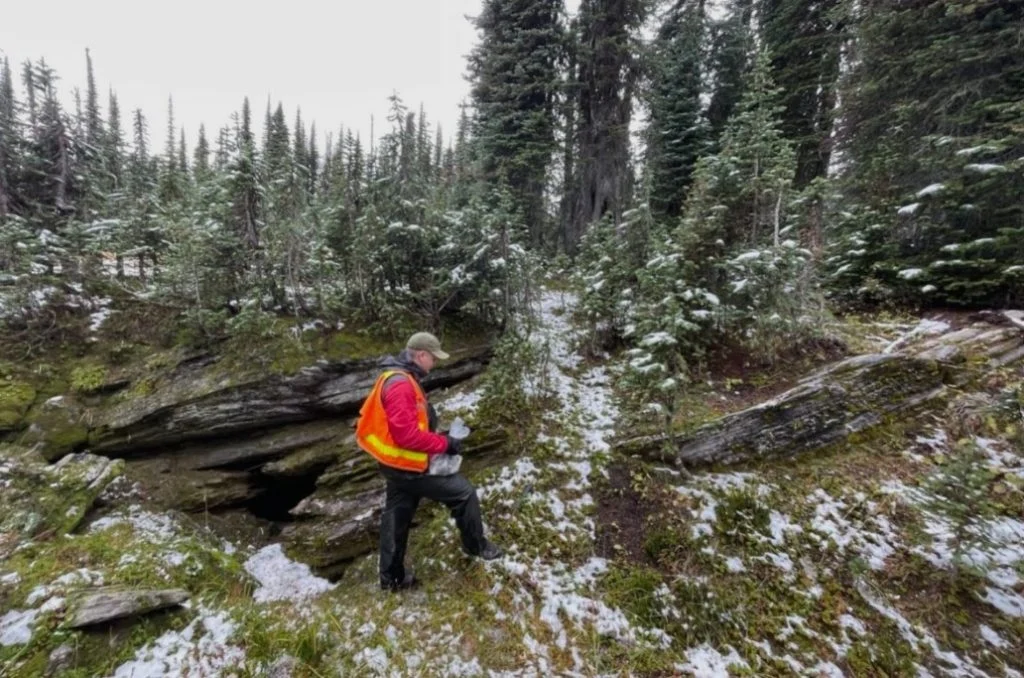
The development of the Revel Project has been a deliberate, step-by-step process. Situated approximately 20 kilometers from Seymour Arm, north of Revelstoke, the project is located within a geologically significant carbonatite belt.
- Initial Discovery: Riverside identified the potential of the Grace Carbonatite, which is known to host rare earth element mineralization.
- System Identification: Through early-stage mapping and sampling, Riverside’s technical team successfully outlined a 12-kilometer-long carbonatite-style rare earth system. Critically, this system remains untested by the drill bit, representing a high-potential exploration target.
- Consolidation (July 2026): In a significant move to solidify its footprint, Riverside announced the acquisition of expanded mineral titles for both its Revel and Red Jacket properties. This expansion ensured that the full extent of the carbonatite-style system was secured under the company’s portfolio.
- Current Milestone: The transition to an option agreement signals the conclusion of the initial reconnaissance phase and the beginning of the "capital-intensive" phase of exploration.
Supporting Data: Why Revel Matters
The Revel Project sits in a region increasingly recognized for its polymetallic potential. Carbonatites are igneous rocks that serve as the primary source for rare earth elements, which are critical components in the transition to green energy, including permanent magnets used in electric vehicle motors and wind turbines.
Riverside’s management has emphasized that the Revel Project benefits from being in a stable, mining-friendly jurisdiction with existing infrastructure. While the company is well-funded, the decision to farm out the Revel Project allows its internal treasury to remain focused on its broader portfolio, which includes gold, silver, and copper assets across North America.
The nearby Red Jacket project provides additional context to Riverside’s regional strategy. As a volcanogenic massive sulphide (VMS) system, Red Jacket is compared to the Yellowhead deposit in the Eagle Bay Formation. The proximity of these projects to major players like Trekor Metals Ltd.—which is actively developing the massive copper-zinc-silver-gold Yellowhead project—underscores the geological prospectivity of the region.
Official Responses and Technical Oversight
Despite the transfer of exploration funding to the private partner, Riverside is not stepping away from the project entirely. The company’s exploration team will continue to provide critical technical input and oversight throughout the option period.
"We are committed to seeing the Revel Project reach its full potential," stated a representative from the company. "By leveraging our geological expertise alongside the partner’s capital, we are ensuring that the upcoming airborne geophysics and field exploration programs are executed to the highest standards."
The primary goal of the next work phase will be to refine the existing 12-kilometer target area, narrowing down the high-priority anomalies for eventual drill testing. For the optionee, this oversight provides a level of confidence in the project’s technical direction, while for Riverside, it ensures that the project’s data integrity remains high—a vital consideration for a project where the company retains a long-term royalty interest.
Implications for Investors and the Market
The market reaction to the announcement—an 8.2% surge in share price—suggests that shareholders view the option agreement as a validation of Riverside’s "prospect generator" business model. In the junior mining sector, the ability to identify prospective targets, prove their viability, and then attract partners to fund the expensive drilling phase is the gold standard for long-term sustainability.
1. Financial Stability
By offloading the $2.2 million in required exploration expenditures, Riverside preserves its own cash balance. This liquidity is crucial for maintaining the company’s broader portfolio, which includes various precious and base metal assets. Investors generally favor companies that can advance projects without constant, dilutive equity financings.
2. Royalty Upside
The 3.0% NSR royalty is a significant long-term asset. Even if the project is sold, the royalty remains as a "perpetual" cash flow generator should the project ever reach commercial production. The buy-down provisions are also structured to provide significant cash infusions for Riverside in the mid-2030s, should the project prove to be a world-class deposit.
3. Regional Validation
The continued interest in British Columbia’s carbonatite and VMS belts reinforces the region’s status as a critical minerals hub. As global supply chains seek to reduce dependence on foreign sources for rare earth elements, projects like Revel, located in politically stable North American jurisdictions, are likely to command a premium in the eyes of institutional investors and potential future acquirers.
4. Technical De-risking
The fact that the project remains undrilled is a "blue sky" opportunity. While it carries the inherent risk of exploration, the geological indicators—the 12-kilometer-long system—provide a strong foundation. By bringing in a partner now, Riverside is essentially allowing the market to test the project’s potential at the partner’s expense, while retaining the "win-win" scenario of either project development or property reversion.
Conclusion
Riverside Resources Inc. has effectively executed a classic junior mining growth strategy. By securing the title, defining the system, and bringing in a well-capitalized partner, they have successfully moved the Revel Carbonatite Project up the value chain.
As the project moves into its next phase—featuring advanced geophysical surveys and potential drilling—the market will be watching closely. For Riverside, the focus remains on its diverse portfolio of assets, with the Revel Project now serving as a high-potential "option" that could provide significant, non-dilutive value to shareholders in the years to come.
As the global demand for rare earth elements continues to climb, the Revel Project stands as a testament to the importance of early-stage exploration and the strategic value of royalty-based development in the modern mining landscape.
Disclaimer: Resource World Magazine Inc. has prepared this editorial for general information purposes only and should not be considered a solicitation to buy or sell securities in the companies discussed herein. The information provided has been derived from sources believed to be reliable but cannot be guaranteed. This editorial does not take into account the reader’s investment criteria, investment expertise, financial condition, or financial goals of individual recipients and other concerns such as jurisdictional and/or legal restrictions that may exist for certain persons. Recipients should rely on their own due diligence and seek their own professional advice before investing.