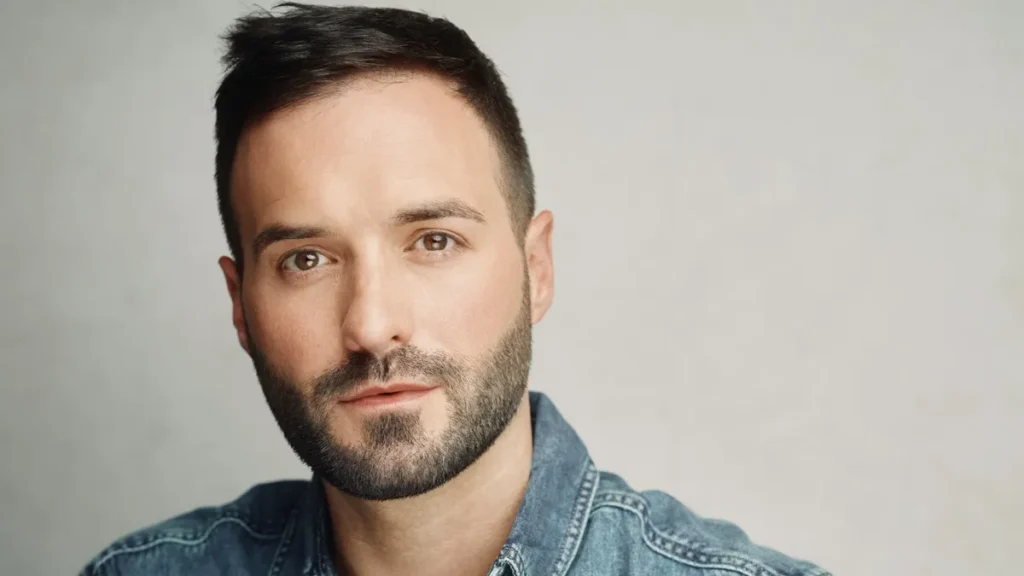
Gap Inc. is aggressively reshaping its organizational DNA, signaling a definitive pivot toward the intersection of retail and media. In the latest move of a high-stakes talent acquisition strategy, the apparel giant has announced the appointment of Justin Breton as its new vice president of development. Breton, a veteran of Walmart’s retail innovation wing, will report directly to Pam Kaufman, the company’s recently appointed chief entertainment officer.
This appointment is not an isolated recruitment effort; rather, it is a key component of a broader, systemic overhaul aimed at embedding "fashiontainment"—a hybrid business model that treats apparel as a core component of the cultural conversation—into the company’s operational framework.
Main Facts: The Strategic Hire
Justin Breton joins Gap Inc. following a transformative six-year tenure at Walmart, where he became a key architect of the retailer’s digital and experiential evolution. During his time in Bentonville, Breton was instrumental in creating "Camp by Walmart," a highly successful experiential marketing initiative. Perhaps more importantly, he was a driving force behind the retailer’s aggressive expansion into the gaming sector, including the launch of commerce features within Roblox—a move that fundamentally shifted how legacy retailers view virtual environments.
At Gap Inc., Breton’s mandate is to scale the company’s content, entertainment, and licensing capabilities. By leveraging his background in gaming, digital commerce, and high-profile partnerships, Gap Inc. aims to transition from a traditional clothing retailer into a multifaceted brand powerhouse capable of capturing consumer attention at the speed of culture.
A Chronology of Transformation
The hiring of Breton is the latest in a series of strategic maneuvers designed to revitalize Gap Inc. under the leadership of CEO Richard Dickson. The company’s recent trajectory toward "fashiontainment" can be mapped through several key milestones:
- Early 2024 (The Appointment of a Chief): Gap Inc. established the role of chief entertainment officer and recruited Pam Kaufman, a seasoned executive from Paramount, to fill it. Her mandate was clear: oversee gaming, music, sports, film, and licensing to align the company’s output with modern consumer interests.
- May 2024 (Licensing Overhaul): Following the establishment of the entertainment office, the company brought in Lourdes Arocho, another Paramount veteran, as senior vice president and head of licensing. Her role focuses on brand extensions and direct-to-retail opportunities, bridging the gap between Gap’s apparel portfolio and the entertainment industry.
- May 2024 (Customer Experience Pivot): The company hired Michael Francis, a former executive at Walmart, DreamWorks, and Target, as chief customer officer at Old Navy and head of marketing shared services. This move underscored the company’s intent to apply Hollywood-style audience engagement tactics to the retail floor.
- August 2024 (The Breton Appointment): The arrival of Justin Breton solidifies the "entertainment-first" management structure, bringing a specialized focus on digital innovation and gaming to the existing executive team.
Supporting Data: Navigating Financial Performance
The urgency behind these executive moves is underscored by the company’s mixed financial performance. In the first quarter of fiscal 2024, Gap Inc. reported a modest 1% year-over-year increase in net sales to $3.5 billion, with comparable sales rising 2%.
However, the company’s portfolio shows a fragmented recovery:
- Old Navy: A critical engine for the company, Old Navy saw net sales rise 1% to $2 billion.
- Gap (Namesake Brand): The brand experienced a robust 10% jump in both net and comparable sales, suggesting that the recent marketing and product shifts are resonating with consumers.
- Athleta: The performance apparel brand remains a challenge, with net sales falling 12% and comparable sales declining 11% compared to the year-ago quarter.
These figures illustrate a company in transition. While the core brands are showing signs of life, the volatility in sectors like activewear highlights the need for the "fashiontainment" strategy to drive brand loyalty and emotional connection across all segments of the portfolio. Investors are closely monitoring the upcoming Q2 earnings report, scheduled for August 27, 2026, for signs that these leadership changes are translating into sustained growth.
Official Responses: The Philosophy of "Fashiontainment"
In an internal memo shared with staff, Pam Kaufman praised Breton’s pedigree, noting that his experience working with global icons such as LeBron James and Elton John, alongside his tenure at media giants like Condé Nast and Hearst, makes him uniquely qualified for the role.
"This is such an exciting next step in building our Fashiontainment platform and supporting our brands as we continue to move at the speed of culture," Kaufman wrote.
CEO Richard Dickson has been the primary architect of this cultural shift. His mantra, "fashion is entertainment," reflects a belief that in an era where digital engagement is king, the traditional retail model of merely selling garments is insufficient. By recruiting talent from the entertainment and gaming sectors, Gap Inc. is consciously moving away from a transactional relationship with shoppers toward an experiential one.
Implications: The Future of Retail
The implications of Gap Inc.’s hiring spree are significant for the broader retail industry.

1. The Death of the Traditional Marketing Silo
By folding licensing, gaming, and content production into a centralized entertainment office, Gap Inc. is dismantling the silos that traditionally kept marketing and merchandising separate. This suggests a future where a product launch is treated with the same production value and narrative structure as a movie release or a video game expansion.
2. The "Speed of Culture" Requirement
Breton’s track record at Walmart proves that he understands how to move at the speed of digital trends. For Gap Inc., the challenge lies in applying this agility to a global supply chain. The company is betting that by integrating with platforms like Roblox and leveraging entertainment partnerships, they can reach younger demographics who are increasingly immune to traditional television or print advertising.
3. The Talent War
The recruitment of executives from Paramount, DreamWorks, and Walmart demonstrates that retailers are now competing directly with tech and media firms for top-tier creative talent. This "war for talent" is shifting the required skill sets for retail leadership; it is no longer enough to understand inventory turnover and margins. Leaders must now possess a deep understanding of IP management, audience engagement, and digital ecosystem development.
4. A High-Stakes Turnaround
Gap Inc. is essentially performing a "start-up" maneuver within a legacy organization. The strategy is not without risk. Investing heavily in entertainment and digital platforms requires significant capital that might otherwise be allocated to store renovations or supply chain efficiency. If these hires fail to deliver, the company risks losing its core identity in an attempt to be everything to everyone.
Conclusion
As the retail landscape continues to shift under the pressure of digital transformation and changing consumer habits, Gap Inc. has made a bold, clear choice: it intends to become a media company that happens to sell clothes. With a leadership team now stocked with veterans of Hollywood, the gaming industry, and big-box retail, the company is preparing for a new chapter.
Whether this "fashiontainment" strategy can revitalize the performance of brands like Athleta and sustain the momentum at Old Navy remains to be seen. However, the appointment of Justin Breton serves as a powerful statement of intent. Gap Inc. is no longer waiting for the market to change—it is attempting to shape the market itself, one virtual interaction, brand partnership, and entertainment-led campaign at a time. The eyes of the retail world will be fixed on the company’s Q2 results, seeking the first real evidence that this high-profile "fashiontainment" experiment is yielding bottom-line results.