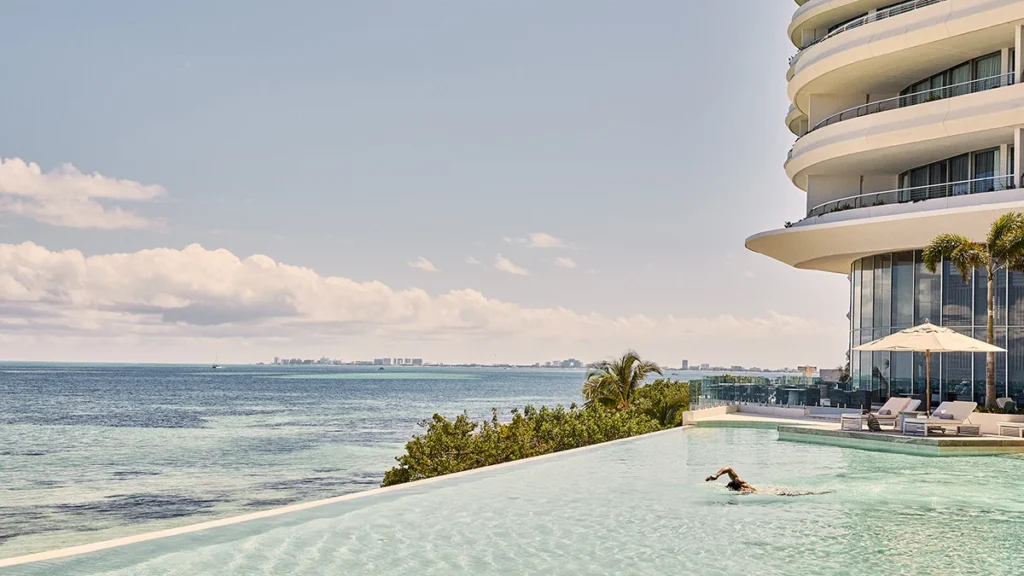
In the burgeoning industry of longevity science, the line between medical necessity and ultra-luxury lifestyle has become increasingly blurred. For the affluent traveler, the quest for a longer "healthspan"—the number of years lived in good health—has evolved from a personal goal into a curated, high-end travel experience. Enter SHA Mexico, a sprawling, architecturally imposing wellness sanctuary located just outside of Cancún. Serving as the ambitious sister property to the original SHA Wellness Clinic in Spain’s Costa Blanca, the Mexican outpost has, in just two years, cemented itself as a mecca for the biohacking elite.
The Architecture of Wellness: A Clinical Sanctuary
Arriving at SHA Mexico is an experience that defies the traditional definition of a "resort." With its sleek, towering white walls and expansive waterfront views, the property operates more like a high-tech medical research facility disguised as a tropical escape. It is, by design, a "wellness prison"—a controlled environment where the outside world is kept at bay, and the singular focus remains on the biological optimization of the guest.
For first-time visitors, the immersion begins with a non-negotiable, four-night minimum stay. The author, participating in a seven-night "Advanced Longevity" track, found that the demographic is remarkably consistent: a collection of health-conscious individuals either draped in the resort’s signature plush robes or outfitted in high-performance Lycra, moving with singular purpose between clinical appointments. The atmosphere is one of quiet, disciplined focus. It is an environment where efficiency is valued above leisure; as one staff member noted, more than 50% of guests return for a repeat visit within 18 months, suggesting that for the committed, this is not a one-off vacation, but a recurring life-management strategy.
The Chronology of a Longevity Track
The rhythm of a week at SHA is structured with clockwork precision. The daily cadence is designed to minimize cognitive load, allowing the body to focus entirely on its physiological "reset."

- Morning: A sunrise breakfast served on the terrace, featuring medically calibrated nutrition designed to spike metabolic health without inducing glycemic crashes.
- Mid-Morning to Afternoon: A rotating "mosaic" of appointments. These range from traditional Eastern practices like acupuncture and yoga nidra to cutting-edge Western modalities such as ozone therapy, lymphatic drainage, and atmospheric plasma treatments.
- Evening: A quiet, low-stimulus dinner, often accompanied by literature, followed by an early bedtime to optimize circadian rhythms.
The Biological Frontier: Life-Enhancing vs. Life-Limiting
The efficacy of the treatments provided at SHA can be divided into three categories: the transformative, the relaxing, and the questionable.
The Life-Enhancing
The standout performer during the week-long stay was the IV ozone therapy. While initially met with skepticism, the results were palpable. The procedure, which involves saline-dissolved ozone reacting with the blood, resulted in a sustained, high-energy state that effectively neutralized the dreaded "midafternoon slump." Similarly, the Human Regenerator—a device utilizing cold atmospheric plasma—offered a unique sensation of "floating on a cloud," successfully modulating stress levels and electromagnetic cellular balance.
The Relaxing (and the Unconventional)
Some treatments prioritize nervous system regulation over clinical impact. A session of Yoga Nidra proved so effective at inducing deep rest that wearable technology (the Oura ring) registered the meditative state as actual sleep. Conversely, the Icoone lymphatic-drainage device provided a deep-tissue experience that felt like "Doctor Octopus" performing a massage—highly effective, though requiring the patient to wear a profoundly unflattering skinsuit.
The Life-Limiting (and the Hostile)
Not all interventions were universally praised. Cupping therapy, intended to be a restorative, Zen-like experience, proved to be aggressive—more akin to intense bodywork from a "hostile Hulk Hogan" than a soothing spa treatment. Furthermore, the inclusion of colonic hydrotherapy remained a point of contention, with its clinical necessity appearing nebulous at best.

Nutritional Strategy: The Biolight Diet
Central to the SHA philosophy is the "Biolight" diet. The culinary experience is a study in contradiction. Breakfast is a triumph, specifically the daily miso soup, which delivers a profound umami experience that leaves the palate satisfied. However, the dinner offerings often lean toward the "stodgy," prioritizing complex, fiber-heavy compositions like spelt pizza over the fresh, vibrant local ingredients readily available in the Yucatán region. The ritual of consuming a digestif of one-part apple-cider vinegar to seven-parts water is, while initially jarring, a practice that guests quickly grow to embrace as a pillar of their digestive health.
Logistical Friction and Ethical Concerns
Despite the clinical brilliance, the resort faces significant logistical hurdles. The transition from high-level medical strategy to daily operations is not always seamless. A notable scheduling conflict regarding business operations highlights the tension between the "wellness" mandate and the reality of the modern, hyper-connected executive. Guests often find themselves managing high-stakes professional responsibilities alongside their treatments, and when scheduling systems fail to align with these commitments, the friction is palpable.
Furthermore, the introduction of a dermaesthetic specialist—offering services like Botox and "Cryo Slim" to combat the "stigmas of aging"—feels jarringly incongruous. While the core of SHA is built on the science of longevity and internal health, the aggressive marketing of cosmetic procedures can feel opportunistic, detracting from the holistic, evidence-based reputation the brand seeks to maintain.
Implications: Is the Investment Worth It?
For those considering an investment starting at $9,800 for a seven-night stay, the value proposition rests on the quality of the medical diagnostics and the subsequent physical outcomes. The retreat succeeds in its primary goal: providing a sanctuary where the body can rest, reset, and receive high-level intervention.

However, the future of the longevity travel sector depends on its ability to bridge the gap between "luxury spa" and "medical clinic." SHA Mexico is undeniably a pioneer in this space, yet it must refine its operational logistics and maintain a strict focus on its core mission to avoid the pitfalls of "medical tourism" commodification.
Ultimately, the takeaway is clear: the facility is an elite tool for those obsessed with their biomarkers and long-term health. While it offers a profound level of rejuvenation, guests would be wise to delegate their schedules to their own assistants rather than the facility’s front desk, and to approach the menu of aesthetic add-ons with a discerning, skeptical eye. SHA Mexico is a testament to the fact that while we cannot stop time, we can certainly invest heavily in the quality of the years we have left.