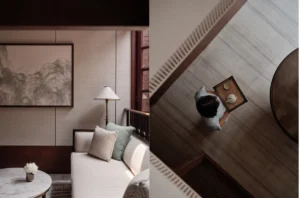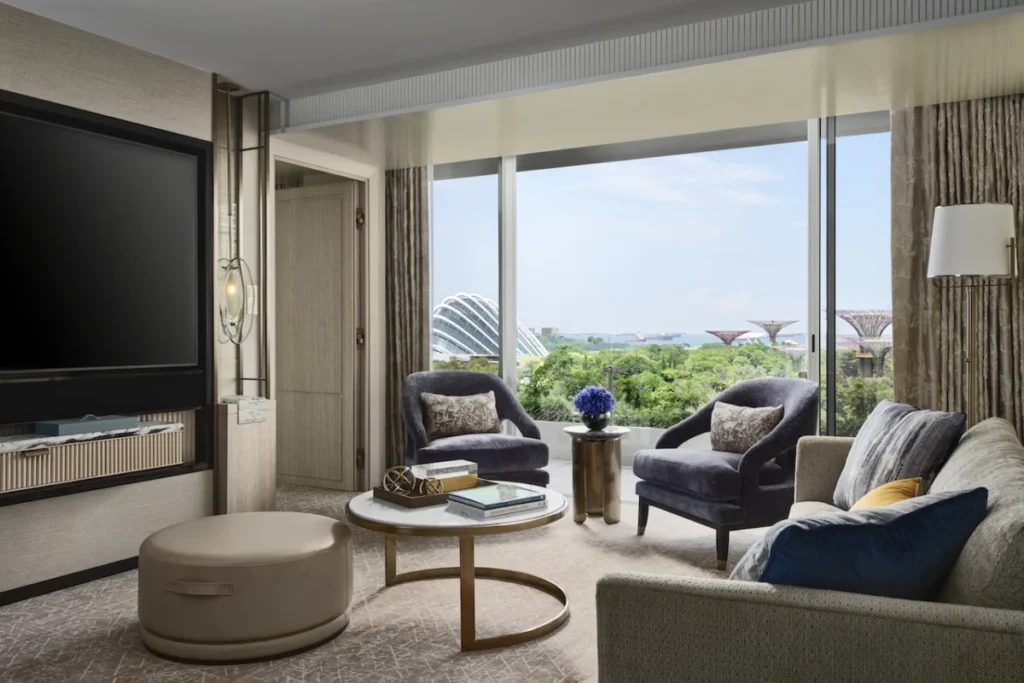
From the mist-shrouded peaks of Victoria Harbour to the glittering, futuristic skyline of the Marina Bay, a new epoch of urban hospitality is unfolding. In the world’s most dense and dynamic metropolises—Hong Kong and Singapore—luxury is no longer measured merely by square footage, but by the seamless integration of wellness, technology, and bespoke cultural storytelling. As two of Asia’s most storied properties, the Island Shangri-La and Marina Bay Sands, unveil multi-million-dollar transformations, they provide a masterclass in how to elevate the guest experience literally and figuratively.
Main Facts: A New Standard of Sky-High Sanctuary
The evolution of these properties signals a departure from the "uniform luxury" of the past decade. Today’s high-net-worth traveler demands a residential feel that doesn’t sacrifice the drama of a panoramic view.
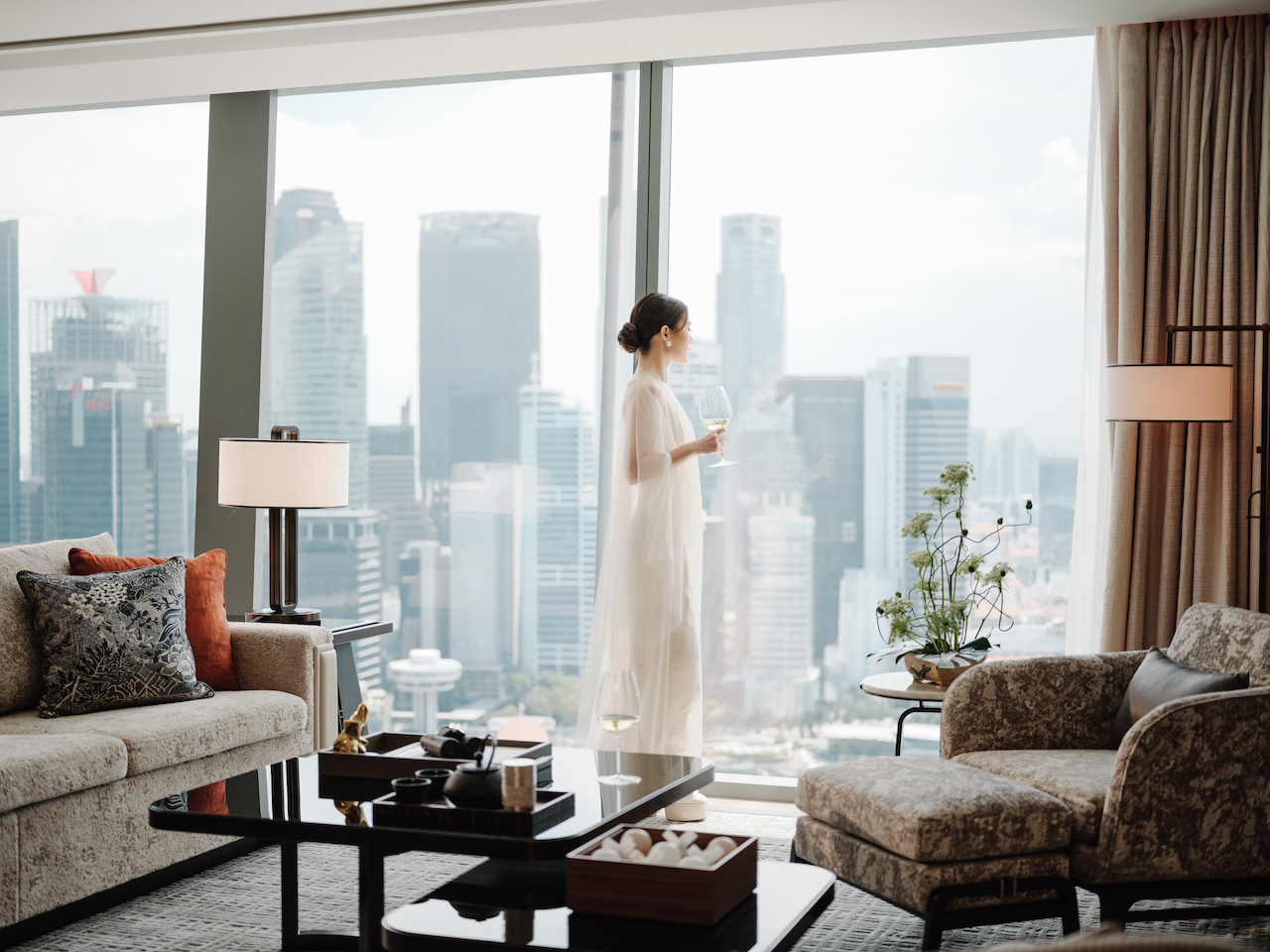
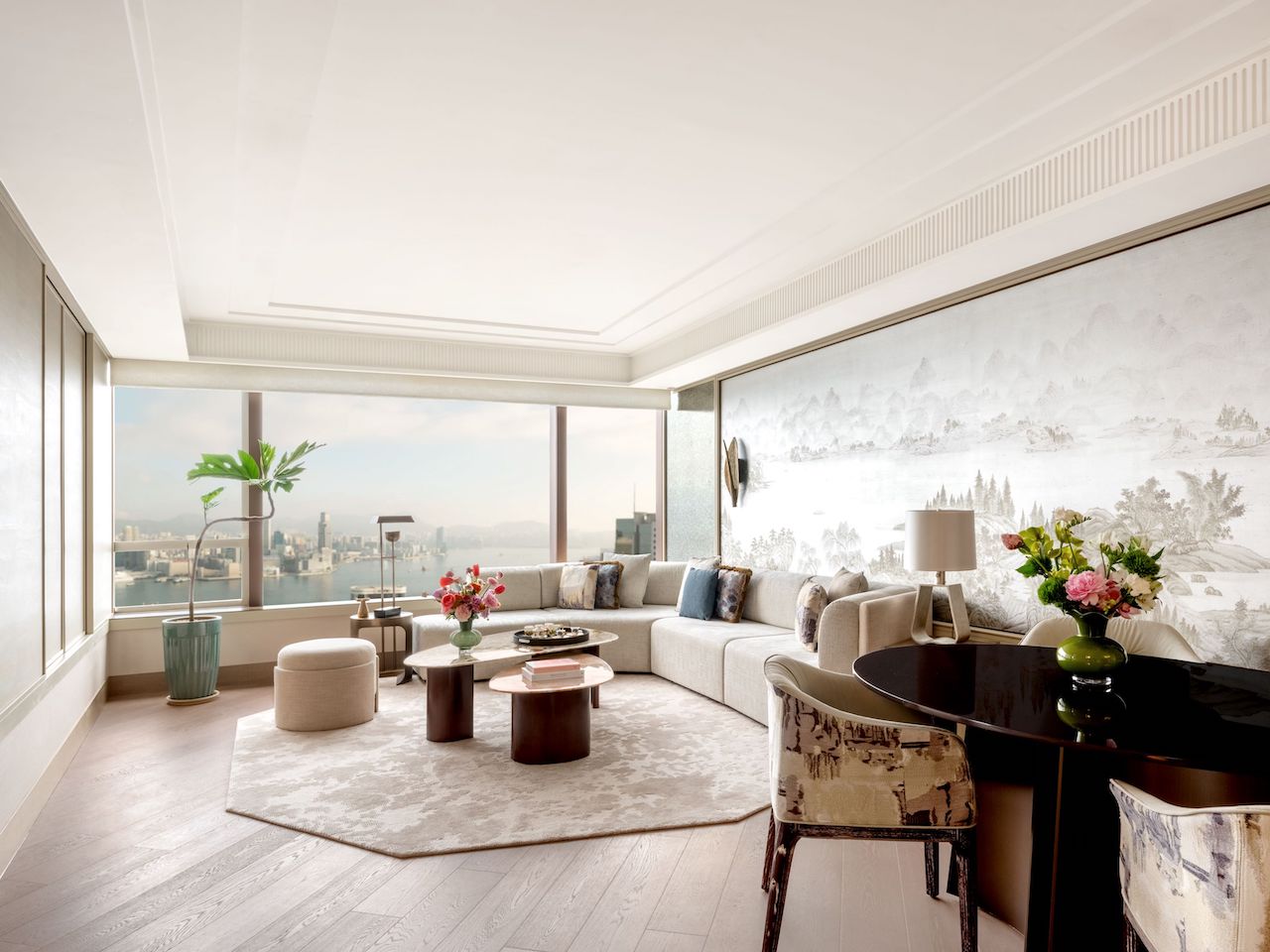
At the Island Shangri-La, Hong Kong, the unveiling of its refreshed suite collection marks a pivot toward "contemporary Asian sophistication." Perched 50 floors above the city, these suites act as private galleries, blending 19th-century antiquities with modern functionality. The core philosophy here is the curation of space—a deliberate move to balance the frantic energy of Hong Kong with the meditative calm of the nearby botanical gardens.
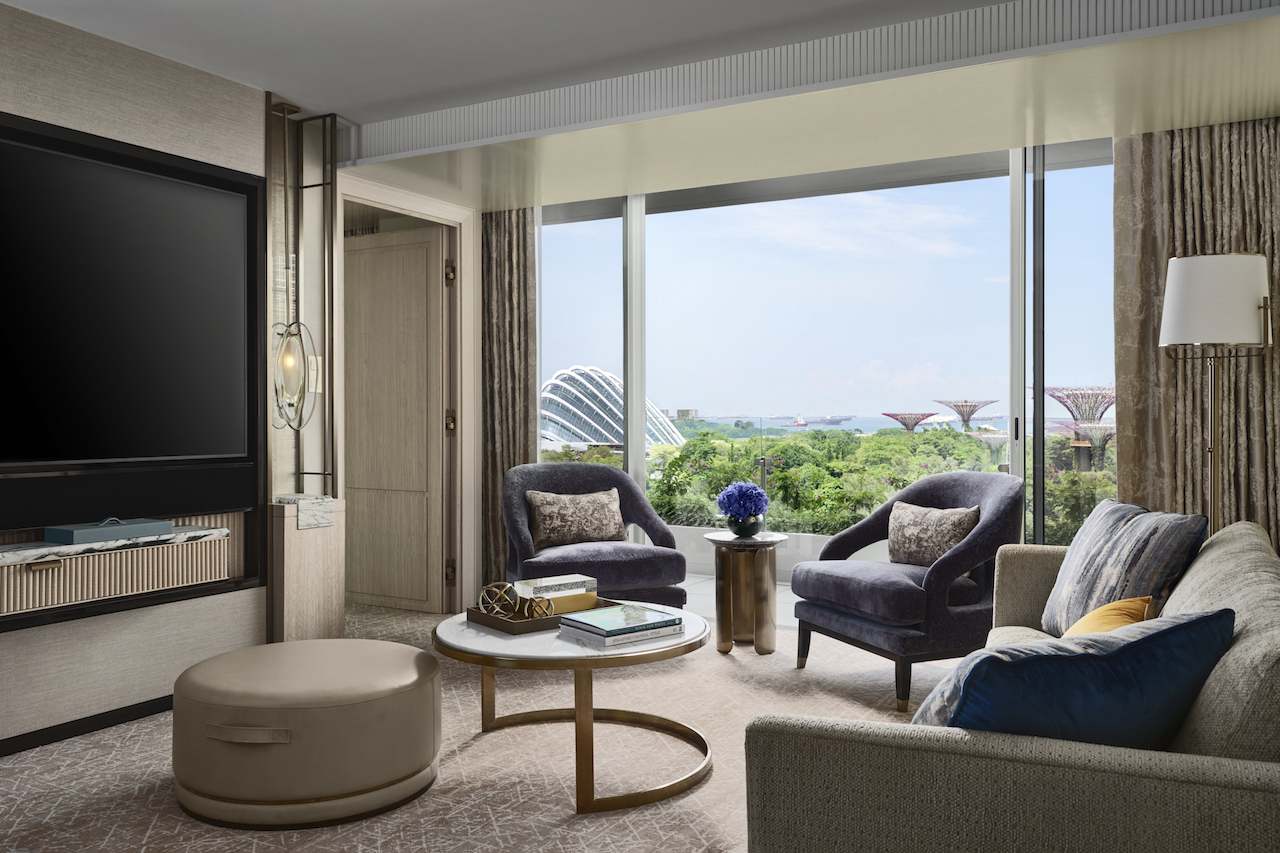
Simultaneously, in Singapore, Marina Bay Sands has completed an ambitious, city-wide refurbishment, unveiling 1,850 newly designed rooms and suites. The sheer scale of this project—which includes the exclusive "Paiza Collection"—positions the resort as a city within a city, offering amenities that range from private golf simulators to in-suite Himalayan salt walls.
Chronology: The Roadmap to Transformation
The current wave of luxury hospitality did not happen overnight; it is the culmination of strategic planning that began during the post-pandemic recovery period.
- 2023–2024 (The Planning Phase): Both properties conducted extensive guest feedback surveys, identifying a rising demand for "self-contained" luxury where wellness and entertainment are brought directly to the suite.
- Early 2025 (The Refurbishment Peak): Island Shangri-La initiated the final phases of its interior redesign, focusing on the integration of bespoke art and local cultural motifs.
- Mid-2025 (The Marina Bay Sands Reveal): Marina Bay Sands finalized its massive renovation, transitioning from a standard luxury hotel model to a multi-tiered hospitality structure, creating a distinct "hotel within a hotel" experience through the Paiza Collection.
- Late 2025–2026 (The Operational Shift): Both hotels transitioned to enhanced service models, focusing on high-touch butler services and exclusive lounge access to cater to the ultra-premium market.
Supporting Data: The Anatomy of Modern Luxury
To understand the shift, one must look at the technical specifications of these new spaces. Luxury is increasingly defined by the "invisible" infrastructure—the technology that powers comfort.
The Hong Kong Suite (Island Shangri-La)
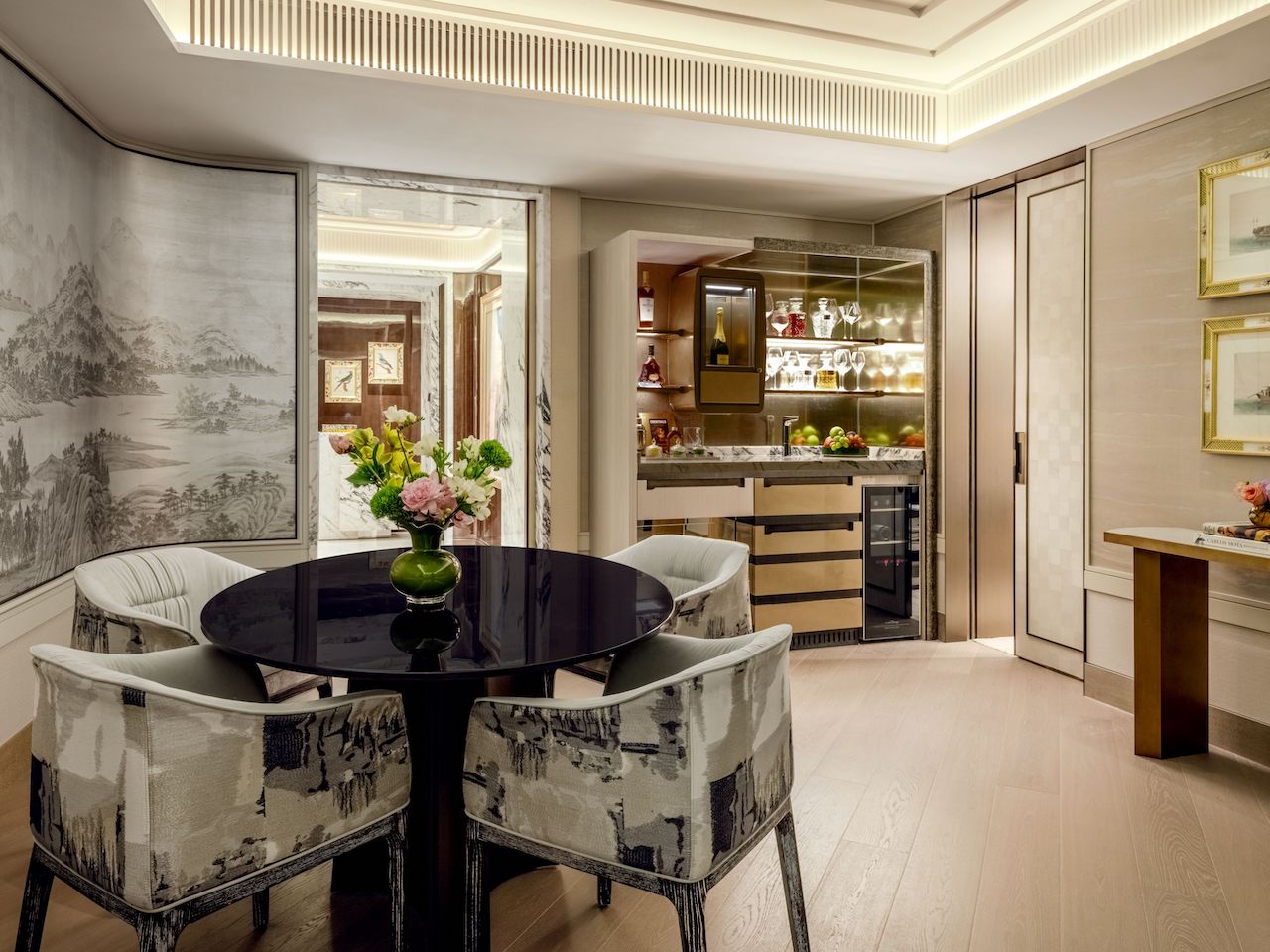
- Artistic Curation: Inclusion of 19th-century paintings of traditional sampans, sourced via Christie’s, grounding the 50th-floor space in local history.
- Kitchenette Versatility: Equipped with dual-zone wine fridges, filtered water systems, and full-service kitchenettes to facilitate private, chef-catered in-suite dining.
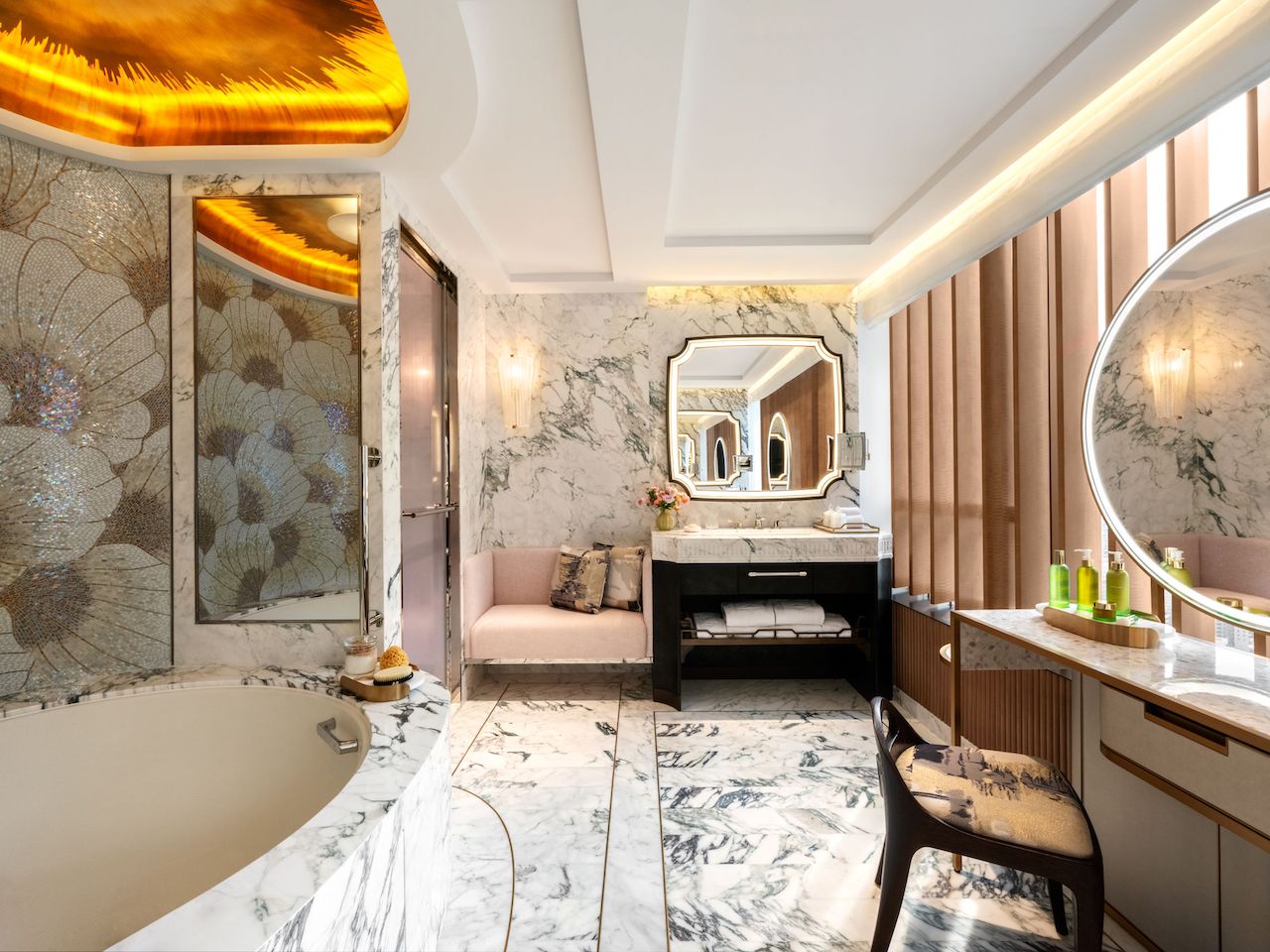
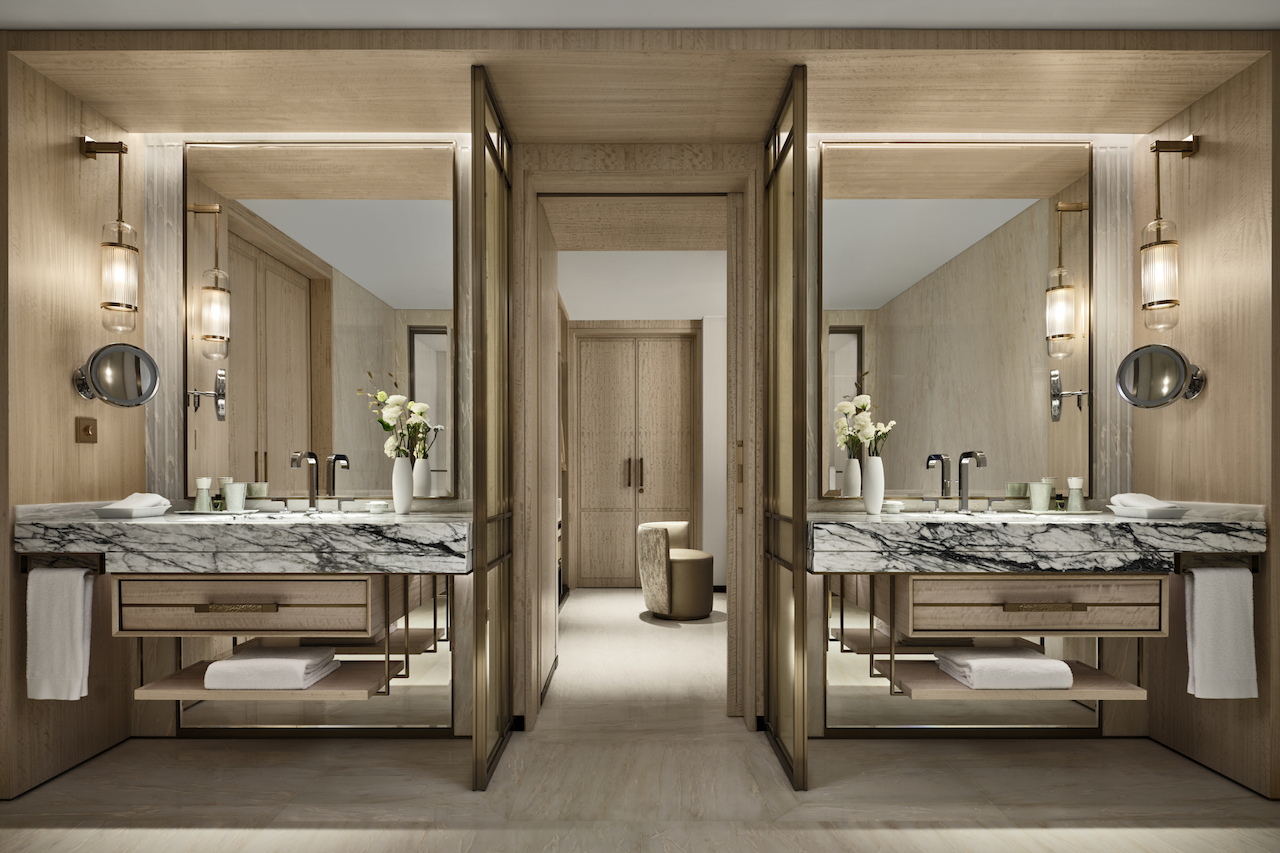
- Wellness Integration: A master bathroom featuring a sculptural round bathtub under a golden ceiling, utilizing custom salts developed by Yun Wellness.
The Paiza Collection (Marina Bay Sands)
- Scale: 370 ultra-luxurious suites, part of a broader 1,850-room upgrade.
- The Chairman Suite: Features a 146-inch television and a private karaoke facility, catering to high-profile entertainment needs.
- The Horizon Suite: A wellness-focused residence featuring a dry sauna, hammam shower, and two massage tables, effectively turning the suite into a private spa.
- Butler Support: A 160-strong dedicated butler team ensures that the ratio of service to guest remains the industry gold standard.
Official Responses and Strategic Vision
Management at both properties emphasizes that these renovations are not merely aesthetic; they are foundational shifts in business strategy.
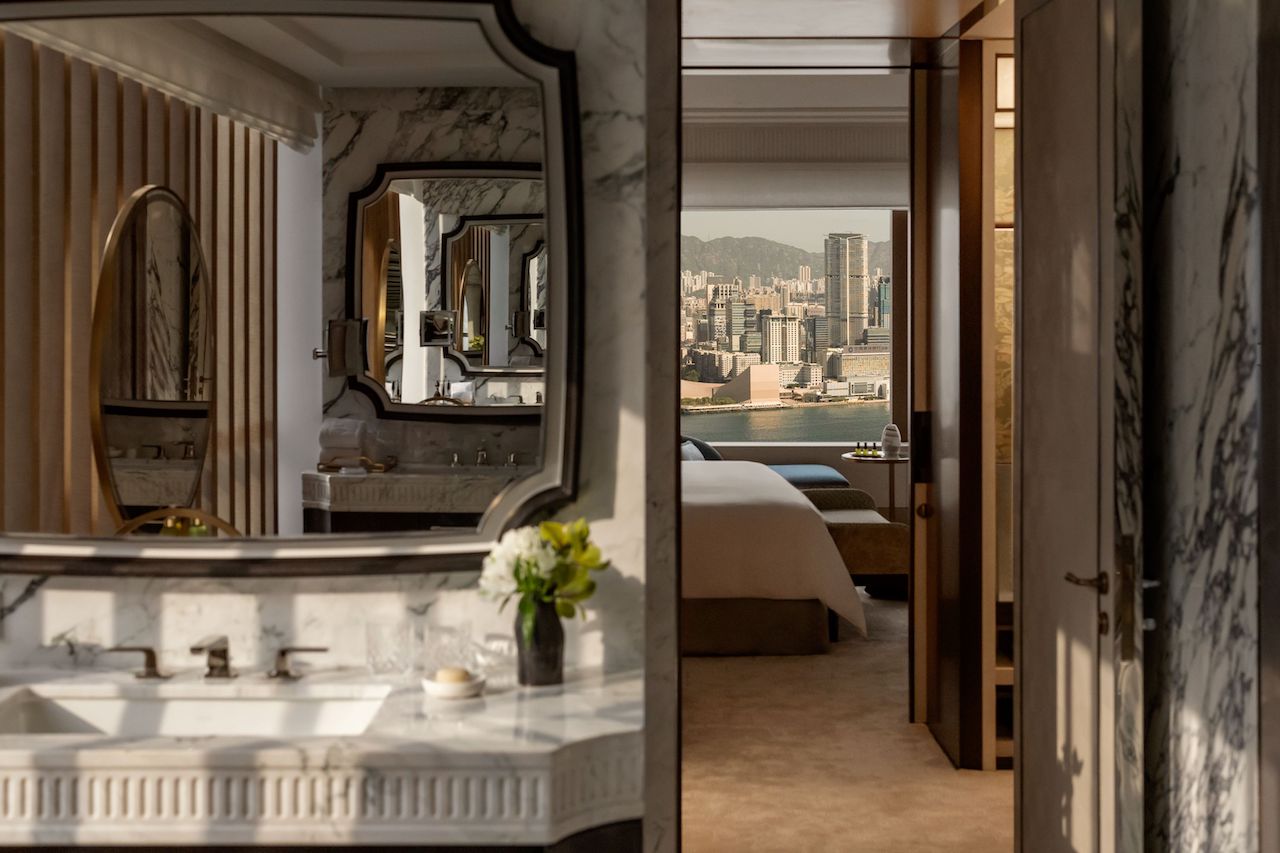
"Our goal was to ensure that every guest feels the heartbeat of Hong Kong without ever needing to leave the serenity of their suite," says the design team at Island Shangri-La. By incorporating motifs like the Victoria Peak greenery into the bedroom murals, the hotel attempts to dissolve the barrier between the urban jungle outside and the private sanctuary inside.
At Marina Bay Sands, the focus remains on the "seamless journey." A representative noted, "From the moment a Paiza guest arrives at our private lounge, the goal is to remove every friction point. Whether it’s a private golf simulator or a Himalayan salt wall, we are providing the infrastructure for a life lived at the pinnacle." The addition of the 160-member butler team is a testament to the hotel’s commitment to personalized service, ensuring that the "residential" aspect of these suites is backed by professional-grade hospitality.
Implications: The Future of Urban Travel
The transformations at Island Shangri-La and Marina Bay Sands hold significant implications for the global luxury travel industry.
1. The Death of the "Standard" Suite
The traditional hotel suite—a bedroom with a sitting area—is becoming obsolete for the ultra-wealthy. The new standard is the "self-contained residence," where guests expect to be able to host, exercise, work, and meditate without leaving their floor. The inclusion of private gyms and professional kitchenettes in the Marina Bay Sands suites highlights this trend.
2. Hyper-Localization as a Luxury Asset
There is a growing resistance to the "international hotel look" that is the same in London, New York, or Shanghai. By sourcing specific art pieces from Christie’s and integrating local botanical motifs, the Island Shangri-La proves that luxury is increasingly defined by how well a property interprets its local geography.
3. The Wellness-First Mandate
Wellness is no longer just a spa downstairs; it is an in-suite necessity. With the launch of Yun Wellness in Hong Kong and the spa-in-the-city concept in Singapore’s Horizon Suite, the hotel room has become a site of therapeutic recovery. This reflects a post-pandemic consumer who views travel not just as exploration, but as a period of personal rejuvenation.
4. The Rise of the "VIP Ecosystem"
The success of the Paiza Collection’s "hotel within a hotel" model suggests that ultra-luxury travelers are willing to pay a premium for exclusivity, privacy, and dedicated logistics (like private check-in lounges and separate elevators). This tiered approach allows hotels to maximize revenue while providing a level of intimacy that a standard check-in process simply cannot match.
Conclusion
As these two Asian titans of industry continue to refine their offerings, the bar for urban luxury has been moved significantly higher. The Island Shangri-La and Marina Bay Sands are no longer just places to sleep; they are curated, high-tech, and deeply personal ecosystems.
For the modern traveler, the future of luxury is not found in the lobby or the grand entrance, but in the quiet, bespoke details of the suite—the perfect temperature of the wine, the scent of the signature bath salts, and the uninterrupted view of a skyline that serves as a reminder of how far, and how high, one has climbed. In every sense, these properties are not just keeping up with the evolution of the city; they are leading it.