In an era dominated by sleek, high-definition OLED displays and the relentless demand for constant, hyper-connected digital engagement, the arrival of the $225 Pebble Time 2 feels like a deliberate act of rebellion. For those who remember the original Kickstarter darling that pioneered the modern wearable industry, this new device is more than just a piece of hardware; it is a spiritual successor that captures the "hacker energy" of a bygone era.
The Pebble Time 2 does not attempt to be a miniaturized smartphone strapped to your wrist. Instead, it embraces a casual, playful aesthetic that prioritizes long battery life, physical tactile controls, and a vibrant community-driven software ecosystem. It is, in the best sense of the word, a toy—a refreshing departure from the corporate polish of the Apple Watch and its contemporaries.

Main Facts: The Hardware and the Experience
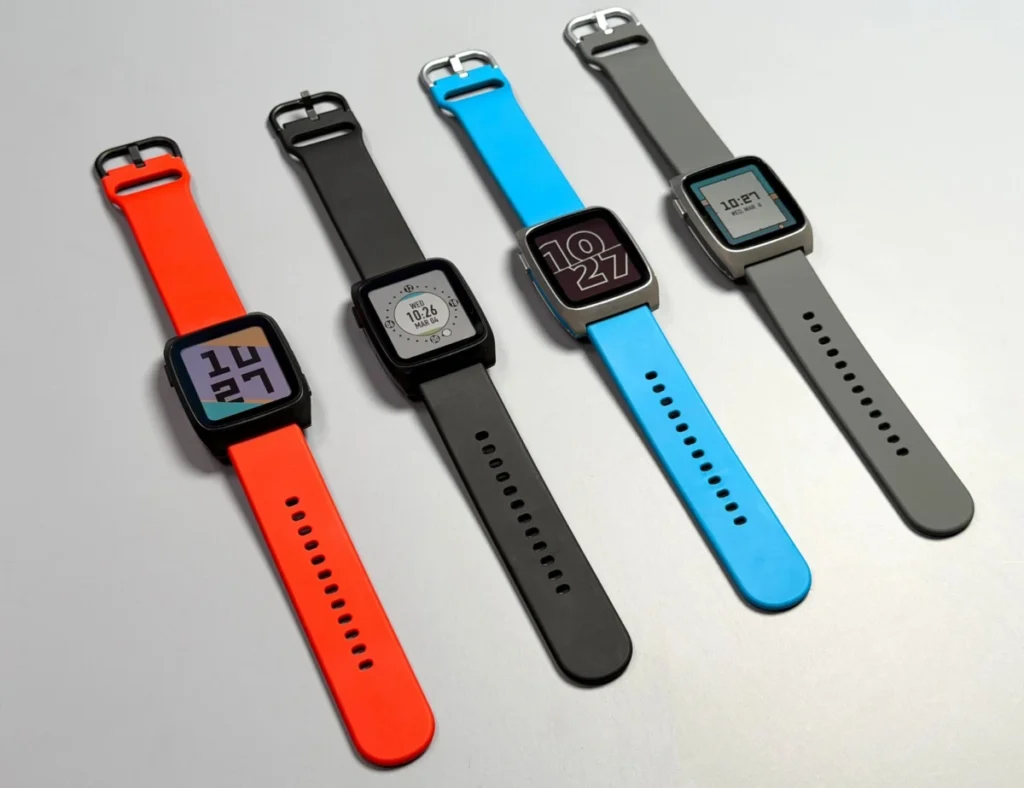
At first glance, the Pebble Time 2 is a study in functional minimalism. While competitors race to cram more pixels into smaller spaces, Pebble opts for a 64-color e-paper display. This choice is the cornerstone of the device’s identity. Because the screen is always on and requires significantly less power than an OLED panel, the Pebble Time 2 can last up to 21 days on a single charge.
The display is, by modern standards, muted. However, it excels in the one area where high-end smartwatches often fail: direct sunlight visibility. Whether you are outdoors on a bright afternoon or checking your wrist in a dim room, the backlight—adjustable via a simple flick of the wrist or a customized tap—ensures readability without the jarring glare of a high-intensity screen.

The device features a stainless steel frame available in silver or black, complemented by a straightforward silicone strap. This design language aligns it more closely with a classic Swatch than a luxury timepiece, stripping away the pretension often associated with modern wearables. Physical navigation is handled by four distinct buttons: Up, Down, Select, and Back. Each button is fully customizable, allowing users to map their most-used applications to a simple tap or long-press, providing a tactile, "analog" feel to a digital device.
A Chronological Journey: From Kickstarter to Resurrection
The story of the Pebble Time 2 is inextricably linked to the trials and triumphs of its founder, Eric Migicovsky. The original Pebble began as a groundbreaking crowdfunding phenomenon, selling 2 million units and generating $230 million in revenue. Despite this massive success, the company faced the harsh realities of scaling a hardware business in a competitive market. By the time Pebble was acquired by Fitbit—and eventually folded into Google’s ecosystem—the brand’s future seemed permanently sealed.

For years, the Pebble flame was kept alive by a devoted, decentralized user community. After official servers were shuttered, these hobbyists built their own infrastructure, ensuring that the existing user base could continue to enjoy their devices. This period of "life support" was a testament to the brand’s unique cult following.
The turning point came in 2025. Migicovsky, leveraging his experience at Beeper and maintaining ties with former colleagues at Google, successfully lobbied the tech giant to open-source the original Pebble operating system. This move allowed him to establish "Core Devices," a new venture dedicated to breathing life back into the hardware.

The company has since shipped the limited edition Pebble 2 Duo and has now surpassed 25,000 sales of the Pebble Time 2 across 93 countries. With the Pebble Round 2 scheduled for a September release, the brand is no longer just a memory; it is a functioning, growing entity once again.
The Power of Community: A Software Ecosystem Like No Other
The true differentiator for the Pebble Time 2 is its app store, which currently boasts over 2,120 watch faces and applications. The breadth of this library is staggering, fueled by years of developer creativity and a recent spring developer contest that added 500 new entries.

Because the Pebble platform attracts "hacker" talent, the app store is a playground of niche utility and whimsical design. Users can find tools for everything from tracking local train schedules and monitoring Claude AI usage to more esoteric functions like calculating the ideal time to reapply sunscreen.
The watch faces themselves are a cultural archive. You can display classic video game characters from Mario or Pokémon, pay homage to internet memes like Nyan Cat, or use sophisticated, minimalist analog displays. This depth of customization invites users to treat their watch as a canvas. Games like Pixelminer and FitCat provide simple, addictive ways to interact with the hardware, turning the device into a pocket-sized entertainment center that doesn’t demand the user’s full attention.

Supporting Data and Technical Nuance
Despite its retro aesthetic, the watch is remarkably capable as a daily driver. It provides essential notification mirroring, allowing users to filter alerts via the companion app. It includes basic health tracking—steps, sleep, and heart rate—which, while not clinical-grade, provides a useful overview of daily activity.
The "Timeline" feature remains a core strength of the user interface. Accessed by the down button, the timeline provides a chronological, at-a-glance view of the user’s day, integrating calendar events, weather, and reminders. It is an efficient way to manage time without the "notification fatigue" that plagues more aggressive smartwatches.

Technically, the watch is rated for 30 meters of water resistance (3 ATM), suitable for rain and handwashing, though not recommended for diving. While the hardware is robust, the software experience is limited by the walled garden of Apple’s iOS. Apple’s restrictions prevent the Pebble from performing advanced tasks like responding to text messages or deep-linking into third-party iOS apps. For many users, however, these limitations are viewed as a feature rather than a bug.
Implications: The Case for "Digital Minimalism"
The most profound implication of the Pebble Time 2 is its impact on the user’s relationship with technology. In a world where every device is designed to maximize "screen time," the Pebble Time 2 encourages a healthier, more detached relationship with our digital tools.

Because the watch lacks the high-fidelity distraction engine of an Apple Watch or a Galaxy Watch, it does not "tug" at the user’s attention. A glance provides the necessary information—the time, a calendar reminder, or a message notification—and then the device recedes into the background. It allows the user to stay connected without feeling the compulsion to engage in a constant cycle of digital reactivity.
As Core Devices continues to iterate, pushing firmware updates and expanding the API capabilities, the platform is evolving. Future updates, such as noise cancellation for the second microphone, suggest that the company is not merely resting on nostalgia, but is actively working to modernize the experience.

Conclusion: A Future for the Niche
The Pebble Time 2 is not for everyone. It is not for the person who needs to make phone calls from their wrist, nor for the person who requires the highest possible display resolution. It is for the person who values agency, longevity, and the joy of a device that feels like a tool rather than a leash.
By bridging the gap between a DIY, community-driven past and a sustainable, open-sourced future, Eric Migicovsky and Core Devices have proven that there is a significant market for hardware that prioritizes the user over the ecosystem. In a landscape dominated by tech giants, the return of the Pebble is a welcome reminder that the best technology is often the kind that knows when to get out of the way. Whether the brand can continue to scale remains to be seen, but for now, the "hacker energy" is back, and it looks better than ever.