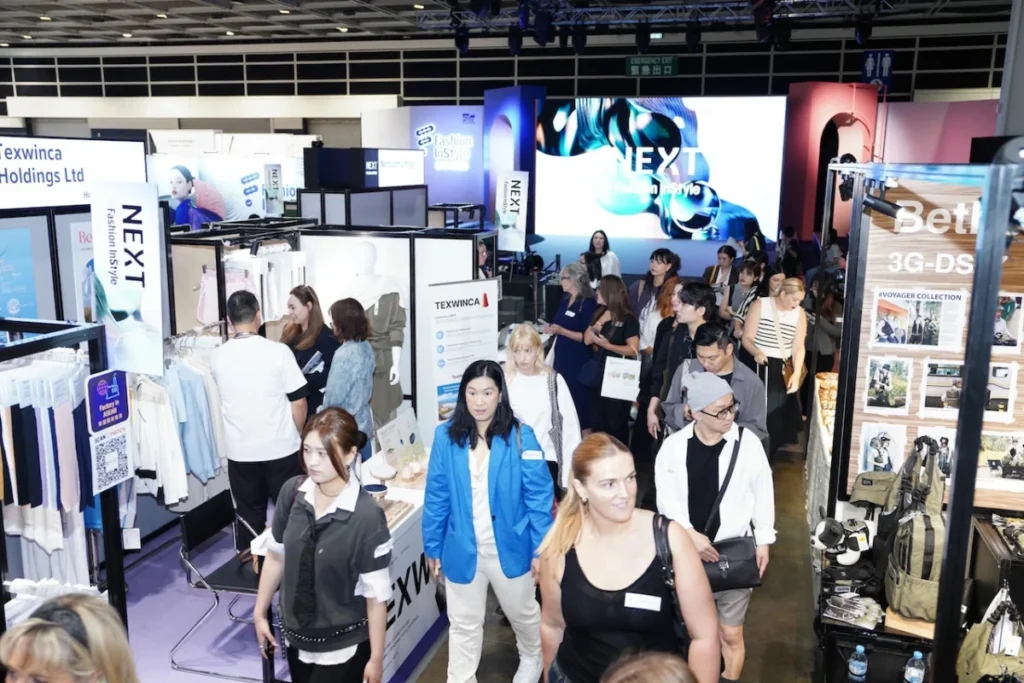
The global fashion landscape is currently navigating a pivotal transition, one where the urgency of environmental stewardship meets the boundless potential of material science. This April, the Hong Kong Convention and Exhibition Centre (HKCEC) will become the epicentre of this evolution as NEXT@Fashion InStyle returns as the flagship highlight of Fashion InStyle 2026. Running from April 27 to 30, the event promises to be more than a mere trade exhibition; it is positioned as a comprehensive laboratory for the future of the global fashion supply chain.
Organised by the Hong Kong Trade Development Council (HKTDC), the fair serves as a vital nexus for designers, manufacturers, material innovators, and global buyers. As the industry grapples with the dual pressures of supply chain transparency and the push for circularity, this year’s iteration of NEXT@Fashion InStyle provides a critical one-stop platform to navigate these complex, high-stakes shifts.
The Strategic Vision: Innovation at the Core
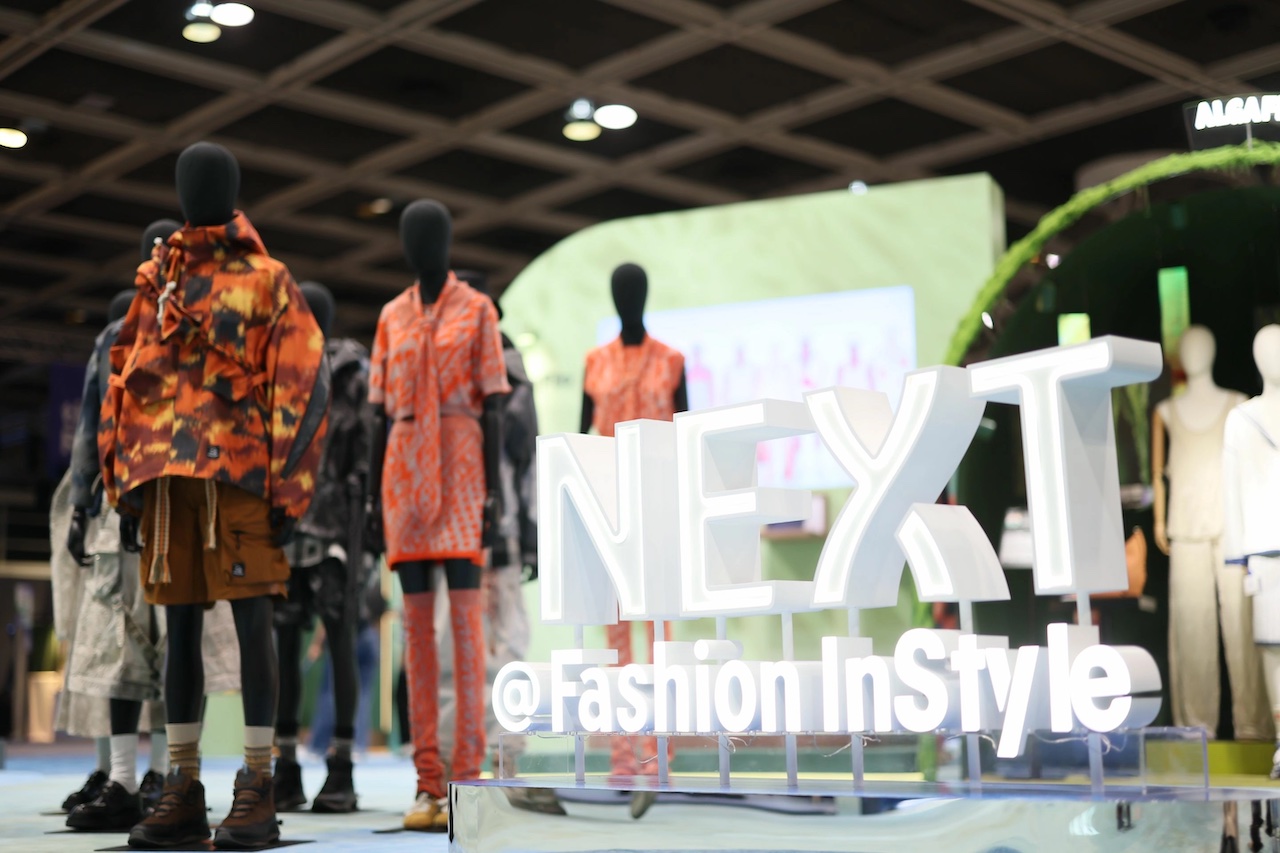
NEXT@Fashion InStyle is not merely an exhibition; it is a curated experience designed to demystify the next generation of textiles. By focusing on experimental design and sustainable fabrication, the zone aims to bridge the gap between laboratory-grade innovation and commercial viability.
Under the curatorial guidance of Han Chong, founder and creative director of the London-based label Self-Portrait, the exhibition will explore three overarching pillars: Cultural Heritage, Sustainability, and Technology & Functionality.
"We are witnessing a period where the definition of ‘luxury’ is being rewritten through the lens of material integrity," says a spokesperson for the HKTDC. "By bringing together the best in regional craftsmanship and international high-tech manufacturing, we are offering the industry a roadmap for the next decade."
A Chronology of Collaboration and Creative Exchange
The build-up to the 2026 edition has been marked by intensive cross-border collaboration, emphasizing the HKTDC’s commitment to fostering a truly global fashion ecosystem.
- Pre-Event (Early 2026): The curatorial team, led by Han Chong, initiated a series of design residencies, pairing emerging Hong Kong designers with global material suppliers. These projects were designed to challenge the limits of traditional garment construction.
- April 20–26 (Pre-Fair Digital Phase): The ‘EXHIBITION+’ model kicks off, allowing international buyers to utilize the Click2Match platform. This digital-first approach ensures that the networking process begins well before the physical doors open.
- April 27 (Opening Day): The physical exhibition opens at HKCEC, featuring the unveiling of the "Fashion Shock" collaborative projects and the inauguration of the Philippine-partnered pavilion.
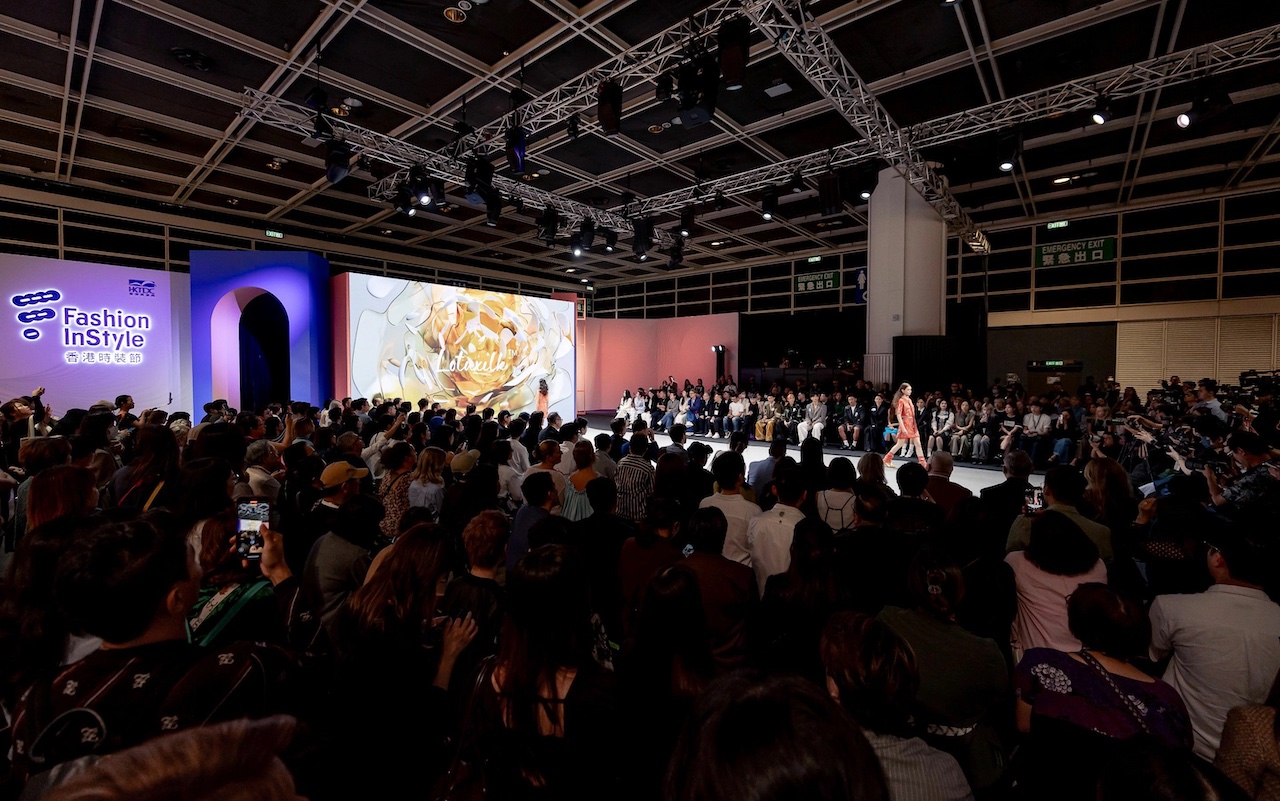
- April 27–30 (Core Programme): A packed schedule of seminars, runway showcases, and industry dialogues focusing on the future of supply chain ethics and sustainable production.
- May 7 (Conclusion): The digital business matching services conclude, wrapping up over two weeks of intensive global B2B engagement.
Supporting Data: The Global Supply Chain Shift
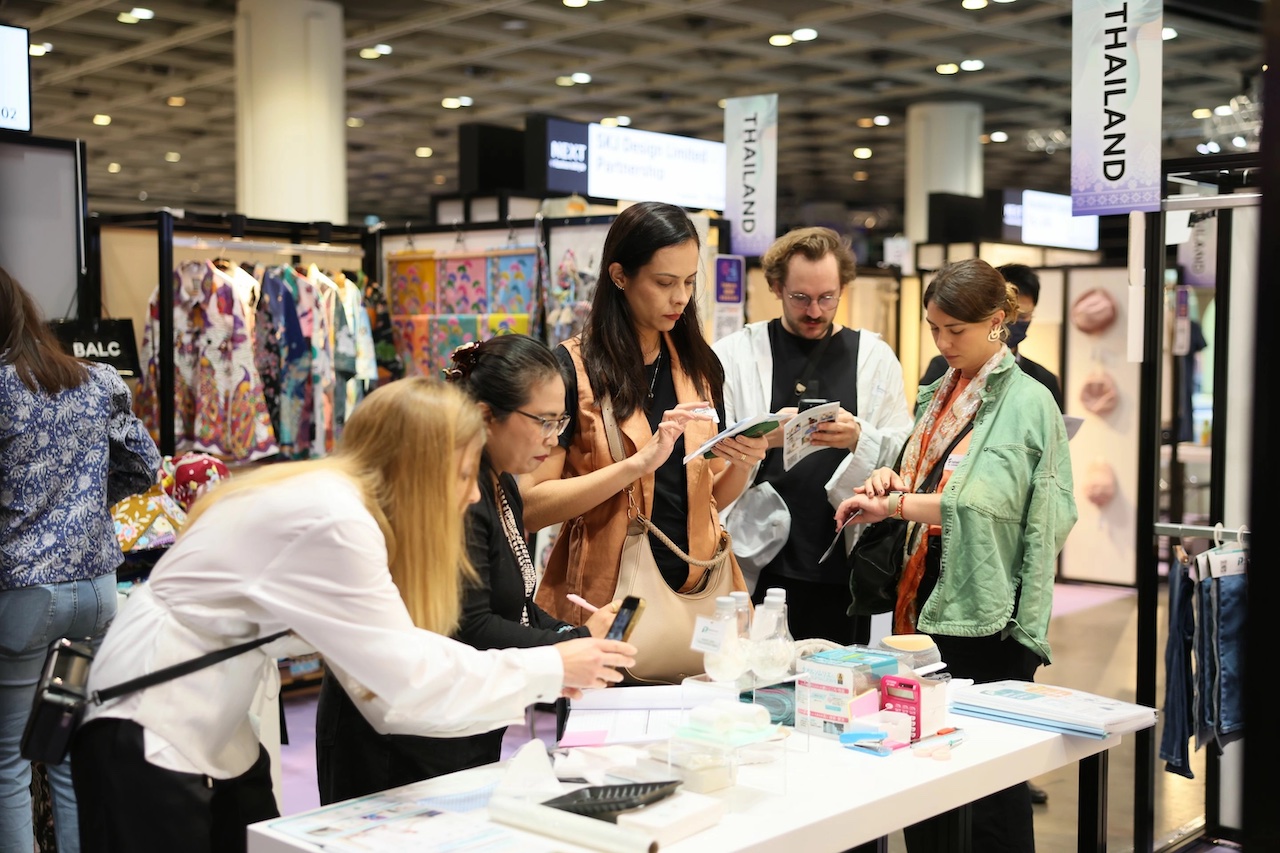
The data underpinning the event’s significance is clear: the demand for sustainable textiles is rising at a compound annual growth rate that far outpaces traditional cotton or polyester production. This year, the fair welcomes roughly 60 exhibitors from around the world, complemented by a substantial delegation of 30 suppliers from the Philippines, facilitated by the Philippine Trade and Investment Center (PTIC) and the Center for International Trade Expositions and Missions (CITEM).
The Philippines’ role as this year’s featured partner underscores a significant shift in regional manufacturing. By spotlighting Filipino materials—often rooted in sustainable natural fibres—the event highlights how local heritage can be scaled to meet the requirements of modern, globalized fashion brands.
Design Experiments: The "Fashion Shock" Projects
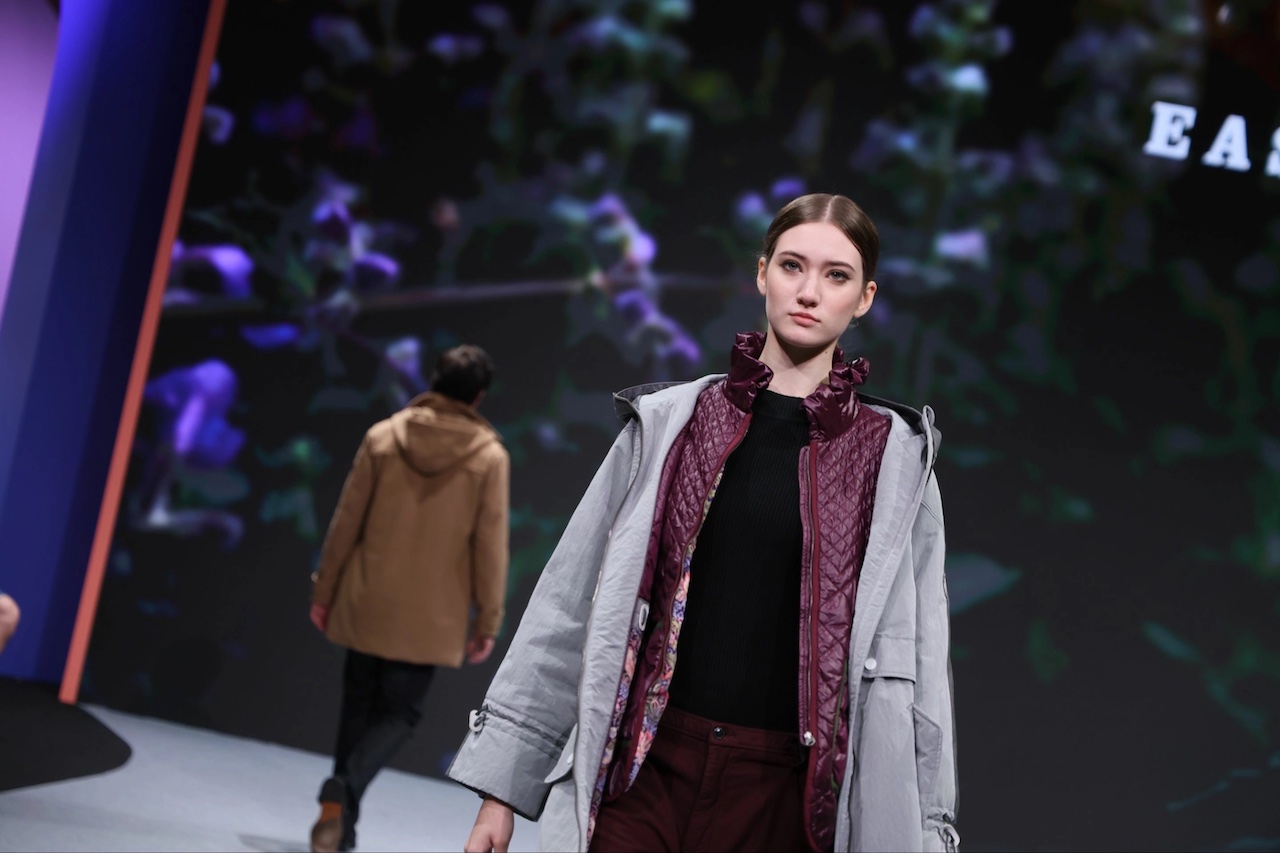
The centerpiece of the 2026 showcase is the "Fashion Shock" project, where six emerging Hong Kong designers were challenged to work with eight forward-thinking material suppliers. The results, as previewed by the curatorial team, offer a glimpse into a radically different future for garment construction:
1. The Biodegradable Revolution
Designers Toki Wong and Lusana Xu have focused their research on the intersection of biology and style. By utilizing AlgaFila—a 100% biodegradable, algae-based material—in conjunction with Nanoflex, a resilient, high-elasticity fibre, the team has produced padded garments that challenge the industry’s reliance on synthetic insulation. These pieces maintain durability while ensuring that the product’s lifecycle is fundamentally circular.
2. Texture and Responsible Luxury
Jason Ying offers a masterclass in material contrast. By pairing the fluidity of silky Tencel denim with sustainable leather elements and integrated knit accessories, Ying explores how ‘responsible’ materials can still deliver high-end, tactile luxury. His approach demonstrates that eco-conscious design does not require a sacrifice in aesthetic sophistication.
3. Structural Manipulation
The label Ponder.er has taken an avant-garde approach, developing custom-made textiles that manipulate fibre structures at the micro-level. By altering the surface and construction of the fabric itself, they demonstrate how the future of fashion lies not just in the garment’s cut, but in the creation of the fabric itself.
4. Mycelium and Natural Fusion
WILSONKAKI represents the pinnacle of hybrid material application. Their collection utilizes a collage-style construction that blends all-natural textiles with mycelium-based fibres and ultra-light H2 material. The result is a series of garments that are as functional as they are conceptual, pushing the boundaries of what is possible with organic matter.
5. Heritage Reinterpreted
Tigerstrolling serves as a vital reminder that innovation often looks backward to move forward. By blending the ancient, intangible cultural heritage of Song brocade with modern denim and contemporary Hong Kong design elements, the brand provides a blueprint for how traditional craftsmanship can be preserved through modern, high-tech fusion.
Industry Dialogue: Seminars and Networking
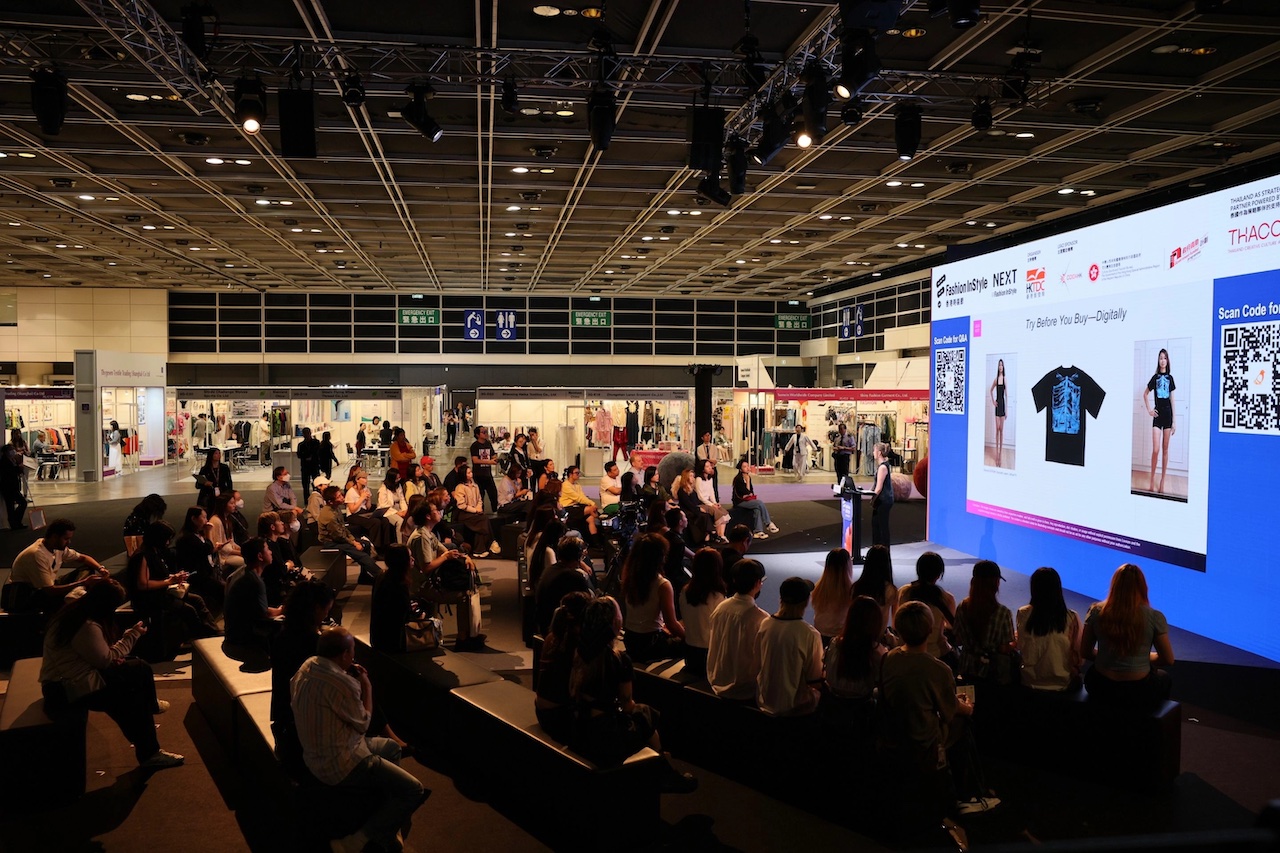
Beyond the visual allure of the exhibits, the fair provides a rigorous intellectual framework for industry professionals. The seminar series, held throughout the four days, will address the most pressing questions facing modern fashion houses, including:
- Sustainable Sourcing Protocols: How to verify material authenticity in a complex global supply chain.
- AI and Digital Transformation: Utilizing predictive analytics to reduce textile waste during the design phase.
- The Future of Material Science: A deep dive into the scalability of lab-grown and plant-based leathers.
These sessions provide a critical space for "knowledge exchange," allowing attendees to move beyond surface-level trends and engage with the practical, logistical, and technical hurdles of the current fashion economy.
Strategic Implications: Why Hong Kong Matters
The decision to host this event in Hong Kong is strategic. As a gateway between East and West, Hong Kong remains a critical node in the global fashion trade. The co-location of Home InStyle and the Hong Kong Gifts & Premium Fair at the same venue creates a unique "cross-industry" synergy.
For the buyer, this means the ability to source a total brand solution—from the textiles on the runway to the eco-friendly packaging and lifestyle products that accompany them. This holistic sourcing environment is designed to maximize efficiency for brands looking to pivot toward more sustainable models without fragmenting their supply chain.
The Hybrid Advantage
The implementation of the "EXHIBITION+" hybrid model is a recognition of the new reality of international business. By maintaining the Click2Match platform and hktdc.com Sourcing services from April 20 to May 7, the HKTDC is ensuring that geographical barriers do not prevent meaningful collaboration. This extended timeline allows for deeper deliberation and negotiation, catering to the realities of a globalized market where decision-making cycles are increasingly digital.
Conclusion: A Window into the Future
As the curtain rises on NEXT@Fashion InStyle 2026, the message is clear: the fashion industry is entering an era of radical material transparency. The shift toward sustainable, functional, and culturally-relevant textiles is no longer a niche concern for small labels; it is the central mandate for the entire global supply chain.
By fostering these connections between material innovators and visionary designers, Hong Kong continues to prove its relevance as a global leader in the fashion economy. For those looking to redefine their brand’s relationship with the environment and the consumer, the four days in April at the HKCEC will be an essential appointment in the international calendar.
For more information on the exhibition, participating designers, or to register for the upcoming events, please visit the official HKTDC Fashion InStyle website.